

Fresh meat needs sensible handling from the moment you leave the butcher. Good storage protects the meat from contamination, helps maintain its quality and reduces avoidable food waste.
For Sydney shoppers, the trip home also matters. A short journey in mild weather is different from leaving meat in a warm car while completing several errands. Food Standards Australia New Zealand recommends keeping potentially hazardous foods, including raw meat, at 5°C or colder and keeping transport time as short as reasonably possible.
When visiting a Butcher Sydney, it is worth planning meat purchases toward the end of your shopping trip so the product can be refrigerated promptly.
Get chilled meat into the fridge quickly
Once you arrive home, put fresh meat into the refrigerator rather than leaving it on the kitchen bench while unpacking other groceries.
If you have a longer drive home, particularly during warmer Sydney weather, an insulated cooler or bag with ice bricks can help maintain a suitable temperature during transport.
Check that your refrigerator is working effectively. Australian food-safety guidance recommends keeping refrigerated potentially hazardous food at 5°C or colder. A fridge thermometer can be useful if you are unsure about the actual temperature inside the appliance.
This is especially important for products such as mince, sausages, poultry and prepared meat dishes.
Keep raw meat separate from ready-to-eat food
Raw meat should not be stored where juices can drip onto cooked foods, cheese, salads, fruit or other foods that may be eaten without further cooking.
Keep raw meat covered and place it below ready-to-eat foods. Using a tray or suitable container underneath the package can provide another layer of protection if the original wrapping leaks. FSANZ recommends storing raw meat separately or below ready-to-eat food to reduce cross-contamination.
This simple habit is useful regardless of whether you have purchased meat from a specialist Butchery, supermarket or local meat retailer.
How to Store Fresh Meat in the Fridge
Once fresh meat is safely refrigerated, the next priority is protecting it from contamination and following the correct storage instructions.
There is no single storage period that applies to every type of meat. A steak, fresh chicken, mince, sausages and a marinated product may have different storage requirements.
For that reason, the label and advice provided at the time of purchase should always be taken seriously.
Use suitable packaging or food-safe containers
If the original packaging is sealed, undamaged and designed for refrigerated storage, it is usually practical to leave the meat in that packaging until you are ready to use it.
If the package has been opened or is leaking, place the meat in clean food-safe wrapping or a suitable covered container.
Avoid leaving fresh meat exposed on an uncovered plate. Keeping food covered helps protect it from other foods and surfaces inside the refrigerator.
If you buy several products from a Butcher shop, keep them organised rather than stacking leaking or damaged packs together. Large quantities can also make it harder to see use-by dates, so arrange products so labels remain visible.
Check storage instructions and the use-by date
The product label provides information that a general guide cannot replace.
Check the use-by date, refrigeration instructions and any advice about consuming the product after opening. FSANZ recommends following manufacturer storage directions and discarding food that has passed its use-by date.
Do not assume that all Gourmet Meats have longer storage lives simply because they are premium products.
Fresh sausages, mince, marinated meats and prepared products may require different handling from whole cuts. When buying an unfamiliar item, ask the butcher how it should be stored and whether it is better refrigerated or frozen if you are not planning to cook it soon.
When Should You Freeze Meat Instead?
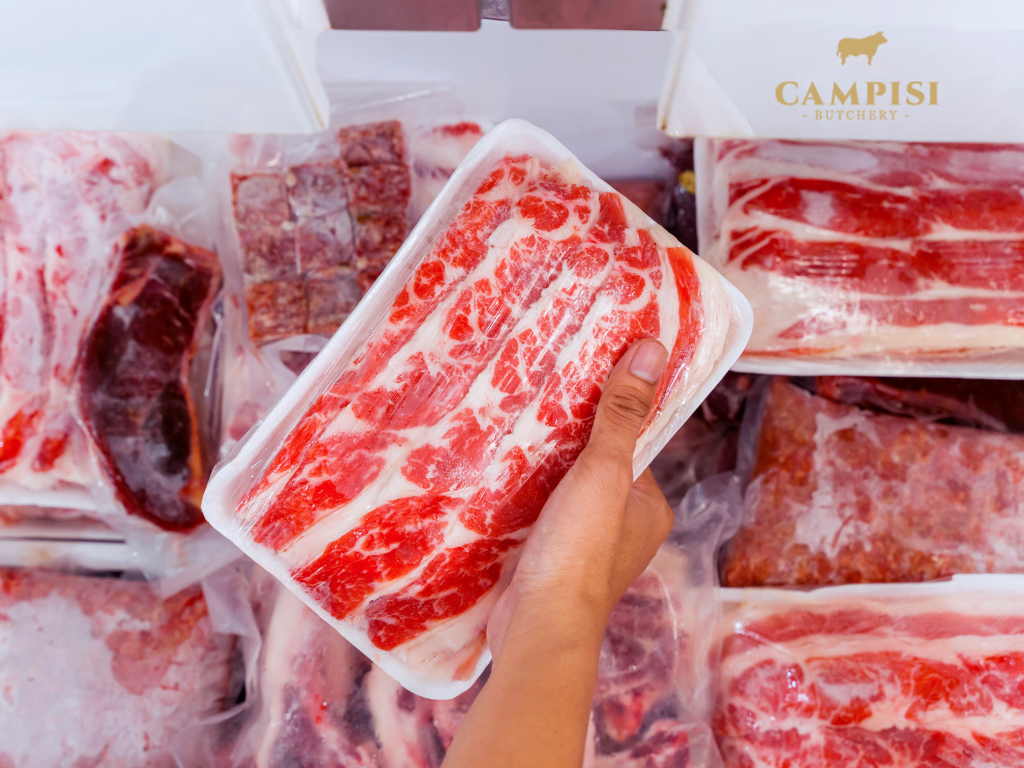
Freezing is useful when you buy more fresh meat than you can reasonably cook while it is still within its recommended refrigerated storage period.
It can also make larger purchases easier to manage. Instead of trying to use a large amount at once, you can divide it according to your usual meals.
The important point is to freeze meat while it is still suitable to eat, rather than waiting until it is already at the end of its usable refrigerated life.
Freeze meat you will not use soon
When you know that a particular cut will not be cooked in the near future, freezing it earlier can be more practical than leaving it in the refrigerator and hoping you use it in time.
Keep frozen meat properly wrapped and frozen hard. FSANZ advises maintaining frozen foods in a fully frozen state during storage.
The appropriate freezer storage period varies depending on the product. Rather than relying on one time frame for every meat, label the package and refer to recognised storage guidance or the instructions supplied with the product.
When purchasing Gourmet Meats for a special meal, tell the butcher when you intend to cook them. This can help you decide whether refrigeration or immediate freezing makes more sense.
Portion meat before freezing
Dividing meat into meal-sized portions before freezing makes everyday cooking easier.
For example, if you buy a larger pack of steaks, sausages or mince, separate it into the amounts you normally use for one meal. Wrap each portion carefully using freezer-suitable packaging and label it with the product and freezing date.
Sydney Local Health District also recommends dividing meat into meal-sized amounts and wrapping it securely before freezing.
Smaller portions can be easier to defrost because you only thaw what you actually need.
This also reduces the temptation to defrost a large amount of meat when only part of it is required for dinner.
How to Defrost Meat Safely Before Cooking
Good storage continues when meat leaves the freezer.
Defrosting meat on the kitchen bench may seem convenient, but the outside of the meat can warm while the centre remains frozen. A safer routine is to thaw it under controlled conditions.
Planning ahead is useful here. Moving tomorrow’s meal from the freezer to the refrigerator the night before can avoid rushed defrosting later.
Why fridge defrosting is usually a practical option
Defrosting meat in the refrigerator allows it to thaw while remaining chilled.
Sydney Local Health District guidance recommends thawing meat slowly in the fridge or using a microwave when faster thawing is required, rather than leaving it at room temperature.
If you use a microwave to defrost meat, follow the appliance and product instructions and proceed to cooking as appropriate.
Larger roasts and thicker cuts can take considerably longer to thaw than individual steaks or smaller portions. Allow enough time instead of attempting to speed up the process by leaving meat out for extended periods.
Keep defrosting meat contained
Place frozen meat on a plate, tray or in a container while it defrosts.
As frozen meat thaws, liquid can collect around the package. Keeping it contained prevents those juices from spreading onto refrigerator shelves or nearby ready-to-eat foods.
The meat should also remain on a lower shelf where possible.
After handling raw meat, clean any surfaces, utensils and hands that have come into contact with it before preparing other foods.
This is particularly important when you are preparing salads, bread, cheese or other foods that will not be cooked before serving.
Choosing the Right Meat and Butcher for Your Needs
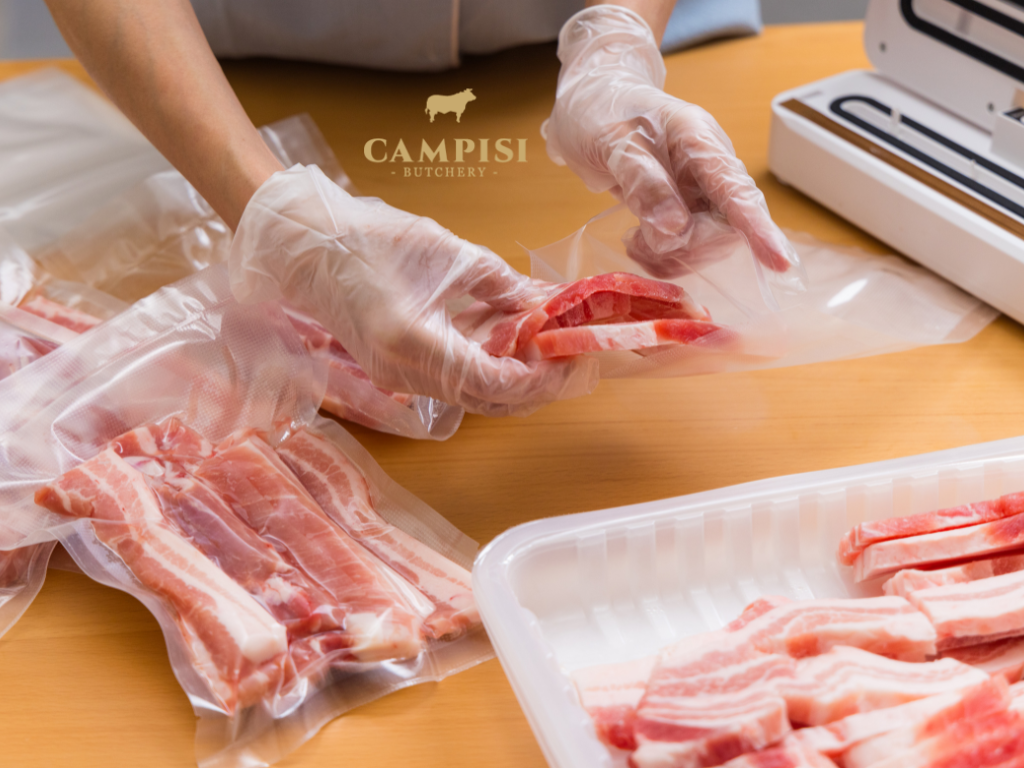
Good storage becomes easier when you purchase the right quantity and product in the first place.
Buying more meat than you can realistically cook or freeze creates unnecessary pressure to use it quickly. Buying the wrong cut can also lead to disappointing cooking results, even when the meat itself is good quality.
A knowledgeable butcher can help match the meat to your recipe, household size and cooking method.
Match the cut and quantity to how you plan to use it
Before buying, think about what you are cooking.
A quick weeknight meal may call for a different cut from a slow-cooked weekend dish. A family barbecue may need a mix of sausages, steaks or chicken, while a roast dinner may be easier to plan around one larger piece.
Tell the butcher whether you plan to grill, roast, braise, slow cook or barbecue the meat. Ask about portion sizes if you are unsure how much you need.
This is particularly useful when purchasing more expensive Gourmet Meats because buying the correct amount can help avoid unnecessary waste.
Storage space also matters. There is little value in buying a large quantity if your refrigerator or freezer cannot accommodate it properly.
What to ask when comparing local butchers
Someone searching for Butchers sydney, a meat shop near me or an Organic Butcher sydney is often comparing more than location.
Ask whether the butcher can recommend cuts for specific cooking methods, prepare meat to the size you need and explain how the product should be stored once you get home.
If a product is described as organic, ask for clear information about the product rather than assuming that the term automatically means every item in the store meets the same standard.
When considering Campisi Butchery or another local supplier, useful buying questions include how the meat has been prepared, how it should be refrigerated or frozen, and whether a different cut may better suit your recipe or budget.
This section also provides a natural internal linking opportunity to pages covering fresh beef, pork, lamb, chicken, Gourmet Meats or the butcher’s store location.
Common Storage Mistakes That Can Affect Fresh Meat
Most home meat-storage problems come from simple habits rather than complicated mistakes.
Leaving meat warm for too long, ignoring damaged packaging or allowing raw juices to contact other foods can increase food-safety risks.
Understanding these common problems makes them easier to avoid.
Leaving meat out for too long after shopping or meal preparation
Fresh meat should not spend unnecessary time outside refrigeration.
This includes the drive home, time spent unpacking groceries and the period before cooking.
FSANZ identifies the range between 5°C and 60°C as the temperature danger zone in which microorganisms can grow more quickly. Refrigerated potentially hazardous food should generally be kept at 5°C or colder.
This is especially relevant during Sydney’s warmer months.
If you plan to visit several shops, make the Butcher shop one of your final stops where practical or use an insulated bag to keep chilled items cold during the journey home.
Using damaged packaging or allowing raw juices to spread
Check meat packaging before placing it in your shopping bag and again before storing it at home.
If packaging is torn or leaking, contain it immediately in a clean food-safe bag, tray or container.
Do not place leaking raw meat directly above vegetables, cooked food, dairy products or other ready-to-eat items.
If raw juices spill inside the refrigerator, clean the affected area promptly rather than allowing the contamination to spread.
Separate chopping boards and utensils for raw and ready-to-eat foods are also a sensible kitchen practice. FSANZ recommends keeping raw and ready-to-eat foods separate during storage and preparation.
When Should You Contact Your Butcher for Advice?
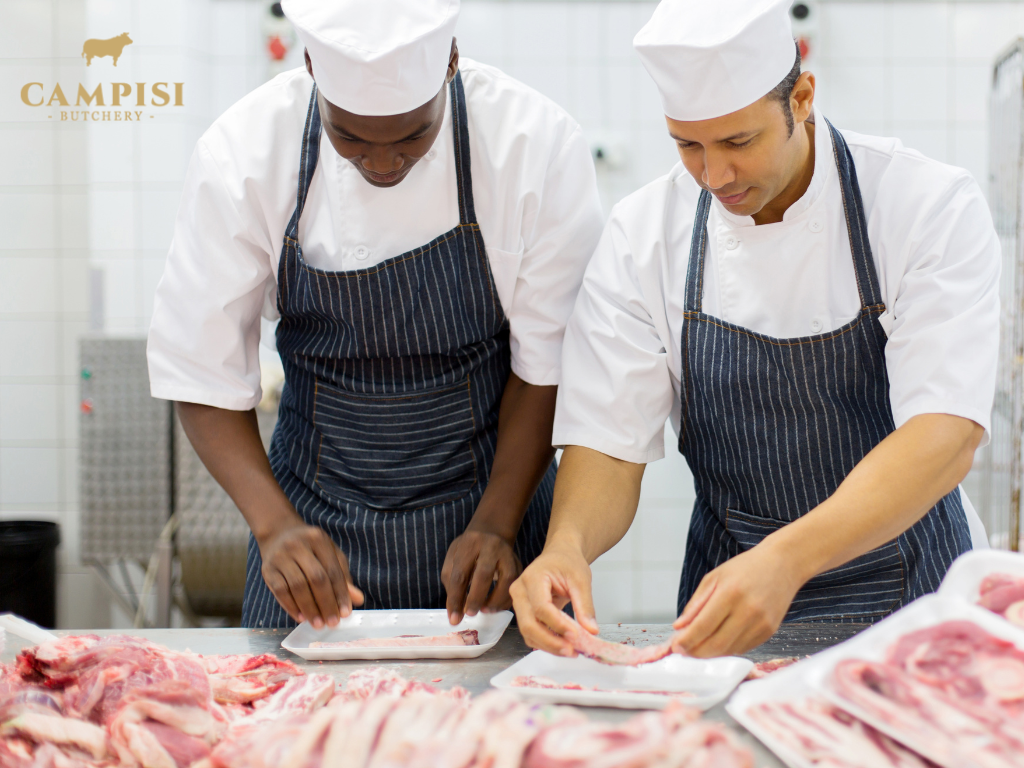
General storage information is helpful, but the butcher who supplied the product may be able to give more specific advice.
This is particularly valuable for speciality cuts, marinated products, house-made sausages, prepared meats or unfamiliar products where the packaging instructions are limited.
You do not need to guess when a quick question can provide clearer information.
Ask when storage instructions are unclear
Contact the butcher when you are unsure how a particular product should be refrigerated, whether it is suitable for freezing or how it should be handled after opening.
You can also ask if you no longer have the original label and cannot remember the storage advice that came with the meat.
However, if meat has passed its use-by date or there is genuine concern that it has been stored unsafely, do not rely on smell or appearance alone as proof that it is safe.
Australian food-safety guidance recommends following storage directions and use-by information rather than trying to extend the life of questionable food.
Get advice before buying for a BBQ, event or larger household
A Gourmet Butcher can also be useful before you purchase the meat, particularly when planning a barbecue, celebration or larger family meal.
Tell them how many people you are feeding, what cooking equipment you have and whether the meat will be cooked immediately or stored first.
They may be able to suggest more practical quantities, suitable cuts and packaging arrangements.
For people searching for a Butcher Sydney, the best next step is not simply finding the nearest store. Look for a Butchery that can explain its products clearly, prepare meat appropriately for your intended meal and give sensible storage guidance.
That way, you leave the shop knowing not only what you have bought, but also how to transport, store, freeze and prepare it properly at home.
