

Choosing between CNC routing and laser cutting is an important decision when planning a custom plastic project. Whether you need acrylic panels, retail displays, protective screens or industrial components, understanding the differences can help you achieve the right finish, dimensions and functionality. Plastic Fabricators Western Sydney offer different cutting and fabrication methods to suit various materials and project requirements.
Both CNC routing and laser cutting provide accurate, computer-controlled results, but they work differently. CNC routing uses a rotating cutting tool to remove material, while laser cutting uses a concentrated beam of light. Each method has advantages depending on the plastic type, thickness, design complexity and intended application.
For homeowners, builders and commercial businesses across Western Sydney, knowing which method suits a project can help avoid unnecessary expenses, unsuitable material choices and additional finishing work.
Why Plastic Fabricators Western Sydney Use Different Cutting Methods
Plastic fabrication involves more than cutting a sheet into a particular shape. The process must consider how the finished product will be installed, handled, maintained and used.
For example, a clear acrylic display with intricate lettering may benefit from laser cutting because the process can create detailed shapes with smooth edges. A thick industrial panel requiring drilled holes or machined sections may be better suited to CNC routing.
Experienced fabricators assess the material, required dimensions and finish before recommending a cutting method. Some projects may also require additional processes such as bending, polishing, joining or assembly.
Common Projects That Require Precision Plastic Cutting
Precision cutting is used across commercial, industrial and residential applications.
Retail businesses may require acrylic display stands, protective covers or custom signage. Builders and shopfitters often need accurately sized plastic panels for interior fittings, displays or architectural features.
Industrial businesses may require machine guards, equipment covers, control panels and custom plastic components. Acrylic screens can also provide physical separation in reception areas, service counters and workplaces.
Because these projects have different requirements, selecting a suitable fabrication method is essential for achieving the intended result.
Understanding CNC Routing for Plastic Fabrication
CNC routing is a computer-controlled machining process that uses rotating cutting tools to shape plastic materials. It is particularly useful when projects require precise dimensions, thicker materials or features that cannot easily be produced through laser cutting.
Plastic Fabricators Western Sydney may recommend CNC routing for components requiring drilled holes, shaped edges, recesses or complex profiles.
Unlike laser cutting, CNC routing removes material mechanically rather than relying on heat to create the cut. This makes it suitable for a wider range of plastics, including materials that should not be processed using a laser.
How CNC Routing Cuts and Shapes Plastic Materials
CNC routing machines follow digital instructions generated from design files. A rotating tool moves across the material to create the required shape, cut-out or opening.
The process can be used with acrylic, polycarbonate, PVC and various engineering plastics, provided the correct tooling and machining settings are selected.
For example, a machine guard may need accurately positioned mounting holes and openings for equipment access. CNC routing can produce these features as part of the manufacturing process.
The finished edges may have visible machining marks, depending on the material and cutting conditions. Where appearance matters, additional polishing or finishing can improve the result.
When CNC Routing Is the Better Choice
CNC routing is often preferred when working with thicker sheets, large panels or materials that are unsuitable for laser cutting.
It is also useful for projects requiring drilling, stepped profiles, recessed sections or other machined features.
For industrial applications, CNC routing can produce practical components from impact-resistant plastics such as polycarbonate. It can also be used to shape PVC panels and other materials used in commercial equipment and installations.
However, the suitability of CNC routing depends on the material grade, required tolerances and equipment capabilities. Discussing these details with a fabricator helps ensure the finished component meets the project’s requirements.
How Laser Cutting Works With Acrylic Sheets
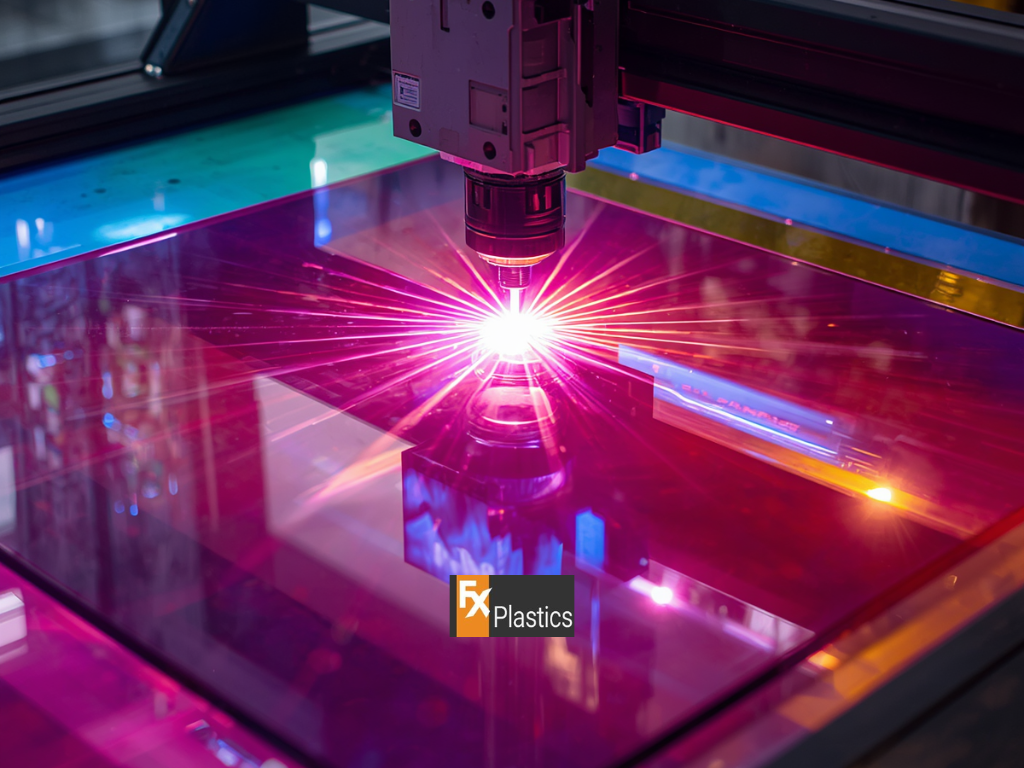
Laser cutting uses a focused beam of light to cut through suitable materials. For acrylic fabrication, it is commonly chosen when projects require intricate shapes, detailed patterns or smooth, visually appealing edges.
Plastic Fabricators Western Sydney frequently work with customers who need customised acrylic components for signage, retail displays and decorative applications.
Laser cutting can be particularly effective when working with acrylic because the cutting process can produce a smooth, polished-looking edge without extensive additional finishing.
Laser Cutting for Acrylic Sheets in Western Sydney
Businesses and homeowners looking for Acrylic Sheets Western Sydney may need materials that can be cut to precise measurements or customised designs.
Laser cutting is suitable for many acrylic projects, including lettering, decorative panels, display components and complex geometric shapes.
The laser follows a digital design, cutting through the sheet without a rotating tool making physical contact with the material. This allows detailed profiles and relatively narrow cutting paths.
For customers purchasing Acrylic Sheets Sydney, it is helpful to confirm whether the selected sheet type and thickness are compatible with the fabricator’s laser equipment.
The finish can vary depending on the acrylic grade, thickness and machine settings. Although laser cutting often creates attractive edges on acrylic, the final result should still be assessed against the project’s requirements.
Benefits and Limitations of Laser Cutting
One advantage of laser cutting is its ability to produce detailed shapes with consistent results. It is particularly useful for signage, decorative acrylic panels and components with small internal cut-outs.
Laser cutting may also reduce the need for separate edge-polishing processes when using suitable acrylic materials.
However, not every plastic is appropriate for laser cutting.
PVC should not be laser cut because it can release hazardous, corrosive gases. Polycarbonate is generally better suited to mechanical cutting because laser processing can cause discolouration and poor edge quality.
Material thickness and sheet size also affect the choice of cutting method. The maximum dimensions and thickness that can be processed depend on the equipment used.
Understanding these limitations helps customers choose a practical method rather than selecting a process based on appearance alone.
CNC Routing vs Laser Cutting: Key Differences
When comparing CNC routing and laser cutting, the best method depends on what the finished product needs to achieve.
Plastic Fabricators Western Sydney consider factors such as material compatibility, dimensions, edge finish, design complexity and production quantities.
Although both methods offer precision, their results are not identical. Understanding these differences makes it easier to discuss project requirements and compare fabrication quotations.
Comparing Precision, Edge Finish and Material Thickness
Both CNC routing and laser cutting can produce accurately sized components when correctly configured and operated.
Laser cutting is particularly effective for detailed acrylic shapes, lettering and intricate patterns. It can create smooth edges that are suitable for applications where appearance is important.
CNC routing is useful for cutting thicker materials and producing features such as holes, recesses and stepped sections. It can also process materials that are not suitable for laser cutting.
For example, a decorative acrylic panel with detailed cut-outs may be an appropriate laser-cutting project. A thick polycarbonate cover requiring mounting holes and shaped edges may be better suited to CNC routing.
Neither method is automatically more accurate in every situation. The achievable tolerances depend on the machine, material, design and processing conditions.
Comparing Fabrication Costs and Production Requirements
Fabrication costs vary depending on material selection, sheet thickness, design complexity, quantities and finishing requirements.
Laser cutting may be economical for detailed acrylic designs because it can produce attractive edges during the cutting process. However, processing time and material thickness can influence the overall cost.
CNC routing may be more suitable for thicker materials or projects requiring multiple machining operations. Additional finishing may be necessary if the exposed edges need a polished appearance.
Production quantities also affect pricing. A single custom component may involve different setup and preparation requirements from a larger batch of identical parts.
When comparing quotes from Plastic Fabricators Sydney, customers should check what is included in the proposed price. Material supply, cutting, finishing, design preparation, assembly and delivery can all influence the final amount.
A clear quotation should identify the relevant work so customers can compare the overall service rather than the cutting price alone.
Choosing Materials for Custom Plastic Projects
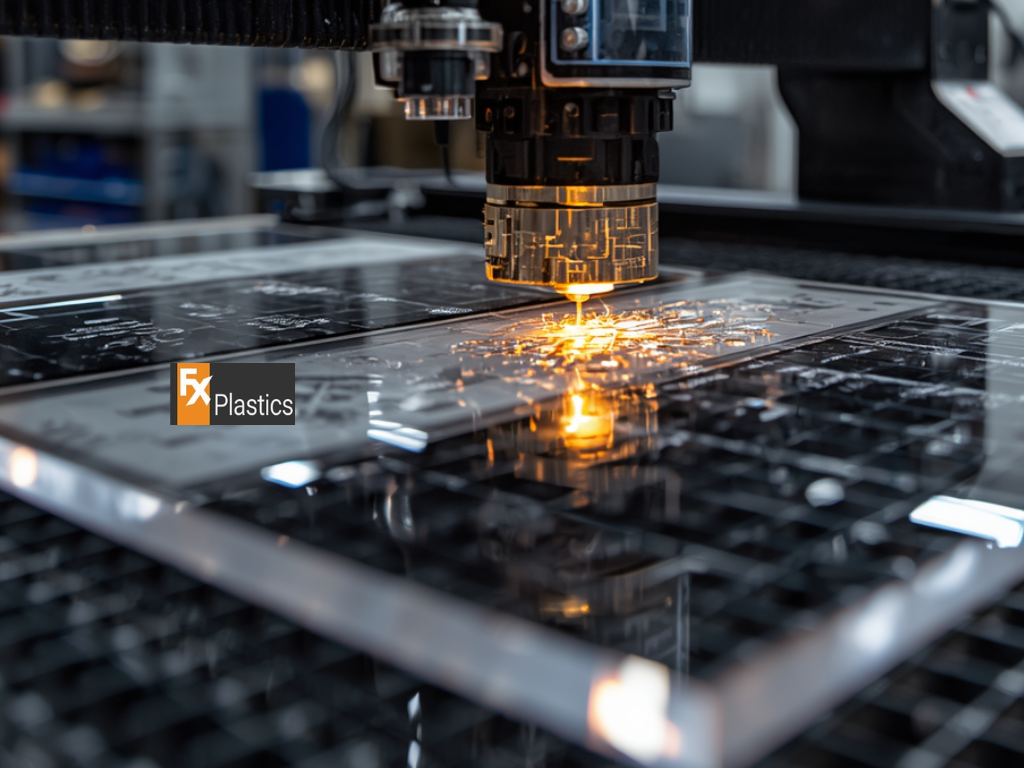
Selecting the correct plastic is just as important as choosing the cutting method.
Different materials offer different levels of transparency, impact resistance, chemical resistance and flexibility. These characteristics influence how a finished product performs in its intended environment.
Plastic Fabricators Western Sydney can help customers understand which materials are appropriate for particular applications and which fabrication processes are compatible with them.
Acrylic, Polycarbonate and PVC: Which Material Fits?
Acrylic, often known by the brand name Perspex, is commonly selected for projects requiring clarity, an attractive appearance and a polished finish.
It is widely used for retail displays, signage, protective covers and decorative panels. Acrylic fabrication can involve laser cutting, CNC routing, bending, polishing and joining to create customised products.
Polycarbonate is often preferred where greater impact resistance is required. It is used for machine guards, equipment covers and protective panels. Although polycarbonate is tougher than acrylic in many impact-related applications, its suitability still depends on the grade, thickness and installation.
PVC is used in applications requiring particular chemical resistance, durability or fabrication characteristics. It can be cut through CNC routing or saw cutting and may be joined using suitable welding or bonding methods.
The intended application should guide material selection. For example, a decorative display may prioritise optical clarity, while an industrial equipment cover may require impact resistance and suitable fixing points.
Cut to Size Plastics Western Sydney: What to Consider
Ordering cut-to-size plastics can save preparation time when accurate measurements and suitable material specifications are provided.
Before requesting Cut to Size Plastics Western Sydney, customers should consider the required length, width, thickness and number of pieces.
It is also important to explain how the material will be installed. Panels fitted into frames may require allowance for movement, while components attached with screws may need accurately positioned holes.
Edge finishing is another consideration. A display panel with exposed edges may require polishing, while a concealed industrial component may only need a suitable machined finish.
Customers should also confirm whether the measurements refer to finished dimensions and whether any particular tolerances apply.
Providing a drawing, sketch or detailed measurements can help the fabricator assess material requirements and prepare an accurate quotation.
Applications of CNC and Laser Cutting in Western Sydney
Plastic fabrication supports a wide range of projects, from individual acrylic pieces to customised commercial and industrial components.
Plastic Fabricators Western Sydney work with customers who have different functional and design requirements. The most suitable fabrication approach depends on the intended use, material selection and required finish.
For businesses, understanding the available applications can help identify opportunities to use custom plastics instead of relying on standard off-the-shelf components.
Acrylic Screens, Retail Displays and Commercial Signage
Acrylic is commonly used in retail and commercial environments because it offers clarity, design flexibility and a professional appearance.
Custom acrylic screens can be produced for reception counters, service areas and other spaces where a physical barrier is required. The design may include mounting holes, shaped edges or openings to suit the installation.
Retailers may also require product display stands, brochure holders, signage panels and customised point-of-sale fixtures.
Laser cutting can be useful for detailed signage and display components, while CNC routing may be appropriate for larger panels or pieces requiring additional machined features.
For these projects, the finishing and assembly processes can be just as important as the initial cut. Bending, polishing and joining may be needed to transform flat sheets into complete products.
Industrial Components and Custom Design and Fabrication
Industrial plastic components often need to meet specific dimensional and functional requirements.
Machine guards, equipment panels, protective covers and customised fittings may require materials selected for durability, impact resistance or compatibility with their operating environment.
CNC routing is commonly used to produce industrial parts requiring accurately positioned holes, openings and complex profiles.
Some projects also need Design and Fabrication support to transform an initial concept into a workable product.
This may involve reviewing dimensions, selecting suitable materials, preparing drawings and determining how individual components will be joined or installed.
Businesses should provide information about operating conditions, physical loads and installation requirements. Where safety-related components are involved, the final design may also require appropriate engineering assessment or testing.
How to Choose the Right Plastic Fabricator
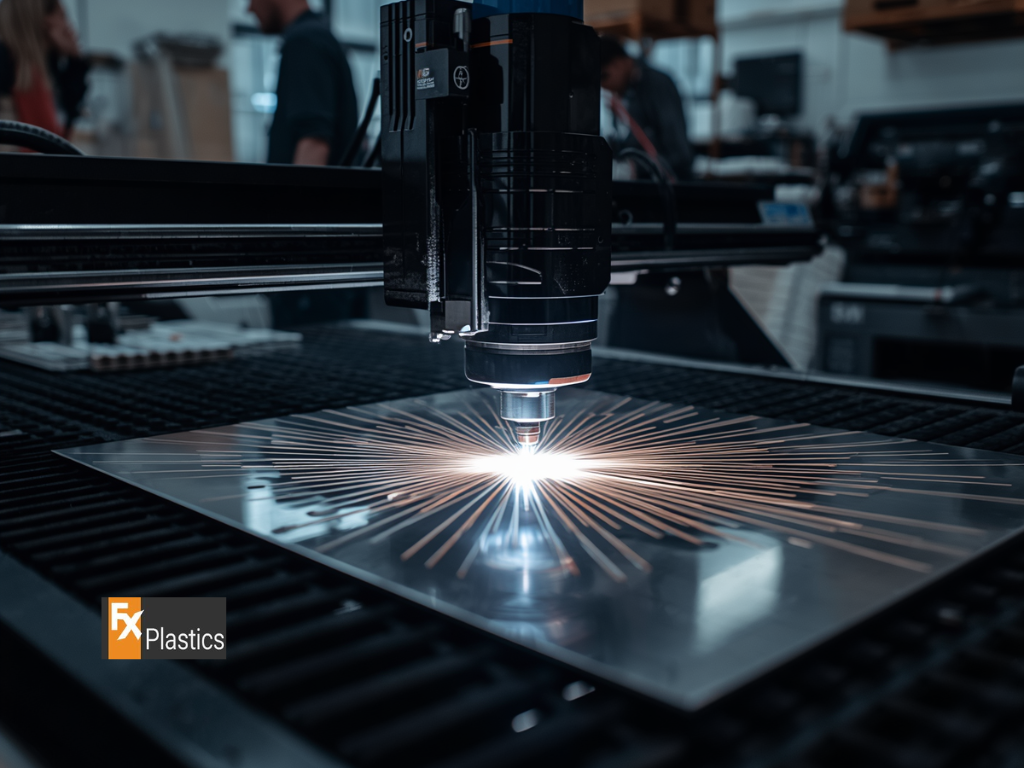
Choosing a plastic fabricator involves more than finding someone who can cut material to size.
Plastic Fabricators Western Sydney may offer different combinations of material supply, CNC routing, laser cutting, finishing and assembly services. Identifying the right provider means understanding which capabilities are relevant to your project.
A useful starting point is to explain what the finished product needs to do, rather than requesting a particular cutting method without considering the alternatives.
What to Ask Plastic Fabricators Western Sydney Before Ordering
Before placing an order, ask whether the fabricator can work with your chosen plastic material and whether CNC routing or laser cutting would produce the most suitable result.
It is also worth discussing available sheet sizes, thickness options, achievable tolerances and finishing methods.
If your project involves acrylic fabrication, ask about polishing, bending, joining and assembly services. These processes may affect the appearance and functionality of the finished product.
Customers should also confirm what information is needed for a quotation. Some projects can be assessed from measurements and a simple sketch, while more complex designs may require digital drawings.
Production timing, material availability and collection or delivery arrangements should be discussed before confirming an order.
A provider that can explain the advantages and limitations of different fabrication methods can help customers make more informed decisions.
Getting the Right Fabrication Solution for Your Project
The right cutting method depends on your material, design, required finish and intended application.
Laser cutting is often suitable for detailed acrylic designs and projects where a smooth exposed edge is desirable. CNC routing offers flexibility for thicker materials, machined features and plastics that cannot be safely laser cut.
For customers looking for plastic fabrication services in Western Sydney, FX Plastics provides CNC routing, laser cutting, acrylic screens and design and fabrication services. The company also offers cut-to-size acrylic sheets and related fabrication processes.
Whether you need a single Perspex panel, customised acrylic screens or components for a commercial project, discussing your requirements before production can help identify an appropriate material and manufacturing method.
If you are planning a project, contact FX Plastics to discuss your measurements, material preferences and fabrication requirements. Providing clear specifications from the beginning will help the team assess your project and prepare a suitable quotation.
