

Sustainable veneer can help designers bring the warmth and character of timber into cabinetry, furniture, doors and feature walls while using a thin decorative layer of wood across a larger surface.
However, sustainability cannot be confirmed by the veneer face alone. The timber source, chain-of-custody documentation, substrate, adhesive, finish, manufacturing process and expected service life all contribute to the final product.
This distinction matters because terms such as sustainable, natural, eco-friendly and responsibly sourced can be used broadly. A useful specification should replace general claims with information that can be checked.
FSC chain-of-custody certification is one recognised method for tracing eligible forest-based material through processing and distribution. It requires certified organisations to identify and track material and retain relevant production and sales records.
Australian design trends also continue to favour natural materials, visible wood grain, warmer tones and products associated with quality and longevity. Sustainable materials and local character remain prominent in current interior discussions.
The following guide explains how to compare sustainable veneers and develop a specification that considers appearance, documentation, construction and long-term use.
Set measurable priorities before choosing a product
Sustainability can refer to several different goals.
One project may prioritize certified forest sourcing, while another may focus on recycled substrate content, low-emission finishes, local manufacturing or long product life.
Before comparing wood veneer supplies, decide which outcomes matter most and which documents will be required.
For example, a commercial project may need chain-of-custody evidence for a building rating or procurement policy. A residential project may place greater emphasis on natural appearance, repairability and materials expected to remain useful for many years.
A project brief can state whether certification is mandatory or preferred. It can also identify acceptable substrates, finish requirements and any restrictions on adhesives or emissions.
This is more useful than asking for an environmentally friendly product without explaining how that claim will be assessed.
The specification should also distinguish between the supplier’s general environmental policy and the exact product being ordered.
A business may supply certified and non-certified materials. Therefore, certification should be confirmed for the particular veneer, panel and transaction rather than assumed from the company name alone.
Where sustainability claims affect approval, pricing or reporting, request supporting documentation before production begins.
Consider the complete veneered panel, not only the surface
A finished timber panel normally includes more than decorative wood veneers.
The construction may include the face veneer, a balancing veneer, an MDF or plywood substrate, adhesive, edge treatment and protective finish.
Each component can influence the overall environmental and practical outcome.
A certified veneer applied to an unsuitable substrate may not meet the wider goals of the project. Likewise, a responsible timber source does not remove the need to assess durability, maintenance and indoor-use requirements.
The panel should be designed for its expected environment. Cabinet doors, wall linings, desks and furniture tops have different levels of handling, moisture exposure and wear.
A product that performs well for many years may be preferable to one that needs early replacement, even when the first option uses slightly more material or has a more durable coating.
This means sustainable specification involves balancing material efficiency with service life.
The Timber Veneer Association of Australia describes veneering as an efficient use of wood and provides guidance covering substrates, adhesives, finishes, manufacturing, storage and quality control.
A meaningful comparison should therefore consider the whole system rather than selecting the veneer face first and treating the remaining components as minor details.
Understand Certification and Responsible Sourcing
FSC certified veneer refers to material supplied with an eligible FSC claim through a certified chain of custody.
Chain-of-custody certification is designed to track forest-based material through sourcing, processing, manufacturing and sale.
FSC explains that certified organisations must identify and track eligible materials and maintain records relating to production, purchasing and sales.
This does not mean every timber product sold by an FSC-certified company carries an FSC claim.
The exact item needs to fall within the organisation’s certification scope and be supplied with the correct claim on relevant sales documentation.
When certification is important, ask whether the veneer is available as FSC 100%, FSC Mix, FSC Recycled or another applicable claim.
The appropriate option depends on the material and supply chain. Do not choose a label based only on which wording sounds strongest.
A supplier should be able to explain whether the veneer, substrate or complete panel carries the claim.
For a finished veneered board, clarify whether certification covers the complete product or only one component.
This information is especially important when the material will be used in a certified building project or reported under an organisational procurement policy.
Verify certificates and product claims correctly
A certificate code alone does not confirm that a particular order is certified.
Check the certificate holder, current status, product scope and claim shown on the quotation, invoice or delivery documentation.
FSC certificate holders receive a certification code and trademark licence code after completing the required audit and approval process.
The supplier name on the certificate should correspond with the business making the certified sale, unless the supply arrangement is clearly documented.
Ask whether any panel pressing, cutting, finishing or resale stage affects the chain of custody.
This matters because certified material can pass through several businesses before reaching the final project.
Where a claim is required, each relevant organisation may need suitable certification or another compliant arrangement.
Be cautious with broad wording such as FSC timber available when the quote does not identify which products are included.
The documentation should connect the claim to the exact species, quantity or product supplied.
Responsible sourcing may also include Australian-managed forests, reclaimed material or other recognised certification systems. These options should be assessed according to the project brief rather than treated as interchangeable.
Clear documentation protects both the customer and supplier by reducing the risk of claims being misunderstood later.
Compare Veneer Types and Design Options
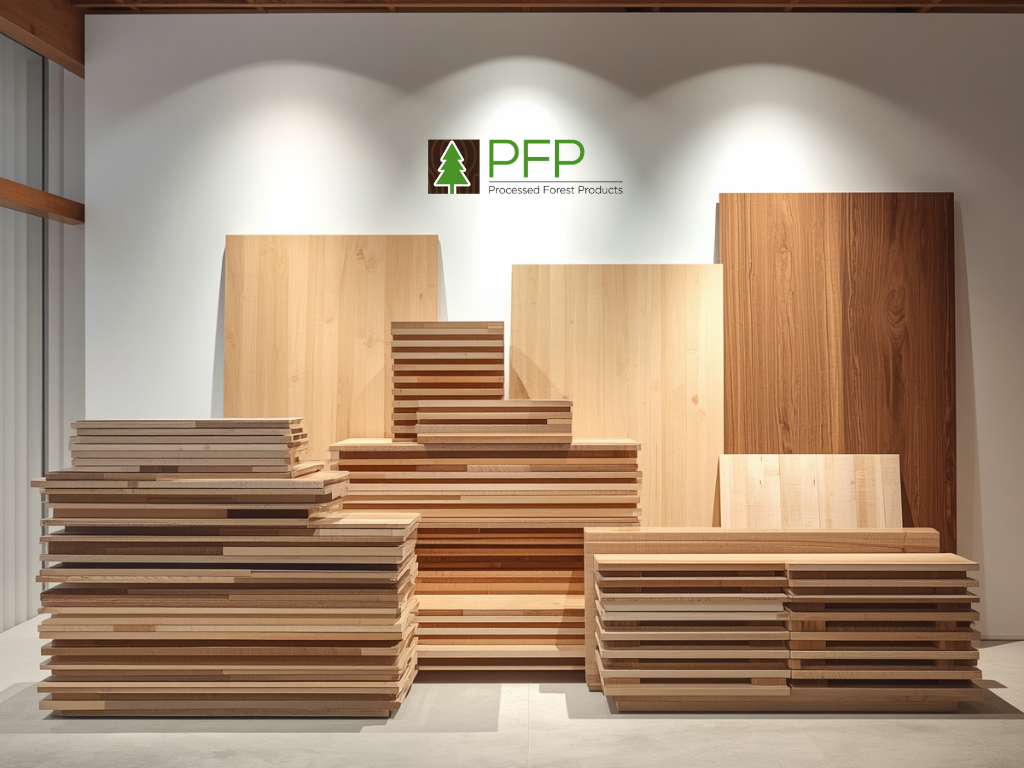
Choose between natural and reconstituted veneers
Natural veneer is sliced from a log and retains the individual grain, colour and figure of that timber.
This natural variation creates character, but it also means panels may not look identical.
Reconstituted veneer is generally produced by processing timber into a controlled decorative pattern. It can provide more consistent grain and colour across larger quantities.
Either option may suit a responsible interior project.
Natural veneer may be preferred when the design celebrates individual timber character and makes efficient use of decorative logs.
Reconstituted veneer may suit projects that require repeatable patterns, predictable colour and consistent supply across many panels.
The source material, manufacturing process and certification should still be checked for both options.
Do not assume that natural always means more sustainable or that engineered always means less sustainable.
A natural veneer sourced without adequate documentation may not meet a project’s goals. A reconstituted product made from certified plantation material may provide useful consistency, but its adhesives and manufacturing information should also be reviewed.
The choice should consider the visual result, available quantity, expected waste, replacement needs and supply documentation.
Use wood veneer design to reduce unnecessary material
Thoughtful wood veneer design can reduce waste before fabrication begins.
Begin by matching the panel layout to standard sheet sizes where practical. Unusual panel dimensions may create large offcuts that cannot be reused easily.
Grain direction should also be planned early.
A design requiring every small component to follow a different grain direction may increase cutting waste and manufacturing time.
Feature matching should be reserved for areas where it adds meaningful visual value.
Book matching, slip matching and sequenced panels can create strong results, but they may require additional selection and material.
Secondary surfaces may not need the same matching standard as a reception counter, feature wall or bank of cabinet doors.
Designers should identify the most visible areas and apply tighter controls there.
A veneer laminate or flexible veneer product may suit curved surfaces or refurbishment work, depending on its construction and intended use.
However, the term veneer laminate can refer to different products. Confirm whether it is real wood veneer bonded to a flexible backing, a decorative laminate with a wood pattern or another material.
Accurate drawings and panel schedules allow wood veneer suppliers to recommend efficient layouts before material is cut.
Select the Right Substrate, Adhesive and Finish
The substrate provides most of the structure in a veneered panel.
Common options include MDF, particleboard, plywood and specialist engineered boards.
MDF offers a smooth, consistent surface and can suit cabinetry, furniture and wall panels. Plywood may be selected where layered construction, screw holding or a visible plywood edge forms part of the design.
Particleboard may be suitable for some joinery applications and can be available with recycled content, depending on the product.
The right substrate depends on panel size, machining, moisture conditions, weight, fixing and edge details.
Environmental information should be requested for the exact board. This may include forest certification, recycled content, formaldehyde classification or other product data.
A balancing layer may be required on the reverse face to reduce uneven stress across the panel.
Large doors and wall panels need particular attention because poor balancing or unsuitable construction may contribute to movement.
The manufacturer should confirm the panel build-up, adhesive and pressing method.
Do not assume that one substrate suits every application simply because it has been used successfully elsewhere.
Review emissions, coatings and maintenance requirements
Adhesives and finishes affect both manufacturing and long-term performance.
The adhesive must suit the veneer, substrate, pressing process and expected environment.
For interiors where emissions information matters, request current technical documentation for the complete panel or relevant components. Finishes may include clear coatings, stains, oils or other systems.
The chosen finish should protect the surface while supporting the intended appearance.
A decorative wall may need less abrasion resistance than a desk, counter or kitchen cabinet.
Lower-sheen finishes can maintain a natural appearance, while gloss coatings may highlight grain and surface variation more strongly.
Australian interior commentary continues to show interest in tactile materials, visible natural grain and finishes that create warmer, more individual spaces.
Trend relevance should not replace practical testing.
Apply the proposed finish to the actual veneer before approving production because different species can change noticeably after coating.
Ask for cleaning and maintenance instructions at the same time. A durable finish can still fail early when cleaned with unsuitable chemicals or excessive moisture.
Choose the Right Product and Supplier
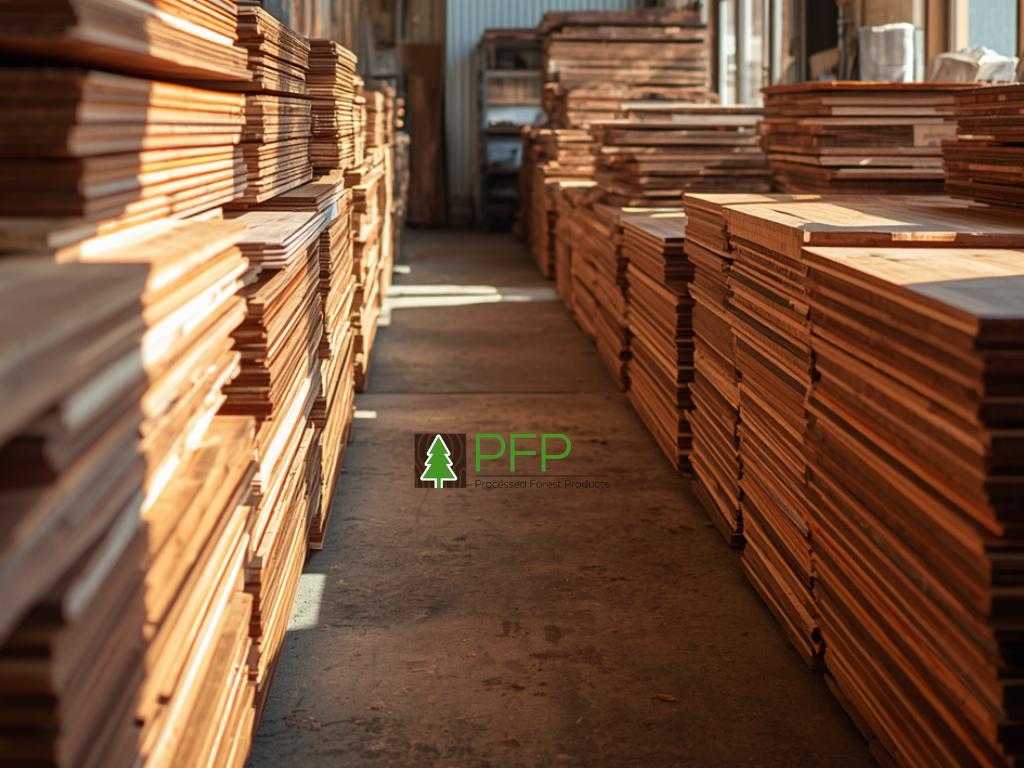
Compare technical support, samples and documentation
Suitable wood veneer suppliers should provide more than a catalogue of colours.
They should be able to discuss species, veneer cut, matching, substrate options, panel thickness, finishing and natural variation.
Ask whether samples represent current stock or only a general species example.
For a large project, a small sample may not show the full colour and grain range. Request a larger representative sample or control panel where practical.
The sample should identify the veneer, substrate, matching method and finish.
Documentation should be easy to connect with the product being offered.
Where fsc certified veneer is required, request the supplier’s certification details and the claim that will appear on the sales documents.
Ask whether the supplier provides raw leaves, flexible veneer, pressed panels, cut components or finished joinery parts.
This affects who is responsible for balancing, pressing, machining and finishing.
Technical honesty is an important trust signal. A supplier should be willing to explain natural variation, availability limits and manufacturing restrictions rather than promising perfect consistency.
Assess lead times, manufacturing and replacement options
Veneer availability can vary according to species, flitch, quantity and certification requirements.
A standard veneer may be available quickly, while a specific sequence, rare figure or certified batch may need a longer lead time.
Ask how much material is currently available and whether it is sufficient for the whole project.
Ordering part of the project first may create matching problems if later material comes from another log or production batch.
The quote should identify the veneer, cut, matching, substrate, thickness, dimensions and finish.
It should also explain whether cutting, balancing, pressing, edging, freight and packaging are included.
Replacement material should be considered before installation.
Natural veneer may change colour over time, so a new panel installed years later may not match an aged surface exactly.
Keeping approved samples, panel records and a small quantity of spare material may make future repairs easier.
The appropriate allowance depends on project size and product availability, so it should be discussed with the supplier rather than based on one standard percentage.
Design for Durability and Reduced Waste
Plan panel sizes, grain layouts and fabrication carefully
Material efficiency begins during design development.
Provide elevations and panel schedules showing grain direction, joints, openings and edge treatments.
This helps the manufacturer calculate how veneer leaves and boards can be used efficiently.
Where possible, coordinate panel dimensions with standard substrate sizes.
The design should also consider transport and installation. One very large panel may reduce visible joints but create handling difficulties, damage risk and replacement problems.
Breaking the surface into manageable panels may produce a more practical result.
Machining should be planned before the veneer is pressed or sequenced.
Late changes to handles, access panels, lighting or service openings can interrupt grain patterns and create avoidable waste.
Offcuts may be useful for samples, drawer fronts, edge details or future repairs when their sizes and grain remain suitable.
Ask the manufacturer whether smaller components can be nested into unused panel areas.
A responsible design should use material efficiently without making the finished product difficult to repair or replace.
Make maintenance and future repairs easier
A sustainable interior should remain practical after installation.
Cleaning instructions should be given to the building owner or facility manager.
Avoid abrasive products, harsh chemicals and excessive water unless the finish manufacturer specifically permits them.
Sunlight may change the colour of natural wood veneers over time. Uneven exposure can become noticeable where objects cover part of a surface for long periods.
This natural ageing should be discussed during selection rather than presented later as an unexpected defect.
High-contact areas may benefit from replaceable panels, protective edge details or finishes suited to frequent cleaning.
A damaged veneer surface does not always require replacement of the entire installation. Depending on the construction and damage, refinishing, local repair or replacement of one component may be possible.
Keeping records of the species, veneer batch, finish and supplier can help future maintenance teams identify suitable repair options.
Durability, adaptability and repair planning can be just as important as initial material efficiency.
When to Contact Forest Products
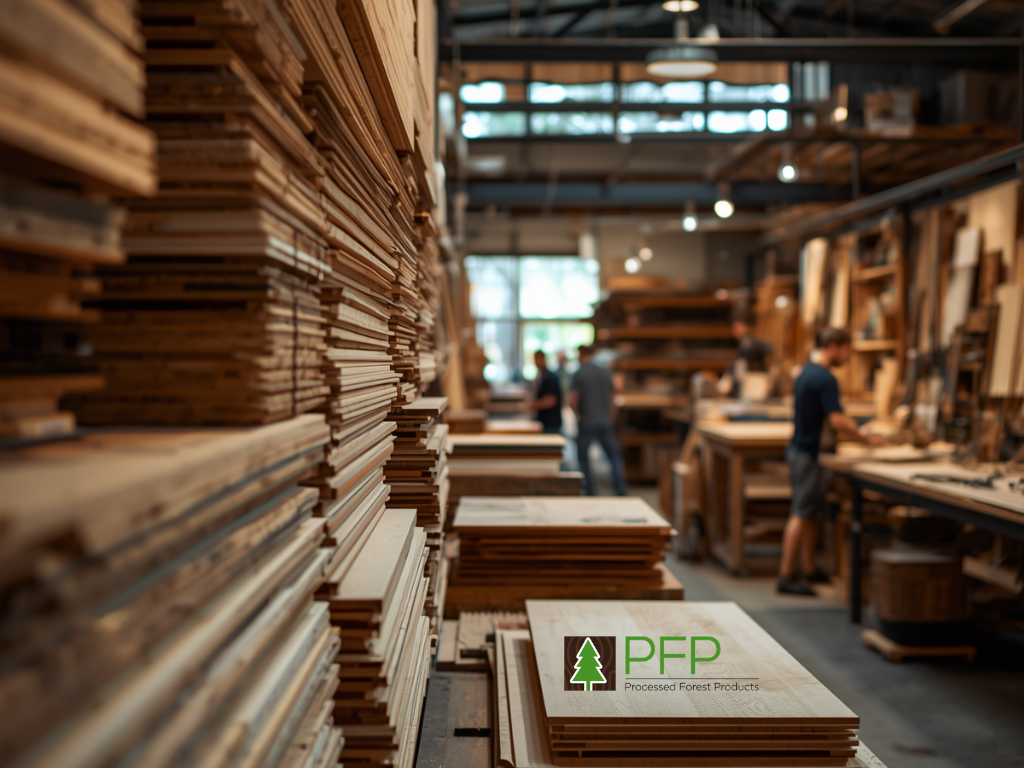
Request help comparing veneer and panel specifications
Forest Products may be contacted when architects, designers, cabinetmakers, builders or property owners need help comparing sustainable veneer options.
Before making contact, identify where the material will be used and what the surface needs to withstand.
Provide approximate panel sizes, quantities, grain direction and preferred appearance.
Explain whether certification is mandatory and which documents the project requires.
If fsc certified veneer is being considered, ask whether the exact species and quantity can be supplied with the required claim.
Share reference images to communicate colour and grain direction, but do not expect natural veneer to reproduce a photograph exactly.
Ask whether Forest Products can provide raw veneer, pressed panels, matching, cutting, edging or other manufacturing support.
Product availability, certification scope, substrate data and finish responsibilities should be confirmed for the specific order.
Prepare project information before ordering
Useful project information helps the supplier prepare a more accurate recommendation and quotation.
Provide drawings showing panel dimensions, joints, curves, openings and edge treatments.
Identify the proposed substrate, thickness and finish where these have already been chosen.
Explain which panels will be viewed together and where close grain or colour coordination is important.
For commercial interiors, include the project location, installation program and any required sustainability documentation.
Ask for a written quotation that describes the veneer, matching method, panel construction and included services.
Confirm who will complete final measurements, fabrication, finishing and installation.
Sustainable veneer should not be selected through one environmental claim alone. The strongest specification connects responsible sourcing with efficient design, suitable panel construction, durable finishing and clear supplier documentation.
