

Machinery power should be planned early in an industrial fit-out. Leaving it until equipment arrives can create problems with circuits, switchboards, cable routes and available electrical capacity.
A warehouse or factory may have several types of machinery. Conveyors, compressors, pumps, production equipment and automated systems can all have different power needs. Their locations and operating patterns also affect the electrical design.
For businesses comparing industrial fitout electrician Sydney options, the goal should be more than simply adding power points. The electrical system needs to support the machinery, the building and the way the site will operate.
In NSW, all electrical wiring work requires the appropriate electrical licence or certificate. This applies to residential, commercial and industrial work regardless of cost.
Good planning therefore starts with the machinery itself and works outward from there.
Collect accurate equipment power requirements
Before electrical work begins, gather accurate information about every major machine.
The electrician will need to understand what supply each machine requires. Manufacturer information can show its voltage, rated current, phase requirements and other relevant electrical details.
This becomes important when several machines will operate in the same area.
For example, a warehouse may have conveyors, packaging equipment and a large compressor. Each item needs an appropriate electrical connection. The combined demand also matters when planning the site.
Motor-driven equipment may also behave differently when it starts compared with normal operation. This is another reason to provide actual equipment information instead of estimating power needs.
If machinery has not yet been purchased, tell the electrical contractor what type of equipment you expect to install. The design can then allow for known requirements without pretending that unconfirmed equipment specifications are final.
Accurate information at this stage makes the rest of the commercial electrical project easier to plan.
Confirm where each machine will operate
Power planning is closely linked to machinery position.
The electrician needs to know where each machine will sit before final cable routes and connection points are planned.
Think about how staff will use the area. Machinery needs working space, maintenance access and a practical relationship with surrounding equipment.
Moving a machine after electrical installation can create extra work. Cable routes, isolation points and supporting infrastructure may no longer suit the new location.
This is why machinery layout and electrical layout should develop together.
ES4U’s current industrial fit-out service describes new site wiring and power switchboard design and installation as part of its industrial electrical work. It also positions its fit-out service around different warehouse layouts and future electrical requirements.
For electrical fit-outs for new commercial buildings, early coordination is particularly useful because the electrical system can be planned while the wider site layout is still taking shape.
Check Whether the Site Can Support the Planned Electrical Load
Adding machinery does not only affect the circuit connected to that machine.
The wider electrical system also needs enough capacity to support the planned load.
For an existing warehouse, this means reviewing the current installation before major equipment is added. The electrician can assess the relevant supply and distribution equipment as part of the project planning.
A switchboard that works well for the existing operation may not automatically suit a larger machinery load.
The same principle applies when an existing building changes use. A site previously used mainly for storage may have very different electrical needs after production equipment is installed.
This assessment should happen before the new machinery is connected.
If additional switchboard work or electrical infrastructure is recommended, ask the contractor to explain why. The proposal should connect the upgrade to an identified project requirement.
ES4U currently lists power switchboard design and installation among its industrial fit-out services.
Consider how equipment behaves during operation
Electrical planning also needs to reflect how the facility will actually run.
Not every machine operates at full demand at the same moment. On the other hand, some production processes may require several major loads to run together.
The electrician should understand that operating pattern.
For example, a production line may start several pieces of equipment in sequence. A workshop may use large machinery only at certain stages of the day. A warehouse may add automated equipment as activity increases.
Providing this information helps the contractor understand the real operating environment.
It can also help the business avoid two opposite problems. One is failing to provide enough capacity for normal operations. The other is making assumptions about future demand without enough evidence.
A good industrial fitout electrician should ask how equipment will be used, not just how many machines appear on the floor plan.
Plan Dedicated Circuits, Isolation and Machinery Connections
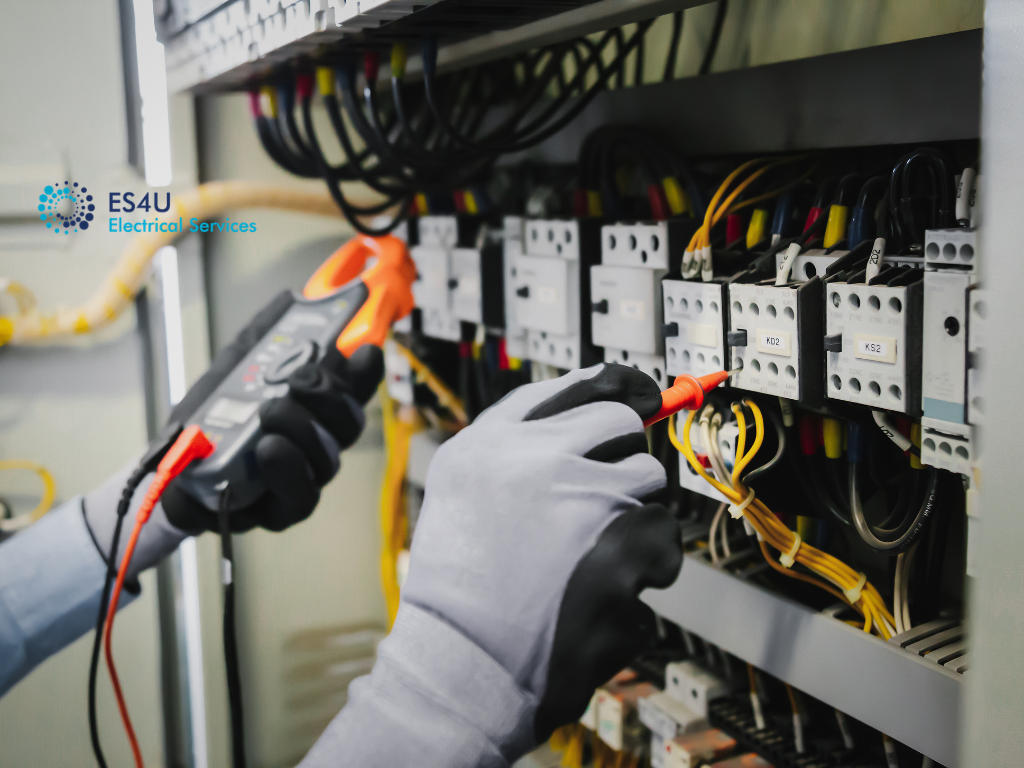
Match circuits and protection to the equipment
Industrial machinery should not be treated like ordinary office equipment.
The electrical connection needs to match the machine and the wider electrical installation.
The contractor will use the equipment requirements and site conditions when planning circuits, protection and connection methods. This work should form part of the fit-out design rather than becoming a last-minute addition.
Machinery supplied from the wrong location can also create practical problems.
Long or poorly planned routes can interfere with the layout. Connection points in inconvenient positions can make equipment installation harder.
Planning before construction begins gives the electrician more options.
This is also useful when machinery suppliers have their own installation requirements. Share those documents with the electrical contractor early.
The electrical team and equipment installer can then work from the same information.
Make isolation practical for maintenance
Machines will eventually need inspection, repair or maintenance.
The electrical design should therefore consider how the equipment can be isolated when work is required.
SafeWork NSW states that electrical work must not be carried out on energised electrical equipment except under the limited circumstances allowed by regulation. It also requires controls to prevent de-energised equipment from being accidentally re-energised while electrical work takes place.
SafeWork NSW also describes isolation and Lock Out Tag Out procedures for plant maintenance, repair, installation and cleaning.
This does not mean facility staff should design or modify electrical isolation systems themselves.
Instead, raise maintenance access with the electrician during the fit-out.
Ask where machinery isolation will be located and how the planned arrangement supports safe servicing.
Thinking about maintenance during installation can make later work more practical.
Coordinate Machinery Power With the Wider Industrial Fit-Out
Machinery is only one part of an industrial electrical system.
A warehouse may also need lighting, emergency lighting, switchboards, general power and other electrical services. The exact requirements depend on how the building will be used.
These systems should be planned together.
ES4U’s current industrial fit-out service includes new site wiring, power switchboard design and installation, energy-saving solutions, fault finding, and fire detector and emergency light installation.
That broader approach matters because one part of the electrical installation can affect another.
For example, new machinery may change how much power the site needs. A changed warehouse layout may also affect lighting positions and maintenance access.
Treating every service as a separate job can make coordination harder.
A commercial and industrial electrician should understand the full project scope before major installation decisions are made.
Coordinate electrical work with equipment installers and other trades
Industrial fit-outs usually involve more than one trade.
Machinery installers, builders and other contractors may all need access to the same areas. Without coordination, one service can end up obstructing another.
Electrical planning should therefore be tied to the wider construction and installation schedule.
Confirm machinery locations before permanent electrical points are installed where possible.
Also discuss when each machine will arrive. The electrician may need to complete part of the infrastructure before the equipment reaches the site.
ES4U’s current industrial fit-out content also notes that industrial electrical teams may need to work alongside other trades during new warehouse and plant projects.
Clear coordination can reduce avoidable rework.
It also gives the project team a better chance of identifying conflicts before they become expensive changes on site.
Allow for Maintenance, Changes and Future Machinery
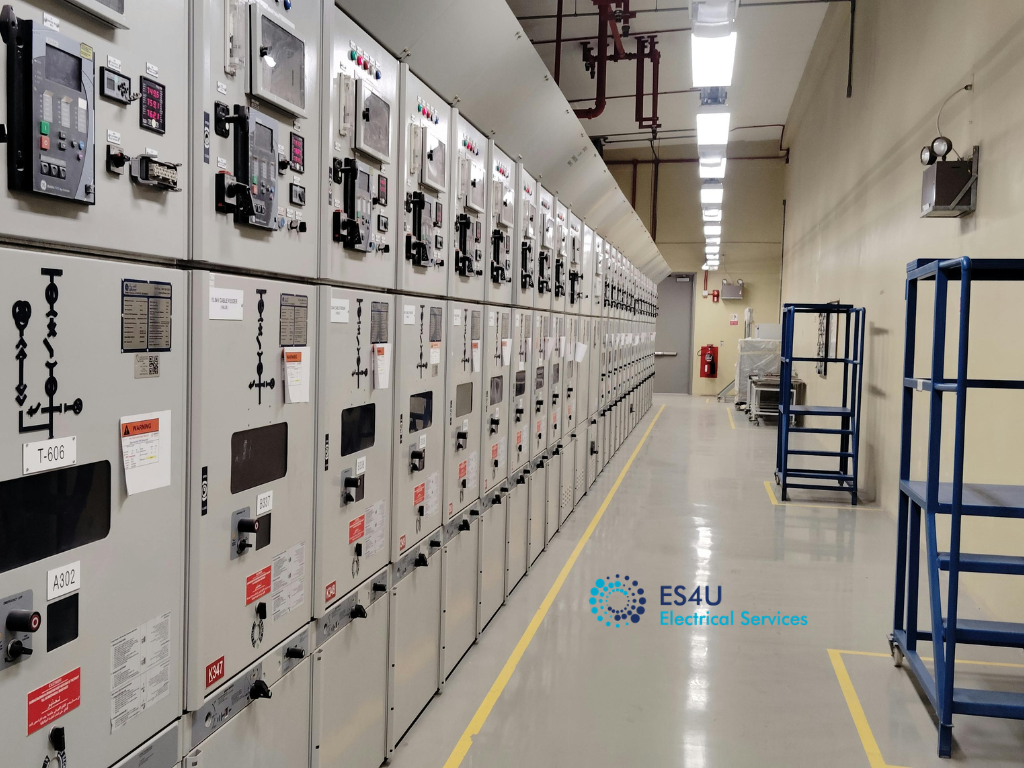
Avoid designing only for today’s production layout
Industrial facilities can change over time.
A business may add machinery, rearrange a production line or expand into another area of the warehouse.
This does not mean every fit-out should be oversized for unknown future equipment. It does mean known expansion plans should be discussed before the electrical design is finalised.
Tell the contractor about equipment that the business reasonably expects to add.
If a second production line is already planned, that information is relevant. The same applies to known automation projects or another machine that has already been approved.
ES4U currently describes its industrial fit-out work as considering future electrical requirements and different warehouse layouts.
Good planning is based on realistic future needs rather than vague predictions.
That distinction helps control project scope while reducing the chance that a near-term expansion requires unnecessary rework.
Make future servicing easier
Maintenance access should also influence the fit-out.
A facility electrician may later need to inspect a circuit, trace a fault or service equipment. Clear identification and accessible electrical infrastructure can make that work easier.
Maintenance planning is especially relevant in busy warehouses where production cannot stop every time a small electrical issue appears.
Businesses researching warehouse electrical maintenance sydney services should therefore think about maintenance before the fit-out is finished.
The electrical contractor can explain how the proposed installation will be accessed and maintained.
ES4U’s industrial maintenance information includes the installation, inspection and repair of electrical equipment such as heavy machinery, control systems and lighting.
Planning for service access does not guarantee that equipment will never fail.
It simply makes maintenance part of the design discussion instead of an afterthought.
Choose the Right Electrical Fit-Out Service and Contractor
An industrial machinery fit-out requires more than a basic wiring quote.
When comparing an industrial fitout electrician, look at whether the contractor understands machinery power, switchboards, industrial maintenance and fault finding.
Licensing is another essential check.
NSW Government guidance states that electrical wiring work requires an electrical licence or certificate. The requirement applies to commercial and industrial work regardless of the job value.
Price still matters, but compare the scope behind each figure.
One quotation may include switchboard work, machinery circuits and testing. Another may cover only part of the installation.
Ask what information the contractor used to prepare the quote.
A contractor who has not received machinery specifications may need to make assumptions. Those assumptions should be identified before work begins.
Make sure the proposal explains the complete scope
A useful fit-out proposal should make it clear what the contractor plans to provide.
Check whether machinery connections, switchboard changes, cabling, testing and other agreed electrical work appear in the scope.
Also look for exclusions.
For example, the machinery supplier may handle part of the equipment connection while the electrical contractor supplies power to an agreed point. The project team should understand that boundary before installation starts.
ES4U currently provides industrial fit-out and industrial electrical services in Sydney. Its published service range includes new site wiring, switchboards, electrical fault finding and other industrial electrical solutions.
This makes ES4U relevant when a business needs an industrial electrical contractor for a warehouse or similar industrial fit-out.
However, the right scope should still come from the actual building, machinery and project requirements.
Do not choose commercial electrical solutions simply because they appear in a standard package. Ask what the site genuinely needs.
Know When to Contact ES4U

Involve an electrician before machinery positions are final
The best time to discuss machinery power is before the layout becomes difficult to change.
Contacting an electrical contractor early allows the team to review equipment requirements and proposed locations.
It also creates time to identify possible switchboard or supply issues before machinery arrives.
For a new warehouse, involve the electrician while the wider fit-out is being planned.
For an existing site, contact the contractor before new machinery is ordered or installed where possible. Provide equipment details and information about the current electrical system.
ES4U offers industrial fit-out services in Sydney and currently lists planning, new site wiring, switchboard work and electrical fault finding within its service offering.
Early discussion does not mean every design choice has to be final.
It means electrical requirements can influence the layout before costly installation work begins.
Confirm testing and compliance before handover
Project completion should include more than switching the machinery on.
The relevant electrical work needs to be tested and completed in line with NSW requirements.
NSW Government guidance states that electrical wiring work must be done by, or under the supervision of, a licensed electrician. It also requires electricians to submit a Certificate of Compliance for Electrical Work to show that the work has been tested and meets relevant requirements.
Ask the contractor what testing and compliance documentation applies to your project.
The handover is also a good time to confirm which circuits and equipment have been completed and whether any work remains outstanding.
Machinery power planning works best when it starts with accurate equipment information.
Confirm the machines, understand their power needs and establish where they will operate. Then review site capacity, switchboards, circuits, isolation and future requirements.
For Sydney businesses, involving a qualified industrial electrician early can make those decisions easier to coordinate.
The result should be an electrical fit-out that supports the machinery you actually intend to use while leaving clear information for maintenance, compliance and future changes.
