

Commercial buildings rely on electrical systems for lighting, communications, security, equipment, heating, cooling and everyday business operations. When those systems no longer suit the building or the way it is being used, even a small electrical issue can affect staff, customers and normal work.
Older commercial premises may have been designed for fewer computers, appliances and specialised systems. Newer buildings can also develop problems when tenancy layouts change, additional equipment is installed or electrical work is completed without considering the overall demand.
Commercial electrical services Sydney businesses arrange should therefore address more than one isolated outlet or light fitting. The electrician may need to consider the switchboard, connected loads, circuit arrangement, emergency systems, future expansion and the effect of any shutdown on the business.
A clear plan helps the business decide whether it needs maintenance, fault investigation, a commercial electrical service upgrade or a larger project. It also makes quotations easier to compare because each contractor is responding to the same practical requirements.
How commercial electrical work differs from residential work
Commercial electrical systems are often larger and more complex than those found in ordinary homes. A commercial property may contain several distribution boards, three-phase equipment, emergency lighting, data systems, mechanical services and circuits serving different tenancy areas.
The building may also operate for longer hours and support many people at the same time. Electrical work may need to be completed outside normal trading hours or staged so that only part of the premises is affected.
A commercial electrician must consider how the site is used. An office, school, retail store, medical practice, warehouse and hospitality venue may all have different electrical priorities.
For example, a retail business may need lighting and point-of-sale systems to remain operational, while a medical facility may have equipment that should not be disconnected without careful planning. A warehouse may need power for loading equipment, charging stations and high-level lighting.
Commercial electrical solutions should therefore be based on the building, connected equipment and operating schedule rather than a standard package applied to every site.
Any work must also comply with the current requirements that apply to the installation and project. The electrician should be appropriately licensed, and technical or regulatory claims should be confirmed against current NSW and Australian requirements.
The types of buildings and systems that may require support
Commercial electrician services may be required in offices, shops, schools, childcare centres, medical facilities, warehouses, restaurants, strata buildings and mixed-use developments.
The work may involve lighting, power outlets, switchboards, data cabling, emergency systems, equipment connections, safety switches, fault finding and electrical infrastructure for a fitout.
Some sites need ongoing support from an electrician who becomes familiar with the property. This can be useful when a facility contains several boards, repeated tenancy changes or equipment that requires planned isolation.
The building environment also affects the work. Electrical equipment installed in a clean office may not be suitable for a dusty warehouse, a commercial kitchen or an area exposed to moisture.
A proper assessment should identify which systems are critical to the business. Losing power to a general storage room may have a different consequence from losing power to refrigeration, security or communications equipment.
The contractor should know which areas can be isolated, which services must remain available and whether temporary arrangements are needed while the work is completed.
Recognising When an Electrical System Needs Attention
Repeated circuit trips can indicate an overloaded circuit, faulty equipment, damaged wiring or another electrical condition that requires investigation.
Resetting a protective device without identifying the cause may allow the same problem to return. Staff should report repeated trips rather than treating them as a normal part of operating the building.
Other warning signs may include burning smells, buzzing sounds, warm outlets, discoloured switches, damaged plugs and flickering lights.
A switchboard that is difficult to access, poorly labelled or visibly damaged should also be assessed. Missing or unclear circuit information can make future fault finding slower and more difficult.
Water near electrical fittings requires prompt attention. Roof leaks, plumbing problems, cleaning activities and condensation can all affect outlets, lights and other equipment.
Loose power points, exposed cables and temporary leads running through work areas may create practical and safety concerns. Extension leads should not become a permanent substitute for properly planned outlets.
Where there is smoke, fire, exposed live equipment or an immediate risk to people, the business should follow its emergency procedures and contact the appropriate emergency service before arranging routine electrical work.
Why recurring faults require proper investigation
A fault that repeatedly affects the same circuit, light or piece of equipment is unlikely to be several unrelated events.
The problem may involve the equipment itself, an electrical connection, the cable, a protective device or the way the circuit is being used.
Businesses should record when the fault occurs, what equipment is operating and whether the problem appears during startup, heavy use, wet weather or high temperatures.
Recent changes should also be mentioned. A new appliance, additional workstation, altered tenancy layout or equipment replacement may have changed the electrical demand.
A commercial electrician may need to inspect the circuit, test the equipment and review the load before recommending a repair.
Temporary work should be clearly identified as temporary. The business needs to know what permanent action remains and whether any operating restrictions apply.
Repeated electrical faults should not be addressed by unqualified staff. Undocumented changes may create additional risks and make later investigation more difficult.
Planning a Commercial Electrical Service Upgrade
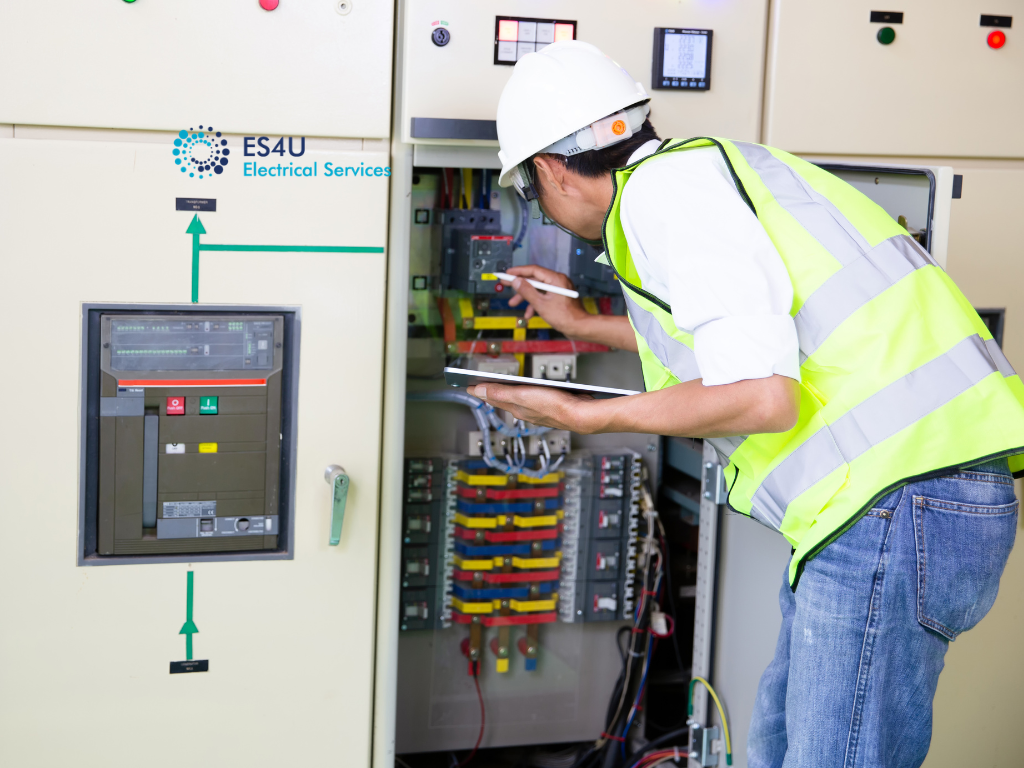
Reviewing capacity, equipment and future requirements
A commercial electrical service upgrade may be needed when the existing system cannot reliably support the building’s present or planned use.
The first step is to identify the equipment that will be connected. Specifications may include supply type, operating current, starting demand and isolation requirements.
The electrician should also assess the existing switchboard, incoming supply and circuit arrangement. Available physical space in a switchboard does not automatically mean that sufficient electrical capacity is available.
An upgrade may involve new circuits, distribution boards, switchboard changes, cable routes, lighting, outlets or provisions for future equipment.
The business should explain any expected growth. Additional workstations, kitchen equipment, air conditioning, electric vehicle charging or specialised machinery may affect the design.
Future planning should remain practical. Adding reasonable spare capacity may reduce the need to reopen completed areas later, but unnecessary oversizing can add cost without clear value.
The contractor should explain what is needed now, what may be useful for future expansion and which assumptions have been used.
Coordinating electrical work with business operations
Electrical upgrades can affect normal work, so the business and contractor should discuss timing before installation begins.
Some work may be completed while the site remains open. Other tasks may require a partial or complete shutdown.
Critical systems should be identified early. These may include servers, refrigeration, alarms, medical equipment, communications and essential lighting.
A staged approach may allow work to move through the building one area at a time. This can reduce disruption, although it may increase the number of visits or temporary arrangements required.
Builders, data technicians, fire-service contractors and mechanical trades may also be involved in a larger commercial electrical project. Their schedules should be coordinated so that cable routes, walls and ceilings are completed in the correct order.
The project plan should identify who authorises shutdowns, who informs staff or tenants and who is responsible for temporary power where it is required.
Clear coordination helps prevent assumptions and reduces the chance of completed work needing to be moved or changed later.
Building a Practical Maintenance Program
What commercial electrical maintenance may include
Commercial electrical maintenance should reflect the site rather than follow one checklist for every building.
The program may include visual inspections, switchboard checks, lighting maintenance, review of damaged outlets, fault investigation and attention to equipment exposed to heat, moisture, dust or impact.
Emergency and exit lighting may have specific testing and documentation requirements. Other systems may also need inspection according to applicable regulations, standards or manufacturer instructions.
High-use areas may require more attention than storage spaces or rooms used only occasionally.
Planned maintenance can be coordinated with scheduled closures, public holidays or quieter operating periods. This may allow several tasks to be completed during one planned interruption.
The scope should distinguish between inspection, testing, repair and replacement. A visual inspection should not be presented as a complete test of the whole electrical installation.
The electrician should explain any limitations. Some parts of the system may require isolation before they can be inspected properly.
Commercial electrical system maintenance is most useful when identified defects are prioritised and followed through rather than recorded and forgotten.
How records and circuit information support future work
Accurate records can reduce confusion during faults, upgrades and tenancy changes.
Switchboards and isolators should be labelled clearly enough for authorised staff and electricians to identify the relevant circuits.
Old labels may no longer reflect the current layout after renovations or equipment changes. These should be reviewed when substantial work is completed.
Circuit schedules and drawings should also be updated where appropriate. An outdated plan can be misleading if it does not show later additions or alterations.
Maintenance reports should identify what was inspected, what defects were found and what action is recommended.
Photographs can help document damaged equipment, access limitations and completed repairs. They are especially useful when the work is located above ceilings or in areas that are difficult to view.
The business should retain quotations, invoices, test records, equipment manuals and information about previous faults.
These records do not replace future inspection, but they give the electrician useful context and help prevent the same investigation from being repeated unnecessarily.
Choosing the Right Commercial Electrical Service
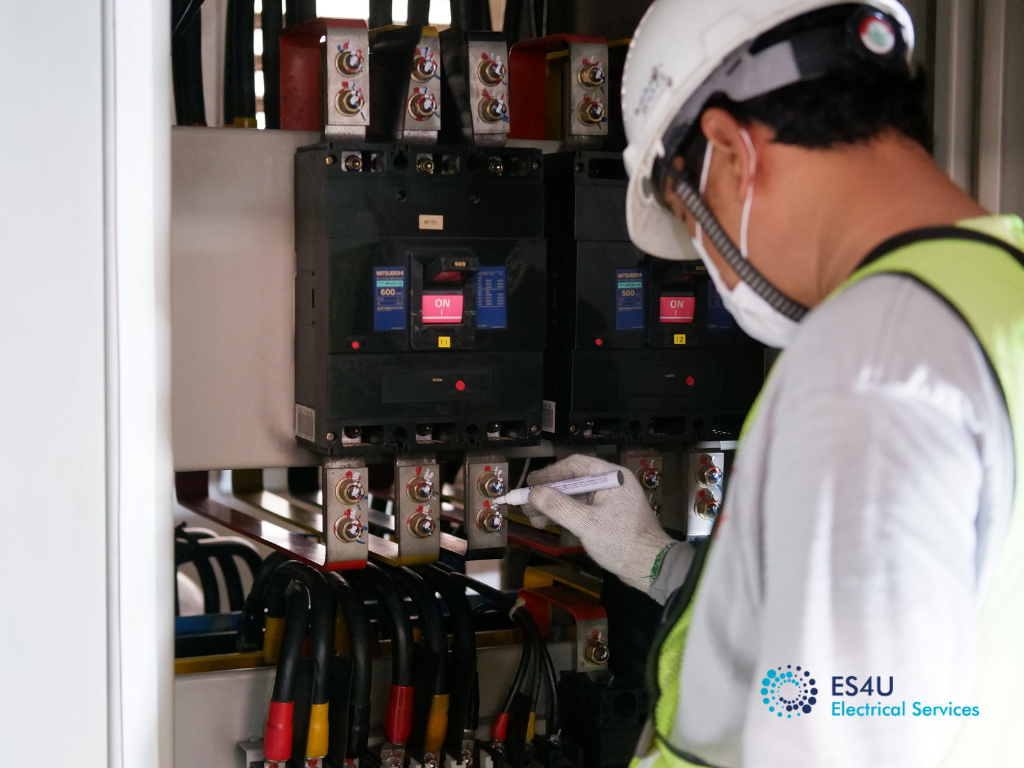
Comparing quotations, experience and project scope
A commercial electrical quotation should explain what work will be completed, which materials are included and what has been excluded.
Broad wording such as “complete electrical works” does not provide enough detail for a meaningful comparison.
The quote should identify labour, equipment, testing, shutdowns, access requirements and waste removal where relevant.
Ask whether the contractor has inspected the property. Photographs and plans may support an early estimate, but some projects require a site visit before a reliable scope can be prepared.
Experience should be relevant to the building and project. A contractor who regularly completes office lighting may not necessarily have experience with complex commercial kitchens or high-level warehouse systems.
When comparing commercial electrical services, review the method rather than looking only at the total price. One quotation may include testing, labelling and documentation that another has excluded.
The business should also understand how variations will be handled if existing conditions differ from the plans or hidden damage is discovered.
Claims that work will eliminate every future fault, remove all downtime or guarantee savings should be supported by evidence.
Checking credentials, insurance and completion documentation
The business should confirm the legal entity providing the quotation and completing the work.
Appropriate licensing and contracting arrangements must be in place for electrical work in NSW. Current requirements should be confirmed before a substantial commercial electrical project begins.
Insurance details should also be requested where appropriate to the project and site requirements.
A professional website or branded vehicle does not replace the need to verify the contractor responsible for the work.
Communication should remain clear throughout the project. The contractor should explain technical findings in practical language and identify any information still needed.
The business should ask what documentation will be supplied at completion. This may include updated schedules, test results, product information or other records relevant to the work.
For larger projects, confirm who will be the main contact and how progress, shutdowns and variations will be communicated.
A good provider should be willing to explain both what is included and what falls outside the proposed scope.
Managing a Commercial Electrical Project
Access should be discussed before the project begins.
The electrician may need entry to switch rooms, ceiling spaces, tenancies, loading areas or restricted parts of the site.
Some work may require elevated access equipment. The quotation should state whether this is included and who is responsible for providing clear access.
Shutdown timing should be agreed in advance. Staff, tenants and affected contractors may need notice before power is isolated.
Temporary arrangements should also be discussed. The contractor should explain which services can remain available and which cannot be supported safely during the work.
Staging can be useful in occupied buildings. One floor, tenancy or section may be completed before work moves to another area.
The business should nominate a person who can approve access, shutdowns and project decisions.
A written schedule helps everyone understand when areas will be unavailable and what preparation is required.
Handling variations and unexpected electrical conditions
Commercial buildings do not always match the available plans.
A contractor may discover undocumented circuits, damaged cables, limited switchboard capacity or electrical work from earlier renovations.
These conditions can change the project scope. The electrician should explain what has been found and why additional work is recommended.
Substantial changes should be documented through a written variation before work proceeds, except where immediate action is required to remove a serious danger.
The variation should describe the extra work, cost and effect on the schedule.
Photographs and test information can help the business understand why the original scope needs to change.
The business should avoid approving unclear verbal additions that may later be difficult to reconcile with the final invoice.
A well-managed commercial electrical project accepts that unexpected conditions may arise while still requiring transparent communication and approval.
When to Contact ES4U
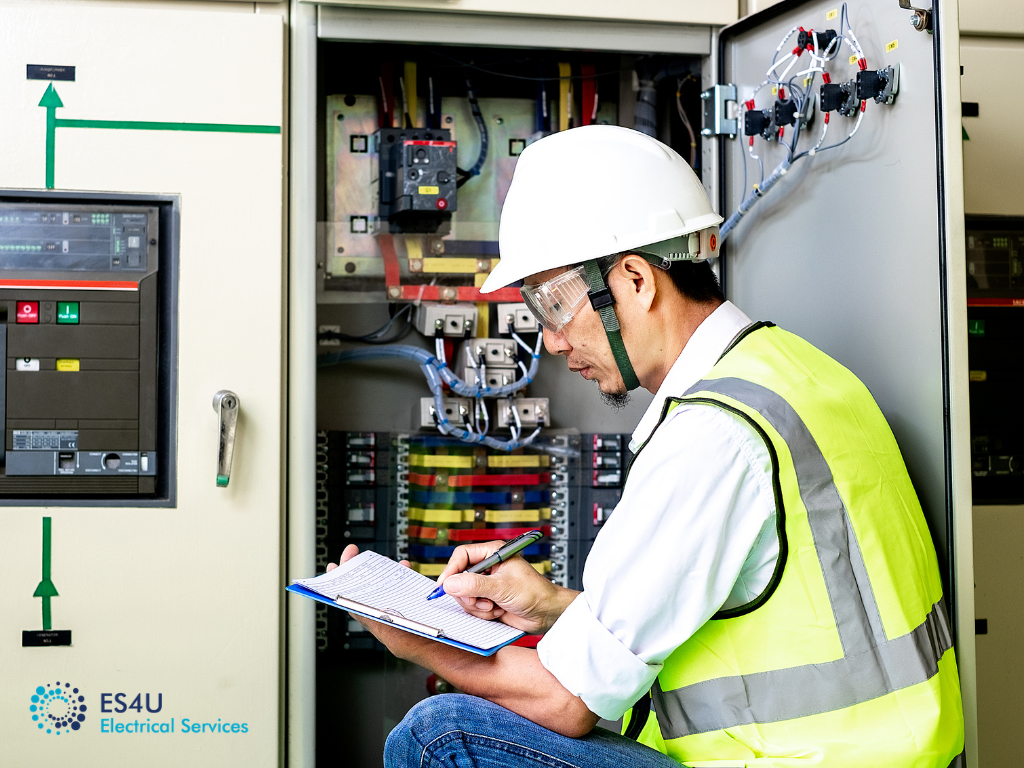
Requesting support for maintenance, upgrades and faults
ES4U may be contacted when a Sydney commercial property needs electrical maintenance, fault investigation, a fitout or an electrical system upgrade.
Before making contact, identify the type of building, affected area and whether the matter is urgent.
Explain whether the fault is intermittent, whether a circuit is repeatedly tripping and whether any part of the business has stopped operating.
For an upgrade, provide information about the new equipment, expected installation date and any available electrical specifications.
For commercial electrical maintenance, explain the building’s operating hours, known defects and whether previous reports or circuit schedules are available.
ES4U can then discuss whether the next step should be a site inspection, quotation, planned shutdown or urgent attendance.
Where there is smoke, fire, exposed live equipment or immediate danger, follow the site emergency procedure and contact emergency services before arranging routine electrical work.
Preparing useful information before arranging an inspection
Useful information allows the electrician to prepare for the site visit.
Provide the property address, site contact, access requirements and any induction or security procedures.
Explain when the issue began, which areas are affected and whether the problem followed a renovation, equipment installation or weather event.
Photographs of visible damage, equipment nameplates and switchboard labels may be helpful when they can be taken safely. Do not open switchboards or restricted electrical equipment to obtain photographs.
For a planned commercial electrical service upgrade, provide drawings, equipment schedules and project dates where available.
For maintenance, supply previous reports and a list of known issues.
The electrician may still need further details after inspecting the property. Commercial systems can be complex, and a responsible provider should avoid making a final recommendation without enough information.
Commercial electrical services Sydney businesses arrange are most effective when the building, operations and future needs are considered together. Clear scopes, accurate records, planned access and transparent communication provide a stronger foundation for safe and practical electrical work.
