

A leaking or damaged roof can quickly disrupt a home, particularly when water is actively entering during heavy rain. The immediate concern is not simply the visible stain on the ceiling. Water may spread through insulation, plasterboard, timber and electrical areas before the full extent of the problem becomes clear.
Sydney homes can be affected by intense rain, strong wind, hail and falling branches. Recent severe weather events across New South Wales have resulted in damaged roofs, power interruptions and thousands of requests for emergency assistance, showing why homeowners need a clear plan when sudden damage occurs.
Emergency roof repair sydney services are intended to respond to urgent problems such as active leaks, displaced roof materials and storm damage. The first visit may involve temporary work to reduce immediate water entry. A permanent repair may then be completed after the weather improves and the roof can be inspected safely.
Knowing what to do before the roofer arrives can protect occupants, reduce avoidable damage and make the later inspection more useful.
Warning signs that require immediate attention
A roofing problem should be treated urgently when water is actively entering the building, roof materials have moved or part of the ceiling appears unstable.
Water dripping through a ceiling light, power point or electrical fitting requires particular care. Occupants should stay away from the affected area and avoid touching wet electrical equipment. Power should only be isolated when this can be done safely.
A ceiling that is sagging, bulging or holding water may be at risk of collapsing. Do not stand beneath it or attempt to release the water without professional guidance. Move people, pets and valuable items away from the room.
Other urgent warning signs include missing tiles, lifted metal sheets, damaged flashing, a fallen tree or branch, loose gutters and visible openings in the roof. Wind can also leave roofing materials partly attached, creating a danger to people below.
Water may enter only during certain wind directions or periods of intense rain. Even when the leak stops after the storm passes, the problem should still be investigated because the opening may remain.
A small stain does not always mean the damage is minor. Water can travel along framing or beneath roofing materials before appearing inside the home.
Knowing when to call emergency services before a roofer
A roofer is not the first contact when there is an immediate danger to life, serious structural damage, fallen power lines, fire or rapidly rising floodwater.
Emergency services should be contacted when the property is unsafe to occupy or when fallen trees, electrical hazards or major structural failure create an immediate risk.
The NSW State Emergency Service responds to storm and flood incidents and supports communities during severe weather. During major events, crews may assist with urgent storm damage, temporary protection and other emergency tasks.
If local authorities issue evacuation or severe weather instructions, follow those directions rather than remaining in the property to protect belongings.
Once the immediate danger has been controlled, a roofing contractor can assess the damaged area and explain whether temporary or permanent work is required.
Homeowners should also be realistic about response times during widespread storms. Roofing contractors and emergency crews may receive many requests at once, so the most dangerous situations are usually prioritised.
When contacting a contractor, clearly explain whether water is entering, whether roof materials have moved and whether electrical fittings or ceilings are affected. Accurate information helps the provider understand the urgency.
Protecting People and Property Before Help Arrives
The safest first step is to move people and belongings away from the affected area. Furniture, electronics, rugs and other movable items can be relocated to a dry room when it is safe to do so.
Containers may be placed beneath a steady drip if the ceiling remains stable and there are no electrical hazards nearby. Towels or protective coverings may help limit water spreading across floors.
Do not place heavy containers on unstable surfaces. Water can accumulate quickly, so containers should be checked regularly without standing beneath damaged ceiling material.
If water is entering near a light fitting, switchboard or electrical appliance, keep clear and seek urgent advice. Do not touch the fitting, surrounding ceiling or pooled water.
Take photographs and short videos of visible damage when this can be done safely. Record ceiling stains, wet floors, damaged belongings and visible roof materials from ground level.
Written notes can also help. Record when the leak began, which rooms are affected, whether it becomes worse during wind and whether the roof was previously repaired.
This information may assist the roofing contractor and insurer. General post-storm guidance also recommends documenting damage and contacting the insurer promptly while avoiding unsafe areas.
What homeowners should avoid doing themselves
Do not climb onto a wet, damaged or wind-affected roof. Roofing materials may be slippery, loose or unable to support weight safely.
A ladder should not be used during strong wind, lightning or heavy rain. Placing a ladder on wet or uneven ground creates additional risk.
Avoid applying sealant from inside the roof space without identifying the cause. Water may be entering somewhere else, and sealing the visible drip point may trap moisture or redirect it.
Do not enter a ceiling space when electrical wiring may be wet. Roof cavities can also contain unstable insulation, limited walking surfaces and hidden hazards.
Temporary tarpaulins are sometimes used after storm damage, but installing one safely requires suitable access, anchoring and fall protection. A poorly secured sheet can detach, create additional damage or become dangerous in strong wind.
Do not assume that a leak has resolved because the rain stopped. Roofing faults can remain open and allow further water entry during the next weather event.
It is also unwise to approve major repair work from an unknown person who arrives unexpectedly after a storm and applies pressure for immediate payment. Ask for clear business and contractor details before agreeing to non-emergency work.
Understanding How Emergency Roof Repairs Work

The purpose of temporary make-safe work
Emergency roof work often begins with a make-safe service. The goal is to reduce immediate risk and limit further water entry until permanent repairs can be completed.
Depending on the damage and weather, temporary work may involve securing loose materials, covering an opening, clearing a blocked drainage point or applying short-term protection to an accessible area.
A make-safe repair is not necessarily the final solution. Its purpose is to protect the property during unsafe weather, while replacement materials are organised or while an insurance assessment takes place.
The contractor should explain what was completed and whether the work is temporary. Homeowners should also ask what conditions could cause the temporary protection to fail.
Temporary coverings require monitoring, particularly if more wind or rain is expected. Severe storms can damage or dislodge temporary protection, which is why follow-up inspection remains important.
After widespread hail or storm damage, temporary roof coverings may remain in place while permanent materials and qualified trades become available. Recent Australian storm recovery has shown that make-safe work and permanent repairs can occur at different stages.
The invoice or service report should distinguish temporary protection from permanent roofing repairs. This helps avoid confusion about what further work is required.
How permanent roof repairs are planned
Permanent work begins with identifying the source, extent and cause of the damage. This assessment may not be possible during heavy rain or dangerous wind.
Once conditions are safe, the roofer may inspect the external roof surface, gutters, valleys, flashings, roof penetrations and accessible ceiling areas.
The recommended work should address the cause rather than only the visible symptom. For example, replacing damaged flashing may provide a more suitable result than repeatedly applying sealant around the leak.
A permanent roof repair sydney service may involve replacing broken tiles, securing metal sheets, renewing flashing, repairing ridge work, correcting roof penetrations or resolving drainage problems.
The contractor should explain whether water has affected the underlay, battens, insulation or internal ceiling. These items may require additional work that is separate from the external roof repair.
Some repairs require matching existing tile profiles or metal products. Availability can affect the timing and method used.
The homeowner should receive a written scope describing the proposed work, materials, exclusions and any areas that could not be fully inspected.
Identifying the Cause and Extent of the Damage
Storm damage is one cause of urgent leaks, but it is not the only one. A roof may begin leaking when heavy weather exposes an existing weakness.
Cracked or displaced tiles can allow water beneath the roof covering. On metal roofs, loose fixings, damaged sheets or failed seals may provide an entry point.
Flashing around walls, chimneys, skylights and roof penetrations is another common area requiring inspection. When flashing lifts, corrodes or separates, water can pass beneath surrounding materials.
Blocked gutters and valleys may cause water to overflow or back up beneath the roof edge. Leaves, branches and storm debris can restrict drainage quickly.
Roof penetrations created for vents, aerials, solar panels or exhaust systems need suitable weatherproofing. Later changes made by another trade may affect the original sealing.
Ridge capping, mortar and flexible pointing can also deteriorate or become damaged. The correct repair depends on the roof material and the condition of the surrounding area.
Regular roof maintenance in Sydney can help identify some of these problems before they result in urgent internal leaks.
Why the visible leak may not reveal the entry point
The point where water appears inside is not always directly below the roof defect.
Water can travel along rafters, battens, pipes or the underside of roofing materials. It may then drip into the ceiling several metres from where it entered.
Wind-driven rain can also move beneath overlapping materials in a direction that ordinary rainfall does not. This is why some leaks occur only during a particular type of storm.
Roof insulation may absorb water before the ceiling stain becomes visible. By the time the occupant notices the problem, moisture may have spread across a larger area.
A contractor may use visual inspection, controlled testing or moisture information to narrow down the source. Testing should only be completed when it can be done without causing additional damage.
Photographs of the stain and details about the weather can help. Note whether the leak happens during light rain, prolonged rain, strong wind or only after gutters begin overflowing.
A reliable repair should be based on evidence from the roof and building, not only on the position of the internal stain.
Choosing the Right Roof Repair Service

Comparing urgent repairs, maintenance and restoration
The correct service depends on the urgency and overall condition of the roof.
Emergency roof repair is appropriate when immediate action is needed to reduce active water entry or secure dangerous materials. The first visit may focus on safety and temporary protection.
Standard roof repairs Sydney property owners arrange are more suitable when the damage is localised and conditions allow a complete inspection and permanent repair.
Roof maintenance in Sydney focuses on identifying and correcting smaller problems before they develop. This may include checking flashing, clearing drainage, replacing isolated damaged materials and reviewing roof penetrations.
Roof restoration in Sydney is a broader service that may involve cleaning, repairs, ridge work and a coating system, depending on the roof type and condition. Restoration is not suitable for every roof, and it should not be recommended when the structure or materials require replacement.
A restoration should also not be presented as the automatic solution to one emergency leak. The cause of the leak must first be identified.
When searching for roof repair near me sydney, look beyond the provider’s location. Compare whether the company offers the service required and whether it can explain the difference between temporary, permanent and broader roofing work.
Checking quotes, contractor details and repair scopes
A written quote should describe the affected area and proposed repair. A short statement such as “fix roof leak” does not clearly explain the work.
Ask whether the contractor has inspected the roof or whether the price is only an initial estimate based on photographs.
The quote should explain materials, labour, access requirements, waste removal and major exclusions. It should also state whether internal ceiling or water damage is included.
Confirm the legal business providing the work and check the relevant contractor information for the proposed service. Licensing and regulatory requirements can depend on the type and value of the work, so current NSW requirements should be checked before accepting a substantial contract.
Ask about insurance and workmanship terms. Material warranties may be separate and may depend on correct installation and maintenance.
Be cautious of guaranteed claims about permanently stopping every leak without a proper inspection. Hidden defects or multiple entry points may affect the outcome.
Photographs before and after repair can provide a useful record, particularly when the roof cannot be viewed safely from the ground.
Understanding Costs, Insurance and Next Steps
There is no single roof leak repair cost that applies to every Sydney property. The price depends on the type of roof, access, damage, materials and urgency.
After-hours or urgent attendance may be priced differently from a scheduled inspection. Temporary make-safe work and permanent repair may also be quoted separately.
A steep, high or difficult-to-access roof may require additional safety equipment. Solar panels, skylights and nearby structures can also affect access.
The cost may be lower when the problem involves one accessible broken tile. It may be higher when flashing, multiple roof sections, underlay or timber have been affected.
Matching older materials can add difficulty. If the original tile profile or metal finish is no longer readily available, the contractor may need to discuss alternatives.
Internal damage is usually a separate consideration. Plasterboard, insulation, paint and electrical work may require other trades.
Any advertised fixed price should be checked carefully because it may apply only to attendance or a limited type of repair.
Documenting damage and managing additional work
Photographs and written notes should be kept from the time damage is discovered. This includes internal water entry, damaged belongings and visible external damage photographed from a safe position.
Contact the insurer promptly when storm damage may be covered. Ask whether emergency make-safe work can proceed and whether approval is required before permanent repairs.
Keep invoices, reports, quotes and correspondence. Record the dates of calls and the names of people involved.
Unexpected damage may become visible after roof materials are removed. For example, battens, underlay or timber may have been affected by long-term water entry.
The contractor should explain these findings and provide a written variation before undertaking substantial extra work. Photographs can help the homeowner understand why the scope has changed.
Do not assume that the insurer, emergency service and roofing contractor perform the same role. Emergency services focus on immediate safety, insurers assess policy coverage and roofing contractors perform the agreed roof work.
Clear records make it easier to coordinate these parties and understand which work has been approved.
When to Contact APT Roofing
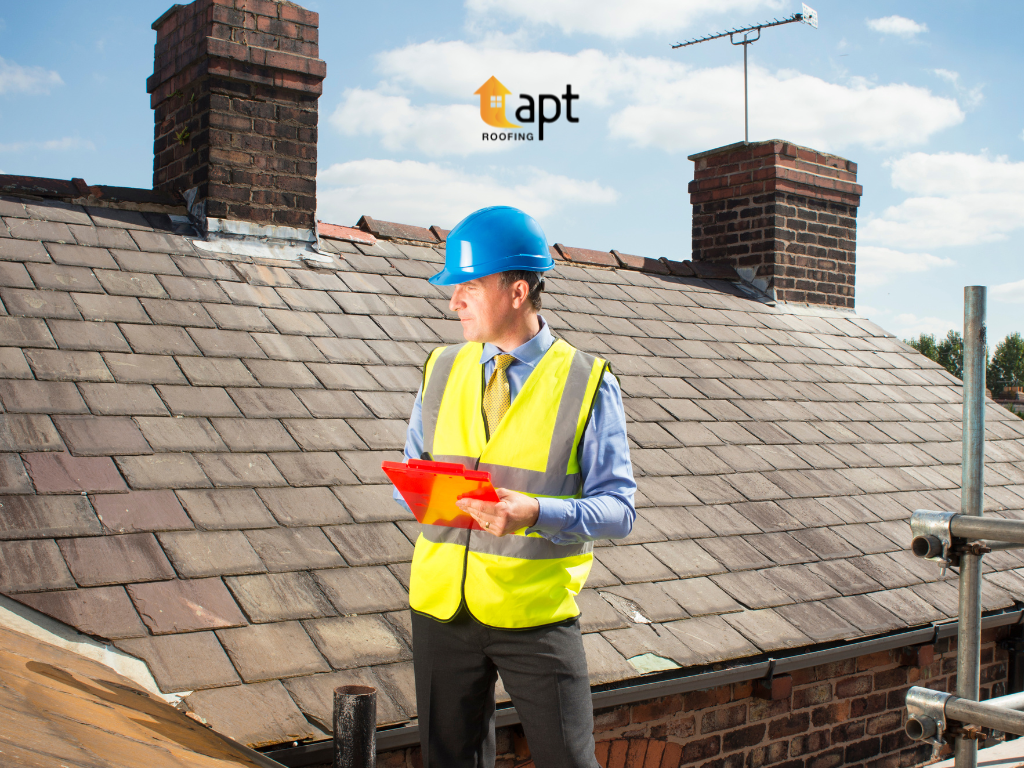
Requesting urgent help for leaks and storm damage
APT Roofing may be contacted when a Sydney property has an active roof leak, displaced roofing materials or visible storm damage that requires professional assessment.
When making contact, explain whether water is entering now, which rooms are affected and whether the ceiling, electrical fittings or roof structure appear damaged.
Mention the roof type when known, such as tile or metal, and provide photographs taken safely from inside or ground level.
Also explain whether a tree, branch, hail or strong wind caused the damage. Recent work involving solar panels, skylights or roof penetrations may also be relevant.
Ask whether the initial service will involve an inspection, emergency make-safe work or a permanent repair. This helps establish what can realistically be completed during the first visit.
Where the property is unsafe, emergency services should be contacted before a roofing contractor. Do not remain in a dangerous area while waiting for a roofer.
APT Roofing can then discuss suitable roof repair sydney options once the immediate hazards have been addressed.
Arranging follow-up repairs or roof maintenance
After the urgent problem is controlled, arrange a follow-up inspection to confirm what permanent work remains.
Ask for a written explanation of the source of the leak, the condition of surrounding materials and the recommended repair.
If several areas are deteriorating, discuss whether separate repairs, planned maintenance or roof restoration in Sydney is the more appropriate service.
Maintenance may also be useful after the emergency work. Gutters, valleys, flashing and other roof areas can be reviewed to identify related weaknesses.
Where replacement or restoration is recommended, ask why a local repair is unlikely to provide a suitable result. The contractor should be able to explain the condition of the roof without relying on pressure or exaggerated claims.
A clear scope, realistic explanation and documented repair provide a stronger basis for deciding what to do next.
Emergency roof repair sydney services are most effective when immediate safety, temporary protection and permanent repair are treated as separate but connected stages. Acting promptly, avoiding unsafe do-it-yourself work and choosing a contractor who explains the findings clearly can help reduce further disruption to the property.
