

Australia is moving towards a more circular economy, where products and materials stay in use for longer rather than following a simple “make, use, dispose” model. The Australian Government’s Circular Economy Framework sets an ambition to double the country’s economic circularity by 2035, supported by goals around material efficiency, resource recovery and keeping products in use for longer.
At the same time, international product-information requirements are changing. One development Australian manufacturers, brands and exporters should understand is the digital product passport.
A digital product passport is a structured digital record that can make defined information about a product available to businesses, consumers, authorities, repairers and recyclers. In the European Union, the concept is being implemented through the Ecodesign for Sustainable Products Regulation and other product-specific legislation.
For Australian businesses, this matters for two reasons. First, businesses exporting products covered by future EU requirements may need to provide the required product information. Second, the same structured product data can support broader Australian priorities around product stewardship, repair, reuse, recycling and better resource management.
The result is a growing connection between product-data management and circular economy planning.
Why Digital Product Passports Are Becoming More Important
The digital product passport is moving from policy development towards practical implementation in Europe.
On 20 July 2026, the European Commission launched the EU Digital Product Passport Registry and a testing environment. The Registry provides infrastructure for registering unique product identifiers and required metadata, while the underlying product information remains managed through the wider DPP system.
There is not, however, one immediate digital product passport requirement covering every product sold in Europe.
Requirements are being introduced progressively according to product-specific EU legislation. Certain batteries are among the first products affected, with battery passports becoming mandatory from 18 February 2027 for relevant electric vehicle, light means of transport and industrial batteries above specified capacity thresholds.
Other priority categories are developing on separate timelines. The European Commission’s first ESPR Working Plan identifies areas including iron and steel, textiles, tyres, aluminium, furniture, mattresses and ICT products for future requirements.
Australian businesses should therefore assess their own products rather than assume all products have the same deadline.
Why Australian Businesses Should Pay Attention
Location alone does not determine whether an EU product requirement matters.
The European Commission states that DPP obligations apply to economic operators placing products within the scope of relevant legislation on the EU market, whether those products are manufactured in the EU or imported.
That means an Australian manufacturer supplying an in-scope product to the European market may eventually need to provide information required by the relevant legislation.
Even businesses that do not currently export to Europe may find the underlying principles useful.
Australia’s own circular economy direction increasingly emphasises durability, reuse, repair, refurbishment, recycling and better management of materials. Product stewardship also places shared responsibility on organisations involved in designing, importing, producing, selling, using and disposing of products.
A digital product passport does not automatically make a product circular or sustainable. What it can do is provide infrastructure for making relevant product information more accessible and easier to maintain.
That can help businesses understand what happens to a product beyond the point of sale.
How Digital Product Passports Can Support a Circular Economy
Circular economy strategies depend on information.
Repairers may need to understand product components. Recyclers may need material information. Manufacturers may need to know which materials can be recovered or reused. Procurement teams may need evidence about recycled content or product characteristics.
A digital product passport can help organise and provide controlled access to relevant information across these different stages.
This closely aligns with Australia’s circular economy goal of keeping products and materials in use for longer. The Australian Government describes circularity as moving away from the traditional linear economy and towards designing out waste, extending product use, repairing and refurbishing products, and recovering materials.
The value comes from the information behind the passport, not simply from having a QR code attached to a product.
Connecting Product Information With Reuse, Repair and Recycling
Consider a piece of equipment reaching the end of its first use.
Without reliable product information, the easiest option may be disposal. A repairer may not know which replacement parts are appropriate. A refurbisher may lack information about components. A recycler may not know which materials can be separated or recovered.
Better structured information can support different decisions.
Depending on the applicable product requirements, a digital product passport may provide access to information about materials, components, durability, repair, recycling or other lifecycle characteristics.
This does not mean every DPP will contain exactly the same information. The required data will depend on the product category and the legislation applying to it.
The principle is nevertheless relevant to Australia’s product stewardship approach. The Australian Government identifies repair, reuse, recycling, better product design and the use of recycled materials as important product stewardship practices.
Better product information can support these activities by reducing the information gap between the original manufacturer and organisations handling a product later in its life.
Improving Product Passport Circular Economy Workflows
For a product passport circular economy approach to work effectively, information needs to remain useful throughout the product lifecycle.
That means businesses should consider more than the initial publication of a passport.
Product information may change. Certificates may expire. Suppliers may change. Components may be replaced. Repair or maintenance information may need updating. A material claim may require new supporting evidence.
Businesses therefore need processes for maintaining information rather than treating a digital product passport as a one-off document.
This is particularly important where different organisations contribute information. Manufacturers, suppliers, repairers, recyclers and assurance organisations may each have different responsibilities and levels of access.
Good governance helps determine who can submit information, who can review it, which information can be made public and which records should remain restricted.
When those processes are clear, product information can become more useful throughout repair, reuse, refurbishment and end-of-life activities.
What Product and Supply Chain Information May Need to Be Managed

A digital product passport is only as useful as the product information behind it.
For many Australian businesses, this may be the most challenging part of preparation.
Product information is often spread across ERP systems, PIM platforms, spreadsheets, supplier emails, technical documents, certificates, shared drives and individual teams. Some records may be current, while others may be incomplete or difficult to trace back to their source.
Before implementing new technology, businesses should understand what they already have.
This makes it easier to identify genuine gaps instead of simply moving fragmented information into another system.
Building Better Supply Chain Traceability
supply chain traceability can help businesses understand where product information originates and how different records relate to one another.
At a practical level, this can involve connecting a finished product with its components, raw materials, suppliers, manufacturing facilities, identifiers and supporting records.
For example, if a business makes a sustainability claim about a particular material, it may need to know which supplier provided that information, which component it applies to and what documentation supports the claim.
A digital product passport can provide an endpoint for approved product information, but the traceability work behind the passport is equally important.
Businesses should therefore ask questions such as where a material came from, which supplier provided it, which products use it, what evidence exists and whether that information remains current.
This becomes particularly useful when the same component or supplier appears across several products.
Structured relationships make it easier to update relevant records when something changes.
Keeping Environmental and Product Evidence Organised
Environmental information may include material composition, recycled-content declarations, Environmental Product Declarations, lifecycle information, certificates, test reports or other documentation relevant to a specific product.
Not all of this information will necessarily be required in every digital product passport.
The appropriate data depends on the product and applicable legislation.
However, maintaining evidence alongside product information can make future preparation easier.
Rather than recording a claim such as “contains recycled material” as an isolated field, businesses can maintain the declaration, certificate or supplier documentation supporting that statement.
The same approach can be applied to technical performance claims, sourcing information and other product characteristics.
This does not independently verify the claim. Verification remains dependent on the evidence, the party making the claim and any authorised assessment or assurance process required by law.
What good product-data governance provides is a clearer connection between information and its source.
What EU Digital Product Passport Rules Could Mean for Australian Exporters
Australian exporters need to distinguish between European regulations and Australian domestic requirements.
The digital product passport discussed in current EU legislation is an EU regulatory framework. It should not be presented as though every Australian product is already required to have one.
However, Australian businesses placing products on the European market can fall within relevant product requirements when their products are in scope.
The eu digital product passport therefore becomes particularly important for manufacturers, brands and suppliers that already export to Europe or plan to enter the European market.
Preparation should begin by determining which legislation applies to the actual product.
Understanding Digital Product Passport Regulation
There is no single digital product passport regulation containing identical data requirements for every industry.
The Ecodesign for Sustainable Products Regulation establishes the wider framework, while specific DPP obligations are introduced through delegated acts or other sector-specific EU legislation.
The European Commission also identifies separate legislation relevant to batteries, construction products, packaging, critical raw materials, toys and other categories.
This means requirements can vary considerably.
A battery passport, for example, has specific information and access requirements under the EU Batteries Regulation. Article 77 requires passports from 18 February 2027 for electric vehicle batteries, light means of transport batteries and industrial batteries above 2 kWh.
Businesses should therefore avoid downloading a generic DPP checklist and assuming it applies to every product.
The correct approach is to identify the product category, determine the applicable legislation and then establish what information needs to be collected and maintained.
Preparing Australian Products for European Market Requirements
Australian exporters do not need to wait until the final stages of implementation to improve their product information.
Preparation can start with straightforward questions.
Businesses should establish how products are identified, where material and component information is stored, which supplier records are available, what evidence supports product claims and who owns each part of the data.
They should also identify information controlled by external suppliers.
That is important because a manufacturer may know its finished product well but still depend on upstream suppliers for material composition, origin information, certificates or environmental evidence.
The European Commission’s DPP framework is designed to improve product transparency across the value chain, and imported products within the scope of relevant legislation are not excluded simply because they were manufactured outside Europe.
For Australian companies, building stronger product-data processes now can therefore support both export readiness and better internal governance.
Preparing Product Data Before Implementing a DPP

A common mistake is to begin a digital product passport project by choosing software.
Technology matters, but it should not be the first question.
The first question should be: what product information do we need to manage?
A business with incomplete supplier records will still have incomplete records after purchasing a new platform. Likewise, inconsistent product identifiers or unsupported claims do not become reliable simply because they are displayed through a new interface.
A useful preparation process starts with product-data readiness.
Reviewing Existing Product, Supplier and Lifecycle Information
Begin by mapping where important product information currently sits.
Product master data may be in an ERP or PIM system. Technical documentation may be stored in a document repository. Supplier declarations may be in procurement systems or email. Sustainability records may be maintained separately by ESG or compliance teams.
Businesses should identify which source is authoritative for each type of information.
They should also consider relationships between records.
Can the organisation connect a product with its components? Can components be connected to suppliers? Can claims be connected to supporting documents? Can users identify which version of a certificate is current?
These questions help determine whether the organisation has a reliable foundation for a digital product passport.
The aim should not be to copy everything into one database.
Instead, businesses should understand which system owns each piece of information and how relevant records need to work together.
Identifying Missing or Unreliable Product Information
Once existing data has been mapped, gaps become easier to identify.
A business may discover that material information exists for most products but not all. Supplier evidence may be several years old. Product identifiers may differ between internal systems. Sustainability claims may exist without clear supporting evidence.
These issues should be addressed according to risk and relevance.
Businesses can prioritise products intended for regulated markets, products with complex supply chains or categories expected to face earlier DPP requirements.
The European Commission’s current indicative roadmap identifies iron and steel, textiles, tyres, aluminium, furniture, mattresses and ICT products among priority areas, alongside separate requirements under other EU legislation.
Australian organisations do not need to collect every possible datapoint before requirements are known.
A better approach is to establish strong data ownership, supplier processes and evidence governance so the organisation can respond efficiently when product-specific requirements become clear.
Choosing the Right Digital Product Passport Platform
Once a business understands its products, regulatory exposure and information gaps, it can evaluate technology more effectively.
A digital product passport platform should be assessed according to the organisation’s actual use case, not simply the number of features listed on a sales page.
For some businesses, the main requirement will be structured product records. Others may need complex supplier workflows, evidence governance, lifecycle information, controlled public access or integration with established enterprise systems.
There is no reason to assume one solution will suit every organisation.
What to Look for in a DPP or Product Data Solution
Start with product-data structure.
A suitable system should be able to represent the types of products, materials, components, suppliers and lifecycle information relevant to the organisation.
Next, assess evidence management.
If a product claim depends on a supplier declaration, test report or certificate, can that evidence remain connected with the relevant product record? Can users see review status, validity or expiry information?
Governance is another important consideration. Businesses should review permissions, approval processes, version history, disclosure controls and the distinction between public and restricted information.
Identifiers and access mechanisms also matter. A QR code can provide an access point, but the information, evidence and governance behind it determine whether the passport is useful.
Aleverum™ is one example of an Australian-developed digital product passport platform focused on structured product records, supplier evidence, lifecycle information, review workflows, permissions and controlled publishing. Its public documentation also makes clear that certification, regulatory approval and independent assurance remain the responsibility of appropriately authorised organisations.
That type of scope clarity is a useful trust signal when comparing providers.
Comparing Platforms, Integrations and Passport Software Solutions
Businesses comparing passport software solutions should look beyond price and presentation.
Integration requirements can be especially important for established manufacturers.
Product information may already exist across ERP, PLM, PIM, procurement, traceability and document-management systems. Replacing all of those systems is rarely the most practical starting point.
Instead, businesses should ask how a proposed platform fits into their existing architecture.
Questions should cover APIs, supported data formats, product identifiers, data ownership, supplier access, authentication, security, lifecycle management and controlled publishing.
Security and governance documentation should also be available for review.
Aleverum™ publishes information about its security, data protection, AI governance, evidence controls and assurance boundaries through its Trust Centre and related resources. It also states that human users remain responsible for decisions, approvals and published product information.
Businesses should expect similar transparency from any provider they assess.
The right platform is not necessarily the one claiming to automate everything. It is the one whose capabilities match the organisation’s product-data, governance, integration and regulatory needs.
Building a Practical DPP and Circular Economy Readiness Plan
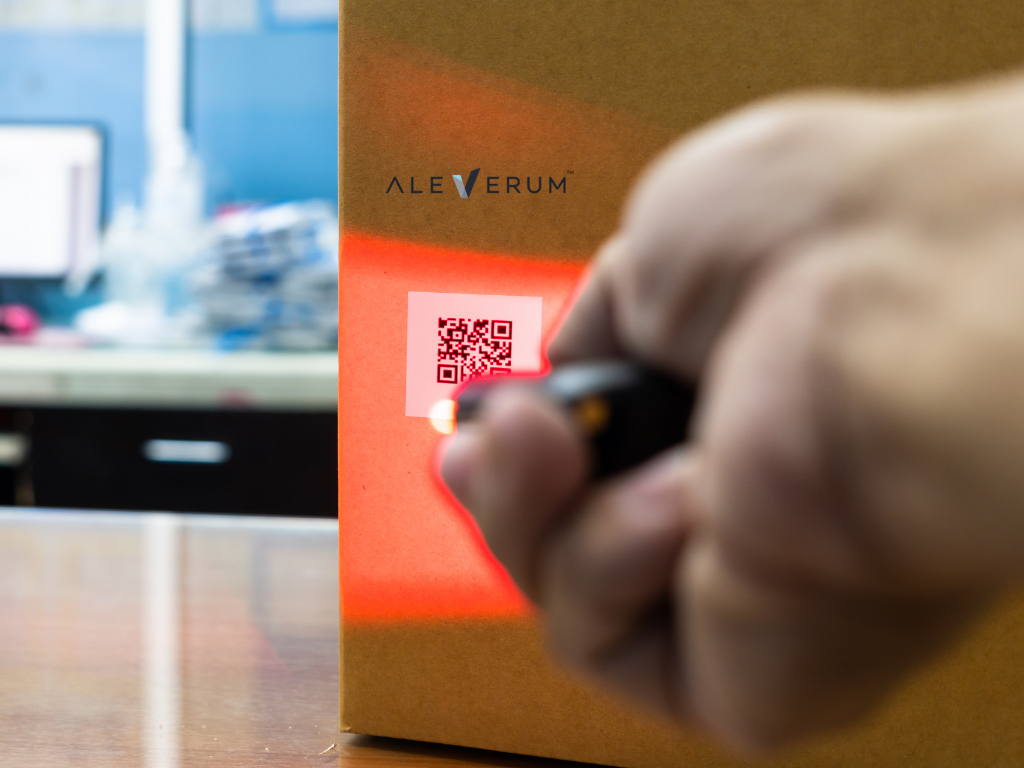
A digital product passport project becomes easier when it is treated as a product-information programme rather than a last-minute compliance task.
Australian businesses do not need to transform every product record at once.
A more practical approach is to identify the products and markets where better information creates the most immediate value, then improve the underlying data and governance step by step.
This approach can support both international regulatory preparation and domestic circular economy objectives.
Start With the Products and Markets That Matter Most
Businesses should first identify where exposure is greatest.
An Australian manufacturer already exporting batteries or other priority products to Europe will have different priorities from a business selling only into the domestic market.
Start with products that are connected to markets with developing requirements, complex supplier networks or significant product stewardship responsibilities.
The EU timeline is useful for prioritisation, but it should not be treated as one universal deadline. Certain batteries move first from 18 February 2027, while other product groups will follow through their own legislative processes.
Australian priorities should also be considered.
The Australian Government’s product stewardship framework highlights lifecycle responsibility, while the current priority list includes areas such as clothing textiles, tyres, mattresses and other products where reuse, repair and recycling are important considerations.
These overlaps can help businesses decide where stronger product-data management may provide the greatest benefit.
Create a Roadmap for Data, Governance and Future DPP Requirements
A practical digital product passport roadmap should begin with data rather than technology.
Businesses can map existing product information, identify responsible data owners, review supplier evidence, standardise product identifiers and establish clearer processes for approving and updating information.
The next stage is governance.
Organisations should determine who can submit information, who reviews it, which records can be shared and how changes are tracked.
Only then should technology decisions be finalised around a clearly defined use case.
For businesses evaluating DPP readiness, Aleverum™ can support structured product information, supplier evidence, review workflows and controlled Digital Product Passport publishing. Its role is to provide product-data and evidence infrastructure rather than independently certify products or guarantee regulatory compliance.
The wider opportunity is larger than regulatory preparation alone.
Australia wants to keep products and materials in use for longer, improve resource productivity and recover more value from materials. A well-designed digital product passport can support that direction by making relevant product information easier to access, maintain and use across the lifecycle.
For Australian manufacturers, brands and exporters, the sensible next step is to assess current product-data readiness and determine which products, suppliers and markets should be prioritised first.
