

Healthcare products are often described as reusable or disposable, but the difference involves more than how many times an item appears capable of being used. The product’s intended purpose, labelling and manufacturer instructions determine whether it can be safely cleaned and used again.
Reusable products may offer practical value when they are designed to withstand repeated cleaning and inspection. Disposable products can simplify handling when an item is intended for one procedure, one patient or a limited period. Neither category is automatically safer, cheaper or more environmentally responsible in every situation.
The right choice depends on the product, care setting, user and cleaning facilities available. This guide explains what Australian households, carers and organisations should consider when comparing health care supplies.
Follow the product’s stated intended use
The intended use explains what a product is designed to do, who may use it and under which conditions. It can also indicate whether the item is reusable, single-use or intended for limited use.
A reusable item should come with instructions explaining how it can be cleaned, inspected and maintained. The materials and construction should be suitable for the recommended process. A blood pressure monitor, walking aid or shower chair, for example, may be used repeatedly when maintained according to its instructions.
A disposable product is generally intended to be discarded after its specified use. Depending on the item, that may mean after one procedure, after use by one person or after a stated period. Product wording and symbols should be read carefully because “single-use” and “single-patient use” do not necessarily mean the same thing.
Packaging should identify the product clearly and provide relevant directions, cautions and storage conditions. If the intended use is unclear, contact the supplier or manufacturer before using the item.
The TGA advises consumers to research medical devices purchased online and to use legitimate Australian suppliers. Medical devices supplied in Australia are subject to Australian regulatory requirements, although the exact requirements depend on the product and its classification.
Avoid reusing products designed for one use
An item may appear undamaged after use, but appearance alone does not show whether it remains suitable. Materials can weaken, seals can change and contamination may remain in areas that are difficult to see or clean.
Washing a disposable product does not automatically make it reusable. The item may not have been designed to tolerate water, chemicals, heat or repeated handling. Cleaning may also affect its dimensions, surface or function.
The manufacturer’s instructions should determine what happens after use. If the label states that the product is single-use, it should not be reused simply to reduce cost or waste.
This is particularly important for products that contact broken skin, body fluids or parts of the body where contamination can cause harm. General household cleaning should not be treated as a substitute for a validated reprocessing method.
If a disposable item has been opened but not used, follow the packaging and facility procedures. Loss of sterility, damaged packaging or an expired date may make the product unsuitable even when it appears new.
Match the Product to the Care Setting
Home health supplies may be used by one person in a relatively controlled environment. This can make some reusable products practical when the user or carer can clean, dry, inspect and store them correctly.
A shared-care setting has different considerations. Equipment may move between users, rooms or staff members, increasing the need for consistent procedures and clear responsibility.
A product used safely by one person at home may require different handling before being used by another person. The care provider may have infection-control procedures that determine whether an item can be shared, how it must be cleaned and who is authorised to complete the process.
The person’s ability also matters. Someone with reduced vision, strength, memory or hand control may have difficulty cleaning and inspecting equipment without assistance. A reusable option that seems economical may not be practical if the required care cannot be completed reliably.
Before choosing, consider who will use the product, who will maintain it and whether the home or facility has appropriate cleaning and storage arrangements.
Consider the task and level of exposure
Products used for low-contact daily activities may involve different considerations from items exposed to body fluids, wounds or several users.
A reusable mobility or bathroom aid may have smooth surfaces that can be cleaned according to the manufacturer’s instructions. Other healthcare equipment may contain tubing, joints, fabrics, electronic parts or narrow internal areas that require specialised handling.
The consequence of contamination should be considered alongside convenience and cost. A product used near broken skin or for an invasive procedure may need stricter controls than an external daily-living aid.
The user’s health can also influence the decision. People with reduced immunity, active infections or complex care needs may require advice from a qualified healthcare professional.
Do not assume that a general product description applies to every care situation. Ask whether the product is intended for the task, whether it can be shared and which cleaning or disposal process is required.
Compare Cleaning and Hygiene Requirements
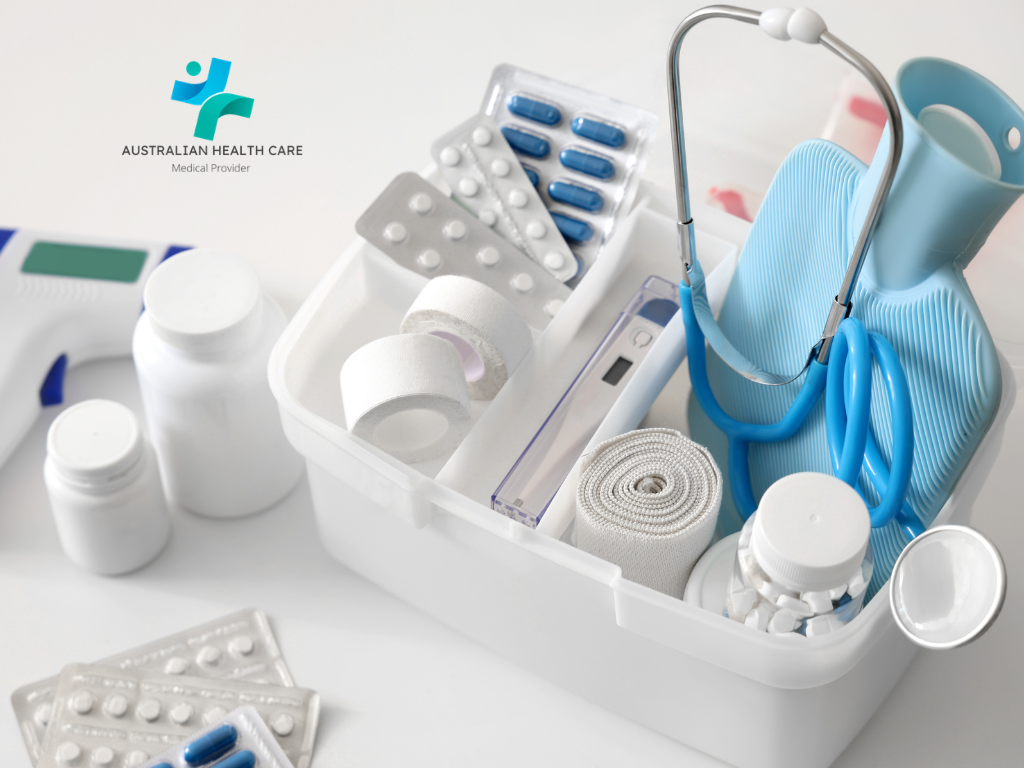
Check whether reusable items can be cleaned correctly
Reusable health equipment should include cleaning instructions appropriate to its materials and design. These instructions may specify suitable products, water temperature, contact time, drying and areas that should not be immersed.
Water-resistant and waterproof do not mean the same thing. A surface may tolerate wiping but become damaged if placed under running water or submerged.
Electronic products require particular care because moisture can enter buttons, battery compartments and connection points. Remove accessories only when the instructions permit it and do not apply cleaning chemicals directly to sensitive openings.
Fabric covers, straps and cushions may have separate instructions from the main product. A removable cover might be washable even when the internal foam or equipment frame is not.
Allow the item to dry fully as directed before storage or reuse. Trapped moisture can damage materials and make the product harder to keep hygienic.
Understand when disinfection or specialised reprocessing is required
Cleaning removes visible soil and other material from a surface. Disinfection and sterilisation are different processes with specific purposes and requirements. The appropriate level depends on the device, its intended use and how it contacts the user.
Some reusable medical devices require validated reprocessing that should be completed by trained people using suitable equipment and documented procedures. These products are not appropriate for informal home cleaning unless the manufacturer provides instructions for that setting.
Healthcare organisations should follow their clinical governance, infection-control and workplace procedures. General consumer guidance cannot replace product-specific reprocessing instructions or professional standards.
Do not combine cleaning chemicals unless the product instructions specifically allow it. Mixing substances can create hazardous fumes or damage the product.
If a reusable item cannot be cleaned as instructed because its surface is damaged, a part cannot be removed or the required facilities are unavailable, stop using it and seek advice from the supplier or relevant healthcare professional.
Review Durability and Replacement Timing
Reusable products need regular inspection because repeated use, cleaning and handling can affect their condition.
Check accessible surfaces for cracks, sharp edges, swelling, corrosion or discolouration that may indicate material damage. Examine straps, seals, cables, fasteners and moving components where applicable.
Mobility and bathroom products should remain stable. Rubber tips, wheels, brakes, clamps and adjustment points may wear or loosen over time. A product should not be used when a safety-related component is damaged or cannot be secured.
Electronic health equipment may display error messages, unusual readings or battery problems. Consult the instructions before assuming that a new battery or reset will correct the issue.
Repairs should use suitable parts and methods. Tape, improvised fasteners or unrelated replacement components can change the way the product functions and may create new risks.
Replace disposable and reusable items at the appropriate time
Disposable items should be replaced according to their labelling and intended use. They should not be kept for another occasion when the instructions require disposal after use.
Expiry dates and packaging condition also matter. A product may no longer be suitable if its packaging is torn, wet, opened or otherwise damaged.
Reusable products do not necessarily last indefinitely. Replacement may be needed when surfaces cannot be cleaned effectively, adjustment mechanisms no longer hold or essential components are unavailable.
Some devices may require calibration, servicing or safety checks at defined intervals. Follow the manufacturer’s information rather than waiting for a visible problem.
Keep purchase records, model details and instructions where practical. This information can help when ordering replacement parts, checking a recall or contacting the supplier.
Calculate the Full Cost of Each Option

Compare purchase price with ongoing use
A disposable product may have a lower price per item but require repeated purchasing. A reusable product may cost more initially and involve cleaning, maintenance or replacement parts.
To compare value, estimate how often the product will be used and for how long. Also consider the time, cleaning products, water, energy and staff involvement required to maintain a reusable item.
The cheapest option is not always the lowest-cost choice over time. However, a reusable item is not automatically economical if it is difficult to clean, unsuitable for the user or likely to be replaced frequently.
Clinical suitability and safety should come before cost. A product should not be reused beyond its intended purpose simply because replacement is expensive.
Ask the supplier what is included. Batteries, covers, filters, attachments or other consumable parts may need to be purchased separately.
Account for storage, stock management and waste
Disposable health care supplies require space and stock control. Products may have expiry dates or conditions relating to temperature, humidity and packaging.
Ordering large quantities can reduce the unit price, but unused stock may become unsuitable before it is needed. This is especially relevant for households with changing care needs.
Organisations purchasing wholesale healthcare supplies should consider pack quantities, usage rates, storage capacity, delivery lead times and procedures for stock rotation. Responsibility for checking damaged or expired products should be clear.
Waste arrangements also vary by product. Some used items should not be placed in ordinary household rubbish. Sharps, contaminated products, batteries, medicines and electronic devices may require specific disposal methods.
Check local council information, healthcare-provider instructions and applicable state or territory requirements. The supplier may also provide product-specific disposal guidance.
Choose Products for Home Care and Professional Use
Home health supplies should suit the person, the task and the space in which they will be used. A product that works well in a clinic may be inconvenient in a small bathroom or shared household.
Consider whether the user can open the packaging, operate the controls, read the display and clean the product. Carers should also be able to handle the item without unsafe lifting or complicated preparation.
Measurements and user weight guidance are important for mobility and bathroom equipment. The product should fit both the person and the available space.
A healthcare professional can help when equipment affects mobility, transfers, positioning, skin care or monitoring of a health condition. Healthdirect notes that suitable professionals can assess individual mobility needs and help select appropriate aids.
Convenience is valuable, but it should not replace correct fit, suitable instructions and access to assistance when needed.
Follow workplace policies in professional settings
Clinics, support providers and care organisations need consistent procedures for purchasing, using, cleaning, storing and disposing of healthcare products.
Staff should know which products are disposable, which can be reused and who is responsible for reprocessing or maintenance. Similar-looking items should not be assumed to have the same instructions.
Supplier changes may also need review. Replacing one product with a cheaper alternative can affect compatibility, training, storage and established procedures.
Records may be needed for batches, expiry dates, maintenance or incidents, depending on the product and setting. Organisations should follow their applicable clinical, regulatory and workplace obligations.
When a product fails, causes concern or appears different from its description, stop using it where appropriate and follow the organisation’s reporting process. Medical-device problems can also be reported through relevant TGA channels.
Compare Suppliers and Product Information

Ask an Australian supplier the right questions
A supplier should provide enough information for the buyer to understand the product’s intended use, specifications, cleaning requirements and replacement conditions.
When comparing australian medical supplies, confirm whether an item is reusable, single-use or single-patient use. Ask what is included, whether replacement parts are available and how the product should be stored.
For regulated medical devices, buyers can ask for information that helps identify the product and its Australian sponsor. The level of regulatory information available may differ according to the product type.
Delivery and return conditions are also important. Hygiene-related products may have return restrictions after packaging has been opened, so check the policy before use.
Clear contact information, invoices, warranties and after-sales assistance are useful trust signals. Avoid suppliers that make exaggerated health claims or cannot explain basic product details.
Choose a medical supply store that provides clear details
A reliable medical supply store should make it easy to identify the product, intended user, dimensions, materials and relevant operating limits. Images should support the written description rather than replace it.
Australian Health Care can be considered when comparing reusable and disposable australian health supplies. Before ordering from Australian Health Care or another provider, explain whether the products are for personal home use, a carer or a professional setting.
Ask about pack quantities, current availability, cleaning instructions and replacement items. For healthcare equipment, also confirm warranty arrangements and what technical support is available after purchase.
Useful internal links can guide readers to related categories such as mobility aids, bathroom safety products, monitoring devices, continence products and replacement accessories. Each page should explain the intended purpose and limitations of the products rather than relying only on a category name.
If you remain unsure whether a product should be reused, do not guess. Check the manufacturer’s instructions, contact the supplier and seek professional advice when the item is connected with clinical care or a significant safety risk.
Choosing between reusable and disposable australian health supplies comes down to intended use, hygiene requirements, practical maintenance and total ongoing cost. Start with the product instructions, consider the care environment and choose an option that can be used exactly as intended.
