

Choosing between induction and gas is no longer simply a question of what a chef prefers to cook on. In a commercial kitchen, the decision can affect electrical capacity, gas infrastructure, ventilation, kitchen temperature, equipment placement, cookware, cleaning routines and the wider cost of a fit-out.
For businesses planning commercial kitchen design Sydney projects, it is worth making this decision before the cooking line, services and exhaust system are finalised. Replacing one gas cooktop with an induction unit may sound straightforward, but a high-powered commercial induction appliance can place very different demands on the building’s electrical supply. Likewise, installing gas equipment in a premises without suitable gas infrastructure can add another layer of work.
The menu should remain at the centre of the decision. A small café preparing eggs, sauces and light meals may have different priorities from a high-volume restaurant using chargrills, wok burners and large stockpots. A bakery may depend far more heavily on ovens and commercial baking equipment than on the type of cooktop installed.
There is also no simple rule that says an induction kitchen does not need mechanical exhaust. In the City of Sydney, current food-premises guidance says kitchens should have exhaust hoods above cooking areas, while NSW planning guidance requires mechanical ventilation plans for relevant food premises to address heated air, smoke, fumes, steam and grease vapours. The cooking process and applicable approval requirements therefore still matter even when the equipment itself does not burn gas.
The better question is not whether induction or gas is universally superior. It is which combination best supports your menu, premises and day-to-day operation.
How Commercial Induction Transfers Heat
Induction cooking works differently from a conventional electric hotplate. Instead of heating an element and then transferring that heat through the cooking surface, an induction unit uses an electromagnetic field to generate heat in compatible cookware.
That direct heating can provide quick response when changing power levels and can make precise temperature adjustment easier for many cooking tasks. The surface around the pan also receives less direct heat than it would from an open gas flame, although the hot cookware itself will still transfer heat to the surrounding area.
For a compact café or restaurant kitchen, that difference can be useful. Kitchens already contain ovens, refrigeration motors, dishwashers and other equipment that contribute heat. Reducing unnecessary heat around the cookline may make the workspace more comfortable, particularly when several appliances operate at once.
Induction also has practical limitations.
The cookware needs to be compatible with induction. In simple terms, the base needs to work with the magnetic field. Many stainless-steel and cast-iron pans are suitable, while some aluminium, copper or non-magnetic cookware may need to be replaced unless it has an induction-compatible base.
That means an existing cookware collection should be checked before converting a whole cooking line.
Commercial induction units also vary considerably in power. A small portable unit intended for light cooking is very different from a heavy-duty commercial induction range designed for sustained restaurant use. When comparing equipment, look at the intended application, connected electrical load, pan size and expected production volume rather than assuming every induction appliance provides the same performance.
How Gas Cooking Performs in a Commercial Kitchen
Gas cooktops create heat through combustion and apply that heat to the cookware through an open flame.
Many commercial chefs are familiar with this style of cooking because the flame gives an immediate visual indication of heat level and works with a broad range of cookware.
Gas can also remain useful for particular cooking styles.
A restaurant relying on traditional wok cooking may prefer equipment designed around powerful gas burners and direct flame. Chargrilling is another example where the characteristics of the cooking method may form an important part of the menu.
Commercial gas equipment is available in many configurations, from cooktops and ranges to chargrills and gas ovens. Channon’s current cooking-equipment range, for example, includes commercial gas cooktops, chargrills and both gas and electric combination ovens, showing why the decision does not have to be made across the entire kitchen at once.
Gas equipment also has infrastructure requirements.
The premises needs an appropriate gas supply, installation must be handled correctly, and ventilation and combustion-related requirements need to be considered as part of the broader kitchen design.
This makes an existing restaurant with established gas services a different project from a new tenancy that has no gas connection.
Rather than asking which technology feels more modern, start by asking what each cooking station actually needs to achieve.
Which Cooking Method Better Suits Your Menu?
Your menu should be one of the strongest influences on the choice between induction and gas.
For boiling water, simmering sauces, reducing stocks and pan-based cooking where controlled heat is important, commercial induction can be highly practical. Fast response when adjusting power can also help when staff regularly move between high heat and gentle simmering.
Gas remains familiar for sautéing, flame-based techniques and cooking methods where chefs deliberately work with an open burner.
However, it is important not to oversimplify this distinction.
Commercial induction technology is capable of much more than low-volume café cooking. Heavy-duty induction ranges and induction wok equipment exist for demanding applications. At the same time, not every kitchen needs the maximum power available from a large gas burner.
Consider actual production.
If a café cooks eggs, heats soups, prepares sauces and produces relatively light meals, several induction zones may be entirely practical if the electrical infrastructure supports them.
A restaurant preparing hundreds of covers with multiple pans operating continuously needs a different capacity assessment.
If wok cooking is central to the menu, compare purpose-built gas and induction wok options rather than assuming that a standard flat induction hob will replace the existing setup.
Staff experience should be considered too.
Induction responds differently from gas, so chefs may need some time to adjust to power settings and compatible cookware. That is an operational consideration, but it should not be treated as a reason to automatically reject one technology.
The goal is to match equipment to the food rather than force the menu to fit the appliance.
Consider the Rest of Your Cooking Equipment
The cooktop is only one component of a commercial kitchen.
A bakery may have mixers, proofing equipment, deck ovens, convection ovens, refrigeration, cooling racks and other bakery equipment occupying far more space and electrical capacity than its cooktop.
Likewise, a restaurant may use fryers, salamanders, combi ovens, chargrills, pasta cookers and holding equipment in addition to the main range.
This is why choosing between induction and gas should be done in the context of the entire equipment schedule.
If a bakery already has substantial commercial baking equipment with high electrical demand, adding several powerful induction appliances may require an electrical review. That does not mean induction is unsuitable. It simply means available electrical capacity needs to be confirmed before the equipment order is finalised.
A mixed kitchen can also make sense.
You might use induction for sauce and pan stations, while retaining specialist gas equipment where direct flame supports the menu. Another business might choose an electric combi oven, induction cooktops and electric fryers to create an all-electric cooking line.
There is no requirement to turn the decision into an all-or-nothing choice unless the premises, business strategy or project brief specifically calls for it.
Channon’s current equipment range reflects this variety, with cooking categories covering gas ranges, induction hobs and units, fryers, ovens, chargrills and combination ovens.
The best equipment schedule is the one that allows the kitchen to produce its actual menu efficiently.
How Do Heat and Ventilation Affect the Decision?
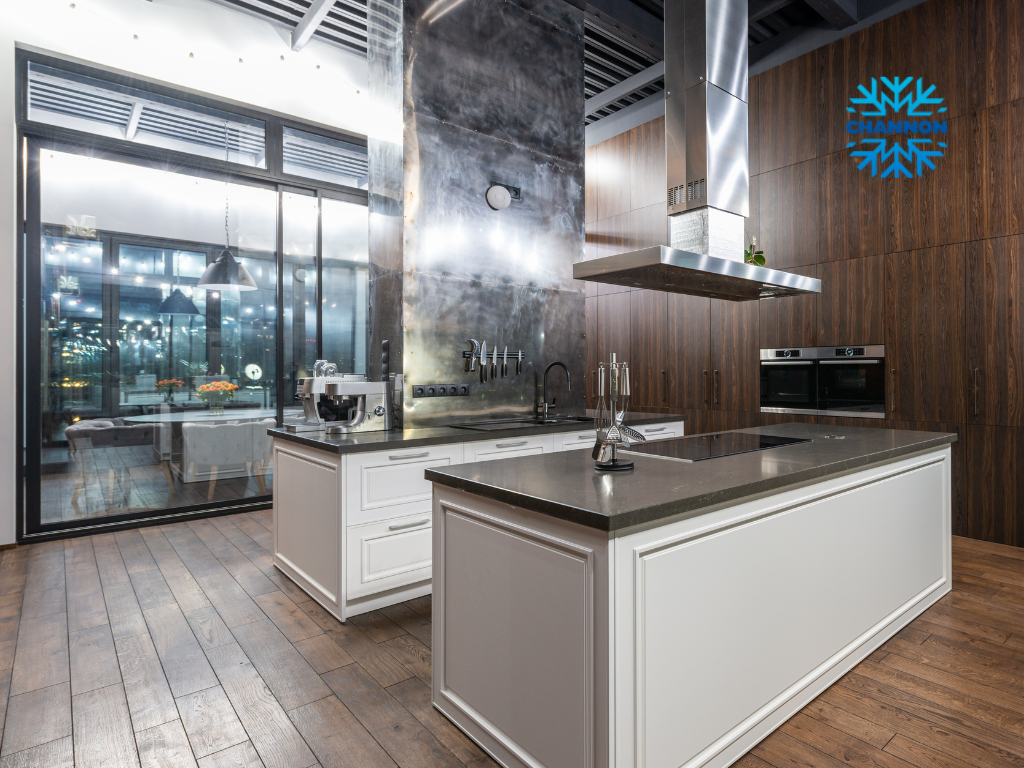
Think About Heat Released Into the Kitchen
Commercial kitchens can become hot quickly.
Cooking equipment generates heat, but it is not the only contributor. Refrigeration releases heat into the surrounding environment, dishwashing introduces heat and steam, and ovens may operate for many hours at a time.
Gas cooking adds combustion heat directly around the cooking line. Induction transfers more of its energy directly into compatible cookware rather than relying on an open flame.
For a compact café, this difference may become important because staff are working in a smaller space with less separation between cooking, preparation and service areas.
It can also influence air-conditioning loads and staff comfort, although actual outcomes depend on the complete kitchen design, equipment load, ventilation system and trading conditions.
Do not assume that choosing induction automatically solves every kitchen heat problem.
The food being cooked still releases heat, steam, grease and vapour. Frying on an induction appliance, for example, still involves hot oil and cooking emissions even though there is no gas flame below the pan.
Ovens, fryers and grills continue to contribute substantial heat regardless of what powers the neighbouring cooktop.
This is why the entire cooking line needs to be reviewed rather than comparing one gas burner with one induction zone in isolation.
Plan Exhaust and Ventilation Before Equipment Is Installed
Ventilation is one of the areas where simplistic induction-versus-gas advice can become misleading.
Switching away from combustion may change part of the heat and emissions profile, but it does not automatically mean that a commercial kitchen can remove its exhaust hood.
In the City of Sydney, current food-business guidance says kitchens require exhaust hoods above cooking areas and advises businesses selecting premises to make sure there is an exhaust system or sufficient room to install one.
NSW planning guidance also states that detailed mechanical ventilation plans for food and drink premises may need to address heated air, smoke, fumes, steam and grease vapours in accordance with applicable ventilation requirements.
The practical lesson is simple: decide on the equipment early and let a suitably qualified professional determine the ventilation requirements for that actual cooking line and site.
This becomes particularly important in commercial kitchen design Sydney projects where duct routes may need to travel through several levels of a building or discharge above roof level.
The exhaust system can affect ceiling space, mechanical plant, tenancy suitability and project cost.
If you are considering a premises that does not already have suitable kitchen exhaust, investigate this before signing off on the design. Installing a powerful cooking line first and attempting to solve ventilation afterwards can create a much more complicated project.
What Electrical or Gas Infrastructure Does the Kitchen Need?
Commercial induction can place significant demand on the electrical system, particularly when several high-powered appliances operate together.
A café replacing one small cooking appliance may have relatively simple requirements. A restaurant planning multiple induction zones, electric combi ovens, dishwashers, commercial refrigeration and other high-load equipment needs a proper assessment of the total connected load.
This is not something to estimate from the number of existing wall outlets.
The electrical supply to the tenancy, switchboard capacity, phases available, circuit requirements and equipment specifications all need to be considered.
Before committing to induction equipment, obtain the electrical requirements for the actual models being considered and have the premises assessed by an appropriately licensed electrician.
This is particularly important when converting an older gas-heavy kitchen to electric cooking.
The cost comparison between gas and induction should include any infrastructure upgrades required to make the chosen equipment work. Comparing only the price of the cooktops can hide an important part of the fit-out budget.
NSW Government electrification guidance similarly recommends that small businesses work with an appropriately qualified electrician or energy adviser when planning a move towards electric appliances.
If the building already has strong electrical capacity, induction may be easier to introduce. If a major supply upgrade is required, that needs to become part of the project decision.
Confirm Gas Availability and Installation Requirements
Gas equipment has its own infrastructure considerations.
If a tenancy already contains an established commercial kitchen with suitable gas services, retaining some gas appliances may require fewer changes than converting the entire cooking line.
A new tenancy may be different.
If gas is not currently available where the cooking equipment will be installed, the project team needs to establish whether a suitable service can be provided and what installation work would be required.
Equipment specifications also need to be checked.
Commercial gas appliances can have substantial gas consumption requirements. For example, individual commercial units can specify gas ratings in megajoules per hour, and multiple appliances must be considered as a complete load rather than individually. Channon’s listed commercial gas products demonstrate how equipment specifications can include defined gas connections and gas ratings that need to be allowed for during planning.
A licensed professional should assess the gas installation requirements for the actual equipment and premises.
You should also think beyond initial installation.
If your long-term plan is to reduce reliance on gas, investing heavily in new gas infrastructure may not fit that strategy. Conversely, if specialist gas cooking is central to the menu and the site already supports it well, removing it purely to follow a trend may create unnecessary expense.
Infrastructure should support the operational plan rather than dictate it by accident.
How Do Cleaning, Workflow and Daily Use Compare?
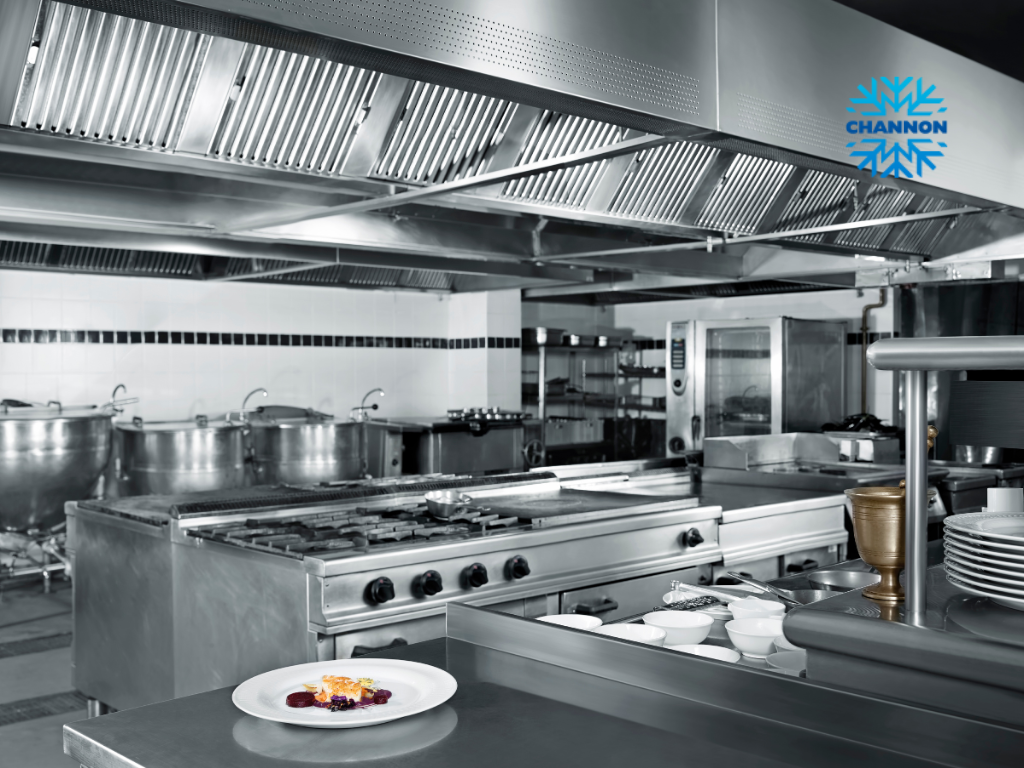
Consider Cleaning and Maintenance Around the Cooking Line
Cleaning is a daily commercial kitchen task, so small differences in equipment design can become significant over time.
Flat induction surfaces are generally straightforward to wipe because there are no open burners, trivets or burner wells around the cooking zone.
That can simplify routine cleaning after service.
However, the surface still needs to be treated correctly. Commercial induction glass or ceramic surfaces can be damaged by inappropriate cleaning tools, impacts or rough handling, so manufacturer’s care instructions matter.
Gas cooktops often have more removable components around the burners.
These can require additional cleaning because food, grease and spills may collect around trivets, burner assemblies and the surrounding stainless steel.
This does not make gas equipment inherently difficult to maintain. Many commercial ranges are deliberately designed for heavy use and service access. It simply means the cleaning process is different.
Consider what happens during the busiest part of the day as well.
If a pan boils over on a smooth induction surface, staff may be able to clean around the cooking zone more easily once it is safe to do so. A spill around an open gas burner may require more disassembly later.
Commercial kitchen cleanliness extends beyond the cooktop. NSW food premises must be designed and constructed to satisfy Food Standards Code Standard 3.2.3, while AS 4674:2004 is commonly used as a compliance pathway for premises design and fit-out.
This is another reason to consider ease of cleaning across the full kitchen rather than focusing only on cooking performance.
Think About Staff Workflow During Busy Service
The best cooktop on paper can still be the wrong equipment if it disrupts how the team works.
Consider how many chefs use the cooking line at once and how they move between refrigeration, preparation benches, burners, ovens and the pass.
Induction equipment can offer rapid response and consistent power settings, which may help standardise some repeat cooking tasks.
Gas gives chefs a visible flame and familiar manual control, which some teams may prefer for particular dishes.
Neither advantage matters much if the equipment is positioned badly.
A cooking station should have enough bench space for pans, utensils and prepared ingredients. Frequently used refrigeration should be reasonably close, and staff should not need to cross major traffic paths every time they retrieve an ingredient.
For cafés, the cooking line also needs to work with the coffee station and front counter.
A food display unit or refrigerated display should not create a bottleneck between kitchen staff and the person serving customers.
The same principle applies to bakeries. Commercial baking equipment, cooling areas and food display cabinets should form a logical sequence from production to finished product display.
This is where Cafe setup services or broader hospitality design becomes more valuable than choosing appliances one at a time.
A good kitchen is not a collection of individually impressive machines. It is a connected workspace.
How Should You Choose Between Induction, Gas or a Mixed Setup?
There is no universal winner between induction and gas.
For some businesses, induction will provide the strongest overall fit. For others, gas remains useful. Many commercial kitchens may benefit from a combination.
Start with the menu.
Identify which cooking processes happen most often, which require specialist equipment and what volume needs to be produced during peak service.
Then look at the premises.
Check electrical capacity, existing gas supply, ventilation, available floor space and the location of services.
Consider the staff as well.
If the team is moving from gas to induction, allow for cookware changes and some adjustment to the new controls. If you are maintaining gas specifically for one cooking technique, make sure that technique genuinely matters to the menu rather than retaining equipment only because it has always been there.
Next, consider operating and fit-out costs together.
The equipment purchase price is only one component. Electrical upgrades, gas installation, exhaust modifications, cookware, maintenance and future servicing can all influence the final decision.
Avoid generic claims such as “induction is always cheaper” or “gas is always more powerful”. The answer depends on the equipment, tariffs, infrastructure, operating hours and cooking requirements.
A mixed arrangement can sometimes avoid unnecessary compromise.
For example, a restaurant might choose induction for several pan stations but retain specialised gas equipment for a particular high-heat technique. Another venue may find that an all-electric line better suits its menu and available services.
Make the equipment serve the kitchen rather than forcing the kitchen to serve a technology preference.
Coordinate Cooking Equipment With the Wider Fit-Out
The induction-versus-gas decision affects more than the cooking line, which is why it should be made alongside the wider hospitality fitout Sydney planning.
Cooking equipment needs to coordinate with stainless-steel benches, preparation areas, refrigeration, dishwashing, exhaust, electrical services and storage.
For a café, that may also include food display cabinets, under-bench refrigeration, a coffee station and a food display unit positioned near the customer service area.
For a bakery, the design needs to account for commercial baking equipment, mixers, ovens, proofing areas, ingredient storage, cooling and display.
Channon is one Sydney provider offering commercial kitchen equipment alongside design, layout planning, stainless-steel fabrication, installation and fit-out support. Its current services include CAD-based layout planning and advice on equipment and kitchen services for cafés and other food businesses.
If you are comparing Channon with another provider, the useful question is not simply whether the company sells both gas and electric equipment.
Ask whether the provider can look at the entire kitchen and explain how the proposed cooking equipment affects services, workflow, ventilation and the rest of the fit-out.
That is particularly valuable before major equipment has been ordered.
When Should You Contact a Commercial Kitchen Specialist?

Get Advice Before Finalising Equipment Purchases
The best time to ask for design advice is before the equipment order locks the kitchen into a particular layout.
If you are replacing a single gas unit with the same type of appliance and all services are already suitable, the process may be relatively straightforward.
A new kitchen or major refurbishment deserves a broader assessment.
Contact a commercial kitchen specialist when you are unsure whether the premises has enough electrical capacity for induction, whether gas infrastructure is suitable, how the exhaust system should be configured or whether the chosen cooking line will physically fit the available space.
This is particularly important if the project includes several high-load appliances.
For example, an all-electric kitchen may include induction cooking, electric ovens, refrigeration, dishwashing and other commercial equipment operating simultaneously. The combined infrastructure needs should be understood before installation.
Channon can be contacted when a Sydney café, restaurant, bakery or hospitality operator needs help coordinating equipment with a commercial kitchen layout. Its current design and construction services cover kitchen design, equipment specification, stainless-steel fabrication, installation and project coordination.
You can also use the discussion to compare whether induction, gas or a mixed setup makes more sense for your particular site rather than choosing based on a general industry trend.
Bring Your Menu, Floor Plan and Equipment List
A productive commercial kitchen design conversation starts with useful information.
Bring the menu first because it explains what the kitchen actually needs to produce.
Identify the dishes that place the greatest demand on the cooking line and describe what happens during your busiest service period.
A floor plan is also valuable.
It should show the available kitchen area and, where known, existing electrical, gas, plumbing and exhaust services.
If the business is taking over an existing food premises, provide information about the equipment already installed and anything you expect to retain.
Then prepare the proposed equipment list.
Include cooktops, ovens, fryers, grills, refrigeration, dishwashers and other major appliances. Cafés should also include coffee equipment and display refrigeration. Bakeries should account for mixers, ovens, proofers and other bakery equipment.
If you are still deciding between several models, that is fine. The important point is to provide enough information for the designer or supplier to compare connected loads, dimensions and workflow.
For businesses using café setup services, this stage is also a useful time to discuss how the cooking line connects with the front counter, food display and customer collection area.
A commercial kitchen works best when these decisions are made together.
Induction can provide fast response, precise control, easier-to-clean cooking surfaces and less direct combustion heat in the kitchen. Gas remains familiar, supports a wide range of cookware and can suit cooking techniques where open flame is part of the process.
Neither option is automatically the right answer.
The best choice for commercial kitchen design Sydney projects depends on the menu, cooking volume, electrical capacity, gas availability, ventilation requirements, available space, staff workflow and wider equipment schedule.
For some businesses, that will mean induction. For others, gas will remain practical. A mixed kitchen may provide the best balance where different stations have genuinely different requirements.
Make the decision early, check the infrastructure before buying equipment and involve qualified professionals where electrical, gas or mechanical services need to change. That gives you a much better chance of building a cooking line that works not only on opening day, but during everyday service.
