

Commercial electrical systems are easy to overlook when everything is working. Lights come on, equipment starts, computers stay connected and staff get on with the day. However, an electrical installation can gradually change as equipment ages, businesses add new loads and fittings are exposed to normal wear.
For offices, warehouses, retail stores, schools, commercial kitchens and other workplaces, commercial electrical maintenance is about identifying electrical problems before they become larger safety or reliability issues. It does not mean every workplace needs the same inspection schedule or maintenance checklist. The right approach depends on the equipment, environment, operating hours and risks at the site.
SafeWork NSW recommends appropriate preventative maintenance, visual inspection and testing where necessary. It also states that the nature and frequency of electrical inspections should reflect how equipment is used and the environment in which it operates.
A practical maintenance program therefore starts with the important electrical assets, keeps useful records and gives facility managers clear triggers for calling a licensed electrician.
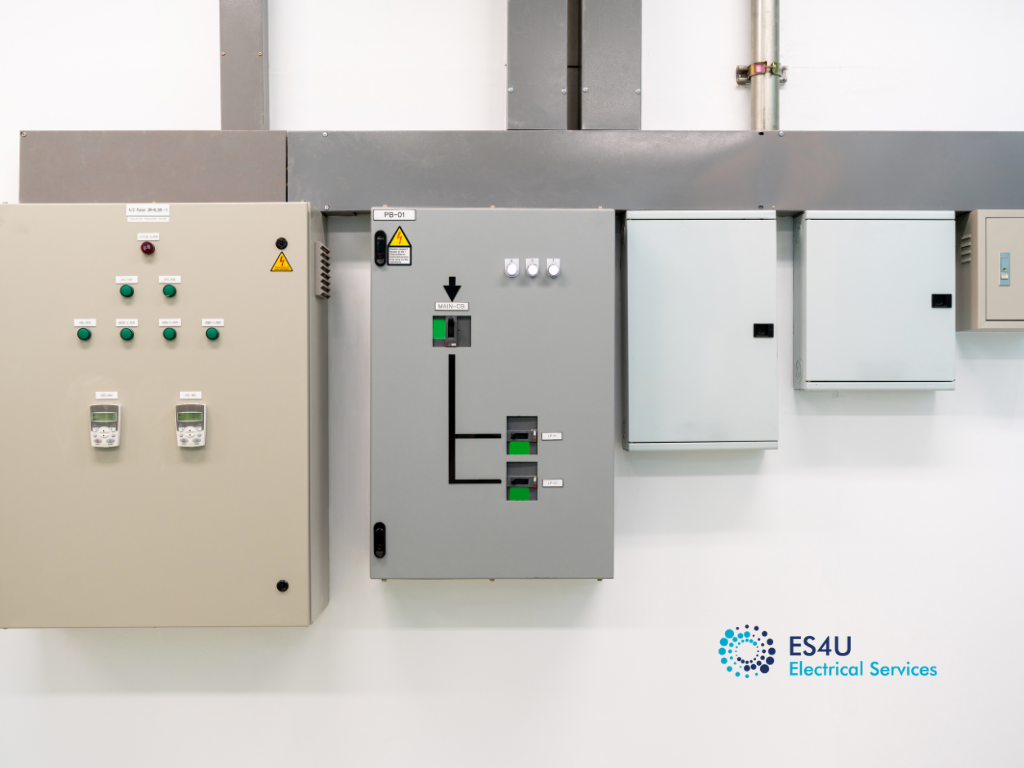
Check switchboards for signs that need professional attention
The switchboard is an important starting point for commercial electrical system maintenance because it distributes power throughout the property and contains protective devices for individual circuits.
A maintenance review may consider circuit identification, protective devices, visible physical condition and whether there are signs that something requires further investigation.
Repeated circuit tripping should not simply be reset again and again without understanding the cause. SafeWork NSW specifically recommends determining why an RCD, circuit breaker or other protective device disconnected the electricity before it is switched back on.
Other warning signs such as unusual heat, burning smells, damaged enclosures or unexplained outages also warrant professional attention.
Facility managers should not remove switchboard covers or attempt internal electrical work themselves. Electrical testing and repair should be left to suitably qualified people.
Check whether the system still matches the way the business operates
A commercial property can change significantly without the electrical installation changing at the same pace.
An office may add more workstations and air conditioning. A restaurant may install new refrigeration or cooking appliances. A warehouse might introduce machinery, chargers, conveyors or additional lighting.
Those changes can alter the demands placed on existing circuits and distribution equipment.
That does not automatically mean the business requires a commercial electrical service upgrade. The existing installation may have adequate capacity.
However, before major equipment is added, it is useful to understand whether the available circuits, switchboard configuration and power distribution are appropriate for the proposed load.
This is particularly important when the business is expanding or planning a larger commercial electrical project. Electrical capacity is easier to consider before equipment installation than after new machinery has already arrived on site.
Review Power Outlets, Cabling and Equipment Connections
Commercial workplaces can have hundreds of electrical connection points, particularly where desks, appliances, cleaning equipment and machinery are used throughout the day.
Damaged power points, loose fittings, frayed cords and visibly damaged electrical equipment should not become accepted simply because they have continued to work.
SafeWork NSW says regular visual inspection can identify many obvious electrical defects, including damaged cords. Equipment that is unsafe should be disconnected or isolated and should not be put back into service until it has been repaired, tested and found safe, or replaced.
Staff can play an important role by reporting obvious problems rather than attempting electrical repairs themselves.
A simple reporting process can also help prevent recurring faults from disappearing into informal conversations where no one knows whether the problem was actually resolved.
Pay closer attention to equipment exposed to demanding conditions
Not every workplace presents the same electrical risk.
A clean, dry office environment is different from a warehouse, commercial kitchen or manufacturing area where equipment may be exposed to moisture, heat, dust, vibration or mechanical damage.
SafeWork NSW describes these conditions as examples of a hostile operating environment. Plug-in electrical equipment used in these environments is subject to specific inspection and testing requirements, and the testing frequency depends on the equipment and conditions.
This makes warehouse electrical maintenance sydney planning different from maintaining a conventional office.
Equipment that is regularly moved, exposed to forklifts, used around production areas or affected by dust and vibration may require a different maintenance approach from stationary office computers.
The maintenance plan should therefore reflect how the workplace actually operates rather than applying one generic schedule to every electrical item.
Include General Lighting, Emergency Lighting and Safety Systems
Maintain everyday lighting as part of the electrical system
Lighting problems can appear minor compared with a complete power failure, but they still deserve attention.
Repeated lamp or driver failures, flickering fittings, damaged switches and lighting that no longer performs adequately can interfere with normal work and may indicate that further investigation is appropriate.
SafeWork NSW recommends regular inspection, testing and maintenance of lighting installations to help keep them operating safely and effectively.
Commercial lighting maintenance can also create an opportunity to review whether existing fittings still suit the workplace.
A business may have changed its floor plan, workstations or storage configuration since the original lighting was installed. In those cases, the issue may not simply be replacing a failed lamp. The lighting layout itself may deserve review.
This is where commercial electrical solutions can range from straightforward maintenance through to a more substantial lighting upgrade.
Treat emergency and exit lighting separately
Emergency lighting serves a different purpose from ordinary workplace lighting.
SafeWork NSW explains that emergency lights provide lighting during a power outage so occupants can evacuate, while illuminated exit signs help people find their way out of the building. It recommends regular testing and checking of emergency lighting to ensure it operates properly.
For a commercial property, emergency and exit lighting should therefore not disappear into a general “check the lights” maintenance item.
The applicable requirements depend on the building and its fire-safety arrangements, so facility managers should understand which systems apply to their premises and who is responsible for their inspection and records.
ES4U currently includes emergency lighting and fault-related electrical work among its commercial and industrial capabilities, making this an area that can be discussed alongside wider planned maintenance when relevant.
Build the Maintenance Plan Around the Type of Workplace
An electrical checklist is useful as a starting point, but it should not become a rigid template.
A standard office may depend heavily on computer circuits, lighting, communications equipment and air conditioning. A retail store may have display lighting, signage and point-of-sale equipment. A school has different occupancy patterns again.
SafeWork NSW guidance specifically notes that inspection and testing frequency depends on the equipment, its use and the operating environment. Lower-risk environments such as clean, dry offices may require a different approach from higher-risk workplaces.
The maintenance program should therefore begin by identifying what equipment and systems are critical to that particular organisation.
A site that cannot operate without refrigeration, for example, may place greater emphasis on the circuits supporting that equipment than a conventional office would.
This makes the maintenance schedule more useful because it connects electrical work to real operational needs.
Warehouses and workshops need their operating environment considered
Warehouses, manufacturing facilities and workshops often create more demanding conditions for electrical equipment.
Dust, vibration, moving machinery and the possibility of mechanical damage can all affect maintenance requirements.
SafeWork NSW specifically identifies manufacturing and workshop environments as examples where some plug-in equipment may require more frequent inspection and testing than the general annual interval suggested for hostile operating environments. The actual requirement still depends on the circumstances and applicable rules.
A warehouse electrical maintenance sydney program might therefore consider not only general power and lighting but also machinery connections, distribution equipment, movable electrical equipment and areas exposed to greater physical wear.
ES4U’s industrial services currently include warehouse electrical fit-outs, switchboards, power distribution, fault finding and emergency lighting, which are relevant capabilities when an industrial site needs both ongoing maintenance and broader electrical work.
The important point is to define the site first and build the maintenance approach around it.
Keep Testing, Fault History and Electrical Records Organised
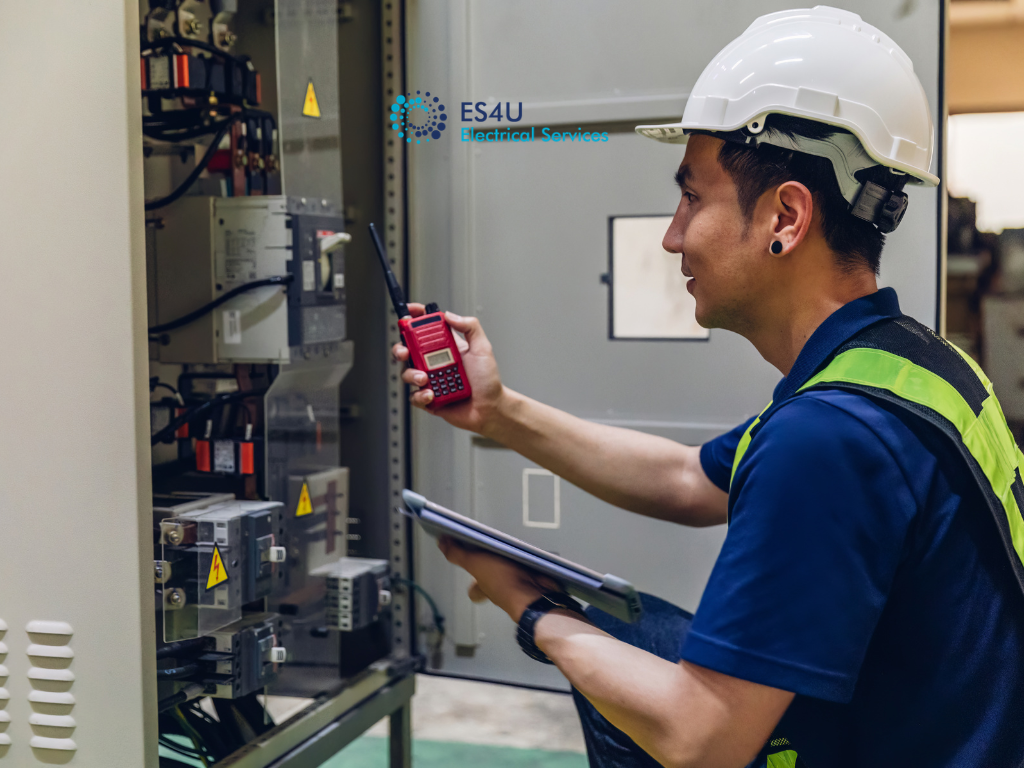
Record what was inspected, tested and changed
Good maintenance records make future electrical work easier.
They can show when equipment was last inspected, which fault occurred, what was repaired and whether the same circuit has caused repeated problems.
Records are particularly important where workplace electrical testing is legally required. For equipment used in hostile operating environments, SafeWork NSW requires relevant testing records to include who performed the test, the date, the outcome and the next testing date.
Documentation also matters when electrical installation work is completed.
In NSW, the process changed recently. From 1 July 2026, Certificates of Compliance for Electrical Work must be submitted through the Building Commission NSW eCert system rather than the previous handwritten or PDF submission methods.
A commercial property manager should therefore retain relevant electrical records rather than treating the completion of the physical work as the end of the job.
Over time, those records create a more useful history of the building.
Recurring faults can reveal where further investigation is needed
One isolated circuit trip may have a straightforward cause.
When the same circuit trips repeatedly, the same lighting area regularly fails or a particular piece of equipment continually loses power, the pattern becomes important.
Record when the fault happens, which area is affected and what equipment was running.
This information can make subsequent fault finding more focused.
It can also help distinguish between a localised maintenance issue and something that deserves a larger investigation or commercial electrical project.
For example, replacing one faulty fitting is different from discovering that a business has repeatedly altered the space and its electrical demands without reviewing the wider installation.
Maintenance records turn those individual events into evidence that can support better decisions.
Choose a Commercial Electrical Provider That Matches the Site
Commercial properties often need more than one type of electrical support.
A provider may be asked to investigate a fault today, service lighting later and eventually help with a switchboard or fit-out project.
When comparing commercial electrical services sydney providers, look at whether their capabilities match the property.
Relevant experience might include switchboards, lighting, emergency lighting, power distribution, fault finding, commercial fit-outs and planned maintenance.
ES4U currently lists commercial electrical design and construction, data and communication cabling, switchboard installation and labelling, plus emergency electrical repairs and fault finding among its commercial capabilities. Its industrial services also cover warehouse fit-outs, switchboards and power distribution.
That range can be useful when maintenance uncovers something that requires more than a minor repair.
The provider should still explain what the individual site needs rather than recommending a large upgrade automatically.
Look for maintenance support that can grow with the property
A commercial electrical service upgrade may become relevant when a business changes significantly.
Additional machinery, larger HVAC systems, new refrigeration, increased occupancy or a building renovation can all create different electrical requirements.
However, maintenance and upgrades should remain separate decisions.
If the existing system is suitable and the problem is limited to a faulty component, a wider upgrade may not be necessary.
If the inspection identifies a capacity or infrastructure issue, the electrician should explain why a broader change is being recommended.
Businesses searching for commercial electrical services australia should also remember that electrical licensing and regulatory processes are state-based in important respects. For a Sydney property, NSW requirements and documentation are particularly relevant.
A provider that understands both routine servicing and larger commercial electrical solutions can make it easier to plan the next step, but the recommendation should always begin with the condition and requirements of the actual site.
Know When Maintenance Should Turn Into a Call to an Electrician

Do not wait for the next scheduled visit when warning signs appear
Scheduled commercial electrical maintenance is useful, but some problems should not be left until the next planned visit.
Repeated tripping, burning smells, damaged outlets, exposed electrical components, unexplained power loss or equipment that appears electrically unsafe should be investigated promptly.
SafeWork NSW requires unsafe electrical equipment under a PCBU’s management or control to be disconnected or isolated and not reconnected until it is repaired or tested and found safe, or replaced.
Staff should also know how to report electrical problems.
A maintenance plan becomes much less effective if faults are noticed but never reach the facility manager or electrical contractor.
Where there is an immediate electrical danger, keep people away from the affected area and obtain qualified assistance rather than attempting an improvised repair.
Speak to an electrician before major equipment or layout changes
The best time to investigate electrical capacity is before a major business change has been finalised.
New machinery, refrigeration, HVAC equipment, additional workstations and renovations can all alter electrical requirements.
Contacting ES4U or another qualified commercial electrician early allows the proposed equipment and existing installation to be considered together.
ES4U’s current commercial information specifically identifies fit-outs, switchboard work, lighting, fault finding, maintenance and electrical upgrades among the situations where businesses may need electrical support.
Before the electrician attends, provide the site type, planned equipment changes, known faults and any existing electrical drawings, maintenance records or previous certificates you have available.
That information helps turn commercial electrical maintenance into an ongoing management process rather than a series of unrelated emergency calls.
A useful maintenance checklist ultimately does more than remind someone to inspect a few electrical components.
It should help the business understand which electrical systems are critical, which equipment is exposed to greater wear, what testing and records are required, and what changes are occurring across the property.
Switchboards, power outlets, equipment connections, lighting, emergency systems and fault history all deserve consideration, but the exact maintenance approach should reflect the site.
For Sydney businesses, that means building a maintenance program around the workplace rather than copying a generic timetable. When recurring faults, damaged equipment or major operational changes appear, the next step is to involve a suitably qualified commercial electrician and decide whether maintenance, repair or a broader upgrade is appropriate.
