

Buying meat becomes much easier once you stop asking, “Which cut is best?” and start asking, “How am I going to cook it?”
The most tender and expensive cut is not automatically the right choice for every meal. A steak that performs well over high heat may be poorly suited to a long braise, while a less expensive cut containing more connective tissue can become rich and tender when given enough time.
Australian Beef guidance reflects this distinction. Cuts such as scotch fillet, sirloin, T-bone, rump and fillet suit faster cooking methods such as grilling and barbecuing, while chuck, shin, blade and brisket are among the cuts suited to slow cooking. Australian Lamb guidance similarly recommends slower cooking for harder-working areas such as shoulder and forequarter cuts.
For anyone searching for a Butcher Sydney, understanding these differences can help you buy according to the meal, number of people, cooking time and budget rather than simply choosing whatever looks most premium in the display.
Match tenderness to how long the meat will cook
Different muscles perform different amounts of work while the animal is moving, and that affects their texture and the amount of connective tissue they contain.
Tender cuts from areas that do less work are generally well suited to fast cooking. This is why steaks such as fillet, scotch fillet, sirloin and rump are commonly prepared in a pan or on a barbecue.
Harder-working muscles often need more time.
Beef chuck, brisket and shin contain more connective tissue and can become tender through slower cooking methods. Australian Beef specifically recommends cuts such as chuck, boneless shin or gravy beef, topside, blade and round for slow cooking.
Lamb follows a similar principle. Shoulder and forequarter cuts come from more heavily worked parts of the animal and respond well to slow, moist cooking. Australian Lamb also identifies lamb legs, shoulders and shanks as useful slow-roasting options.
Therefore, before visiting a Butcher shop, decide whether you are grilling, roasting, braising, slow cooking or preparing a stir-fry. That one decision immediately narrows the range of suitable cuts.
Decide what you want the finished meal to be like
Cooking method is only the first consideration. Think about the final result as well.
If you want individual steaks with a browned exterior and tender centre, you need a cut suited to relatively fast cooking.
If you want meat that can be pulled apart with a fork, you need a different structure and more cooking time.
A family roast creates another set of requirements because portion size, bone, fat cover and carving all matter.
For a casserole, the priority may be flavour and the way the meat responds to slow cooking rather than how tender it feels when raw.
This is where advice from a Butchery can be useful. Instead of simply asking for “good beef”, explain what you are making.
Telling the butcher that you need meat for a four-hour casserole, Saturday barbecue or Sunday roast is much more useful because they can match the cut to the cooking method.
Choose Cuts Suited to Grilling, Barbecuing and Pan Cooking
Australian barbecues often put steaks at the centre of the meal, but different steaks provide different eating experiences.
Australian Beef lists fillet, rib eye or scotch fillet, sirloin or porterhouse, T-bone and rump among the cuts suitable for barbecuing.
Fillet is known for tenderness and is relatively lean. Scotch fillet contains more visible marbling and is valued for a combination of tenderness and rich flavour. Sirloin or porterhouse offers another balance of tenderness and flavour, while rump is a firmer, versatile option that can provide strong beef flavour and good value.
The right choice therefore depends on what you value.
Someone wanting maximum tenderness may choose differently from a customer who prefers stronger beef flavour or needs several steaks for a family barbecue.
Lamb cutlets and loin chops also suit quicker cooking. Campisi Butchery’s current lamb range includes loin chops, forequarter chops, cutlets, whole legs and boneless roasting cuts, demonstrating how different parts of the same animal are prepared for different cooking purposes.
Thickness can matter almost as much as the cut
Two steaks from the same part of the animal can cook differently if one is significantly thicker than the other.
An evenly cut steak is easier to cook consistently. Australian Beef specifically recommends choosing steaks of even thickness for more even cooking.
This is one advantage of discussing the meal with your butcher.
If you want large steaks to share, individual portions for several guests or thinner pieces for quicker cooking, ask whether the meat can be prepared accordingly.
Portion size matters as well.
Buying the most expensive steak available may make little sense if the portions are much larger than your guests need. Equally, very thin steaks may not suit the cooking method you had planned.
A knowledgeable Butcher Sydney customer can speak with should be able to help you think about cut, thickness and portion rather than treating every steak purchase the same way.
Choose Roasting Cuts Around the Occasion
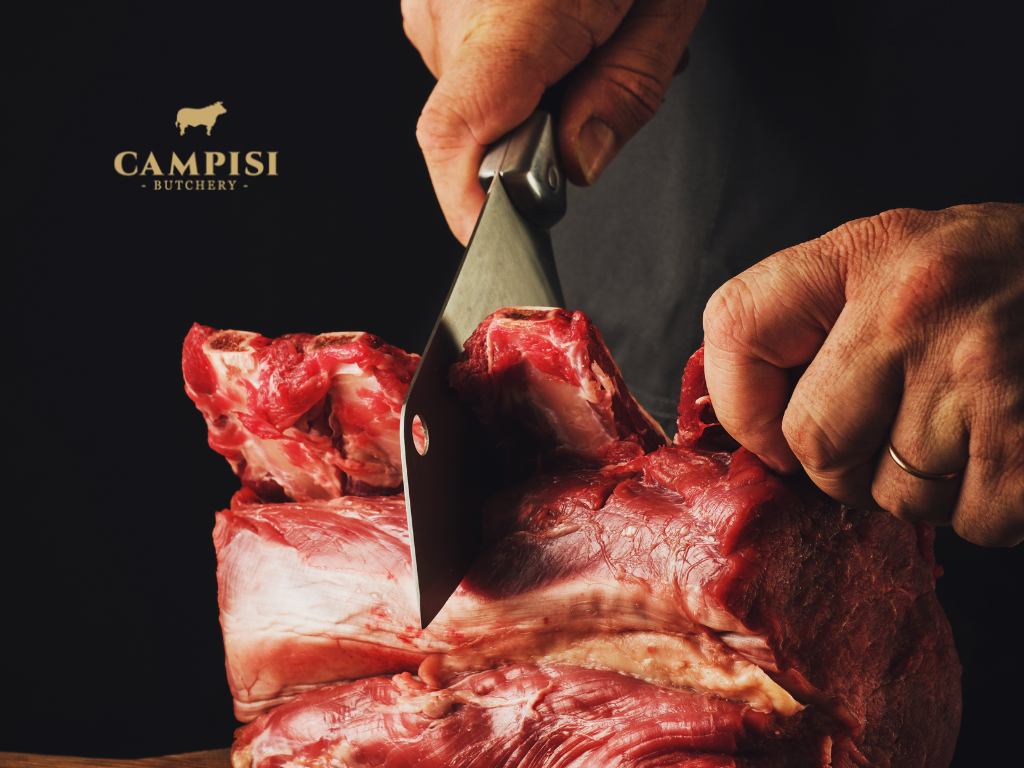
Match the roast to the number of people you are feeding
Roasting gives you more choices than simply buying the largest piece of meat in the cabinet.
For beef, Australian Beef identifies several suitable roasting cuts, including scotch fillet, rump, sirloin, fillet, standing rib roast, blade and topside, although individual cuts have different textures and cooking characteristics.
Lamb also offers several options.
A whole leg can suit a traditional larger meal, while a boneless or easy-carve roast can make carving more straightforward. Lamb shoulder is particularly useful where a slower cooking style and softer texture are desired.
The number of guests should influence the size you buy, but also consider whether you want leftovers.
If the roast is part of a large meal with several side dishes, the amount needed per person may be different from a meal where meat is the main focus.
Rather than relying on a fixed rule, tell the butcher how many people you are serving and what else will be on the table.
Bone, fat and shape change how you prepare the roast
Bone-in and boneless roasts each have practical advantages.
A boneless roast can be easier to portion and carve. A bone-in cut can provide a different presentation and cooking experience.
The shape of the roast matters because more uniform pieces generally cook more predictably.
Fat cover and marbling can also influence how the meat behaves during cooking, so do not choose a roast based solely on weight.
Australian Beef recommends using a meat thermometer to assess roast doneness rather than relying entirely on cooking time. It also recommends resting the roast before carving.
Australian Lamb similarly recommends checking roast temperature and allowing the meat to rest before carving.
If you are unfamiliar with the cut, ask the butcher how it is normally cooked rather than applying the same roasting method to every piece.
Give Slow-Cooking Cuts the Time They Need
Slow cooking is where understanding the cut can save money as well as improve the meal.
Beef chuck, shin, blade, brisket and other harder-working cuts contain connective tissue that benefits from longer, slower cooking. Australian Beef specifically identifies these types of cuts for casseroles, braises and slow-simmered dishes.
Brisket, for example, comes from a heavily exercised area and contains substantial connective tissue, making it better suited to slow cooking than quick pan frying.
Beef cheek and oxtail are other examples where extended moist cooking can produce a tender result.
For lamb, shoulder, shank and forequarter cuts follow a similar principle. Australian Lamb notes that forequarter cuts contain more connective tissue and are suited to slower, moist cooking.
The important lesson is that tenderness at the butcher counter is not the only measure of a useful cut.
Better value often comes from matching technique to the meat
Less expensive does not automatically mean lower quality.
Some cuts cost less partly because they require more preparation or cooking time rather than because they cannot produce an enjoyable meal.
Australian Beef notes that cuts such as rump and oyster blade can provide good value, while slow-cooking guidance specifically recommends several economical cuts for dishes requiring longer cooking.
For a family casserole, buying eye fillet would usually offer little advantage over selecting a cut designed for slow cooking.
In fact, the structure that makes some cuts unsuitable for a quick steak can be exactly what makes them work well in a long braise.
When speaking with Butchers sydney shoppers are comparing, give them your cooking time and budget.
Saying, “I need beef for a slow cooker and I want to feed six people,” is much more useful than simply asking for the cheapest meat.
Decide When Gourmet or Specialty Cuts Make Sense
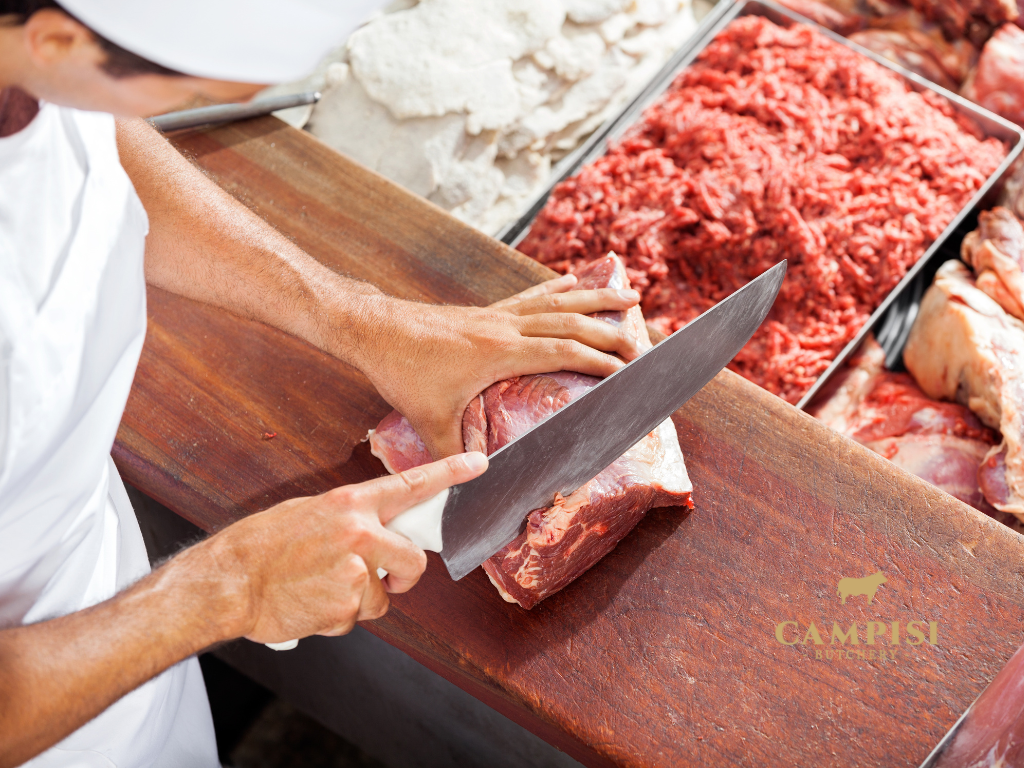
Save premium cuts for meals where their qualities matter
Gourmet Meats can make sense when the meat is intended to be the centrepiece of the meal.
A special steak dinner, celebration barbecue or formal roast may justify choosing a premium cut based on tenderness, marbling, preparation or presentation.
That does not mean premium is necessary for everyday cooking.
If meat is going into a curry, long braise or slow cooker, a different and potentially more economical cut may perform better.
A good Gourmet Butcher should therefore be able to suggest both premium and everyday options rather than automatically directing every customer toward the highest-priced cut.
The better question is: what qualities will you actually notice after applying your chosen cooking method?
That keeps the purchase connected to the meal rather than the label.
Ask about sourcing when it matters to your buying decision
Some shoppers want more information about how meat is sourced or produced.
If you are searching for an Organic Butcher sydney, ask specifically which products are organic and what product information or certification supports that description rather than assuming every item in a butcher shop follows the same production standard.
The same applies to free-range, grass-fed or other sourcing claims.
Ask what applies to the particular meat you are purchasing.
Campisi Butchery currently describes its range as including beef, pork, lamb, chicken, game meats and traditional smallgoods, alongside free-range and organic meat options. Its physical store is located in West Hoxton in South-West Sydney.
For shoppers who place importance on sourcing, asking these questions before ordering can be just as relevant as asking about the cut itself.
Choose a Butcher Based on Advice as Well as Range
A butcher is most useful when the conversation goes beyond pointing at meat in a display cabinet.
If you explain that you are making a roast, preparing a barbecue or cooking a casserole, the person serving you should be able to discuss suitable options.
That may include explaining why one cut suits slower cooking, suggesting an alternative within your budget or preparing portions that fit your recipe.
Campisi Butchery currently offers fresh beef, pork, lamb, chicken and specialty meats as well as Italian smallgoods. Its website also publishes cooking ideas and food tips, which aligns naturally with customers looking for advice as well as products.
That is the type of capability worth considering when comparing a Butcher Sydney rather than focusing solely on how close the shop is.
Convenience matters, but it should not be the only factor
Searching for a meat shop near me is an understandable starting point.
Fresh meat is something many people prefer to buy locally, and having a butcher close to home can make regular shopping easier.
However, distance is only one consideration.
Think about product range, whether meat can be cut or portioned for your needs, the quality of information available and whether staff can recommend alternatives when the cut in your recipe is unavailable.
If you regularly prepare Italian dishes, barbecue meats, slow-cooked meals or specialty products, a shop with a broader range may be more useful than simply choosing whichever store appears first in a local search.
Campisi Butchery’s West Hoxton store may therefore be relevant to shoppers in South-West Sydney looking for fresh meats, specialty products and traditional Italian smallgoods.
The useful comparison is whether the range and service match the way you actually cook.
Ask the Butcher Before Buying When the Recipe Is Unclear
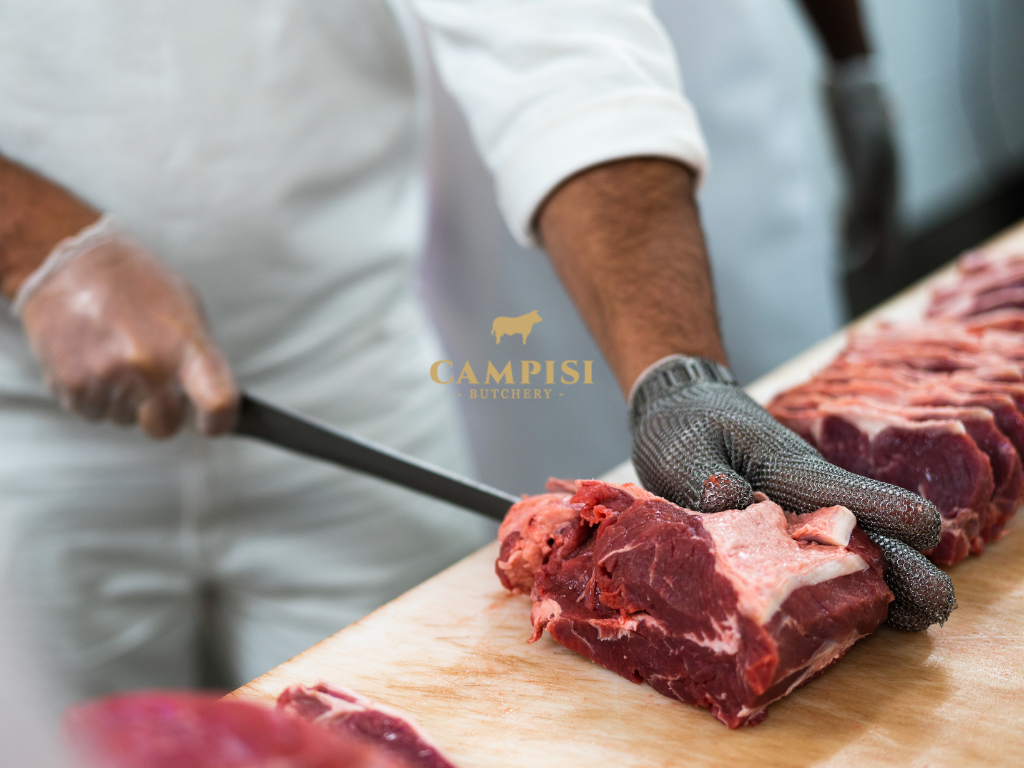
Explain how you intend to cook the meat
You do not need to memorise every beef or lamb cut before visiting a Butchery.
Instead, provide the information that helps the butcher make a useful recommendation.
Tell them whether you plan to grill, roast, braise or slow cook the meat. Mention how many people you are feeding and how long you have to cook.
If tenderness is your main priority, say so.
If your priority is keeping the meal within a particular budget, mention that as well.
This is especially useful when a recipe uses unfamiliar terminology. Cuts can sometimes have alternative names, and a butcher may be able to suggest an equivalent or more suitable option.
The Australian Beef cut guide itself shows how versatile some cuts can be. Blade and rump, for example, can be prepared in several ways depending on how they are portioned.
Bring the recipe when you are not sure what to request
If you are cooking an unfamiliar dish, showing the recipe can save confusion.
A recipe may call for “braising beef”, “roasting beef”, lamb shoulder or another broad description without explaining exactly which cut to buy.
The butcher can look at the cooking time and method and suggest an appropriate option.
When speaking with Campisi Butchery or another Sydney meat retailer, it can therefore help to know the recipe, number of servings and approximate budget before you order.
This also makes it easier to ask about preparation.
You may need meat diced for a casserole, thinly sliced for stir-frying, portioned into steaks or prepared as a roast.
Ultimately, choosing the right meat is less about memorising which cut is considered the most premium and more about matching the structure of the meat to the way it will be cooked.
Fast cooking generally favours tender cuts. Longer cooking gives harder-working cuts the opportunity to soften. Roasting sits between those approaches and provides many choices depending on the occasion, portion size and desired result.
The next time you search for a Butcher Sydney, start with the meal rather than the meat cabinet.
Know how you want to cook it, how many people you need to feed and what you want to spend. Give that information to the butcher and compare the options that genuinely suit the dish.
That approach can make choosing meat simpler, reduce unnecessary spending and give the cut a better chance to perform the way it was intended.
