

Not every roofing problem needs the same response. A roof with a blocked gutter or a small maintenance issue may simply need routine attention, while active water entry, damaged flashing or storm damage may require repair. An older roof with widespread deterioration can raise a different question again: whether restoration or more extensive work is the better long-term option.
For homeowners considering roof maintenance in Sydney, the challenge is knowing where normal upkeep ends and repair begins. NSW SES recommends checking roofs for leaks and damage, including loose tiles, metal sheets and screws, and keeping gutters, downpipes and drains clear because blockages can allow water to overflow into the roof cavity.
The most useful approach is to look at the condition of the whole roof rather than choosing a service by name alone. Maintenance, repair and restoration solve different problems, and the right choice should be based on what the roof actually needs.
Maintenance is about keeping problems from developing
Roof maintenance is preventive work. Its purpose is to identify and deal with smaller issues before they become larger defects.
That can involve checking roofing materials, keeping drainage paths clear, looking at flashings and penetrations, removing debris and dealing with minor deterioration where appropriate.
For Sydney homes surrounded by trees, gutter and valley maintenance may be particularly important because leaves and debris can interfere with drainage. NSW SES specifically advises homeowners to clear gutters, drains and downpipes regularly and to repair existing roof leaks and damage before severe weather.
Maintenance does not guarantee that a roof will never leak. Storms, ageing materials and unexpected damage can still create problems.
Instead, regular maintenance gives homeowners a better chance of identifying visible deterioration before it develops into water entry or a more expensive repair.
Repair starts when there is an actual defect
Roof repair is corrective rather than preventive.
If water is entering the home, tiles are broken, sheets have moved, flashing has failed or another part of the roofing system is no longer doing its job, maintenance alone may not be enough.
At that point, the objective changes from checking and preserving the roof to correcting a specific defect.
This distinction is useful when comparing quotations.
If one roofer recommends maintenance while another recommends repairs, ask what physical problem each contractor has identified.
The answer should explain whether the roof is simply due for upkeep or whether there is a defect affecting its weather resistance.
Australian Government home-maintenance guidance warns that leaks can quickly cause significant damage and recommends tracing and correcting their source rather than ignoring the visible symptoms.
Look for Signs That Routine Maintenance May Be Enough
Roofs naturally change as they age.
A small amount of dirt, debris in gutters, minor surface ageing or an isolated maintenance issue does not automatically mean the roof needs restoration or replacement.
For example, a property may simply need gutters cleared, loose debris removed and several areas inspected before storm season.
A sound roof can also have one small issue that is caught before it starts leaking.
The key is condition.
If roofing materials remain secure, there is no active water entry and the underlying roof is generally sound, routine maintenance may be all that is required.
However, homeowners should avoid making that judgement solely from ground level if there are signs they cannot explain.
A roof may look reasonable from the street while still having problems around valleys, penetrations or flashings.
Regular checks can catch deterioration earlier
The value of roof maintenance in Sydney is often in identifying changes over time.
A gutter that starts overflowing in heavy rain, a tile that has shifted, deteriorating sealant around a penetration or loose roofing components may all be easier to deal with before water reaches the interior.
NSW SES recommends repairing roof damage such as leaks, broken or missing tiles, loose sheets and damaged fasteners as part of storm preparation.
This does not mean homeowners should climb onto the roof after every storm.
A safer approach is to observe the roof from ground level where possible and pay attention to changes inside the property, such as new stains or moisture.
Where closer inspection is required, professional assessment is more appropriate than taking unnecessary risks on a roof, especially when surfaces are wet or damaged.
Know When the Roof Has Moved Beyond Routine Maintenance
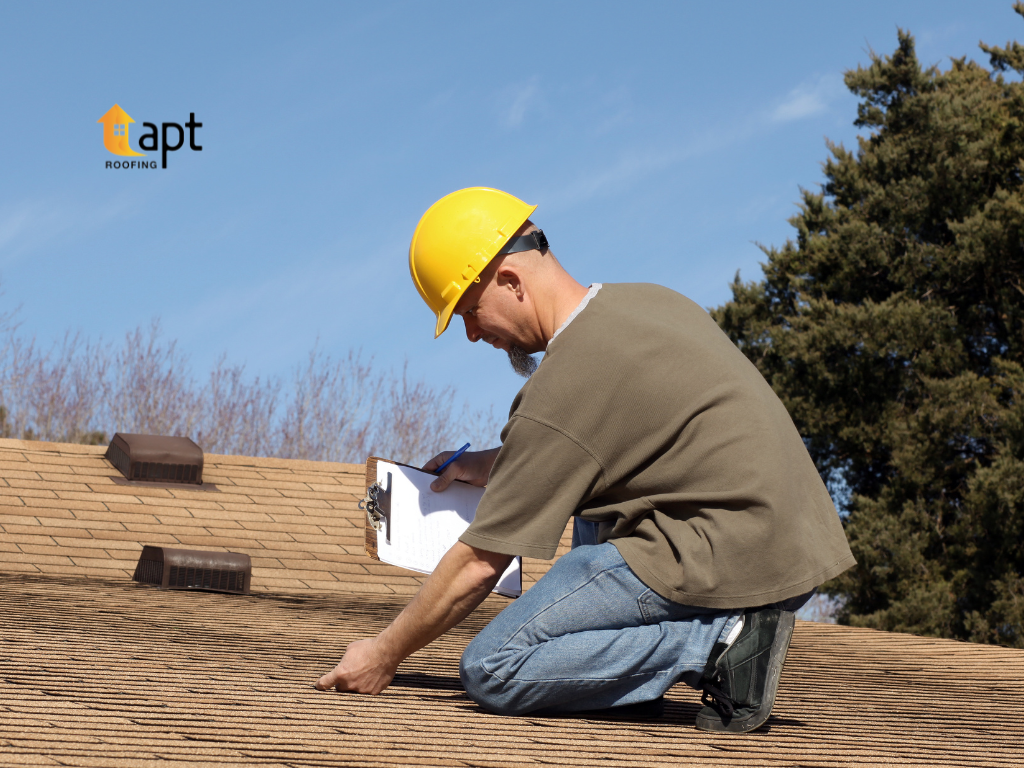
Active leaks and visible damage usually need repair
An active leak is one of the clearest signs that the issue has moved beyond normal preventive upkeep.
Water stains that grow during rain, dripping ceilings, wet insulation or repeated moisture in the same area all justify investigation.
Visible external damage matters too.
Broken or missing tiles, displaced metal sheets, damaged flashing and deteriorated fasteners can compromise the roof’s ability to keep water out.
A roof leak should not simply be painted over inside the house.
The source needs to be found and corrected.
If you notice a leak only during particular weather conditions, tell the roofer. Wind direction, rainfall intensity and how long the rain has been falling can all help with diagnosing where water may be entering.
Some problems justify faster attention
There is also a difference between ordinary repair work and situations where emergency roof repair sydney services may be appropriate.
Active water entry after a storm, roofing that has visibly lifted or moved, a fallen branch on the roof or a sagging water-damaged ceiling should be treated more seriously than a small historic stain.
Safety comes first.
If water has reached electrical equipment or the roof appears structurally damaged, avoid entering unsafe areas or attempting rooftop repairs yourself.
The Insurance Council of Australia advises homeowners affected by severe storms to prioritise safety and contact their insurer promptly where insured roof damage has occurred.
Temporary work may sometimes be needed to prevent further damage, but permanent roofing repairs should still address the actual cause once the property is safe.
Decide Whether Repair or Restoration Makes More Sense
One damaged section does not automatically justify restoring an entire roof.
If the rest of the roofing remains serviceable, targeted repair may be the more proportionate option.
That could involve replacing damaged tiles, repairing flashing, fixing guttering or correcting another limited defect.
The important question is whether the problem is genuinely isolated.
Ask the roofer to explain the surrounding roof condition as well as the specific defect.
If the rest of the system remains sound, there may be little benefit in expanding the scope unnecessarily.
This is where a clear inspection is valuable because it allows homeowners to compare the actual problem with the work being proposed.
Widespread deterioration may justify a broader assessment
Roof restoration in sydney becomes a more relevant discussion when deterioration is not limited to one location.
For tiled roofs, there may be broader problems involving tiles, ridge areas or surface condition. Other roof types may show widespread coating deterioration, corrosion or recurring defects across several areas.
The term roof refurbishing sydney may also be used by property owners looking for work that goes beyond a simple repair but stops short of complete replacement.
However, “restoration” or “refurbishment” should not be chosen simply because the roof looks old.
The contractor should explain what parts of the roof require work, what the proposed process will achieve and whether the roof structure and covering are suitable for restoration.
APT Roofing currently lists roof repairs, roof restorations, re-roofing and replacement among its Sydney roofing services, which means a homeowner can discuss more than one possible scope when the condition is unclear.
The decision should still be based on the roof itself rather than assuming the broader service is automatically better.
Understand Roof Repair Costs and Insurance Before Approving Work
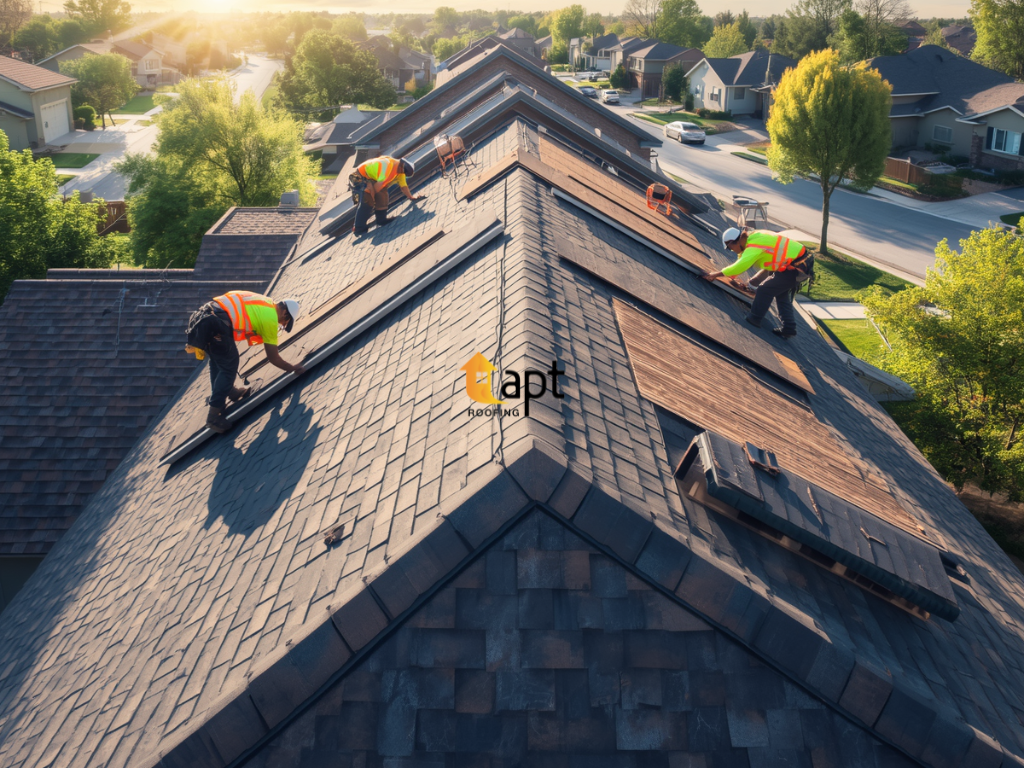
Roof leak repair cost depends on more than the visible stain
There is no meaningful single price for repairing a leaking roof because the cause and access requirements vary considerably.
A straightforward replacement of a small number of damaged components is different from repairing flashing in a difficult location or tracing a leak that has travelled through several parts of the roof cavity.
Roof type also matters.
Tiles, metal roofing, gutters, valleys and penetrations involve different materials and repair methods.
Access can influence labour requirements as well, particularly on steep or multi-storey properties.
The amount of internal water damage is another separate issue. Repairing the roof stops further water entry, but damaged plasterboard, insulation or internal finishes may require additional work.
When comparing roof leak repair cost, ask for a clear scope rather than comparing headline prices with no explanation of what is included.
A lower quotation may simply cover less work.
Insurance depends on the cause and the policy
Insurance creates another layer of complexity.
For homeowners researching roofing insurance Australia-wide, it is important to distinguish sudden insured damage from deterioration caused by poor maintenance or normal wear.
Moneysmart notes that most home policies cover storm damage, although the actual cover depends on the policy. It also recommends checking exclusions and the events your individual policy covers.
The Insurance Council of Australia explains that poor maintenance can affect a claim where lack of maintenance contributed to the damage. An insurer may reduce a payment, require maintenance work first or, in some circumstances, decline the claim.
After storm damage, photograph the affected areas where this can be done safely and contact the insurer before authorising significant building work.
Both the Insurance Council and Moneysmart recommend speaking with the insurer before spending money on repairs because insurers may need to authorise the work or use nominated repairers.
Insurance should therefore not be assumed simply because a roof has leaked.
The cause of the damage, maintenance history and individual policy conditions all matter.
Choose Roofing Solutions Based on the Actual Roof Condition
When homeowners receive several roofing quotations, it can be tempting to compare only the final figure.
A better comparison starts with the diagnosis.
Does each contractor agree about the cause of the problem? Is one proposing maintenance while another recommends restoration? Does the quote include flashings, gutters or other related work?
Different Roofing Solutions can produce very different prices because they may not be solving the same problem.
Ask for the scope to identify the affected area, the work proposed and any significant exclusions.
You should also understand what happens if additional damage is discovered once work begins.
A useful quotation does not need to predict every possible hidden condition, but it should make the intended work reasonably clear.
For a roof that has several issues, this is particularly important because a cheap isolated repair may not represent good value if another known defect is left unaddressed nearby.
Check licensing, insurance and relevant capability
Roofing work in NSW can involve regulated trades depending on the work being completed.
NSW Government guidance states that roof plumbing work includes installing, repairing and maintaining guttering, downpipes, flashing and relevant roof coverings, with licensing requirements applying to qualifying work. Roof tiling is also a licensed trade category.
When comparing contractors, confirm the licence is appropriate to the proposed scope.
Insurance is another useful trust signal.
APT Roofing currently publishes NSW contractor licence 202745C, valid to January 2028, together with current public liability and workers compensation insurance details. The company also lists roof repairs, restoration, re-roofing, guttering, downpipes and insurance-related Roofing work among its services.
Those details help with supplier comparison, but they should not replace a clear assessment of your particular roof.
The best provider is the one that can explain why maintenance, repair, restoration or replacement is appropriate and give you a scope that matches that recommendation.
Know When to Contact a Roofing Company

Arrange an inspection when the problem keeps returning
You do not need to wait for a major leak before seeking professional advice.
Recurring ceiling stains, gutters that repeatedly overflow, broken tiles, visible flashing deterioration or roofing damage after a storm are all reasonable reasons to arrange an inspection.
The same applies when maintenance has been carried out but the same problem continues.
Repeated repairs can sometimes signal that the source has not been fully identified or that deterioration is broader than first thought.
If you are unsure whether the roof needs maintenance or repair, that uncertainty itself can justify an assessment.
It is generally easier to make a sensible decision once you know whether the defect is isolated or part of a wider condition issue.
Give the roofer useful information before the inspection
When contacting APT Roofing or another Sydney roofing company, explain what you have noticed rather than simply asking for “roof maintenance”.
Describe whether there is an active leak, where it appears inside the property and whether it follows heavy rain or strong wind.
Mention previous repairs and the approximate age and type of roof if known.
If storm damage has occurred, let the contractor know whether an insurance claim has already been lodged.
Safe photographs taken from inside the property or from ground level can also help.
This information gives the roofer a better starting point and can make it easier to distinguish routine maintenance from work requiring immediate repair or broader restoration.
For Sydney homeowners, the simplest way to think about the decision is that maintenance is preventive, repair corrects a specific defect, and restoration deals with a wider area when the roof remains suitable for that type of work.
None of those options is automatically better than the others.
A roof in generally good condition should not be pushed toward unnecessary restoration, while an active leak should not be treated as routine maintenance simply to postpone repair.
Regular roof maintenance in Sydney is most useful when it catches issues early. When defects do appear, the next step should be based on the cause, extent of deterioration, safety considerations and the condition of the rest of the roof.
That approach gives homeowners a clearer basis for comparing quotations and choosing work that actually matches the property.
