

A soft toilet seat cushion may make an existing toilet feel more comfortable, but comfort is only one part of choosing bathroom equipment.
Some users mainly want a softer sitting surface. Others have difficulty lowering themselves, standing up, balancing or transferring from a mobility aid. In those situations, a raised toilet seat, grab rail or toilet support frame may be more appropriate than a cushion alone.
Before buying a toilet seat pillow or other bathroom medical equipment, it is important to identify the actual problem, measure the toilet and understand how the product will stay securely in place.
This guide explains what to compare, when another product may be more suitable and when professional advice should be considered.
Comfort and support are not the same
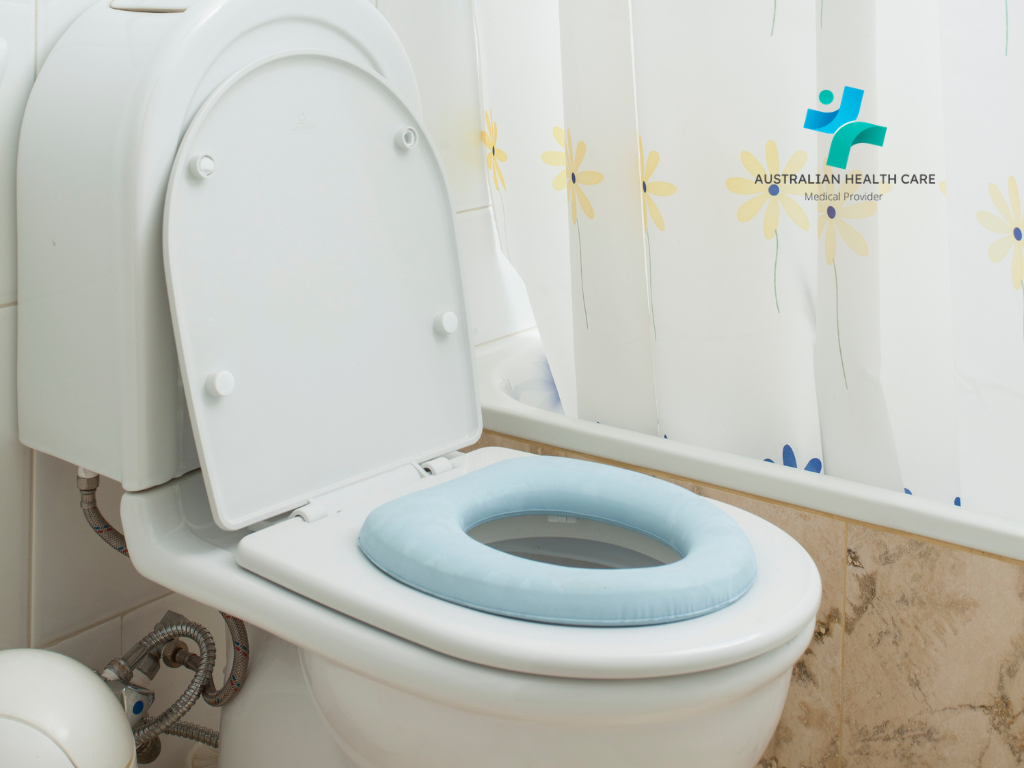
A soft toilet seat cushion is generally designed to add padding to the existing seat.
The cushioned surface may feel more comfortable for a person who finds a standard hard toilet seat unpleasant. However, softness does not automatically make sitting down or standing up safer.
A cushion toilet seat does not normally provide the same function as a grab rail, toilet frame or raised seat. Those products may assist with height, stability or hand support, depending on their design.
It is therefore important not to treat all bathroom aids as interchangeable.
Claims that a particular cushion prevents pressure injuries, treats pain or supports a medical condition should be supported by product-specific evidence and professional advice.
Identify the user’s main difficulty
Begin by asking what makes using the toilet difficult.
If the main concern is the hardness or temperature of the existing seat, a cushioned toilet seat may address that preference.
If the toilet is too low, a raised toilet seat may be more relevant because it reduces the distance the user must lower themselves and rise again. Raised toileting seats are recognised as medical devices in Australian Register of Therapeutic Goods entries, although the regulatory status of any particular product should be checked individually.
If the person needs something to hold while sitting or standing, grab rails or a toilet support frame may be more useful.
Where balance, weakness, recent surgery or repeated falls are involved, product selection should not rely only on an online description.
Check the Toilet and Bathroom Space
Toilet seats are available in different shapes and dimensions, so a universal cushion may not fit every toilet securely.
Measure the external width and depth of the existing seat. Then measure the internal opening and note whether the front is rounded, elongated or more square.
Check where the hinges are positioned and whether the cushion could interfere with the lid, flush controls or nearby fittings.
The product dimensions should be compared with the usable seat area rather than the toilet bowl alone.
A cushion that overhangs significantly may move during use. A product that is too small may leave uncomfortable edges or fail to sit evenly.
Where the cushion attaches underneath or around the seat, confirm that there is enough clearance for straps or fasteners.
Review access around the toilet
The area around the toilet can affect whether equipment is practical.
Check the distance between the toilet, walls, vanity, shower screen and doorway. Consider whether a walking frame or wheelchair needs to approach the toilet and whether a carer requires space to assist.
A thicker cushion or raised seat may change the user’s sitting height. This can affect foot contact with the floor and the way the person transfers.
Bathroom changes may also need to work with existing rails or fittings. The NDIS notes that home adaptations and assistive technology can include grab rails and other equipment that make bathrooms safer and more accessible.
If the available space is limited or the transfer is complex, an occupational therapist can assess the complete bathroom rather than recommending one item in isolation.
Compare Cushion Materials and Attachment
Choose a practical surface and padding level
A soft toilet seat should provide enough cushioning without feeling unstable.
Very soft padding may compress unevenly or make the user feel less secure. A firmer cushion may provide a more stable surface while still reducing contact with the hard seat.
Check whether the cover is water-resistant and whether seams or openings could retain moisture. The surface should be suitable for regular bathroom cleaning.
Some products have removable covers, while others are cleaned as one piece. The product instructions should explain which cleaning products can be used.
Strong chemicals, abrasive pads or excessive soaking may damage some materials.
The user should also consider whether the seat feels warm, sticky or difficult to move across during transfers. Comfort can be personal, so return conditions are worth checking before opening or using the product.
Check how the cushion stays in place
A toilet seat cushion should remain stable during normal use.
Products may use straps, hook-and-loop fasteners, clips or a non-slip underside. The attachment method must suit the shape and construction of the existing toilet seat.
Check whether the cushion can move sideways or lift when the user changes position. Movement may be especially concerning for a person with limited balance.
Fasteners should also be accessible for cleaning and inspection. Worn straps, damaged stitching or loose attachments should not be ignored.
Follow the manufacturer’s installation instructions rather than adding unapproved ties, adhesives or fittings.
If the product cannot be secured correctly to the existing seat, another model or type of bathroom aid should be considered.
Decide Whether Another Bathroom Aid Is More Suitable
A toilet seat pillow and a raised toilet seat may appear similar because both sit above the standard seat, but their main purposes differ.
A cushion is primarily intended to add softness. A raised toilet seat is designed to increase sitting height.
Additional height may assist some people who have difficulty bending their hips or knees, lowering themselves or standing. However, too much height may leave the feet unsupported or make the toilet unsuitable for a shorter user.
The correct height depends on the person’s body measurements, movement and transfer method.
Some raised seats attach directly to the toilet, while others form part of a freestanding toileting frame. Product fit, stability and user limits should be confirmed before purchase.
Professional advice is recommended where the person has significant mobility limitations or is uncertain about the correct height.
Consider grab rails, toilet frames and bench seating
A cushion does not provide a handhold.
Someone who needs support while approaching, turning, sitting or standing may benefit from correctly selected grab rails or a toilet frame.
Healthdirect notes that raised toilet seats and nearby grab bars can help make toilets more accessible for some people, while occupational therapists can advise on suitable equipment and strategies.
A handicap safety grab bar supplier can explain product features, but the correct position and installation may require assessment by an occupational therapist and work by an appropriate tradesperson.
Medical bench seats or shower chairs may also be relevant where the user has difficulty standing during bathing. These products serve a different purpose from toilet cushions and should be selected according to the bathroom layout and user’s needs.
The NDIS identifies simple shower chairs and handrails as examples of low-risk assistive technology, but complex bathing and toileting devices may be higher risk and require written professional advice.
Review Hygiene, Safety and Product Information

Make daily cleaning manageable
Bathroom equipment should be easy to inspect and clean.
Check the cushion after use for moisture, staining, cracking, compression or damage to its fasteners. Allow it to dry as directed before reinstalling or using it again.
If the cover is removable, confirm whether it can be machine washed or must be cleaned by hand. Follow the temperature and detergent instructions provided by the manufacturer.
The underside and existing toilet seat should also be cleaned. Moisture trapped between the two surfaces can create hygiene problems.
Replace the product if the cushioning no longer returns to shape, the surface splits or the attachment becomes unreliable.
Do not cover damage with tape or another material unless the manufacturer specifically approves that repair.
Check product limits and Australian supply details
Read the intended-use statement, dimensions, user limits, warnings and instructions before purchase.
Some toileting and bathroom products may be medical devices, depending on their intended therapeutic purpose and the claims made by the supplier. Unless exempt or excluded, medical devices must be included in the Australian Register of Therapeutic Goods before lawful supply in Australia.
The ARTG is a public database that can be used to check information about devices approved for Australian supply.
Not every padded toilet seat will necessarily be regulated in the same way. Ask the supplier for the manufacturer, Australian sponsor and ARTG details where applicable.
Product information should not make unsupported promises about treating pain, preventing falls or managing pressure-related conditions.
Choose the Right Product and Supplier
A low price is not useful if the product does not fit the toilet or remain stable.
Compare the external size, opening, padding, attachment method, surface material and cleaning instructions.
Check whether the product has a stated user limit and whether the existing toilet seat must be removed before installation.
Review the warranty and return conditions. Hygiene products may have restrictions once packaging is opened or the item has been used.
Ask whether replacement covers or attachments are available. A product that cannot be maintained may need complete replacement when one component wears out.
A reliable supplier should clearly explain what the product is designed to do and where its limitations begin.
Know when professional advice is needed
Professional advice is important when the user has difficulty transferring, reduced balance, complex disability, recent surgery or a history of falls.
An occupational therapist can assess the toilet height, bathroom layout, transfer method and surrounding support. A physiotherapist, nurse or doctor may also contribute depending on the person’s condition.
Healthdirect explains that healthcare professionals can assess mobility needs and suggest appropriate aids.
The NDIS also recommends getting advice before purchasing low-cost assistive technology for the first time so that the product is appropriate and provides value.
A supplier can explain product dimensions and features, but this should not replace individual clinical assessment where safety or complex care is involved.
When to Contact Australian Health Care

Ask for help comparing bathroom products
Australian Health Care can be contacted when a customer needs help comparing a soft toilet seat cushion with other bathroom medical equipment.
Supplier guidance can clarify product dimensions, attachment methods, surface materials and included accessories.
Explain whether the main concern is seat comfort, toilet height, standing support or bathroom access. This helps separate products that may look similar but perform different functions.
Australian Health Care can provide general product information, but a health professional may still need to recommend the correct solution where mobility, transfers or pressure care are involved.
The aim should be to identify a product that fits the toilet and supports the intended task without making unsupported health claims.
Prepare useful information before ordering
Measure the existing toilet seat, including its width, depth, internal opening and shape.
Describe how much space is available beside and in front of the toilet. Mention any existing grab rails, frames or mobility aids.
Provide relevant user measurements and any written recommendation from an occupational therapist or another health professional.
Ask about attachment, cleaning, user limits, warranty, returns and delivery.
Where the product is supplied as a medical device, request the information needed to confirm its Australian regulatory status.
By comparing the user’s actual needs, the toilet dimensions and the complete bathroom setup, customers can decide whether a cushioned seat is appropriate or whether another form of support would be safer and more useful.
