

Acrylic sheets are used across Sydney for signs, retail displays, protective screens, shelves, decorative panels and replacement glazing. Although many of these projects begin with a simple sheet, the correct material depends on much more than length and width.
The colour, surface finish, thickness and cutting method can all affect how the finished panel looks and performs. Some projects need only a flat rectangular sheet, while others require drilled holes, polished edges, curved profiles, bending or complete Acrylic fabrication.
For customers comparing Acrylic Sheets Sydney suppliers, preparing a clear project description can make product recommendations and quotations more accurate. This guide explains the main choices and what to consider before ordering.
Identify how the sheet will be used
The intended application should be established before choosing the material.
A clear counter screen needs good visibility and suitable support. A coloured sign panel may place greater importance on appearance, while a display shelf needs enough rigidity for the items placed on it.
A replacement panel for a frame must fit accurately and allow for the fixing method. A freestanding display may need several fabricated parts, including a base, side panels and bonded joints.
Even when two panels have the same size, their requirements can be different. One may be supported along every edge, while another is fixed only at a few points.
Explain whether the acrylic will be used for signage, a shelf, an acrylic screen, a retail display, a machine cover or a window-style panel. This gives the supplier a better basis for discussing material and thickness.
Consider the installation environment
The location of the panel can influence the final specification.
Indoor projects may focus on visual clarity, colour and cleaning. Outdoor applications may also need consideration of sunlight, temperature movement, wind, fixing and exposure to weather.
The way people interact with the panel also matters. A display cover that is rarely touched has different requirements from an acrylic screen positioned at a supermarket checkout.
Safe Work Australia states that workplace screens should be fit for purpose, allow people to work safely and avoid negatively affecting ventilation or comfort.
If the acrylic forms part of a regulated building, safety or glazing application, the complete design may need assessment against relevant legal, engineering or Australian Standard requirements.
Compare Acrylic Colours and Surface Finishes
Clear acrylic is often selected where visibility is important, including protective screens, display cases, sign covers and replacement transparent panels.
Frosted acrylic can allow light through while reducing direct visibility. It may suit privacy panels, office partitions, decorative features and illuminated signage.
Tinted sheets can reduce brightness or create a particular visual effect, while solid colours are commonly used for signs, displays and fabricated products.
Mirrored acrylic is another decorative option, but it should not automatically be treated as a direct replacement for glass mirror in every setting. Surface appearance, distortion, fixing and cleaning should be considered.
Customers comparing Acrylic Sheets Western Sydney options should ask to see physical samples because online images and screen settings may not represent the exact colour or transparency.
Decide whether appearance or function is the priority
A customer-facing display may need a clean surface, polished edges and carefully positioned fixings.
A hidden machinery panel or internal template may only need accurate dimensions and holes. Paying for polished edges in this situation may provide little practical value.
The finish should also suit the cleaning method. Acrylic can scratch if it is cleaned with unsuitable materials or abrasive products. The supplier’s care instructions should be followed for the specific sheet.
Protective film is often left on the faces during cutting and fabrication. Ask when it should be removed, particularly when the panel will be installed by another contractor.
By deciding which faces and edges remain visible, the customer can request finishing only where it contributes to the final result.
Select a Suitable Sheet Thickness
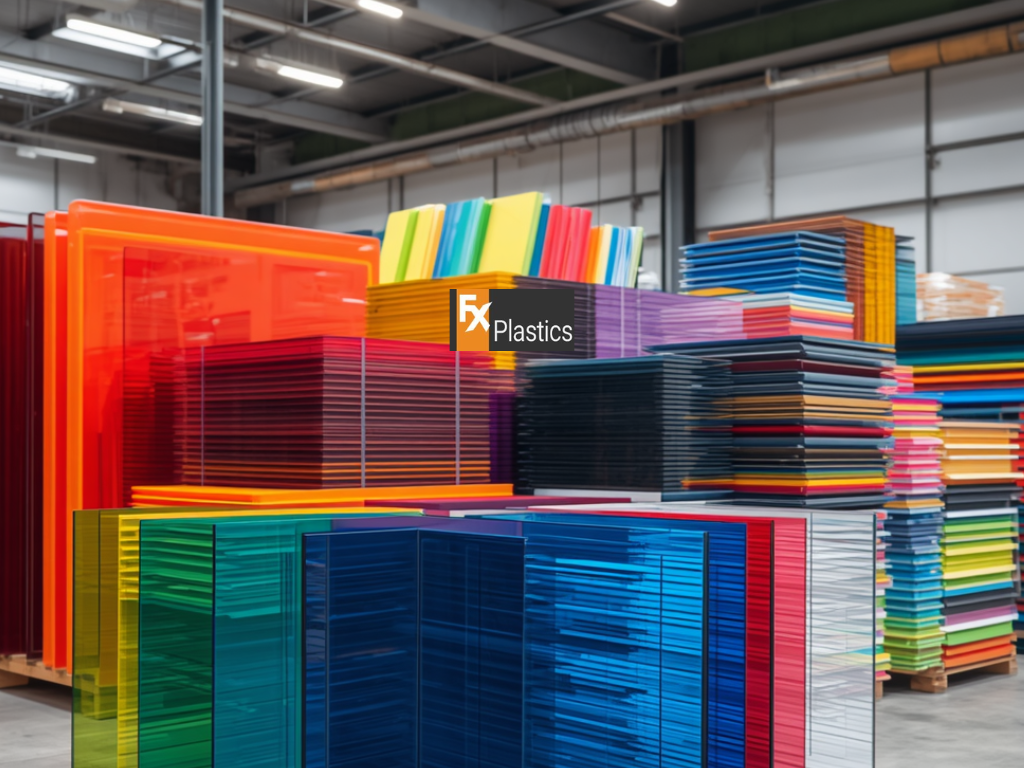
Match thickness to size and support
Acrylic is available in different thicknesses, but there is no single option that suits every project.
A small sign fitted securely inside a frame may remain stable at a thinner specification. A large freestanding screen may require greater thickness, additional brackets or a different support design.
Horizontal sheets, such as shelves and covers, may also need more rigidity than vertical decorative panels. The expected load and distance between supports should be considered.
Thickness should therefore be selected using the panel dimensions, fixing arrangement and use rather than appearance alone.
Where the acrylic performs a protective, load-bearing or safety-related function, the required thickness and support should be confirmed by an appropriately qualified person.
Increasing thickness can improve rigidity, but it also increases weight and can affect fittings, hinges and installation.
A thicker clear sheet produces a more visible edge, which may be attractive in display products when polished. However, it may require different cutting or machining processes from a thinner panel.
Hole diameters and positions should suit the selected fasteners. Fixings should not place excessive pressure on the acrylic, and suitable allowances may be needed around holes and panel edges.
The supplier should be told whether the sheet will be screwed, clamped, framed, bonded or supported in another way.
This information can influence the recommended thickness as well as drilling and edge details.
Choose the Right Cutting and Fabrication Process
Simple rectangles may be produced with standard sheet-cutting equipment, while detailed profiles can require laser cutting, routing or another machining method.
Acrylic Laser Cutting Sydney services can be suitable for lettering, circles, repeated components and detailed external shapes. Laser cut acrylic may also have a clean edge appearance, depending on the sheet type, thickness and equipment settings.
Mechanical cutting or routing may be more appropriate for some thicker materials, straight panels, internal openings or projects requiring additional machining.
The best process depends on the design, quantity, tolerance, edge requirement and material.
Customers should ask which method is proposed and whether any polishing or finishing is included after cutting.
Add drilling, bending and bonding where needed
Many projects require more than a flat cut sheet.
Drilled holes may be needed for mounting brackets, handles, hinges or cable access. Routed slots and cut-outs may be required around equipment or fittings.
Heat bending can be used to form selected acrylic parts, while bonding can join panels into display cases, covers and other three-dimensional products.
These processes fall within wider Acrylic fabrication rather than basic sheet cutting.
A production drawing should show all dimensions, hole locations, corner radiuses and bends. Where the component has a front face or a particular orientation, this should also be identified.
For more complex projects, a prototype or first article may be useful before the full quantity is produced.
Plan Acrylic Screens and Display Units Carefully
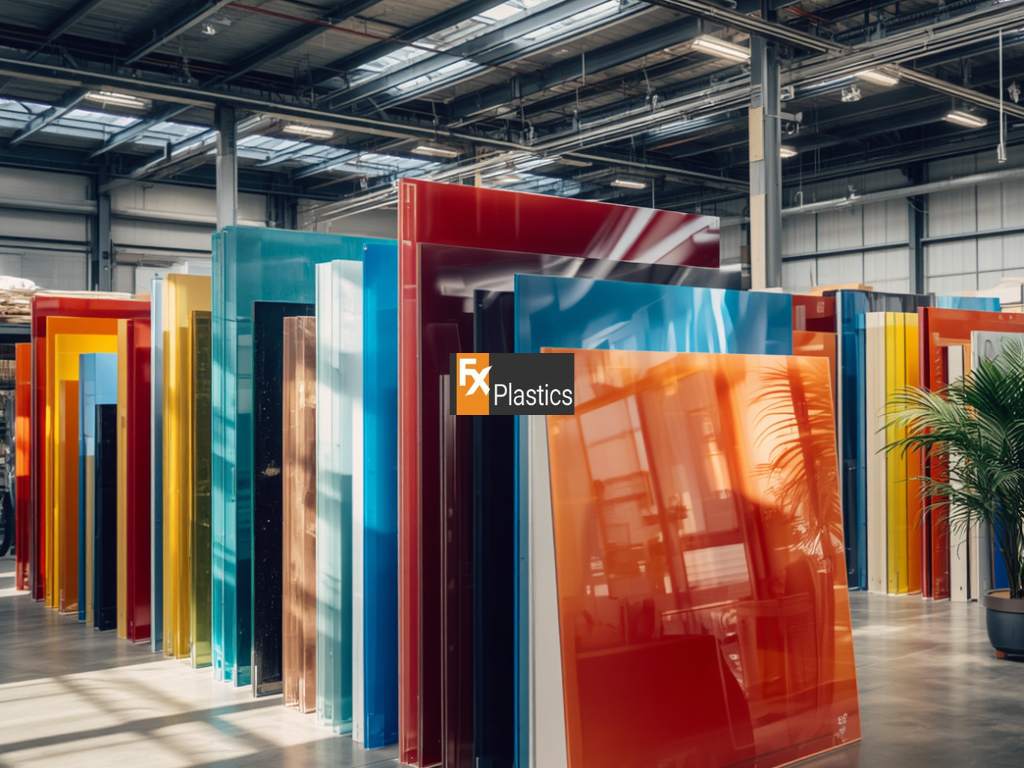
Design screens around staff and customer movement
Acrylic screens are often used at retail counters, reception desks, pharmacies and supermarket checkouts.
The screen should suit the height and width of the work area while allowing staff to communicate, pass items and use equipment safely.
Acrylic screens for supermarkets may need service openings, stable feet or fixed brackets. They should not obstruct payment terminals, scanners, conveyor areas or emergency access.
Cleaning access should also be considered. Very narrow gaps between the screen and counter can collect dust and become difficult to reach.
The design should account for ventilation and worker comfort rather than creating a completely enclosed area without assessment. Safe Work Australia specifically advises businesses to consider whether a screen affects ventilation and safe work.
Match displays to products and daily use
Retail displays can include shelves, product stands, sign holders, covers and complete enclosures.
The design should reflect the weight and dimensions of the displayed products. Shelves may require suitable support spacing, while display covers need enough clearance to fit over the item without contact.
A food display unit may also need practical cleaning access and a design that does not create difficult corners. Food-contact or food-premises suitability should be confirmed for the exact application. Removable components can make restocking and cleaning easier, while bonded construction may provide a cleaner appearance for permanent displays.
Before fabrication, consider how staff will move, refill and clean the display during normal trading.
Compare Acrylic with Glass and Other Plastics
Acrylic is frequently considered as an alternative to glass because it can provide a clear surface at a lower weight and can be cut, drilled, routed, bent and bonded into custom shapes.
These characteristics make it useful for signs, screens, displays and decorative panels.
However, acrylic and glass do not behave in the same way. Acrylic may be easier to fabricate and handle, while glass can offer different scratch resistance, stiffness, heat performance and regulatory suitability.
The acrylic vs glass windows cost comparison should therefore include more than the material price. Cutting, polishing, framing, installation, hardware, replacement and compliance can all affect the completed cost.
A proper comparison should use the same finished dimensions and installation requirements.
Recognise applications that require professional assessment
Acrylic should not be substituted for glass or another material without checking the demands of the application.
Windows, doors, balustrades, overhead glazing and other building elements may be subject to structural, impact, fire, weather and compliance requirements.
Standards Australia explains that AS 1288:2021 covers the selection and installation of glass in buildings, including factors such as wind loads, human impact, fixing and thermal stress. It applies to glass rather than automatically approving acrylic as a substitute.
Australian Standards can also become mandatory when referenced by legislation or regulation.
For this reason, a designer, engineer, certifier or other qualified professional should confirm whether acrylic is suitable for a regulated building application.
When to Contact FX Plastics
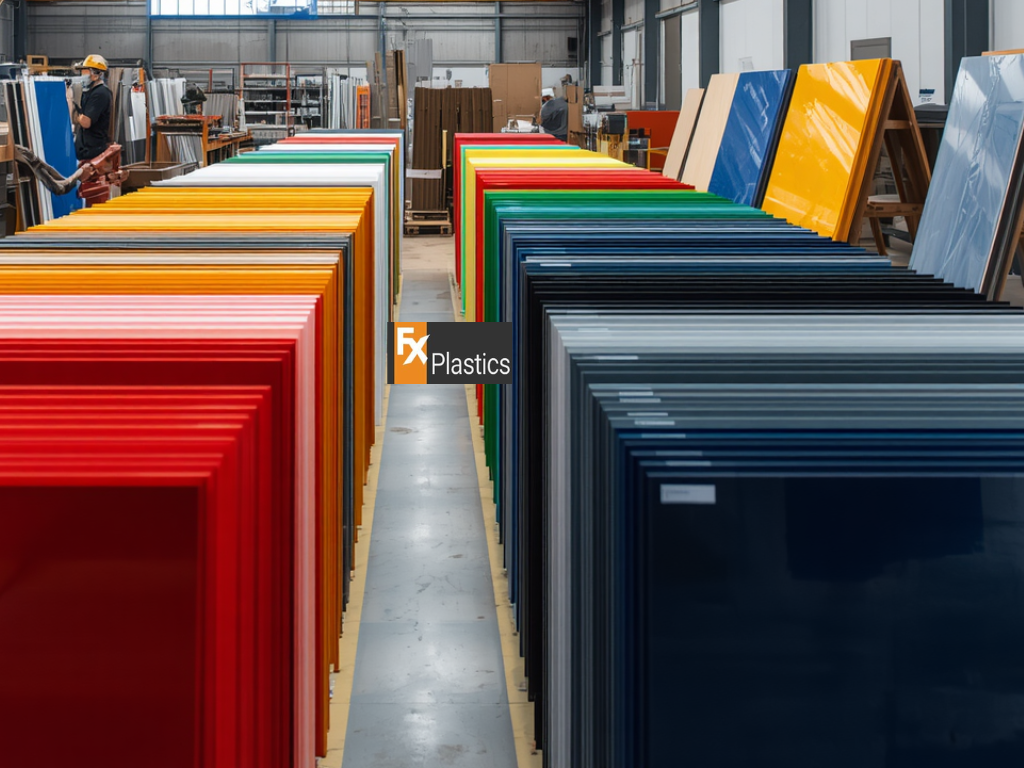
Seek advice before ordering custom sheets
FX Plastics can be contacted when a customer needs help selecting acrylic type, colour, thickness, cutting or fabrication.
Supplier advice is especially useful when the project involves a large screen, visible polished edges, custom holes, curved profiles or several bonded components.
The discussion should begin with the intended use rather than only the sheet dimensions.
For example, explain whether the panel is for a supermarket screen, display case, sign, shelf, cover or replacement window-style panel.
FX Plastics can also be approached where the project needs Design and Fabrication support rather than only a flat sheet.
Prepare a complete project brief
Before requesting a quotation, provide the finished length, width, thickness and quantity where known.
Include a drawing that shows holes, slots, cut-outs, corner radiuses and bends. Identify which edges require polishing and which will be hidden.
Explain how the panel will be mounted, what it needs to support and whether it will be used indoors or outdoors.
Provide the delivery or collection location, particularly when seeking Acrylic Sheets Western Sydney services.
The required completion date should also be included, although final timing will depend on material availability and the amount of fabrication involved.
A complete brief allows FX Plastics or another supplier to provide a more accurate recommendation and reduces the chance of ordering acrylic that does not fit or suit the intended application.
