

Dealing with roof damage after severe weather can be stressful, particularly when you are unsure whether your insurance will pay for the repairs. For Australian homeowners, storm damage roof repair may involve replacing broken tiles, repairing metal roofing, addressing water leaks or restoring sections affected by strong winds and hail.
While many home building insurance policies provide protection against certain storm events, having insurance does not automatically mean every roofing problem will be covered. Insurers consider the cause of the damage, the condition of the roof before the storm and the specific terms of the policy when assessing a claim.
Understanding how insurance assessments work can help homeowners document damage, arrange appropriate inspections and make informed decisions about repairs. This guide explains what may be covered, how to prepare a claim and what to consider when selecting a roofing contractor in Sydney.
Understanding How Home Insurance Covers Roof Damage
What Types of Storm Damage May Qualify for Insurance?
Most home building insurance policies include some protection against sudden damage caused by insured weather events. Depending on the policy, this may include roof tiles displaced by strong winds, metal roofing damaged by hail or roofing materials affected by falling branches.
However, the circumstances surrounding the damage are important. An insurer generally needs to establish that an insured event caused the problem before agreeing to pay for storm damage roof repair. Certain resulting damage inside the home may also be covered, depending on the policy’s provisions.
A leak that appears during heavy rainfall does not necessarily prove that the storm caused the roofing defect. The insurer may need to determine whether the water entered through newly damaged materials or an existing problem.
How to Understand Your Roofing Insurance Policy
Homeowners researching roofing insurance australia should begin by reviewing their home building insurance documents. Roof damage is usually considered under building insurance rather than a separate standard roofing policy.
The Product Disclosure Statement (PDS) and policy schedule explain which events are covered, what exclusions apply and whether an excess is payable. They may also describe specific conditions relating to maintenance, water damage and repair authorisation.
If you are uncertain about the wording, contact your insurer before arranging non-urgent repairs. Ask what evidence is required, whether an inspection will be organised and how approved repairs are handled. Clarifying these details early can help you understand your responsibilities and potential expenses.
Identifying Damage Caused by Storms and Existing Problems
How Hail, Wind and Heavy Rain Affect Roofing
Different weather events can cause different types of roofing damage. High winds may dislodge tiles, loosen metal sheets or affect roof flashing, while hail can damage roofing surfaces depending on the severity of the impact and the material involved.
Heavy rainfall may enter through damaged roofing components, but it can also reveal problems that developed before the storm. Water stains, damp ceilings and leaks are important warning signs, although they do not establish the exact cause of water entry.
When considering storm damage roof repair, a qualified roofing professional can inspect the affected areas and identify visible defects. The findings may help distinguish between recent storm-related damage and conditions that require further investigation.
Homeowners should avoid climbing onto a damaged roof. Photographs should only be taken from locations that are safe to access.
Why Maintenance Issues May Affect Your Claim
Insurance policies commonly distinguish sudden insured damage from problems associated with ordinary deterioration or insufficient maintenance. For example, long-standing corrosion, damaged flashing and ageing roofing materials may be assessed differently from roofing components that were suddenly damaged during a storm.
This distinction can become important when an insurer investigates the reason for a roof leak. A storm may expose an existing weakness without necessarily being responsible for the original defect.
However, the age of a roof alone does not determine whether a claim will be accepted. The insurer must consider the actual circumstances and relevant policy conditions.
Previous maintenance records, inspection reports and repair invoices may provide useful information about the roof’s condition before the event. For storm damage roof repair, these documents can help explain the property’s maintenance history.
Preparing and Submitting a Roof Insurance Claim

Collecting Evidence Without Putting Yourself at Risk
After severe weather, the first priority is making sure everyone is safe. Stay clear of loose roofing materials, damaged electrical equipment and areas where ceilings or structural components may be unstable.
When conditions allow, photograph visible damage from the ground or another safe location. Record any water entry, ceiling discolouration, damaged belongings and roofing materials that can be seen without climbing onto the roof.
Keeping a record of the storm date and when the damage was discovered can also be useful. If professional storm damage roof repair assessments are required, ask whether the contractor can document the roofing defects and recommended repairs.
Photographs, inspection findings and earlier maintenance records may assist with the claim process. However, providing documentation does not guarantee that the insurer will approve the requested work.
What Happens During the Insurance Assessment?
Once you have notified your insurer, the company will explain its claims process and any further information required. Depending on the damage, it may arrange an assessment through a roofing contractor, loss assessor or another relevant professional.
The inspection may consider what caused the damage, which roofing materials are affected and whether the proposed repairs fall within the insurance policy.
The insurer may also review photographs, previous repair records and other supporting information before making a decision.
Ask for your claim reference number and confirm whether approval is required before permanent repairs begin. If additional defects are discovered later, report them to the insurer before assuming they form part of the approved work.
Maintaining clear records of conversations, assessments and decisions can help avoid misunderstandings throughout the claim.
Managing Urgent Roof Problems Before Repairs Begin
When to Arrange Emergency Roofing Assistance
Severe roof damage may require immediate attention, particularly when water is entering occupied areas or loose materials create a safety hazard.
Homeowners looking for emergency roof repair sydney services should first determine whether the property is safe. Damaged roofing, fallen powerlines and water near electrical installations can create serious risks.
For storm or flood emergency assistance in NSW, contact the NSW State Emergency Service on 132 500. If someone is in immediate danger, call 000.
Avoid attempting temporary roofing work yourself, especially during strong winds or heavy rain. Professional assistance may be needed to manage unsafe roofing materials or provide temporary protection.
Where permanent storm damage roof repair cannot begin immediately, appropriate make-safe measures may help reduce further exposure while insurance arrangements are being considered.
Understanding Temporary Protection and Permanent Repairs
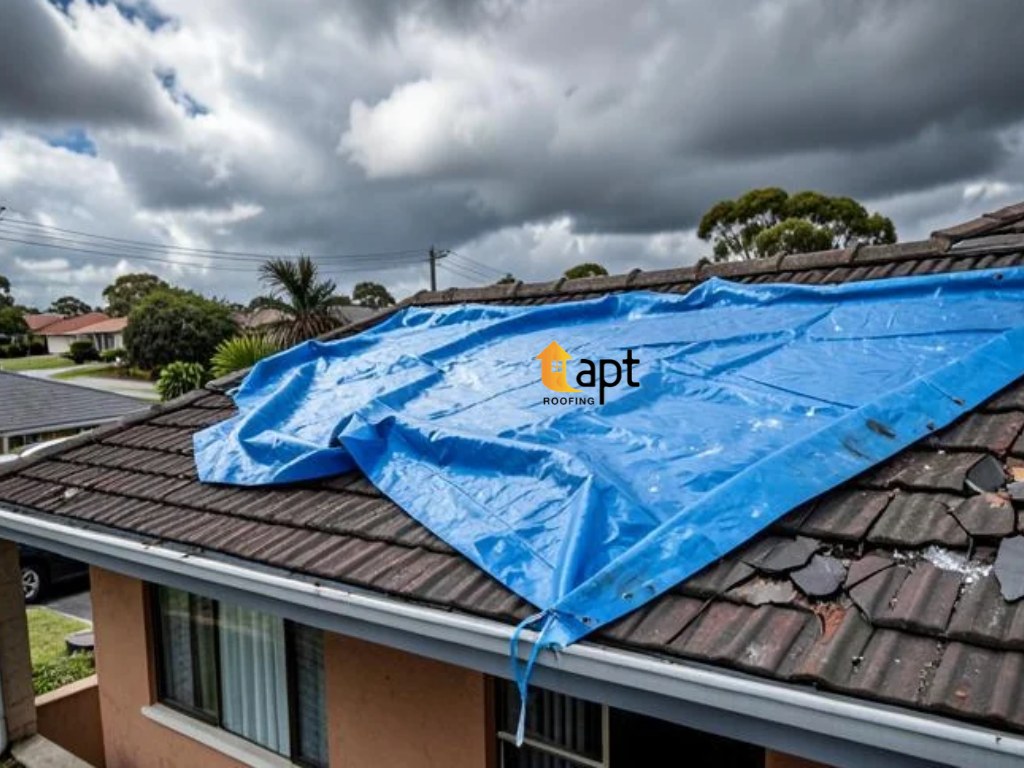
Temporary roofing work is intended to manage an immediate problem rather than complete the full repair. Depending on the circumstances, this may include securing loose materials or installing a protective tarpaulin over a damaged section.
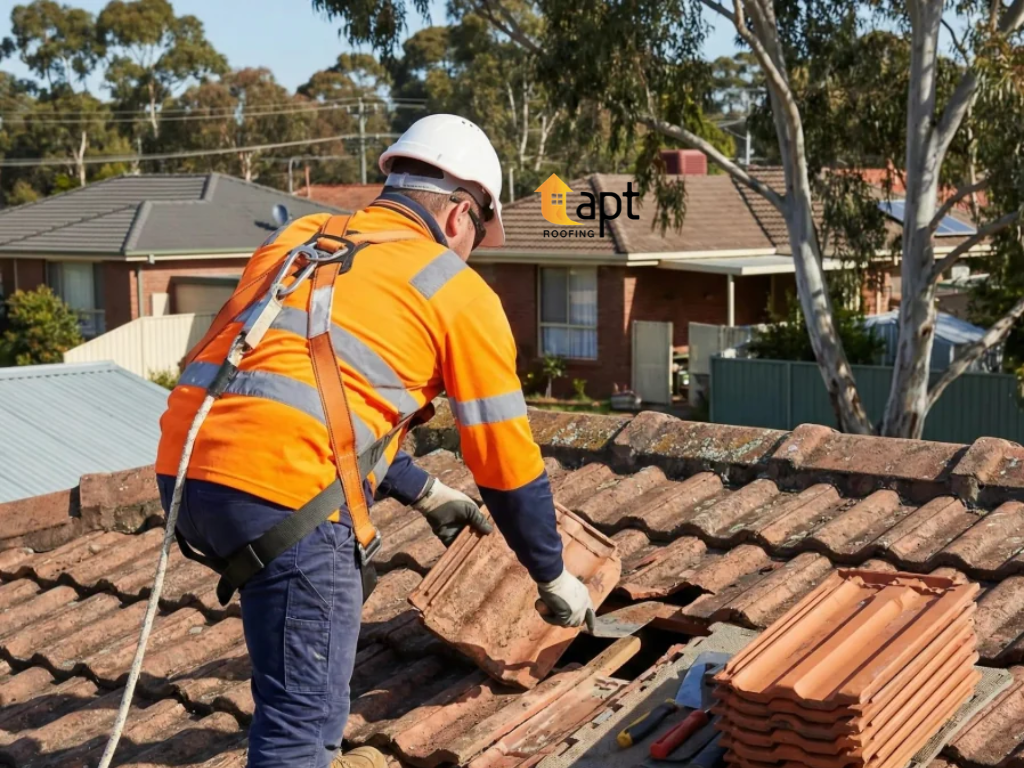
Permanent storm damage roof repair involves addressing the identified roofing defects. The work may include replacing damaged tiles, repairing flashing, securing metal sheets or undertaking other repairs appropriate to the roof’s condition.
Before authorising building work, contact your insurer wherever possible to confirm its requirements. Some insurers may organise emergency assistance or have specific arrangements for approving repair expenses.
If urgent safety work cannot reasonably wait, prioritise protecting people, document the circumstances and notify the insurer promptly.
Keep all relevant invoices and photographs, but do not assume that temporary or permanent repairs will automatically be reimbursed.
Choosing a Roofing Contractor for Insurance-Related Work
Checking Qualifications and Residential Roofing Experience
Selecting a roofing contractor involves checking more than availability. The provider should hold the appropriate NSW authorisation for the type of work required, and relevant experience with the property’s roofing material is important.
Homeowners comparing residential roofing sydney providers should ask about roof inspections, leak identification, repair methods and the documentation available for insurance-related work.
Homeowner Roofing services may include roof repairs, restoration or replacement, depending on the contractor’s capabilities and the condition of the property.
APT Roofing provides residential roofing services, including roof repairs and insurance-related roofing work. Homeowners can review its Home Owner Roofing services when comparing options for professional roofing assistance.
Before engaging a contractor, confirm the proposed work, applicable licensing and any approval requirements established by your insurer.
What Should a Roofing Repair Quotation Include?
A useful roofing quotation should clearly explain which areas require attention and what repairs are proposed. It should identify relevant materials, the extent of the work and any important access or safety arrangements.
For storm damage roof repair, ask whether the quotation distinguishes between damage attributed to the recent weather event and unrelated maintenance concerns.
This distinction matters because an insurer may approve repairs to particular storm-damaged components without agreeing to replace roofing materials that have deteriorated over time.
Homeowners should also clarify whether temporary protection, waste removal or additional repairs are included in the quotation.
A clear scope of work makes it easier to compare contractors and discuss proposed repairs with the insurance company.
Understanding Repair Expenses and Insurance Outcomes
Why Roofing Repair Costs Can Vary
The roof leak repair cost after severe weather can vary considerably depending on the underlying problem. A small area of damaged tiles may require different work from extensive metal roof damage or deteriorated flashing.
Roof height, access conditions, material availability, safety requirements and the amount of investigation needed can also affect the quotation.
It is worth remembering that water may travel along roofing components before appearing as a stain inside the house. As a result, the visible location of a leak may not identify where water first entered.
A professional inspection can help establish the likely cause and the appropriate storm damage roof repair method.
Before committing to repairs, ask for an explanation of the proposed costs and confirm which expenses, if any, your insurer has approved.
What to Do if Your Claim Is Not Fully Approved
Insurance claims do not always result in complete approval. An insurer may accept certain storm-related repairs while declining other work that it considers unrelated to the insured event.
For example, the company might approve replacement of wind-damaged roof tiles but exclude repairs associated with long-standing deterioration.
If you disagree with the outcome, request the insurer’s written reasons and relevant assessment findings. Review the decision against your policy and consider whether additional evidence from a qualified roofing professional may be helpful.
You can ask the insurer to reconsider the claim through its internal dispute resolution process.
If the disagreement remains unresolved, the Australian Financial Complaints Authority (AFCA) may be able to assist with an eligible complaint.
Understanding the reasons for a partial approval or rejection can help you decide what action to take next.
Completing Roof Repairs and Preparing for Future Storms
Planning Repairs After an Insurance Decision
Once the insurer has reached a decision, review the approved repair scope before arranging work. Depending on the policy and settlement method, repairs may be managed through an insurer-appointed contractor, a contractor chosen by the homeowner or a cash settlement arrangement.
Confirm who will organise the repairs, how the insurance excess will be handled and whether changes to the proposed work require further approval.
If additional damage becomes apparent during the repair process, contact the insurer before authorising extra work that you expect it to cover.
For storm damage roof repair, retaining photographs, quotations, invoices and relevant warranty documents can provide a useful record of the completed work.
APT Roofing offers roof repairs, roof replacement and insurance-related roofing support. Its Insurance Roofing services page provides information about the company’s relevant roofing capabilities.
However, decisions about insurance coverage and settlement amounts remain with the insurer.
Maintaining Your Roof After Storm Damage
Once the immediate repairs are completed, ongoing roof maintenance can help identify defects that might otherwise become more serious.
Loose tiles, deteriorated flashing, damaged ridge capping and blocked drainage should be assessed and addressed as appropriate. Roof inspections may also be useful after significant weather events or when new signs of water entry appear.
Although regular maintenance can help manage the condition of a roof, it cannot prevent all storm damage or guarantee insurance coverage.
If you notice a leak, damaged roofing material or an unexplained ceiling stain, consider obtaining professional advice rather than waiting for the problem to worsen.
Homeowners can contact APT Roofing to enquire about roofing inspections, repairs and other suitable services.
Before starting any insurance-related repairs, confirm the necessary approvals and understand what the insurer has agreed to cover.
Knowing how insurance assessments work, keeping appropriate records and selecting a qualified roofing contractor can help make storm damage roof repair more manageable after severe weather.
