

Industrial electrical problems do not always begin with a complete power failure. A facility may first experience a circuit that trips occasionally, machinery that stops without a clear reason, high-bay lights that flicker or a power outlet that becomes unusually warm.
These signs can be easy to dismiss when production resumes after equipment is restarted. However, repeated faults may indicate a problem with the equipment, circuit, connection, protective device or wider electrical system.
Factories, warehouses and workshops also have different electrical demands from standard offices or homes. They may rely on machinery, three-phase equipment, production lighting, ventilation, charging systems, communications and safety equipment for long operating periods.
For businesses comparing an industrial electrician Sydney providers offer, the first step is understanding what type of service is needed. A fault may require a focused repair, planned maintenance, a machinery connection or a broader system upgrade.
This guide explains the signs that justify an electrical assessment, what industrial electrical work may include and how to compare service providers without relying only on price.
Small faults can affect wider operations
An electrical problem may begin in one part of a facility but affect several business functions. A fault connected to machinery can interrupt production, while a lighting or switchboard problem may affect access, safety and normal warehouse activity.
Some systems are also connected operationally even when they use separate circuits. For example, a production machine may still be unable to operate when extraction equipment, compressed air, ventilation or control systems are unavailable.
Repeatedly restarting equipment without finding the cause can delay proper diagnosis. Protective devices such as circuit breakers and residual current devices are designed to disconnect electricity when certain conditions occur.
SafeWork NSW advises that the reason a circuit breaker, RCD or other overcurrent protective device disconnected the electricity should be determined before it is switched back on.
This does not mean every interruption requires a complete electrical upgrade. It does mean that recurring faults should be investigated rather than accepted as a normal part of operations.
Industrial environments create different electrical demands
Industrial facilities may expose electrical equipment to dust, heat, moisture, vibration, impact and longer operating hours. The level of exposure depends on the type of work performed and the equipment used.
A clean storage warehouse may have different requirements from a metal workshop, food production facility or manufacturing plant. Equipment placement, cleaning processes, vehicle movement and environmental conditions can all influence the electrical design.
The electrical system may also change gradually. Machinery can be added, production lines rearranged and temporary connections left in place longer than originally intended.
A facility electrician should consider how the site is actually used rather than assessing only the original installation. The review may need to account for equipment duty cycles, simultaneous loads, shutdown requirements and future operational plans.
Warning Signs That Require an Electrical Assessment
Repeated circuit trips are one of the clearest reasons to arrange an electrical assessment. The cause may involve excessive demand, damaged wiring, unsuitable protection, faulty equipment or another issue that requires testing.
Machinery that starts inconsistently, loses power during operation or shuts down when other equipment is used may also require investigation. The problem may be within the machine, its connection or the supplying circuit.
Facilities should record when the fault occurs and which equipment is operating at the time. This information can help the electrician identify patterns and narrow down possible causes.
Temporary extension leads and power boards can also indicate that the existing electrical layout no longer suits the facility. Additional outlets may be required, but the circuit capacity should be assessed before more connection points are installed.
The solution should address the underlying electrical demand rather than simply making it easier to connect more equipment.
Heat, damage and unusual electrical behaviour
Electrical faults may produce visible, audible or physical warning signs before equipment stops completely. These can include buzzing, crackling, flickering lights, damaged sockets, discolouration, unusual smells or heat around electrical fittings.
A burning smell, smoke, visible arcing or badly damaged equipment should be treated seriously. People should be kept away from the affected area, and the equipment should not remain in normal use.
SafeWork NSW states that unsafe electrical equipment under the control of a business should be disconnected or isolated. It should not be reconnected until it has been repaired and tested as safe, replaced or permanently removed.
Workers should not open switchboards, repair fixed wiring or attempt machinery electrical work unless they are authorised, qualified and permitted to do so.
An industrial electric service should identify whether the problem is limited to one component or indicates a wider issue requiring additional testing or upgrading.
What an Industrial Electrician May Assess
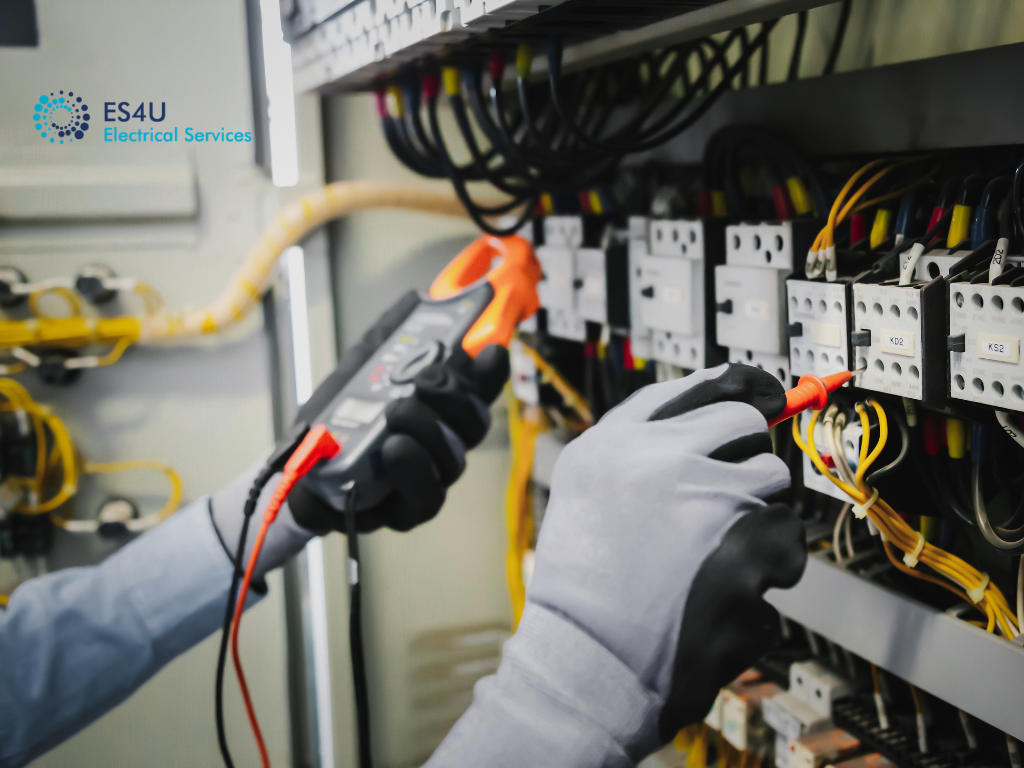
Switchboards, circuits and machinery connections
An industrial electrician may begin by reviewing the electrical distribution system and the equipment connected to it. The exact scope depends on the reported problem and the facility’s operations.
The assessment may include switchboards, protective devices, circuit identification, machinery supplies, isolators, fixed wiring and equipment connections.
The electrician may also review whether specific machines have suitable dedicated circuits and whether the existing distribution arrangement supports simultaneous operation.
Clear circuit labels and accurate documentation are useful in industrial facilities because they support faster isolation, fault finding and future maintenance.
Where records are incomplete, the contractor should explain what testing or tracing may be required before changes can be planned.
A recommendation should identify the fault or limitation as clearly as possible. General statements that a system is old or needs upgrading are not enough without supporting findings.
Lighting, emergency systems and facility infrastructure
Industrial electrical solutions can also cover lighting, emergency systems, outlets, data infrastructure and other fixed equipment.
Warehouse lighting should suit the height, layout and activities in each area. Storage aisles, loading zones, workshops and inspection areas may require different lighting arrangements.
Emergency lighting and exit systems may also require inspection, testing or maintenance according to the property and applicable requirements.
Other work may involve control systems, ventilation supplies, security equipment, access control, communications or charging points.
The scope should distinguish between electrical wiring, equipment supply, programming and work completed by other trades. This avoids confusion when several contractors are involved in the same project.
Maintenance, Repair or Upgrade: Choosing the Right Service
Commercial or industrial maintenance may be suitable when the existing system has adequate capacity and the identified issues are limited.
The work may include visual inspections, electrical testing, damaged component replacement, tightening suitable connections, cleaning where appropriate and checking protective devices.
SafeWork NSW includes visual inspection, testing where necessary and suitable preventive maintenance among the measures used to manage workplace electrical risks.
A maintenance program should be based on the facility, equipment and operating environment rather than using the same schedule for every site.
Warehouse electrical maintenance Sydney facilities arrange may focus on lighting, distribution equipment, outlets, loading areas and equipment supplies. Manufacturing sites may require closer coordination with machinery servicing and production shutdowns.
The contractor should explain what is being checked, how findings will be documented and which faults require immediate or future attention.
When a wider upgrade should be considered
A broader upgrade may be needed when recurring faults cannot be resolved through isolated maintenance or component replacement.
This may occur when the switchboard lacks capacity, circuits regularly operate near their limits or new machinery requires a different supply.
A wider project may also be appropriate when a facility is being expanded, divided, renovated or changed to support new operations.
The electrician should assess the existing system, planned equipment and expected simultaneous demand before recommending industrial electrical solutions.
An upgrade may include new distribution equipment, dedicated circuits, machinery isolators, additional outlets, improved lighting or changes to control systems.
The final scope should explain what problem the upgrade solves and what level of future demand it is intended to support.
Planning an Industrial Fit-Out or Expansion

Match the electrical design to equipment and workflow
An industrial fit-out should begin with an understanding of how people, machinery and materials move through the facility.
Equipment specifications should be reviewed before final circuit and switchboard requirements are planned. The electrician may need information about voltage, phase, current, starting demand, control systems and manufacturer connection requirements.
Machine placement can influence cable routes, isolation points, protective barriers and maintenance access. Electrical equipment should not be positioned where normal warehouse activity is likely to damage it.
A suitable industrial fitout electrician should also coordinate with builders, machinery suppliers, data contractors, fire services and other trades where their work overlaps.
Planning these details before installation can reduce changes after floors, walls, racking or equipment are already in place.
Allow reasonable capacity for future changes
A fit-out should support current operations while allowing reasonable flexibility for planned growth.
Businesses should discuss machinery purchases, additional production lines, automation, charging systems, ventilation and possible layout changes.
This does not mean installing every future item immediately. It means avoiding a design that becomes unsuitable as soon as one more machine or workstation is added.
Available switchboard space, flexible distribution and suitable cable routes can make later changes easier, provided they are included in the engineering and electrical planning.
The contractor should document the assumptions used to determine capacity. This helps future facility managers understand what the installation was designed to support.
How to Compare Industrial Electrician Services
Electrical wiring work in NSW must be carried out or supervised by people holding the appropriate electrical licence or certificate. This applies regardless of cost and whether the work is residential, commercial or industrial.
A company contracting to perform electrical wiring work must also hold the relevant contractor licence and have a nominated qualified supervisor.
Licensing is an essential check, but industrial experience is also important. A contractor should understand machinery supplies, production shutdowns, warehouse access, plant isolation and coordination with maintenance teams.
Ask who will supervise the project, who will complete the work and whether subcontractors are involved.
The contractor should also explain its approach to risk management, access equipment, testing and safe isolation.
SafeWork NSW describes isolation procedures as predetermined steps used before maintenance, repair, installation or cleaning of plant. Suitable lockout and tagout controls should be developed where workers may be exposed to hazardous energy.
Compare complete scopes rather than price alone
An industrial electrical quote should explain what is included rather than providing only a total price.
The scope should identify equipment, circuits and facility areas involved. It should also state whether access equipment, shutdown labour, testing, labels, drawings, disposal and completion documentation are included.
Ask whether work will occur during standard hours or during planned shutdowns. After-hours scheduling may reduce disruption but may affect labour and access costs.
The quote should also explain exclusions. Machinery repairs, control programming, civil work, fire services or data cabling may be handled separately unless clearly included.
Unexpected conditions can be discovered after equipment is isolated or panels are opened. The contractor should explain how variations will be documented, priced and approved.
A lower quote may not represent better value when important testing, documentation or shutdown planning has been excluded.
When to Contact ES4U

Seek advice when faults or operational changes appear
A facility should consider professional assistance when electrical faults repeatedly interrupt machinery, lighting or other essential systems.
An assessment is also useful before installing new equipment, changing a warehouse layout or beginning a wider industrial fit-out.
ES4U can be contacted when a Sydney facility needs help determining whether an issue requires maintenance, a focused repair or a broader electrical upgrade.
The assessment should consider the current fault, site conditions, operational needs and planned future equipment.
Electrical concerns should not be left until a complete shutdown occurs, particularly when warning signs such as heat, damage, burning smells or recurring protective device trips are already present.
Prepare useful information before requesting a quote
Before contacting a commercial and industrial electrician, gather any available equipment specifications, floor plans and electrical records.
Explain which machines are affected, when the problem occurs and whether the fault interrupts other areas of the facility.
Provide normal operating hours and identify periods when equipment can be safely shut down. This helps the contractor consider whether work should be staged or scheduled outside production hours.
Mention future machinery, automation or layout changes that may affect the electrical design.
Maintenance reports, switchboard schedules and previous electrical documentation may also help the contractor understand the site.
By providing clear information and comparing detailed scopes, facility managers can choose an industrial electric service that addresses the immediate concern without overlooking safety, access, downtime and future capacity.
