

A roof leak can quickly become stressful, particularly when water starts entering during heavy rain or after a storm. Homeowners may not know whether to call a roofer immediately, contact their insurer, wait for the weather to clear or attempt a temporary repair themselves.
The most important first step is to protect people rather than the building. Wet ceilings, damaged roof materials, fallen branches and water near electrical fittings can create hazards that should not be approached without suitable experience.
Once the immediate area is safe, the next goal is to limit further internal damage and arrange an appropriate inspection. Emergency roof repair Sydney services may include temporary make-safe work, leak investigation and permanent repairs, but these stages are not always completed during the same visit.
This guide explains what to do during a roofing emergency, how to compare repair services and what affects the final roof leak repair cost.
When a leak needs immediate attention
A roof problem should be treated as urgent when it creates a risk to people or may cause significant additional property damage if it is not addressed promptly. Serious storm damage and serious roof leaks are recognised as urgent repair situations under NSW guidance.
Warning signs can include water flowing continuously into the home, a ceiling that is sagging or bulging, roof materials hanging loose, damage caused by a fallen tree or water entering near lights, power points or electrical wiring.
A large ceiling bulge may indicate that water has accumulated above the plasterboard. People should stay clear of the affected area because weakened ceiling material can collapse without much warning.
Storm damage may also weaken a roof even when the full extent cannot be seen from ground level. NSW SES advises people to stay clear when a roof or balcony has been struck by a tree, branch or other large debris because the structure may have been weakened.
When there is a life-threatening danger, call Triple Zero. For emergency assistance relating to storm or flood damage, NSW SES advises calling 132 500.
When the problem may still require prompt inspection
Not every roof leak creates an immediate emergency, but a smaller problem should not automatically be ignored. A faint ceiling stain, damp smell, cracked tile or small amount of water near a wall can indicate that moisture is entering the building.
The visible mark may disappear after the rain stops, yet the original fault may remain. Water can travel along framing, insulation or ceiling surfaces before becoming visible in another part of the room.
Recurring stains are particularly important. A leak that only appears during wind-driven rain may involve flashing, ridge capping, a valley, a roof penetration or a damaged section that is exposed from one direction.
A prompt roof repair Sydney inspection can help identify whether the problem is localised or connected to broader roof deterioration. Addressing the cause early may also reduce the likelihood of damage spreading to ceilings, insulation and internal finishes.
What to Do While the Roof Is Still Leaking
Begin by keeping family members, tenants, pets and visitors away from the affected area. This is especially important when the ceiling is sagging, water is near electricity or debris has struck the roof.
Where it is safe, move furniture, electronics and valuables away from the leak. Place containers beneath dripping water and use towels or other absorbent materials to limit water spreading across the floor.
Photographs and short videos can also be useful, but only take them from a safe position. Record the ceiling damage, the volume of water, the time the leak began and the weather conditions. This information may assist the roofing contractor and insurer.
Do not focus only on the visible drip. Look for nearby bubbling paint, damp walls, ceiling discolouration and water running from light fittings. These signs may show that moisture has travelled beyond the most obvious location.
If water is entering through or around electrical fixtures, avoid touching the affected area. Electrical safety advice should be obtained from an appropriately qualified professional.
Avoid dangerous temporary fixes
Do not climb onto a wet, damaged or storm-affected roof. Roof surfaces can be slippery, and damaged tiles, metal sheets or roof framing may not safely support a person.
Attempting to place a tarpaulin during strong wind or heavy rain can create a serious fall risk. It may also expose the homeowner to loose materials, sharp edges and nearby powerlines.
Temporary measures should only be completed when conditions are safe and the person has suitable equipment and experience. In many cases, the safer option is to contain water inside and wait for a roofing contractor or emergency service to assess the exterior.
Homeowners should also avoid drilling holes, removing ceiling materials or applying sealants without understanding the cause of the leak. An unsuitable action may make the damage worse or hide evidence needed to diagnose the original fault.
What an Emergency Roofing Service Should Do
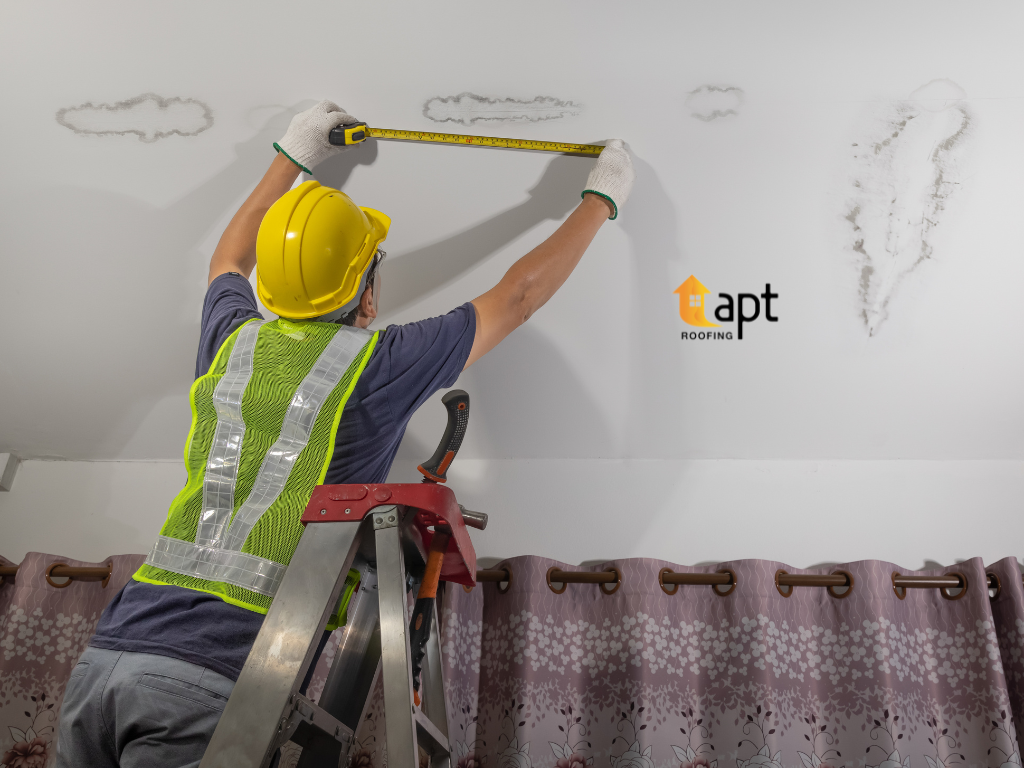
Make the property safe and limit further water entry
The first attendance may focus on making the property safer rather than completing the final repair. This can involve assessing loose materials, covering an exposed area, securing damaged roof components or applying temporary protection where conditions allow.
This type of work is commonly described as a make-safe service. Its purpose is to reduce immediate risk and limit further water entry until a permanent repair can be planned.
Temporary work should be clearly explained. Homeowners should understand which areas have been protected, how long the temporary measure is expected to remain suitable and whether another visit will be required.
A contractor should not present a temporary patch as a complete solution when further investigation or permanent work is still needed. Ask for written confirmation of what was completed and what remains outstanding.
Identify the source before recommending permanent work
The internal location of a leak does not always reveal the original roof fault. Water may enter around damaged flashing, a broken tile, a roof penetration or an open joint and then travel before reaching the ceiling.
A suitable inspection may include the roof covering, ridge capping, valleys, flashing, gutters, downpipes, penetrations and surrounding materials. The contractor may also need to check the roof space where safe access is available.
The goal is to determine why water entered and whether nearby roofing components remain serviceable. Replacing one tile may not solve the problem if the actual cause is failed flashing or blocked drainage.
A reliable roof repairs service in Sydney should explain the suspected cause, the evidence supporting that conclusion and the proposed permanent repair. When the source cannot be confirmed during the first visit, the contractor should be clear about the need for further inspection.
What Affects the Cost of an Emergency Repair
Damage, access and roofing material
There is no single roof leak repair cost that applies to every Sydney home. The final amount depends on the type of damage, the roof material, the urgency of the attendance and the work required to gain safe access.
Replacing a small number of damaged tiles is different from repairing a corroded valley, replacing flashing or addressing damage caused by a fallen branch. Metal, tiled and other roofing systems also require different materials, tools and repair methods.
Roof height, pitch and access can affect the work required. A steep roof, restricted side access, multiple storeys or the need for specialised safety equipment may increase labour and setup requirements.
The condition of the surrounding roof is another factor. A damaged component may appear isolated until materials are lifted and deterioration is found underneath or beside it.
Rather than relying on a general online price, ask for a written quotation or scope that identifies the proposed work. Claims about specific prices should be treated cautiously unless the contractor has inspected the property.
Temporary work and permanent repairs may be separate
Emergency attendance, temporary protection and permanent repair can be separate parts of the service. This is particularly common when the weather prevents a complete inspection or suitable replacement materials are not immediately available.
Ask whether the initial charge covers only the call-out and make-safe work or whether any part of it will be credited towards the final repair. The quotation should also explain whether materials, access equipment, waste removal and follow-up inspections are included.
After-hours work may be priced differently from scheduled daytime work. However, the contractor should explain any additional charge before work begins wherever circumstances allow.
Insurance may cover some types of sudden damage, depending on the policy, cause and exclusions. Homeowners should contact their insurer and avoid assuming that every roof leak or repair will be covered.
Keep photographs, invoices and written reports. These documents can help explain what happened, what temporary work was completed and what permanent repairs have been recommended.
Choosing the Right Repair or Restoration Service
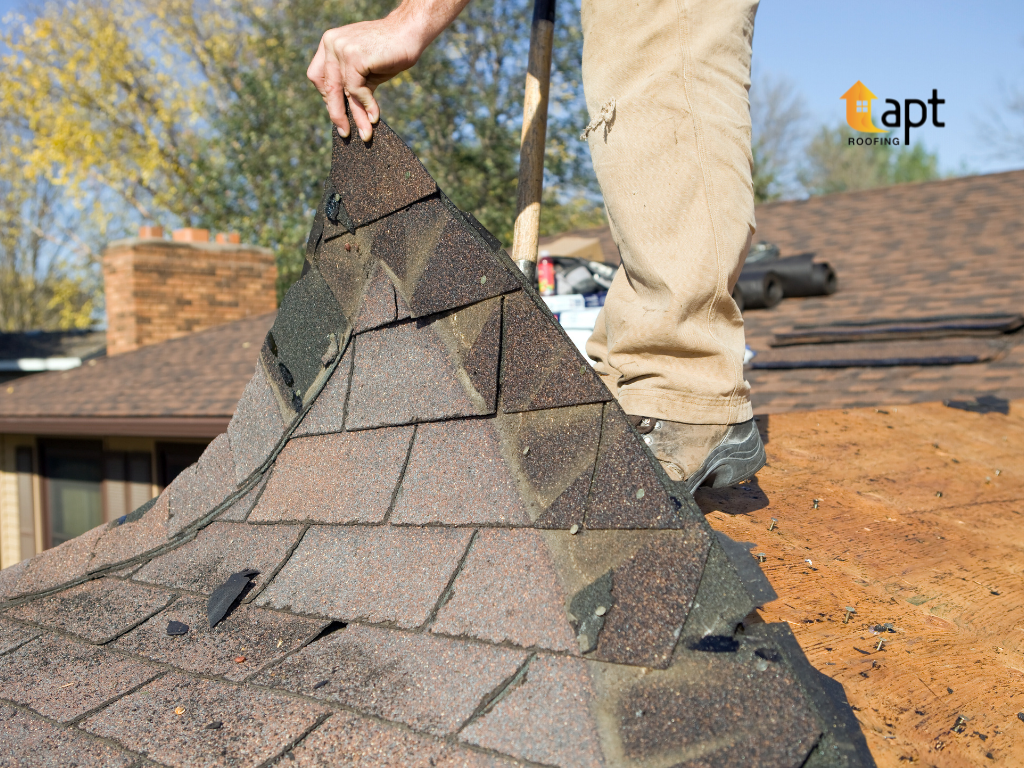
When a targeted repair may be sufficient
A residential roof repair Sydney service may be suitable when the problem is limited to a specific area and the surrounding roof remains in serviceable condition.
Examples can include replacing isolated cracked tiles, repairing flashing, resealing a penetration, securing a loose metal section or correcting a local gutter or valley problem.
The contractor should still inspect nearby materials. A small visible fault may have allowed moisture to affect the underlay, battens, insulation or ceiling below.
A targeted repair should address the cause rather than only the visible symptom. Painting over an internal stain or applying sealant without finding the entry point is unlikely to provide a dependable result.
Ask the contractor to explain which materials will be repaired or replaced, how compatibility will be managed and whether the work includes checking the surrounding area.
When restoration or replacement should be assessed
Roof restoration in Sydney may be considered when the roof requires broader work but does not necessarily need complete replacement. Depending on the roofing material and condition, restoration may involve repairs, preparation, replacement of damaged components and protective finishing work.
Restoration is not suitable for every roof. Widespread structural problems, extensive corrosion or severely deteriorated materials may require a different solution.
Repeated emergency call-outs can be a sign that the underlying roof condition needs a broader assessment. If leaks continue appearing in different locations, further patching may provide poor long-term value.
The contractor should clearly explain whether repair, restoration or replacement is being recommended and why. Homeowners should be cautious of a large scope that is proposed without a detailed inspection or written explanation.
The right service should be based on the condition of the roof, not simply the contractor’s preferred type of work.
How to Compare Emergency Roofing Contractors
Urgency should not prevent basic contractor checks. NSW homeowners can use the Service NSW register to confirm whether a builder or tradesperson holds a current licence relevant to the proposed work.
Ask for the contractor’s licence details, business information and evidence of relevant insurance. The contractor should also have experience working with the type of roof installed on the property.
A written scope should identify the damaged area, proposed repair, materials, exclusions and cost. It should distinguish between temporary and permanent work and explain whether another inspection or visit is required.
Review warranty information carefully. Ask what is covered, how long it applies and whether the warranty relates to workmanship, materials or both.
A professional contractor should be willing to explain the proposed solution in plain language. Pressure to approve extensive work immediately, without sufficient inspection or documentation, should be treated cautiously.
Ask practical questions before approving work
Ask how soon the contractor can attend and whether the first visit will involve inspection, temporary protection or permanent repair.
Confirm whether there is an emergency call-out charge and whether after-hours rates apply. Ask how additional damage will be handled if it is discovered after materials are removed.
It is also useful to ask whether photographs will be provided and whether the contractor can prepare a written report for insurance purposes. Do not assume that this documentation is automatically included.
Homeowners searching for roof repair near me Sydney should compare more than distance. Local availability is useful, but licensing, relevant experience, clear communication and a complete written scope are more important than selecting the first search result.
When to Contact APT Roofing

Seek assistance when the roof cannot be safely assessed
Contact a roofing professional when water is actively entering the home, roof materials appear displaced, storm debris has caused damage or the same leak continues returning.
An inspection is also sensible when a ceiling stain appears after heavy rain, even if the area dries later. The original opening may still allow water into the roof during future weather.
APT Roofing may be contacted when a Sydney homeowner needs the roof assessed and wants to understand whether a local repair, broader maintenance or restoration work is appropriate.
The company mention is most useful at this stage because the homeowner has already completed the immediate safety steps and is ready to seek a professional opinion.
For severe storm damage that creates an immediate danger, contact the appropriate emergency service first. Roofing work should begin only when the site and weather conditions allow it to be performed safely.
Prepare information before requesting assistance
Before calling, note when the leak began, which rooms are affected and whether the problem appears during every rainfall event or only during heavy wind.
Provide photographs taken safely from inside or from ground level. Mention whether the roof is tiled, metal or another material and describe any recent work involving solar panels, skylights, vents or antennas.
Explain whether temporary work has already been completed and provide any documents from emergency services, another contractor or the insurer.
This information can help the roofing team understand the likely urgency and prepare suitable equipment. However, the final recommendation should still be based on an inspection of the actual roof condition.
After the emergency has been resolved, ask whether ongoing roof maintenance in Sydney could reduce the chance of the problem returning. NSW storm preparation guidance recommends keeping roofs in good condition and regularly clearing gutters, downpipes and drains.
A roofing emergency is easier to manage when safety comes first, temporary work is clearly distinguished from permanent repair and every proposed service is documented. By following these steps, homeowners can respond quickly without making a rushed or poorly informed decision.
