

Local online advertising helps Australian small businesses promote their products and services to people searching for businesses in their area. Whether you operate a retail shop, provide professional services or run a local trade business, having an online presence makes it easier for potential customers to discover what you offer.
Many customers research businesses online before making an enquiry, visiting a store or booking a service. They may use Google Search, Google Maps, online business directories or social media to compare available options.
For small business owners, the challenge is deciding which advertising channels are worth using and how much to spend. Fortunately, there are free and paid options suitable for different budgets and business goals.
This guide explains how local online advertising works, where to promote your business and how to develop a practical strategy for reaching nearby customers.
Understanding Local Online Advertising
What Is Local Online Advertising and How Does It Work?
Local online advertising involves promoting a business through digital platforms to reach customers in a particular geographic area.
Unlike advertising campaigns aimed at national audiences, local campaigns focus on people who live, work or search for services within specific suburbs, cities or service regions.
For example, an electrician operating in Western Sydney may want to reach customers searching for electrical services in Penrith, Liverpool or surrounding suburbs. A restaurant, meanwhile, may focus on people looking for nearby dining options.
Businesses can advertise online through search engines, social media, local directories and other digital platforms.
Some channels allow businesses to select geographic targeting settings, while others help customers discover businesses through location-based searches and relevant categories.
The most suitable approach depends on your customers, services and business objectives.
Why Online Visibility Matters for Australian Small Businesses
Customers often compare multiple businesses before deciding which one to contact.
They may look for operating hours, service areas, customer reviews, contact information and examples of previous work.
A business with accurate and accessible online information gives potential customers more opportunities to understand its services.
Local online advertising can also help smaller businesses focus their marketing efforts on areas they actually serve.
Rather than promoting services across Australia, a local business can prioritise nearby suburbs or regions where customers are more likely to make an enquiry.
However, appearing online does not guarantee enquiries or sales. Advertising works best when customers can easily understand what the business offers and how to get in touch.
Exploring Different Online Advertising Channels
Google Search Ads and Google Business Profile
Google provides different ways for eligible businesses to improve their online visibility.
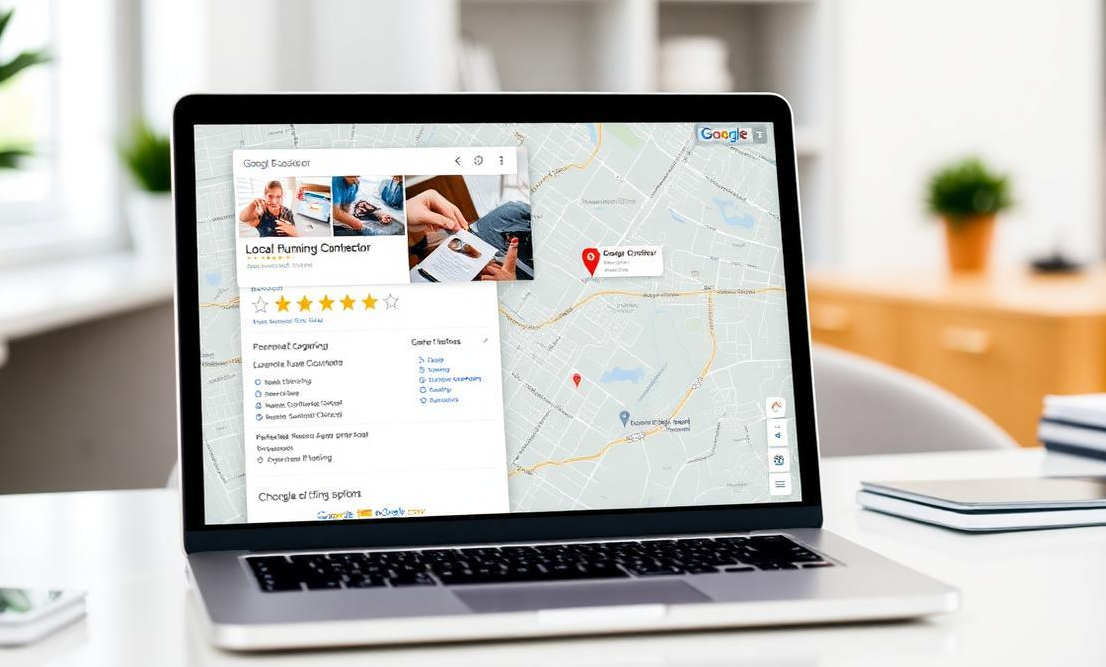
Google Business Profile is a free tool that allows eligible businesses to manage how their information appears on Google Search and Google Maps.
A profile may include business details such as opening hours, contact information, service categories and customer reviews.
Google Search Ads work differently. Businesses pay to display advertisements for relevant searches, with costs depending on campaign settings, competition and the advertising model.
For example, a plumbing business could run advertisements targeting people searching for emergency plumbing services within its service area.
Google Ads supports geographic targeting, although location settings do not guarantee that every advertisement will reach only people physically present in the selected area.
For local online advertising, Google Business Profile and paid search advertisements can serve different purposes. One supports an eligible business’s presence in local search, while the other provides paid promotional opportunities.
Social Media and Local Online Advertising Opportunities
Social media platforms offer another way for Australian businesses to connect with potential customers.
Facebook and Instagram can be useful for businesses that want to showcase products, share updates or promote services using photographs and videos.
A local café might share its menu and opening hours, while a landscaping business could publish photographs of completed garden projects with customer permission.
Paid social media campaigns may also allow businesses to target audiences using geographic and other available settings.
However, social media advertising is not suitable for every business.
Some customers actively search for services when they need them, while others discover businesses through content appearing in their feeds.
Understanding these differences can help you choose platforms that match how your customers research and purchase services.
Using Business Directories to Reach Local Customers
How Business Listings Support Local Online Advertising
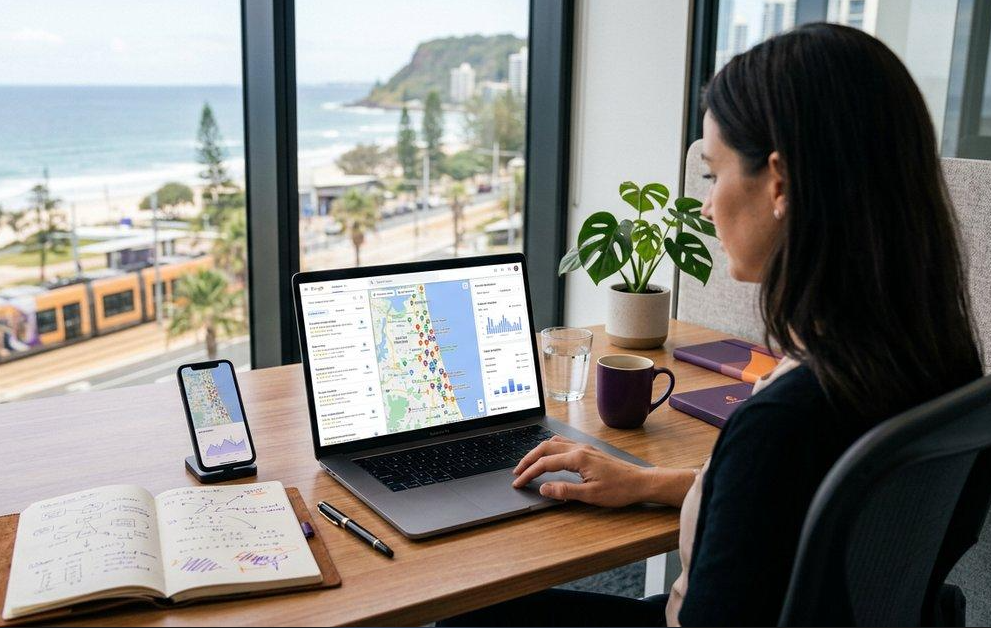
Online business directories allow customers to browse businesses by industry, category or location.
A directory listing may include a business name, description, contact details, website link and information about available services.
For example, someone searching for a local cleaning company may browse a business directory to compare providers operating in their area.
Including accurate information helps potential customers determine whether a business suits their requirements.
When preparing a listing, use a clear description of your services and provide correct contact information. Select the most relevant business category and include your actual service area where supported.
Local online advertising through business directories can complement other marketing activities by providing an additional place where customers may discover your business.
However, directory listings do not guarantee search rankings, website traffic or customer enquiries. Their usefulness depends on factors such as relevance, audience activity and listing quality.
Finding Free Advertising Sites in Australia
Businesses with limited marketing budgets may benefit from exploring free advertising sites in Australia.
Some online platforms provide basic business listings without charging an initial listing fee. Others offer free features alongside paid promotional options.
Google Business Profile is one example of a free business presence tool for eligible businesses, although it operates differently from a general business directory.
When evaluating free local advertising online, consider whether the platform serves Australian customers, supports your business category and allows accurate business information.
Check its listing requirements, available features and any charges associated with optional upgrades.
Submitting a business to numerous unrelated websites is not necessarily beneficial. A smaller number of relevant, well-maintained listings can be more practical than maintaining outdated information across many platforms.
The goal should be to help genuine customers find accurate information, not simply to create as many listings as possible.
Setting an Online Advertising Budget
Free Local Online Advertising vs Paid Campaigns
Small businesses can promote themselves online without immediately committing to a large advertising budget.
Free options may include maintaining an eligible Google Business Profile, creating organic social media content and using suitable business directory listings.
These approaches generally require time and regular updates rather than direct advertising expenditure.
Paid campaigns provide additional options for promoting products or services to selected audiences.
Google Search Ads may be useful when customers actively search for a specific service, while paid social media advertising can help businesses introduce products or promotions to relevant audiences.
The best local online advertising approach may involve combining free business information channels with carefully managed paid campaigns.
Free advertising is not guaranteed to generate customers, and paying for advertisements does not automatically produce better results.
Businesses should compare the likely value of each channel against its cost and ongoing management requirements.
How Much Should a Small Business Spend on Advertising?
There is no single advertising budget suitable for every Australian small business.
The amount you spend should reflect your business goals, available funds, competition and the value of each customer enquiry or sale.
A business offering specialised professional services may have different advertising requirements from a small retail store.
Before spending money, identify what you want the campaign to achieve. This might include phone enquiries, appointment bookings, website purchases or visits to a physical location.
If your business is new to online advertising Australia, consider testing one suitable channel before dividing your budget across several platforms.
Set a spending limit you can comfortably manage and review the results before increasing your investment.
Remember to account for any advertising management fees, creative production costs and website improvements that may be required.
A sustainable advertising strategy should support your business finances rather than place unnecessary pressure on them.
Choosing the Right Advertising Platform for Your Business
Which Local Online Advertising Channel Suits Your Goals?
Choosing an advertising channel begins with understanding how customers usually find your services.
For tradespeople and emergency service providers, search advertising may be useful because customers often look for assistance when a problem occurs.
Retail businesses may benefit from a combination of local search visibility, online product information and social media content.
Restaurants and hospitality businesses often rely on accessible opening hours, location information, menus and customer reviews.
Professional service providers may focus on clearly explaining their expertise, service areas and contact options.
Business directories can provide additional discovery opportunities across these industries when listings are relevant and maintained.
When comparing local online advertising channels, consider where your customers are likely to search, what information they need and how quickly they may be ready to make a decision.
Avoid selecting a platform simply because it is popular. The right choice should reflect your customers’ behaviour and your business objectives.
Questions to Ask Before Choosing an Advertising Service
Before paying for advertising services, take time to understand what is included.
Some providers specialise in paid campaigns, while others focus on online business listings, directory exposure or broader digital marketing services.
Ask how pricing works, whether there are ongoing charges and what happens when you stop paying.
It is also important to understand whether the service includes listing creation, content updates, reporting or ongoing support.
For directory-based advertising, check whether customers can browse by relevant categories and how businesses are displayed.
For paid advertising management, clarify who owns the advertising account and how performance will be reported.
Australia Online Advertising provides an online business directory where businesses can explore listing submission and claiming options.
When considering a platform such as Australia Online Advertising, review the available listing features and current plans to determine whether they suit your advertising goals.
Taking time to compare services can help you avoid paying for features your business does not need.
Creating Advertisements That Attract Nearby Customers
Writing Clear Advertisements for Local Online Advertising
Effective advertisements should make it easy for potential customers to understand what a business offers.
Start by clearly identifying the product or service. Include location details when they are relevant and explain the practical benefit of contacting your business.
For example, a cleaning company serving Camden and nearby suburbs could mention its service area rather than advertising broadly across Sydney.
Avoid vague promotional language that does not explain what makes your service relevant.
A clear call to action also helps customers understand what to do next. Depending on the service, this may involve requesting a quote, calling the business, booking an appointment or viewing available products.
Local online advertising is more useful when advertisements direct customers towards accurate and relevant information.
Ensure the linked website or business listing reflects what the advertisement promises.
Under Australian Consumer Law, advertising claims must be truthful and not misleading. Avoid making guarantees or performance claims that cannot be supported.
Using Business Information, Images and Customer Reviews
Customers often use business information and visual content to decide whether to make an enquiry.
Clear photographs can help explain products, demonstrate services or show the business premises.
For example, a vehicle detailing business may display genuine photographs of completed work, while a retail shop might provide images of products available for purchase.
Accurate contact information is equally important.
Make sure your business name, phone number, website and operating hours are consistent across the platforms you manage.
Genuine customer reviews may also help potential customers understand previous experiences.
However, businesses must not create fake or misleading reviews. Reviews should reflect real customer experiences and comply with Australian consumer protection requirements.
Combining accurate details, relevant images and genuine feedback can improve the usefulness of your local online advertising without relying on exaggerated promotional claims.
Measuring Results and Improving Your Advertising Strategy

How to Track Local Online Advertising Performance
Launching an advertisement is only the beginning. Reviewing its performance helps you understand whether your marketing activities are supporting your business goals.
Website visits, phone enquiries, contact form submissions, appointment bookings and purchases are examples of useful performance indicators.
For paid advertising, businesses may also review advertising expenditure, cost per click and cost per enquiry.
However, a high number of clicks does not necessarily mean a campaign is successful.
If an advertisement attracts visitors who are outside your service area or uninterested in your services, the traffic may provide little business value.
Where practical, use website analytics, advertising platform reports and enquiry records to identify which channels are generating relevant customer interest.
For local online advertising, focus on meaningful outcomes rather than impressions or clicks alone.
Improving Your Results and Planning Your Next Steps
Advertising performance should be reviewed regularly because customer behaviour, competition and business priorities can change.
If an advertisement attracts irrelevant enquiries, consider adjusting the geographic targeting or clarifying the services being promoted.
If customers visit your website but rarely contact you, review whether the page clearly explains your offering and provides an easy way to make an enquiry.
Business directory listings should also be updated when contact details, services or operating hours change.
For businesses starting with free advertising sites in Australia, maintaining accurate listings can be a practical foundation before investing in additional paid promotion.
A balanced strategy may combine business directories, local search visibility, social media activity and selected paid campaigns where appropriate.
If you are looking for another platform to advertise online, explore Australia Online Advertising to learn about its business listing options and how to submit or claim a listing.
Successful local online advertising begins with understanding your customers, choosing relevant platforms and improving your approach based on actual results. By focusing on useful information, manageable spending and consistent business details, Australian small businesses can build a more practical approach to reaching local customers.
