

Australian health supplies can cover a wide range of products used for care, comfort, safety, hygiene, and daily support. Some items are simple and used at home every day. Others are more specific and may support recovery, disability care, aged care, or continence needs.
For many families, the search begins when someone’s routine changes. A person may be recovering from surgery. An older parent may need safer bathroom support. A carer may need practical products to make daily care easier. In these moments, the right supplies can make home care feel more manageable.
Everyday products for home care
Home care products may include bathroom aids, comfort supports, toileting products, urology supplies, mobility items, and general health care supplies. These products are often chosen to make daily routines safer, cleaner, and more comfortable.
For example, bathroom medical equipment may help someone use the bathroom with more confidence. A urinary bottle may support someone who cannot safely reach the toilet at night. A butterfly neck pillow may be useful for comfort while resting, depending on the person’s needs.
The main goal is to choose products that solve a real daily problem. A useful product should make care easier without adding unnecessary complexity.
Who usually needs these products
Health supplies can be useful for older Australians, people recovering after illness or surgery, people living with disability, and people with reduced strength or movement.
They can also help carers. When the right product is available, care tasks may become more practical and respectful. This is especially important for private routines such as toileting, bathing, continence care, and personal hygiene.
Needs may also change over time. A product that works during short-term recovery may not be suitable for long-term care. That is why it helps to review comfort, safety, and daily use before buying.
Matching Products to Daily Care Needs
Choosing health supplies should start with the person, not the product. It is easy to buy something that looks useful online, only to find it does not suit the home, the user, or the care routine.
A better approach is to look at the person’s daily needs first. Then compare products based on comfort, function, cleaning, safety, and ease of use.
Start with the person’s routine
Think about the routine from morning to night. Does the person need help getting to the bathroom? Do they need support while sitting? Do they have pain while resting? Do they need products that are easy for a carer to clean and store?
These questions help narrow the search. For example, someone who struggles with night-time toileting may need a different product from someone who mainly needs comfort while sitting or resting.
This also helps avoid overbuying. The best product is not always the most advanced one. It is the one that fits the person’s real needs.
Think about short-term and long-term use
Some products are only needed for a short time. This may include items used after surgery, injury, or a temporary illness.
Other products may be needed every day as part of long-term home care. In that case, durability, cleaning, storage, and comfort become even more important.
Before choosing healthcare equipment, think about how often the product will be used. A daily-use item should be simple, reliable, and easy to maintain. If the person’s needs are complex, it is better to ask a health professional before buying.
Bathroom and Toileting Supplies for Safer Home Use
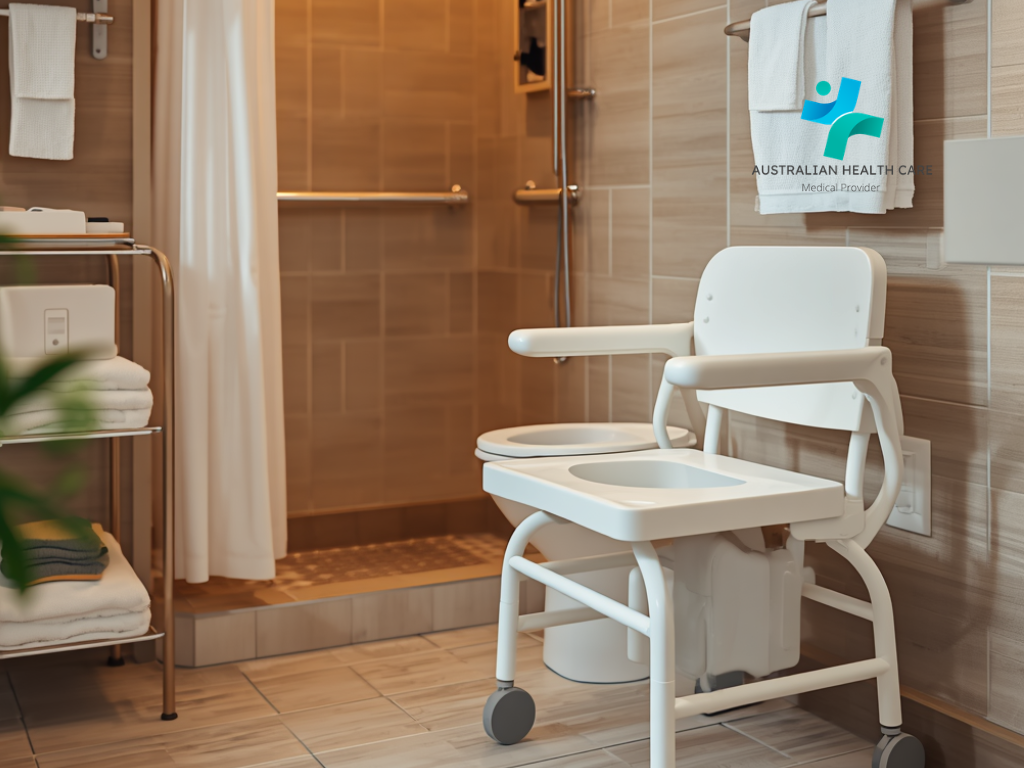
The bathroom is one of the most important areas to review when setting up home care. It is also one of the areas where people often need support first.
Wet floors, limited space, low toilet height, and night-time bathroom trips can all make daily routines harder. The right bathroom and toileting products can help reduce strain and support safer movement.
Bathroom products that support independence
Bathroom medical equipment may include products that help with toileting, bathing, sitting, standing, and moving safely in the bathroom.
The right product depends on the person’s ability, strength, balance, and bathroom layout. Some people may need basic comfort support. Others may need more structured equipment recommended by a health professional.
When comparing bathroom products, check the size, material, cleaning instructions, and fit. Also consider whether the item will be used independently or with help from a carer.
Urology and continence-related products
Urology supplies can be important for people managing continence needs, recovery needs, or limited mobility. These products should be chosen with privacy, hygiene, comfort, and ease of use in mind.
A urinary bottle may help someone who cannot always reach the toilet safely. It may be useful at night, during recovery, or when walking to the bathroom is difficult.
Before buying, check whether the product is easy to hold, empty, clean, and store. If continence needs are changing or becoming harder to manage, it is wise to seek advice from a GP, nurse, continence advisor, or other qualified professional.
Comfort and Support Products for Everyday Care
Comfort products can play a helpful role in home care. They may support resting, sitting, positioning, or recovery comfort.
However, comfort products should still be chosen carefully. A product that feels soft or supportive may not be right for every person.
Choosing support items for rest and positioning
A butterfly neck pillow may be useful for people who want extra neck support while resting, travelling, or sitting for longer periods. It may also help make daily rest more comfortable, depending on the person’s posture and support needs.
When comparing comfort products, think about the person’s size, posture, pain points, and how the product will be used. A product used for short periods may have different requirements from one used every day.
If the person has ongoing pain, pressure concerns, or a medical condition, professional advice may be needed before choosing support products.
Check materials, sizing, and cleaning
Comfort products should be easy to keep clean, especially when used in a home care setting.
Check the material, cover, seams, and care instructions before buying. If the product has a removable cover, confirm how it should be washed. If it is wipeable, check whether the surface suits regular use.
Sizing also matters. A product that is too small, too firm, too soft, or the wrong shape may not provide the right support. Product descriptions should be clear enough to help buyers make a practical decision.
How to Choose the Right Product or Service

Choosing the right product is easier when you compare details instead of relying only on price or product photos.
A useful product should match the person’s needs, suit the home environment, and be simple enough for regular use.
Compare product details before buying
Before ordering, read the product description carefully. Check what the product is designed for, who it may suit, and how it should be used.
Look at size, shape, material, cleaning needs, storage, and any relevant safety information. If a product has a weight limit, usage limit, or care warning, review it before purchase.
This is especially important for bathroom medical equipment, urology supplies, and other products used in daily personal care. The wrong fit can create discomfort, hygiene issues, or practical problems.
When to ask for guidance
Ask for guidance when you are unsure which product is suitable. This may include contacting the supplier, speaking with a carer, or asking a health professional.
Professional advice is especially important if the person has pain, recent surgery, reduced balance, skin issues, continence changes, or difficulty transferring. A supplier can explain product features, but they should not replace clinical advice where clinical advice is needed.
This step can help prevent buying the wrong product and may make home care safer and easier.
Choosing a Reliable Medical Equipment Store
A reliable medical equipment store should make it easy to understand what you are buying. Clear product information can help families, carers, and individuals make better choices.
The supplier should also provide practical details, not just product names. This is important when buying items used for personal care, bathroom support, continence care, or daily comfort.
What to look for in a supplier
Look for a supplier with clear descriptions, useful product categories, contact options, delivery information, and practical support. Product pages should explain key details such as size, use, material, care, and suitability.
It is also helpful when a supplier offers a range of related products. This allows buyers to compare health care supplies, home health supplies, bathroom products, comfort aids, and healthcare equipment in one place.
Avoid choosing only by the lowest price. A low-cost product may not be the best choice if it does not fit, is hard to clean, or does not suit the person’s routine.
When Australian Health Care may be useful
Australian Health Care may be useful for people comparing australian health supplies, home health supplies, bathroom-related products, urology supplies, and general healthcare equipment.
For example, a family member may want to compare a urinary bottle, a butterfly neck pillow, bathroom medical equipment, or other care items before placing an order. In that situation, reviewing product details and contacting the supplier with questions can help.
This is especially useful when choosing products for another person, such as a parent, partner, patient, or client.
Final Checks Before Ordering Health Supplies

Before ordering australian health supplies, take a moment to review the person’s needs, the home setup, and the product details.
This can help avoid discomfort, returns, and unsafe use. It can also help the product work better from the first day.
Review safety, hygiene, and fit
Start by asking what problem the product needs to solve. It may be bathroom safety, toileting support, continence care, comfort, recovery, or general home care.
Next, check whether the product fits the person and the space where it will be used. Make sure it is easy to clean, easy to store, and practical for the person or carer to manage.
If the product is for someone with medical needs, ask for advice before ordering. This is a simple step, but it can make a big difference to comfort and safety.
Helpful next steps for the reader
If you are still comparing options, review related product categories such as bathroom aids, urology supplies, continence products, comfort support products, healthcare equipment, and home health supplies.
You can also contact the supplier before ordering if the product details are unclear. Ask about sizing, cleaning, suitability, and delivery.
Choosing the right health supplies does not need to be confusing. With clear information and practical guidance, families and carers can choose products that support safer, cleaner, and more comfortable care at home.
