

Commercial refrigeration is essential for storing milk, fresh ingredients, prepared meals, desserts and beverages at suitable temperatures. However, purchasing upright refrigerators, underbench fridges and refrigerated display cabinets can involve a significant initial expense, particularly for businesses managing fitout costs, stock purchases and everyday operating expenses.
For café owners across Australia, leasing, renting and purchasing equipment through finance are different options worth comparing. Each arrangement has its own payment structure, ownership conditions and responsibilities.
Refrigeration is one of the most important equipment considerations when establishing or operating a café. From keeping milk chilled for coffee preparation to storing ingredients and displaying ready-to-eat food, reliable refrigeration supports daily operations and safe food handling.
However, selecting suitable commercial refrigeration equipment requires careful financial planning. The purchase price is only one part of the investment, with installation, electricity consumption, servicing and maintenance also contributing to ongoing costs.
Understanding Refrigeration Costs When Starting or Upgrading a Cafe
Opening a café involves expenses beyond commercial kitchen equipment. Business owners may need to budget for premises, renovations, furniture, initial stock, wages, utilities and marketing.
Refrigeration equipment can represent a substantial portion of the setup budget, particularly when several units are required.
An upright commercial refrigerator may be suitable for storing ingredients and prepared foods, while an underbench refrigerator can help staff access frequently used items during service. Refrigerated display cabinets may also be required for showcasing cakes, sandwiches and chilled products.
Each type of refrigerator has different pricing considerations, including storage capacity, temperature performance, dimensions, energy efficiency and construction materials.
Delivery and installation requirements may introduce additional costs, especially when electrical modifications or adjustments to the kitchen layout are necessary.
Before selecting commercial refrigerator financing, café owners should establish which equipment is essential for opening and which purchases can reasonably be postponed until the business grows.
This helps prevent unnecessary spending while ensuring the kitchen has sufficient refrigeration capacity.
How Commercial Refrigerator Financing Supports Cash Flow Planning
Cash flow is particularly important for small hospitality businesses because operating expenses continue regardless of customer demand.
Rent, employee wages, supplier invoices, electricity and other expenses must be paid even during quieter trading periods.
Commercial refrigerator financing may allow businesses to spread equipment costs over an agreed period rather than using a large amount of available capital immediately.
For example, a café replacing an unreliable refrigerator may prefer manageable repayments instead of paying the full purchase price at once, particularly if the business needs to retain funds for stock and operational expenses.
However, financing does not necessarily reduce the total cost of purchasing equipment. Interest, charges and contract fees can increase the amount ultimately paid.
Australian Government business guidance explains that leasing can make equipment costs easier to budget through regular payments, although leasing may cost more overall than purchasing equipment outright.
The most suitable arrangement depends on the business’s financial position, expected income, available capital and future equipment requirements.
Comparing Commercial Fridge Leasing, Rental and Purchasing
Understanding the differences between leasing, renting and purchasing is an important step before entering a commercial equipment agreement.
Although these arrangements may involve regular payments, the conditions surrounding ownership, maintenance and contract completion can vary considerably.
Commercial Fridge Lease vs Commercial Refrigerator Rental
A commercial fridge lease generally allows a business to use refrigeration equipment for an agreed period while making scheduled payments.
Under many leasing arrangements, ownership remains with the leasing provider during the contract. The options available at the end of the agreement depend on its specific terms.
Some arrangements may allow equipment to be returned, upgraded or purchased, while others involve different ownership conditions.
Commercial refrigerator rental may provide a practical alternative for businesses that want access to equipment without committing to an outright purchase.
For instance, a café operating from temporary premises may prefer a rental arrangement if the business does not expect to require the same refrigerator for several years.
However, rental agreements are not necessarily short-term or more flexible. Minimum contract periods, return conditions and early termination charges can still apply.
Maintenance arrangements also deserve attention. Some providers include certain servicing responsibilities, while others require the business to arrange maintenance or repairs.
When comparing a commercial fridge lease with rental, consider the total payment commitment, equipment ownership, contract duration and responsibilities if the refrigerator develops a fault.
Understanding these differences can help café owners choose an arrangement suited to their operational needs.
Is Rent to Buy Commercial Fridge Equipment Worth Considering?
A rent to buy commercial fridge arrangement may provide a pathway towards ownership through regular payments.
Depending on the contract, ownership may transfer after the required payments have been completed or after an additional purchase amount is paid.
However, not every rental agreement includes an ownership option, and not every lease operates as rent-to-buy.
Before proceeding, business owners should confirm whether ownership is guaranteed, whether a final payment applies and what happens if the agreement ends early.
The overall cost is equally important.
An arrangement offering smaller repayments over a longer period may appear affordable but could result in higher total expenditure compared with purchasing the refrigerator outright.
For businesses planning to use refrigeration equipment for many years, comparing rent-to-buy arrangements with equipment loans and outright purchasing can provide a clearer understanding of long-term costs.
The best choice depends on whether equipment ownership is important and how the repayment commitment fits the café’s budget.
Choosing the Right Refrigeration Equipment for Your Cafe
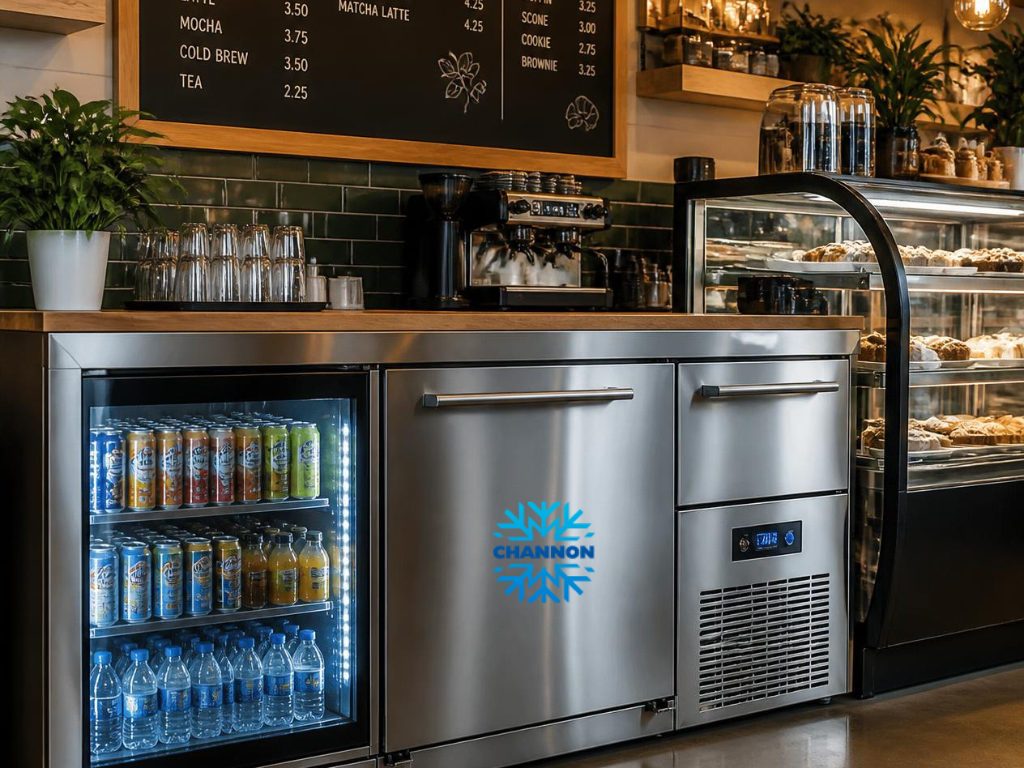
Selecting appropriate refrigeration equipment should come before choosing a financing arrangement.
A refrigerator that is too small may create storage difficulties, while an oversized unit could occupy unnecessary space and increase operating expenses.
Commercial refrigerator financing is most useful when the equipment being purchased meets the café’s actual requirements.
Upright Fridges, Underbench Refrigeration and Display Cabinets
Upright commercial refrigerators provide vertical storage for ingredients, beverages and prepared foods. Their design can be useful in kitchens where floor space is limited but additional storage capacity is required.
Underbench refrigerators are commonly used in food preparation areas because they provide convenient access to chilled ingredients without requiring staff to move to a separate storage location.
For example, a café preparing sandwiches and salads may benefit from underbench refrigeration positioned near its preparation station.
Refrigerated display cabinets serve another purpose by allowing customers to view chilled food while it remains under appropriate temperature control.
Cafés offering desserts, sandwiches, cakes and ready-to-eat meals should choose display cabinets designed for the products being stored.
Food Standards Australia New Zealand advises that potentially hazardous food should generally be stored at 5°C or colder unless a suitable alternative food safety arrangement applies.
When comparing refrigeration models, café owners should assess usable capacity, internal layout, operating temperatures, energy consumption and equipment dimensions.
These factors can influence both the effectiveness of the refrigerator and its ongoing running costs.
Commercial Refrigerator Financing for Larger Storage Needs
As a café expands, its refrigeration requirements may change.
Businesses preparing larger quantities of food, accepting bulk deliveries or supplying catering orders may require additional refrigerated storage.
Commercial modular cool rooms can provide larger storage areas for businesses that need greater refrigeration capacity than standard cabinets offer.
However, installing a cool room involves additional considerations, including available floor space, insulation, refrigeration capacity, electrical supply and access for maintenance.
A growing café should determine whether a modular cool room is necessary or whether additional upright refrigerators would provide a more practical solution.
Commercial refrigerator financing may be available for some larger refrigeration systems, depending on the finance provider and the equipment’s eligibility.
Businesses should also establish whether installation, electrical work and other associated costs can be included in the finance arrangement.
Obtaining a detailed equipment quotation before applying for finance helps clarify the overall investment required.
Understanding Commercial Refrigerator Financing Costs and Terms
The monthly repayment is only one factor to consider when comparing refrigeration finance arrangements.
A suitable agreement should provide a manageable payment structure while clearly explaining the total amount payable and any conditions affecting equipment ownership or use.
Comparing Monthly Repayments, Deposits and Total Costs
Different finance providers may offer different repayment terms depending on the equipment, business circumstances and type of agreement.
Some arrangements require an upfront deposit, while others may offer eligible businesses alternative payment structures.
Repayment periods also vary. A longer contract may reduce monthly payments but could increase the total amount paid.
Consider a hypothetical refrigerator with a purchase price of $6,000.
If a finance arrangement involves 36 monthly repayments of $200, the total repayments would amount to $7,200, assuming there are no additional charges or final payments.
The additional $1,200 illustrates why reviewing the total payment commitment is important. This is a simplified example, not a current finance quotation or advertised interest rate.
Commercial refrigerator financing agreements may also include establishment charges, administration fees, late payment charges or final purchase amounts.
Café owners should request a written breakdown of the total costs and compare it with the outright purchase price before making a decision.
What to Check Before Signing a Financing Agreement
Before signing a finance contract, business owners should understand the conditions that apply throughout the agreement.
Equipment ownership is one of the most important considerations. Depending on the arrangement, the refrigerator may remain the property of the finance provider or become the business’s property after certain obligations are met.
Maintenance responsibilities should also be confirmed.
Some contracts may include servicing arrangements, while others require the café to pay for repairs and maintenance.
The manufacturer’s warranty may provide protection against certain defects, but it should not be confused with a comprehensive maintenance agreement.
Businesses should also examine what happens if the refrigerator is no longer required.
Early termination may involve additional fees or outstanding payment obligations, particularly under longer contracts.
Insurance requirements, equipment damage conditions and return arrangements should be reviewed carefully.
Commercial refrigerator financing should be assessed according to the actual written contract rather than assumptions about what a lease or rental agreement normally includes.
If the terms are unclear, independent financial or legal advice may help business owners understand their responsibilities.
Applying for Commercial Refrigerator Financing in Australia
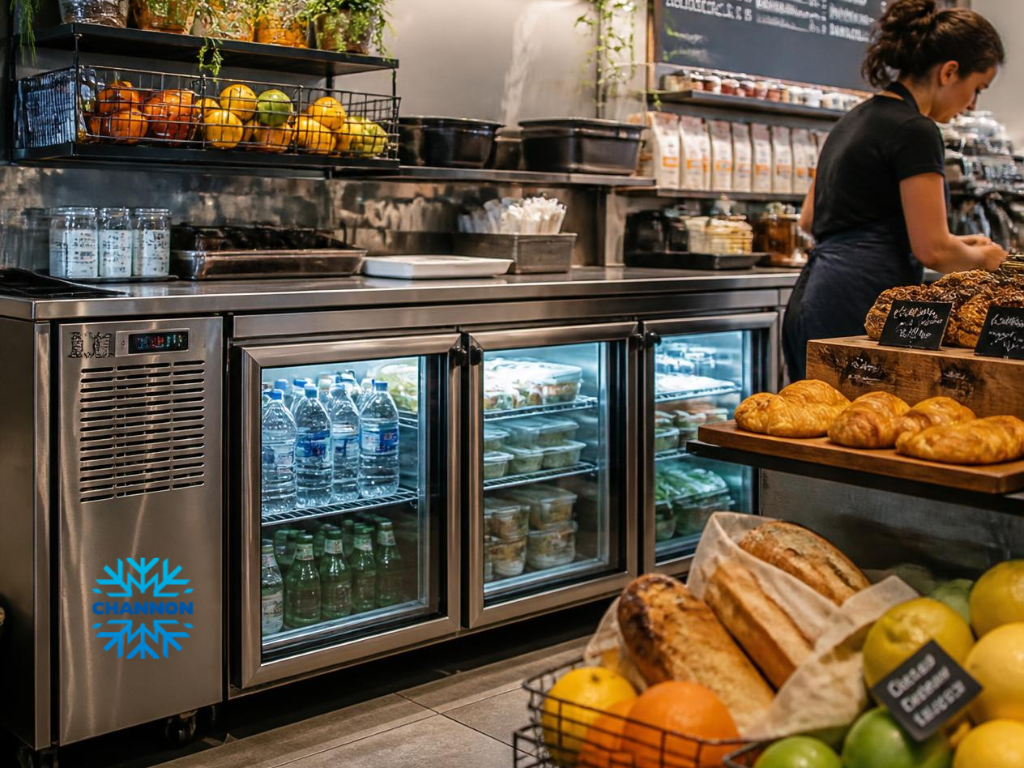
Comparing commercial fridge leasing and rental arrangements helps café owners understand payment commitments and equipment ownership conditions.After identifying suitable equipment, café owners can begin comparing available finance arrangements.
Application requirements differ between providers, and approval depends on the business’s circumstances and the lender’s assessment criteria.
Preparing the necessary information in advance can make the application process easier to manage.
Eligibility Requirements and Documents Cafe Owners May Need
Commercial equipment finance providers may assess a business’s trading history, revenue, existing financial commitments and credit information before making a decision.
Established cafés may have financial records that demonstrate their trading performance, while newly opened businesses may have limited operating history.
Depending on the provider, applicants may be asked to supply an Australian Business Number, business identification, financial statements, bank statements and equipment quotations.
Some finance providers may also request additional information about business ownership, existing liabilities or financial forecasts.
The type and value of the refrigeration equipment may influence the available finance arrangements.
Commercial refrigerator financing approval is not automatic, and applicants should avoid making equipment purchasing commitments based on an assumption that finance will be approved.
Confirming requirements with the finance provider before applying can help businesses prepare appropriately.
How Catering Equipment Finance Applications Work
Catering equipment finance can provide financing options for different types of commercial hospitality equipment, depending on the provider and the product being purchased.
The process generally begins with identifying suitable refrigeration equipment and obtaining a detailed supplier quotation.
Once the equipment has been selected, business owners can compare finance providers and repayment structures.
After choosing an arrangement, the applicant submits the required information for assessment.
If approved, the provider issues an agreement explaining the payment obligations, finance conditions and other responsibilities.
Businesses should review the contract before accepting it and confirm how equipment delivery and installation will be coordinated.
Some finance arrangements may allow multiple eligible equipment items to be included in one agreement, which could be useful when fitting out a new café.
However, combining several purchases should not distract from the need to assess the total financial commitment.
It is also important to establish when repayments begin and whether any deposit or initial payment is required before equipment delivery.
A clear understanding of these conditions helps businesses plan their purchases more effectively.
Managing Cash Flow and Avoiding Common Financing Mistakes
Choosing a suitable financing arrangement involves more than finding affordable repayments.
Commercial refrigeration equipment has ongoing operating costs, and small café owners should understand how these expenses affect their wider business budget.
Good planning can help prevent unnecessary financial pressure while ensuring the equipment remains suitable for everyday operations.
Budgeting for Repayments, Electricity and Equipment Maintenance
Commercial refrigerators generally operate continuously to maintain appropriate food storage temperatures.
Electricity consumption can therefore become a significant ongoing expense.
The amount of electricity used depends on the refrigerator’s size, insulation, efficiency, location, operating environment and frequency of door openings.
Businesses comparing equipment should review available energy consumption information and consider whether the selected model is appropriate for the amount of food being stored.
Maintenance expenses should also be included in the budget.
Door seals, refrigeration controls, condensers and other components may require inspection, cleaning, servicing or replacement over time.
Regular maintenance can help preserve equipment performance and identify issues before they develop into more serious faults.
When reviewing commercial refrigerator financing repayments, café owners should consider their expected income during quieter trading periods.
A business that experiences seasonal changes in customer demand should avoid relying entirely on its busiest months when assessing repayment affordability.
Allowing sufficient working capital for rent, wages, stock and unexpected expenses remains important.
Financing should support the business’s operations rather than place unnecessary pressure on its ability to meet regular financial obligations.
Common Mistakes When Comparing Refrigeration Finance Offers
One common mistake is focusing only on the lowest advertised monthly repayment.
A smaller payment may be associated with a longer contract, additional finance charges or a higher overall cost.
Another mistake is purchasing equipment without properly assessing storage requirements.
A refrigerator with insufficient capacity may create problems during busy service periods, while an oversized model may occupy unnecessary space and increase electricity expenses.
Businesses should also avoid assuming that commercial fridge on rent arrangements automatically include repairs, maintenance or an opportunity to purchase the equipment.
Similarly, a rent-to-buy arrangement should be reviewed to confirm the conditions required for ownership to transfer.
Not checking early termination fees can also create difficulties if the business relocates, closes or needs different equipment before the agreement ends.
When comparing commercial refrigerator financing options, business owners should focus on the equipment’s suitability, total financial commitment and contract conditions.
These considerations provide a more useful basis for deciding than the monthly payment alone.
Choosing the Right Refrigeration Supplier and Finance Option
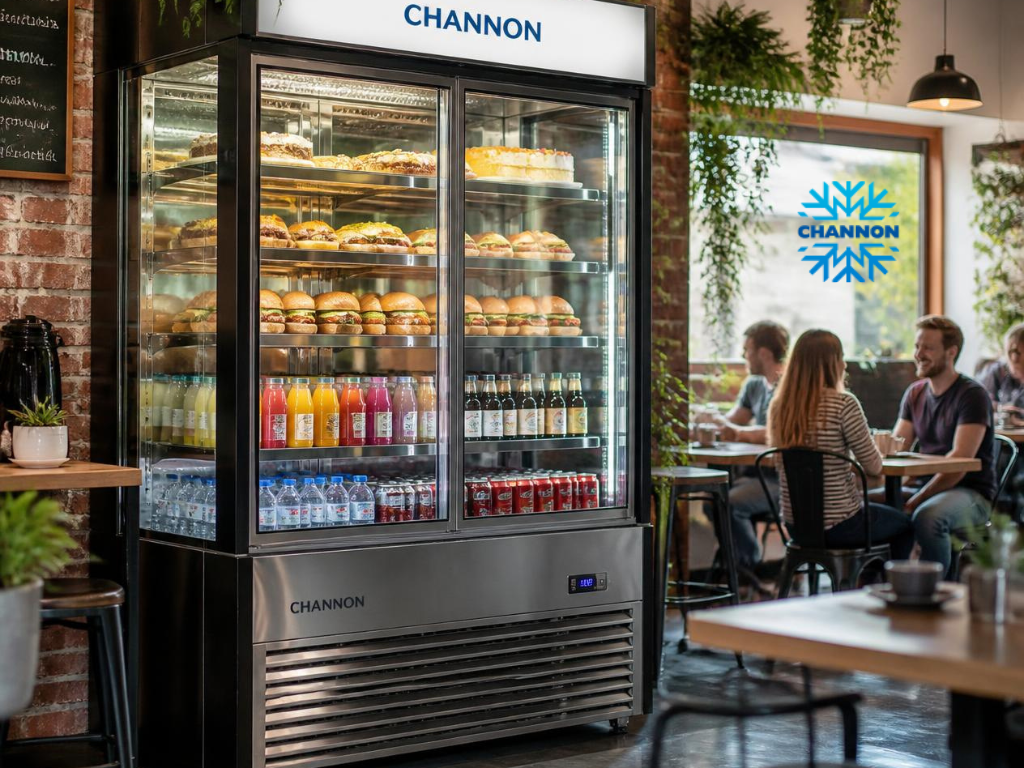
A suitable commercial refrigeration supplier can help café owners understand equipment specifications and identify products that match their operational requirements.
Before committing to a purchase or finance agreement, it is worth comparing equipment quality, warranty coverage, installation requirements and ongoing support.
Comparing Commercial Refrigeration Equipment for Sale
When exploring commercial refrigeration equipment for sale, the first step is understanding what the café needs to refrigerate.
An upright refrigerator may provide suitable storage for ingredients and prepared foods, while underbench refrigeration can improve accessibility at preparation stations.
Refrigerated display cabinets may be necessary for cafés selling chilled food directly to customers.
Larger businesses may require additional storage equipment or commercial modular cool rooms.
Beyond equipment capacity, café owners should consider operating temperatures, energy consumption, available installation space, warranty conditions and access to servicing.
Equipment reliability is particularly important because refrigeration failures can disrupt operations and put temperature-sensitive stock at risk.
For café owners in Sydney and Western Sydney, choosing a supplier familiar with hospitality equipment requirements can help simplify the selection process.
Channon supplies commercial refrigeration and catering equipment for hospitality businesses, including equipment suited to cafés, restaurants and commercial kitchens.
The company also provides rental and finance information through its hospitality finance partners, offering businesses an opportunity to explore payment arrangements alongside their equipment requirements.
Finance availability, approval, fees and contract conditions depend on the relevant provider and should be confirmed before making a commitment.
Making the Right Commercial Refrigerator Financing Decision
The most suitable commercial refrigerator financing arrangement depends on the café’s available capital, equipment requirements and longer-term business plans.
An established café replacing an essential refrigerator may prefer an arrangement that spreads purchasing costs while retaining working capital.
A new café may have different priorities because its initial expenses could include fitout work, kitchen equipment, stock and staffing.
Businesses considering commercial refrigerator rental should assess whether the agreement provides suitable flexibility and whether the overall cost makes sense for the intended period of use.
Those planning to own their equipment may benefit from comparing outright purchasing, equipment loans and financing arrangements that offer a pathway to ownership.
It is also worth discussing potential tax implications with a qualified accountant, as deductions and GST treatment depend on the circumstances and the structure of the agreement.
Ultimately, commercial refrigerator financing should be viewed as one part of a broader equipment purchasing decision.
Choosing appropriate refrigeration equipment, comparing total costs and understanding contract responsibilities can help café owners make more informed decisions while managing business expenses.
If you are planning to open a café, replace existing refrigeration equipment or expand your commercial kitchen, contact Channon to discuss suitable equipment and enquire about available rental and finance options.
By balancing reliable refrigeration, appropriate storage capacity and manageable financial commitments, small café owners can make equipment decisions that support safe food handling and sustainable day-to-day operations.
