

Timber veneer furniture is widely used in Australian homes, offices and commercial interiors because it offers the natural appearance of wood across a variety of furniture designs. Whether you own a veneered dining table, desk, cabinet or shelving unit, understanding how to maintain its surface can help preserve its appearance. Experienced timber veneer suppliers can also provide useful information about veneer types, product specifications and suitable applications.
Timber veneer is a thin layer of real wood bonded to a supporting material, commonly MDF, plywood or particleboard. This construction allows manufacturers to create decorative furniture surfaces while using different substrates to suit particular designs.
Although timber veneer has the appearance of natural wood, caring for veneered furniture is not always the same as maintaining solid timber.
The protective coating, adhesive and supporting board all influence how the finished product responds to cleaning, moisture, heat and everyday use. A veneered surface may be finished with lacquer, polyurethane or another coating system, depending on the manufacturer and intended application.
Because these finishes have different care requirements, the safest approach is to follow the instructions provided by the furniture manufacturer or finishing specialist.
With appropriate cleaning and handling, many common causes of surface damage can be reduced.
What Timber Veneer Suppliers Recommend for Furniture Care
Timber veneer suppliers can help buyers understand the characteristics of the veneer material, but the finished furniture’s maintenance requirements depend largely on the coating and construction.
The Timber Veneer Association of Australia advises that care instructions should reflect the specific surface finish used on the furniture.
For routine maintenance, gentle dusting with a soft, dry cloth is generally suitable for coated veneer surfaces.
Where cleaning is required, the method and cleaning product should be compatible with the protective coating.
Excessive moisture, abrasive products and harsh chemicals should be avoided unless the furniture manufacturer has expressly approved a particular treatment.
It is also important to protect surfaces from hot objects, prolonged sunlight and spills.
These precautions can help reduce damage to the coating and supporting materials.
Why Veneered Furniture Needs Appropriate Maintenance
A veneered furniture surface consists of several materials working together.
The decorative timber layer provides the visible grain and colour, while the protective finish helps shield it from everyday contact.
The underlying substrate provides support and contributes to the furniture’s structure.
Damage to one part of this construction can affect the appearance or condition of the entire panel.
For example, moisture entering through a damaged edge or coating may affect the timber veneer or the supporting board.
An unsuitable cleaning product may damage the protective finish even when the wood beneath remains intact.
Veneered furniture can also be more difficult to refinish than solid timber because the decorative wood veneers s comparatively thin.
Understanding these characteristics helps owners choose suitable cleaning methods and recognise when professional attention is needed.
Cleaning Timber Veneer Without Damaging the Surface
Regular cleaning helps remove dust, fingerprints and everyday dirt from furniture.
However, not all cleaning products are suitable for timber veneer.
When researching care advice from timber veneer suppliers, it is important to remember that the furniture’s surface coating determines which methods are appropriate.
A gentle approach is usually preferable to aggressive cleaning.
Everyday Dusting and Gentle Cleaning Methods
For routine dusting, use a clean, soft, dry microfibre cloth or another non-abrasive cloth.
Gently wipe the surface to remove loose dust and particles.
Avoid pressing hard or rubbing gritty material across the finish, as this can cause fine scratches.
For fingerprints or light marks, follow the furniture manufacturer’s cleaning instructions.
Where the finish allows damp cleaning, use a lightly dampened cloth rather than soaking the surface.
Remove any remaining moisture immediately with a clean, dry cloth.
Pay particular attention to panel edges, joins and areas around handles, where moisture may collect.
For stubborn marks, use only a cleaning product confirmed as suitable for the specific coating.
Before applying a new product, check the manufacturer’s instructions and test it on a small, inconspicuous area where appropriate.
Not every veneered surface is finished in the same way, so a cleaning method that works on one piece of furniture may be unsuitable for another.
Cleaning Products and Techniques to Avoid
Harsh chemicals and abrasive cleaners can damage protective coatings.
Scouring pads, abrasive powders and rough cloths may scratch the surface, reduce its clarity or alter its appearance.
Strong solvents and household cleaning products containing unsuitable ingredients may also affect certain finishes.
Steam cleaning is generally inappropriate for conventional timber veneer furniture because heat and moisture can reach vulnerable joins and edges.
Similarly, avoid spraying excessive liquid directly onto the surface.
Water may run into seams or damaged areas, potentially affecting the underlying board.
Furniture polish should not be applied automatically.
Some products can leave residues or contain ingredients that complicate future refinishing.
The Timber Veneer Sydney Association of Australia recommends avoiding silicone-containing polishes where future recoating may be necessary.
If you are unsure which coating has been used, contact the furniture manufacturer, cabinetmaker or finishing specialist before introducing a new cleaning product.
Using the correct cleaning method is often more important than cleaning frequently.
Protecting Veneered Furniture From Everyday Damage
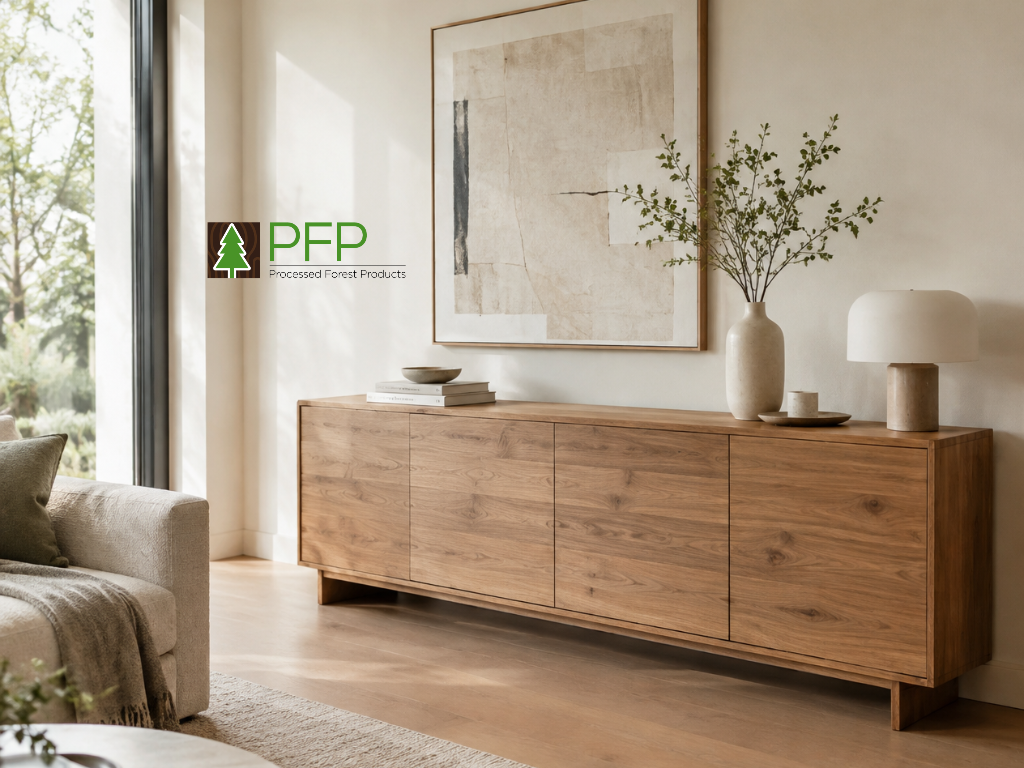
Veneered furniture is designed for practical use, but everyday activities can expose its surface to moisture, heat and physical wear.
Preventative care is particularly important for dining tables, desks, cabinets and other frequently used furniture.
Timber veneer suppliers may provide information about material characteristics, but owners should also understand how furniture placement and daily habits affect the finished surface.
Preventing Water Marks, Heat Damage and Scratches
Water spills should be cleaned promptly.
Even where a protective coating is present, prolonged moisture exposure can affect the finish or enter through vulnerable edges and joins.
For dining tables, coasters and suitable placemats can help reduce contact with liquids and hot objects.
Hot cups, cooking utensils and serving dishes should not be placed directly onto veneered surfaces unless the furniture manufacturer confirms that the finish is suitable.
Heat may mark certain coatings or cause changes in their appearance.
Protective pads can also help prevent scratches from decorative objects, computers and regularly moved accessories.
When repositioning items, lift them rather than dragging them across the surface.
This is particularly useful for office desks and tables where equipment may be moved frequently.
For cabinets and shelving, avoid unnecessary impacts to exposed corners and edges.
Damage to the coating at an edge can create a vulnerable point where moisture may enter.
Furniture care should reflect the intended use, as a decorative cabinet will face different conditions from a frequently used dining table.
Managing Sunlight, Humidity and Indoor Conditions
Natural timber and some surface finishes can change colour over time when exposed to light.
Prolonged direct sunlight may contribute to fading, bleaching or other changes in appearance.
The extent of these changes depends on the timber species, coating and exposure conditions.
In Australian homes, furniture positioned beside large windows may receive strong sunlight during parts of the day.
Curtains, blinds or other suitable window coverings can help reduce prolonged exposure.
It may also be useful to consider furniture placement before installing large veneered cabinets or decorative panels.
Indoor humidity is another consideration.
Significant moisture changes can affect timber products and certain supporting substrates.
Furniture should be kept away from persistent dampness, water leaks and areas where condensation regularly forms.
Avoid placing conventional veneered furniture where it is exposed to direct steam or frequent splashing unless the complete product has been designed for those conditions.
Maintaining reasonably stable indoor conditions can help reduce unnecessary stress on the furniture’s construction.
However, natural colour changes may still occur over time, even when reasonable care is taken.
Identifying Common Timber Veneer Problems
Recognising changes in a veneered surface can help furniture owners respond before problems become more extensive.
Some issues affect only the protective coating, while others may involve the veneer, adhesive or supporting substrate.
When looking for advice from timber veneer suppliers, it is helpful to understand the visible symptoms without assuming their cause.
Recognising Peeling, Bubbling and Loose Veneer Edges
Peeling or lifting veneer may appear as a raised edge, separated corner or area where the decorative timber layer no longer sits flat against the substrate.
Bubbling can appear as a localised raised area beneath the surface.
These symptoms may be associated with bonding problems, moisture exposure, heat or other manufacturing and environmental factors.
However, the cause cannot always be determined from appearance alone.
A lifted veneer edge should be handled carefully.
Repeatedly pressing, pulling or scraping the affected area may make the damage worse.
If the underlying board has swollen, simply reattaching the decorative layer may not restore the original panel.
The condition of the adhesive, substrate and coating needs to be considered before repair.
For valuable furniture or large veneered panels, a furniture restoration professional or experienced joiner can assess the damage and recommend an appropriate approach.
Early attention may help prevent further lifting or deterioration, although not every damaged panel can be restored.
Understanding Discolouration, Dents and Surface Wear
Changes in furniture appearance do not always indicate damage to the timber veneer itself.
Discolouration may result from light exposure, ageing coatings, spills or changes in the timber’s natural appearance.
Some protective finishes can yellow or change colour over time.
Surface scratches may affect only the coating, while deeper scratches may extend into the veneer.
Dents can involve compression of the surface materials, depending on the impact and furniture construction.
White marks or cloudy areas may sometimes appear after exposure to moisture or heat, but their cause should be assessed before treatment.
It is important not to assume that every mark can be removed using a household cleaning product.
Aggressive rubbing or unsuitable chemicals may turn a minor cosmetic issue into permanent coating damage.
If the surface is becoming rough, lifting or showing signs of swelling, seek professional advice before attempting repairs.
Understanding whether the problem involves the finish, veneer or substrate helps determine the most appropriate next step.
Repairing and Refinishing Veneered Furniture Safely
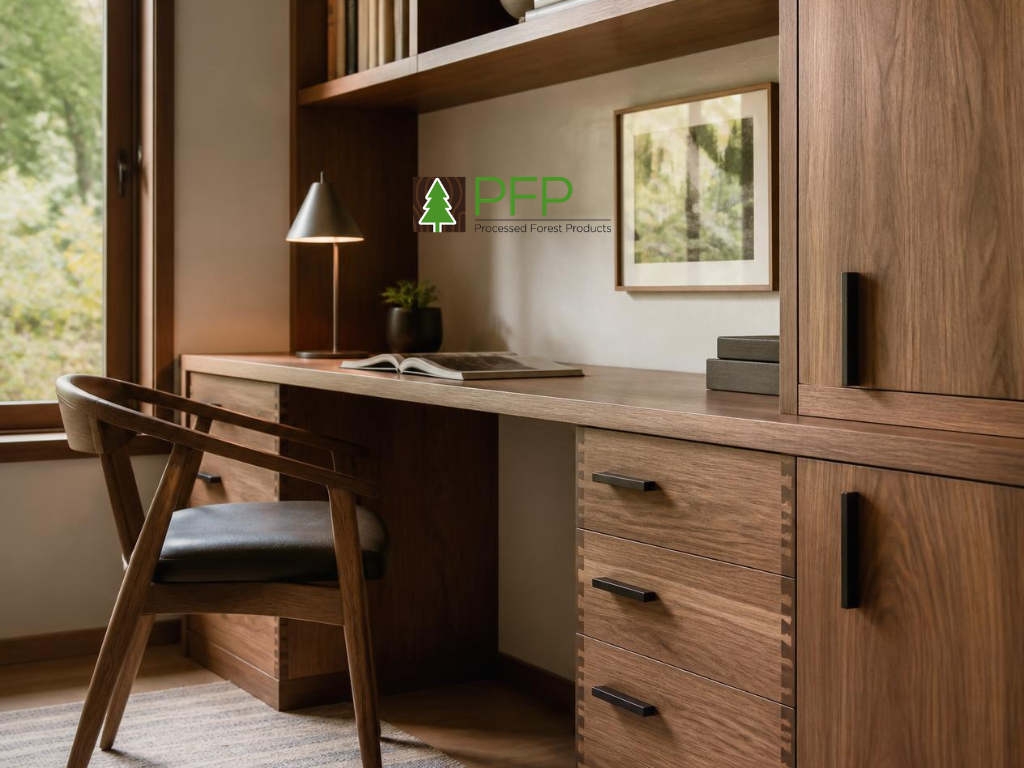
Minor surface wear does not always mean that a piece of furniture needs replacement.
However, repairing veneered furniture requires care because the decorative timber layer is relatively thin.
Timber veneer suppliers can explain material characteristics, while a furniture restoration specialist or experienced cabinetmaker is generally better placed to assess repairs to an existing finished item.
When Minor Surface Marks Can Be Addressed
Some minor marks may be caused by surface dirt or residue rather than permanent damage.
Before considering repair, try the cleaning method recommended for the furniture’s finish.
If the mark remains, determine whether it is a surface scratch, coating discolouration or damage extending into the wood.
Minor scratches in a protective coating may sometimes be addressed by a professional without replacing the veneer.
However, the appropriate treatment depends on the finish and the depth of the damage.
Applying oils, waxes, fillers or colour repair products without understanding the coating can create uneven results.
Some products may also interfere with later refinishing.
For furniture with a distinctive natural veneer pattern, matching the original colour and grain can be difficult.
A professional can help determine whether a localised repair is practical or whether a broader refinishing approach is necessary.
Why Sanding, Rebonding and Refinishing Need Care
Solid timber can sometimes be sanded repeatedly, depending on its condition and construction.
Timber veneer does not offer the same margin for material removal.
Aggressive sanding can cut through the veneer and expose the supporting substrate.
Once this happens, restoring the original appearance may require more extensive work.
Refinishing also depends on the existing coating.
Some finishes can be repaired or recoated under suitable conditions, while others require particular preparation methods.
Removing an existing finish with unsuitable chemicals or abrasive techniques may damage the veneer or adhesive.
Rebonding loose veneer also requires an understanding of the materials involved.
The appropriate adhesive and repair method depend on the original construction and the condition of the substrate.
For significant bubbling, peeling or surface deterioration, professional assessment is generally preferable to experimenting with household repair methods.
The aim should be to preserve the remaining material and avoid making the damage more difficult to repair.
Choosing Veneer Materials That Are Easier to Maintain
Maintenance should be considered before selecting veneer materials for new furniture or joinery.
Different applications expose surfaces to different levels of wear, moisture and cleaning.
When comparing timber veneer suppliers, buyers should discuss how veneer type, substrate and finishing requirements affect the completed product.
A suitable material selection can make everyday care more practical.
How Veneer Type, Substrate and Finish Affect Care
Natural and reconstructed wood veneers supplies can both be used in decorative furniture and interior joinery.
Natural veneers retain individual timber grain characteristics, while reconstructed veneers are processed to create more controlled decorative appearances.
However, maintenance requirements cannot be determined from veneer type alone.
The protective coating and supporting substrate play important roles in the finished product’s durability.
For example, a desk or dining table may require a finish suited to regular contact, cleaning and everyday use.
A decorative wall panel or display cabinet may face less direct wear.
Substrate selection also matters.
MDF, plywood and particleboard have different construction characteristics, and their suitability depends on the intended application.
Where moisture exposure is possible, the complete panel construction and edge protection should be assessed.
The Timber Veneer Association of Australia advises that conventional veneered products are generally unsuitable for high-wear, wet horizontal surfaces such as kitchen benchtops unless protected by an appropriate specialist system.
This does not mean timber veneer cannot be used in kitchens.
Cabinet doors, decorative panels and other suitable applications may use timber veneer when the construction and finish are appropriate.
The key is to match the material and protective coating to the expected conditions.
Questions to Ask Wood Veneer Suppliers Before Buying
When selecting wood veneer suppliers for furniture manufacturing, it is useful to confirm how the material will be finished and maintained.
Ask whether the veneer is supplied as raw leaves or as part of a finished or unfinished veneered panel.
If panels are supplied, establish the substrate type and any relevant construction specifications.
For finished furniture, request information about the coating system and approved cleaning products.
Where the supplier does not control the final coating, the cabinetmaker, furniture manufacturer or coating specialist may need to provide those instructions.
Buyers should also consider edge treatments, moisture exposure and the possibility of future refinishing.
A timber veneer manufacturer may provide technical information about materials or panel construction, but care instructions for the completed furniture should reflect the actual finish used.
For projects involving desks, tables or frequently used cabinets, discussing these requirements before fabrication can help avoid unsuitable material choices.
Selecting the right product is not just about colour or grain. It is also about how the finished furniture will be used and maintained.
Keeping Timber Veneer Furniture Looking Its Best
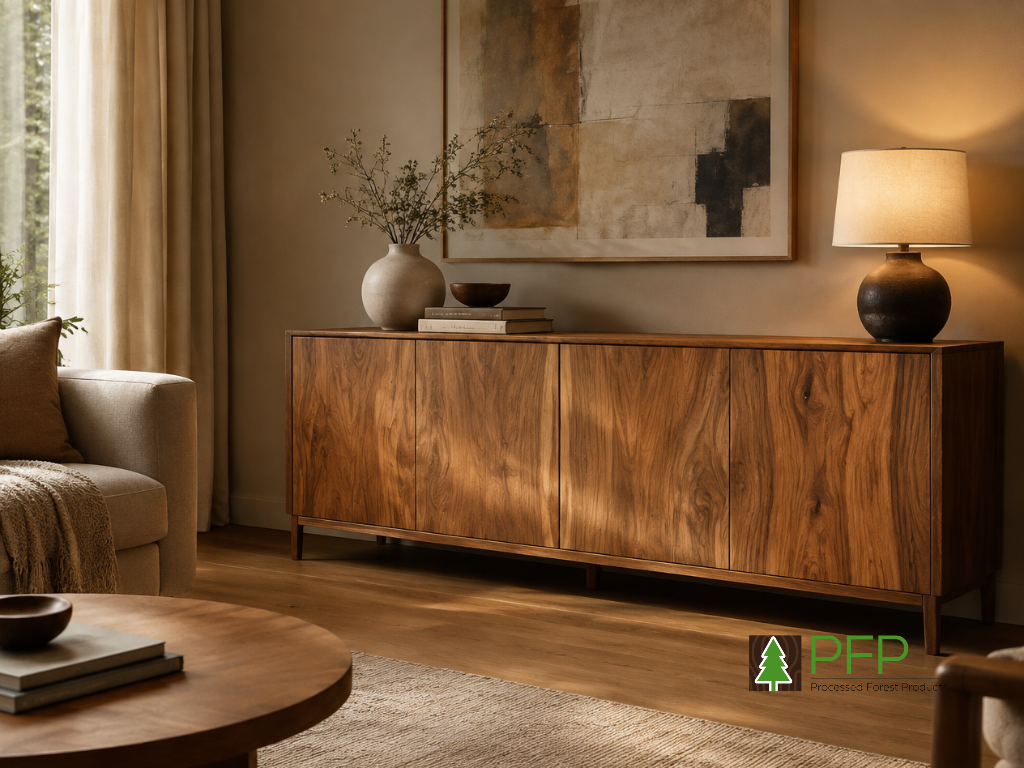
Timber veneer nsw furniture can remain an attractive and practical part of an interior when it is used and cared for appropriately.
Regular attention to cleaning, moisture protection and surface condition can help reduce avoidable damage.
Whether you already own veneered furniture or are comparing materials from timber veneer suppliers, understanding the role of the finish and substrate is important.
Building a Practical Furniture Maintenance Routine
A useful maintenance routine does not need to be complicated.
Dust veneered furniture gently using a clean, soft cloth and follow the manufacturer’s instructions when additional cleaning is needed.
Clean spills promptly and remove any remaining moisture from the surface.
Use suitable coasters and protective pads where furniture is regularly exposed to drinks, hot objects or equipment.
Avoid placing conventional veneered furniture in areas subject to persistent dampness or prolonged direct sunlight.
It is also worth checking the condition of edges, corners and frequently used surfaces from time to time.
Loose veneer, swelling or unusual surface changes should be investigated rather than concealed with unsuitable cleaning products.
Where professional repair is required, provide the specialist with any available information about the furniture’s materials and finish.
For workplaces and commercial interiors, keeping maintenance instructions available to cleaning staff can help prevent accidental damage from inappropriate cleaning products.
The most effective routine is one that suits the furniture’s actual construction and usage.
How Timber Veneer Suppliers Can Help With Product Selection
If you are planning new furniture, cabinetry or interior joinery, choosing suitable veneer materials from the beginning can help support easier long-term care.
Timber veneer suppliers can assist buyers in understanding available wood species, decorative appearances and product specifications.
Forest Products, also known as Processed Forest Products, supplies natural and reconstituted timber veneer products for the Australian market.
Its range includes species such as American Walnut, European Oak, Blackbutt and other decorative timber options, with product characteristics varying by species and veneer cut.
Buyers can explore the Forest Products timber veneer range to compare available materials and their appearance.
For new furniture or joinery projects, it is worth discussing the intended application, substrate requirements and finishing arrangements before making a selection.
If you are sourcing timber veneer in Sydney or NSW, you can also consider local product availability and manufacturing requirements.
Forest Products is based in Milperra, NSW, and provides timber veneer and board products for furniture and interior applications.
Visit the Forest Products website to explore its products, or contact Forest Products to discuss material options and specifications for your project.
For furniture you already own, always prioritise the finished product’s care instructions and seek professional advice if substantial damage develops.
By combining suitable product selection with gentle cleaning, moisture protection and appropriate maintenance, you can help preserve the natural appearance of timber veneer furniture and reduce avoidable surface damage over time.
