

A soft toilet seat cushion can make a standard toilet seat more comfortable for someone who finds hard surfaces uncomfortable, but it serves a different purpose from a raised toilet seat. A cushion mainly adds padding, while a raised seat changes the sitting height and can reduce how far a person needs to lower themselves. Choosing between the two depends on comfort, mobility, balance and how safely the person can sit down and stand up.
For older Australians, people recovering from surgery or anyone with reduced mobility, bathroom equipment should be chosen around the person’s actual needs. My Aged Care includes toileting supports, shower chairs, bath boards and grab rails among assistive technologies and home modifications that can support safer daily living.
A soft toilet seat cushion and a raised toilet seat can look like similar bathroom aids, but they are designed to solve different problems.
The most important distinction is whether the person mainly needs a softer sitting surface or whether they need help reducing the effort involved in lowering and raising themselves from the toilet.
How a soft toilet seat cushion adds comfort
A soft toilet seat cushion adds padding between the user and the standard toilet seat.
This can make sitting more comfortable for someone who finds a hard toilet seat uncomfortable because of tenderness, reduced padding around the hips or other sensitivity.
A toilet seat pillow, soft toilet seat or cushioned toilet seat may come in different thicknesses and materials, so comfort can vary between products.
However, cushioning does not automatically provide meaningful support for standing up or sitting down. If the person has difficulty with transfers, comfort alone may not address the main problem.
When a soft toilet seat cushion is different from a raised seat
A soft toilet seat cushion mainly changes the surface, while a raised toilet seat increases the height of the seating position.
My Aged Care specifically identifies raised toilet seats as equipment that can support people living at home, particularly where getting on and off the toilet is difficult.
A raised seat may reduce how far the hips and knees need to bend. This can be useful for someone with reduced lower-body strength or limited joint movement.
The two products therefore should not be treated as interchangeable.
Decide Which Option Better Matches the User’s Needs
A soft toilet seat cushion may suit someone who can already transfer safely but wants greater comfort.
A raised seat may be more appropriate where the main challenge is movement rather than pressure or firmness.
Who may benefit most from a soft toilet seat cushion
A soft toilet seat cushion may be suitable for someone who can sit down and stand up independently but finds a standard toilet seat too firm.
This may include people seeking additional comfort during recovery or those who simply prefer a softer sitting surface.
The key question is whether the person’s transfer ability is already safe.
If balance, strength or movement is becoming difficult, a cushion toilet seat should not be assumed to solve the problem.
When a soft toilet seat cushion may not provide enough support
A soft toilet seat cushion may not be enough for someone who struggles to lower themselves safely, has difficulty standing up or is at increased risk of falling.
Healthdirect notes that mobility aids and related supports can help people who have trouble moving because of age, disability, chronic conditions, injury or balance problems.
In a bathroom setting, a raised toilet seat, toilet frame or grab rail may be more relevant when transfers are the main concern.
An occupational therapist can also assess the person’s home environment and recommend suitable toilet aids or modifications where the situation is more complex.
Compare Comfort, Stability and Ease of Use
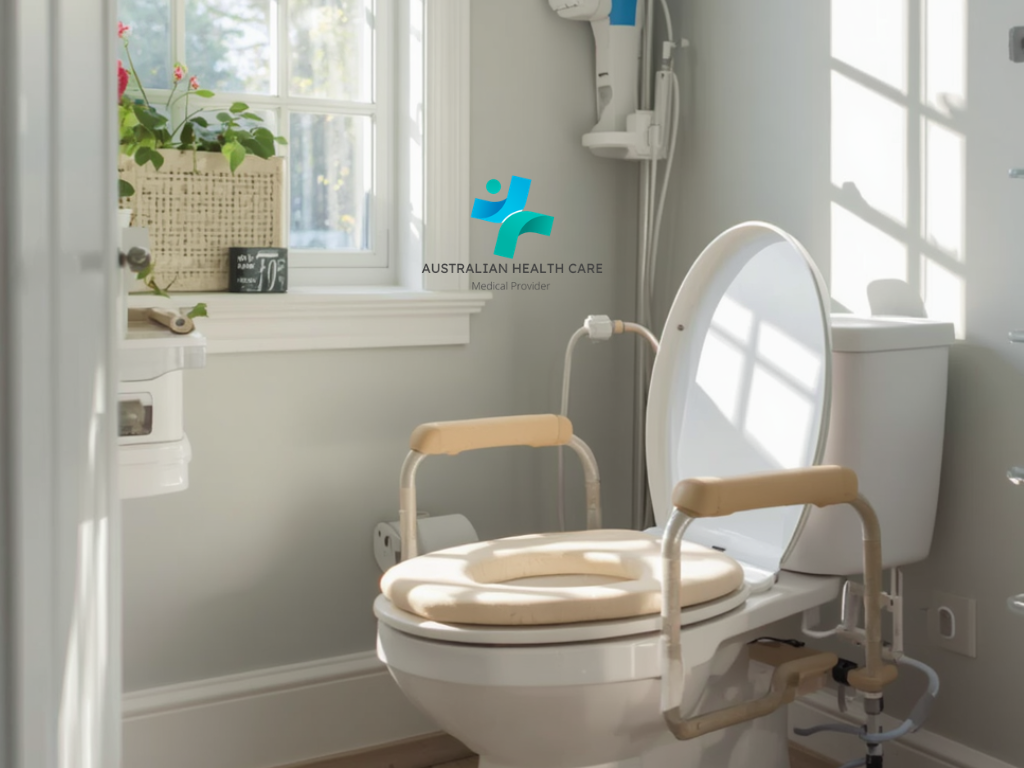
A soft toilet seat cushion should be assessed for more than softness alone.
Stability, attachment, fit and the way the product behaves during transfers can all affect whether it is practical for everyday use.
What to check in a soft toilet seat cushion for daily comfort
A soft toilet seat cushion should fit the toilet securely without excessive movement.
Check the overall shape, thickness, material and attachment method. A very thick cushion may feel comfortable when seated but could change the way the person positions themselves on the toilet.
The surface should also be easy to clean and suitable for regular bathroom use.
If the product shifts during transfers, it may not be appropriate for someone with reduced balance or strength.
How a soft toilet seat cushion compares with a raised seat
A soft toilet seat cushion provides padding, while a raised seat is designed to change sitting height.
That difference affects both comfort and mobility.
A raised toilet seat can be particularly helpful where lowering into a standard-height toilet causes difficulty. Healthdirect notes that raised toilet seats and nearby grab bars can help make toilet access easier in some situations.
A cushioned toilet seat may still be the better option when the person does not need extra height and is mainly concerned about comfort.
Think About Bathroom Safety as a Whole
A soft toilet seat cushion is only one part of the bathroom environment.
If someone has difficulty with balance, transfers or walking, it is useful to look at the whole route to and from the toilet rather than focusing only on the seat itself.
How a soft toilet seat cushion fits into bathroom safety
A soft toilet seat cushion may make sitting more comfortable, but bathroom safety can also depend on lighting, flooring, access and the person’s ability to move around safely.
My Aged Care lists grab rails, shower chairs, bath boards and other bathroom supports as examples of equipment and modifications that may help people live more safely at home.
Bathroom medical equipment should therefore be considered as part of the full environment.
A cushion may be useful, but it should not distract from other risks such as slippery surfaces or poor support during transfers.
When a soft toilet seat cushion should be paired with support
A soft toilet seat cushion may be used alongside other supports if the person needs both comfort and stability.
Grab rails can provide a secure handhold, while an over-toilet frame can offer additional support during sitting and standing.
My Aged Care describes grab rails as a way to support balance during daily activities, and occupational therapy assessments can help determine where rails or other equipment are appropriate.
Where fixed rails are being considered, buyers should look for a qualified handicap safety grab bar supplier or appropriate installer rather than relying on temporary fittings that may not suit the user.
Consider Other Equipment for Transfers and Personal Care
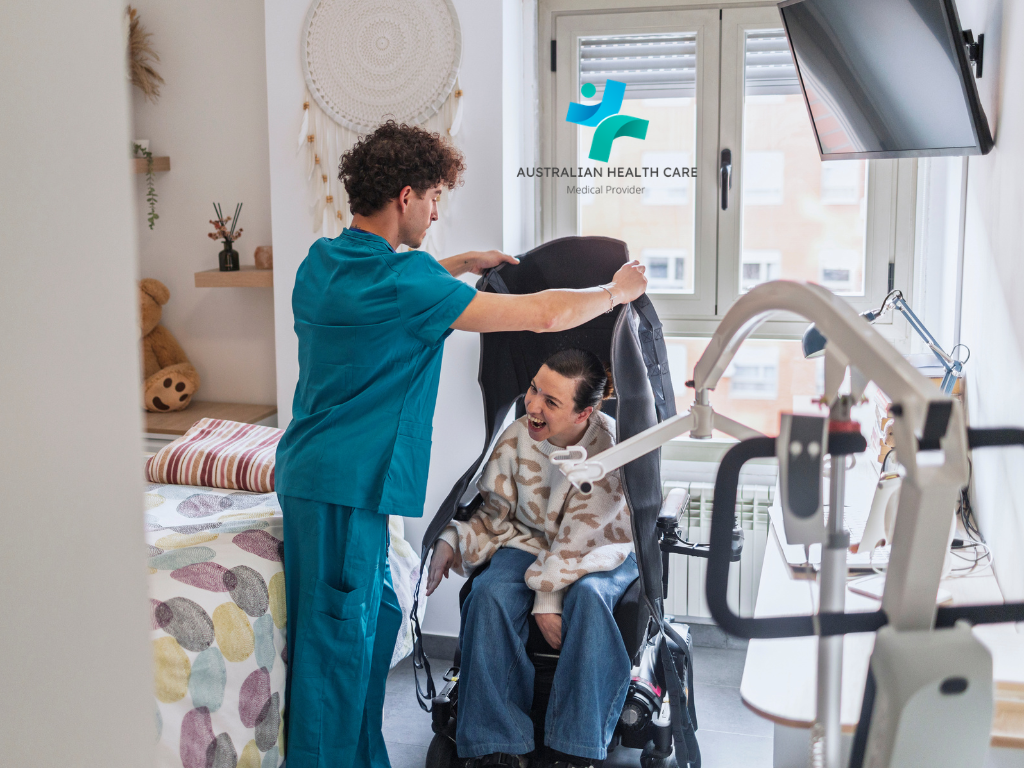
A soft toilet seat cushion may solve one comfort issue, but some users need more support across the wider bathroom routine.
This can include showering, transferring, dressing or moving between the bathroom and bedroom.
How a soft toilet seat cushion works with other bathroom aids
A soft toilet seat cushion can be used as part of a broader bathroom setup where other equipment is also required.
Medical bench seats, shower chairs and bath boards can help people who have difficulty standing for long periods or moving safely in wet areas.
My Aged Care identifies bathing devices such as shower chairs and bath boards as common assistive technologies that can help people complete daily activities more safely.
Australian Health Care also carries bathroom medical equipment including raised toilet seats and other home-care products, giving buyers the option to compare different categories rather than considering one product in isolation.
Why a soft toilet seat cushion is only one part of the setup
A soft toilet seat cushion should be chosen around the full routine.
If someone needs help reaching the bathroom, lowering onto the toilet, standing up and then moving to the shower, a cushion alone is unlikely to address every difficulty.
This is why bathroom medical equipment should be viewed as a system of supports rather than as individual products.
An occupational therapist can assess the person’s ability to complete everyday tasks and recommend equipment such as toilet aids, transfer aids and shower chairs where appropriate.
Check Fit, Cleaning and Hygiene Before Buying
A soft toilet seat cushion should fit securely and be practical to clean regularly.
Bathrooms are high-use environments, so hygiene and maintenance matter just as much as comfort.
How to check whether a soft toilet seat cushion will fit
Before buying a soft toilet seat cushion, check the dimensions and shape of the existing toilet seat.
Some products are designed for specific seat shapes, while others use straps or other attachments to remain in place.
The cushion should not interfere with normal toilet use or create an unstable sitting position.
It is also worth checking whether the toilet lid can still close if that matters to the user.
How to keep a soft toilet seat cushion hygienic
A soft toilet seat cushion should be cleaned according to the manufacturer’s instructions.
Look for surfaces that can be wiped down easily and materials that are designed for bathroom use.
If the cushion has a removable cover, check whether it is washable and how often it should be cleaned.
Healthdirect recommends good toilet and personal hygiene practices, including gentle cleaning and avoiding products that may irritate sensitive skin.
Keeping the cushion clean and dry can also help maintain comfort over time.
Choose the Option That Supports Safer Everyday Use
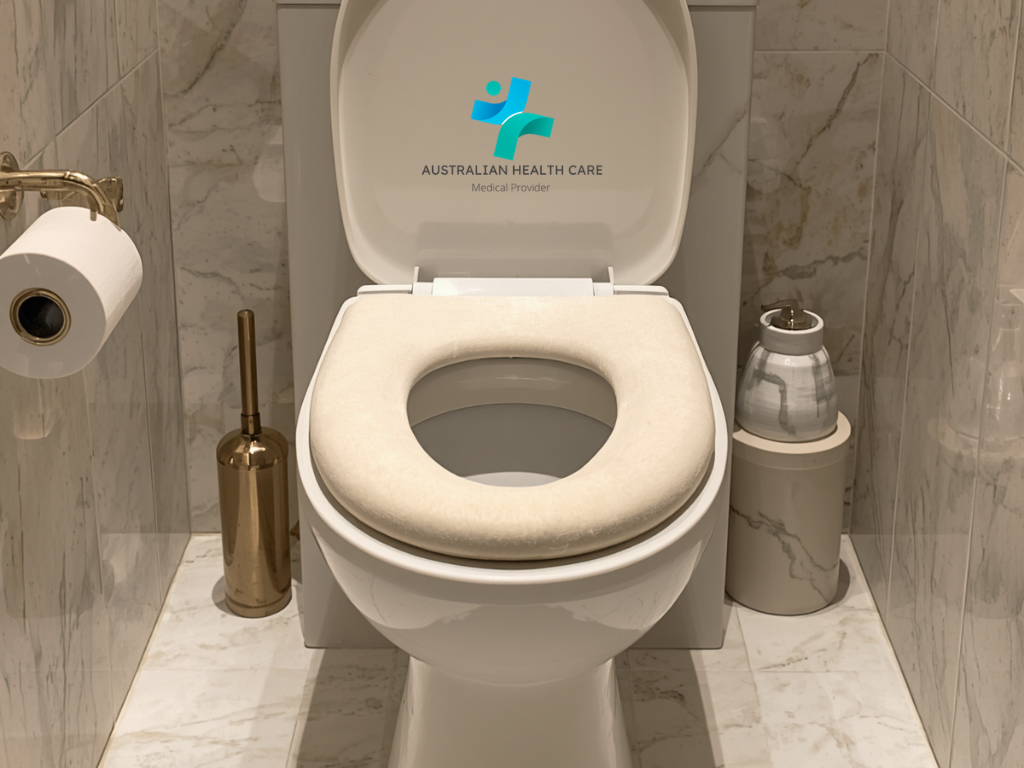
A soft toilet seat cushion may be the right choice when comfort is the main concern and the person can already use the toilet safely.
Where mobility, balance or transfer difficulties are involved, a raised seat or another support may be more appropriate.
What to ask before choosing a soft toilet seat cushion
Before choosing a soft toilet seat cushion, consider whether the person mainly needs comfort or whether they also struggle with sitting down and standing up.
Check fit, stability, cleaning requirements and whether the product changes the sitting position in a way that affects safety.
If additional support is needed, consider whether a raised toilet seat, toilet frame, grab rail or other bathroom medical equipment would be more useful.
Australian Health Care offers raised toilet seats and related health equipment, so buyers can compare products based on comfort, height and support requirements rather than choosing only on appearance.
When a soft toilet seat cushion should be professionally reviewed
A soft toilet seat cushion should be professionally reviewed when the user has repeated falls, significant weakness, recent surgery, severe joint restrictions or difficulty transferring safely.
Healthdirect advises that healthcare professionals can assess mobility needs and recommend suitable aids, while My Aged Care also supports professional assessment for assistive technology and home modifications.
In these situations, an occupational therapist or physiotherapist can help determine whether a cushion, raised toilet seat, frame, rail or another solution is better suited to the person.
The safest choice is the one that matches the actual problem. A soft toilet seat cushion can improve comfort, while a raised seat can help reduce the effort of sitting and standing. Understanding that difference makes it easier to choose bathroom equipment that is practical, comfortable and appropriate for everyday use.
