

Commercial interiors need materials that balance appearance, functionality and project requirements. From office reception counters to meeting room furniture, decorative timber finishes can help create welcoming and coordinated workplaces. For architects and fit-out contractors, sustainable veneers offer a way to incorporate natural timber surfaces while considering responsible sourcing, panel construction and long-term suitability.
Selecting timber veneers involves more than finding an appealing grain pattern. Designers must also consider where the material will be installed, how frequently it will be handled and whether the proposed panel meets relevant technical requirements.
A veneer that performs well on cabinetry may not be appropriate for a commercial wall lining without additional product evidence.
Understanding these differences helps Australian project teams choose materials that support both the design intent and practical building requirements.
Where Can Sustainable Veneers Enhance Commercial Spaces?
Creating Natural Timber Features With Sustainable Veneers
Timber finishes can introduce warmth and texture into commercial interiors that might otherwise contain predominantly glass, metal and painted surfaces.
Natural wood veneers use thin layers of genuine timber bonded to suitable backing materials. This construction allows decorative timber surfaces to be incorporated into cabinetry, furniture and architectural panels.
Because timber has natural grain characteristics, individual sheets can differ in colour, figure and texture.
These variations can contribute to a distinctive interior, although they require planning where several panels must appear consistent.
Sustainable veneers may be considered when project specifications call for responsibly sourced materials, provided the relevant environmental claims can be verified.
The sourcing credentials of the timber should be assessed alongside the substrate, adhesives and finish used to produce the completed panel.
Matching Timber Veneers to Different Workplace Areas
Not every decorative surface experiences the same conditions.
Reception counters are frequently touched and may be exposed to accidental impacts. Meeting tables require finishes suitable for regular cleaning, while feature walls often experience less direct contact.
Office cabinetry, storage units and custom joinery introduce additional considerations, including hardware, edging and panel dimensions.
For sustainable veneers to perform as intended, the selected panel construction should suit its location.
Designers should consider moisture exposure, sunlight, cleaning practices and expected use before choosing the final product.
How Can Buyers Verify Responsible Timber Sourcing?
Checking FSC Certification and Product Documentation
Timber sourcing information can form an important part of commercial material specifications.
An FSC certified veneer may be appropriate where a project requires products supported by Forest Stewardship Council certification.
FSC uses forest management and chain-of-custody systems to support recognised sourcing claims.
PEFC and Responsible Wood are also relevant to timber certification in Australia.
However, certification should never be assumed simply because a supplier advertises certified products.
Buyers should check whether the exact material is covered by an eligible certification claim and request appropriate transaction documentation.
Certification records should also be current and relevant to the product being purchased.
This helps architects and procurement teams distinguish verified sourcing information from general supplier statements.
Looking Beyond Environmental Marketing Claims
A sustainable veneer should not be assessed solely by its natural appearance.
The environmental characteristics of a finished panel may involve forest sourcing, manufacturing processes, substrate composition, adhesives and surface coatings.
For example, a responsibly sourced decorative timber layer may be bonded to an engineered board with separate emissions and manufacturing characteristics.
These details matter when a project has specific sustainability or indoor environmental quality objectives.
Rather than relying on broad descriptions such as eco-friendly, project teams should request product-specific evidence.
Useful documentation may include sourcing records, relevant environmental declarations and technical data covering the panel components.
Comparing verified information provides a more dependable basis for selecting sustainable veneers.
How Do Timber Species and Grain Patterns Shape Interior Design?
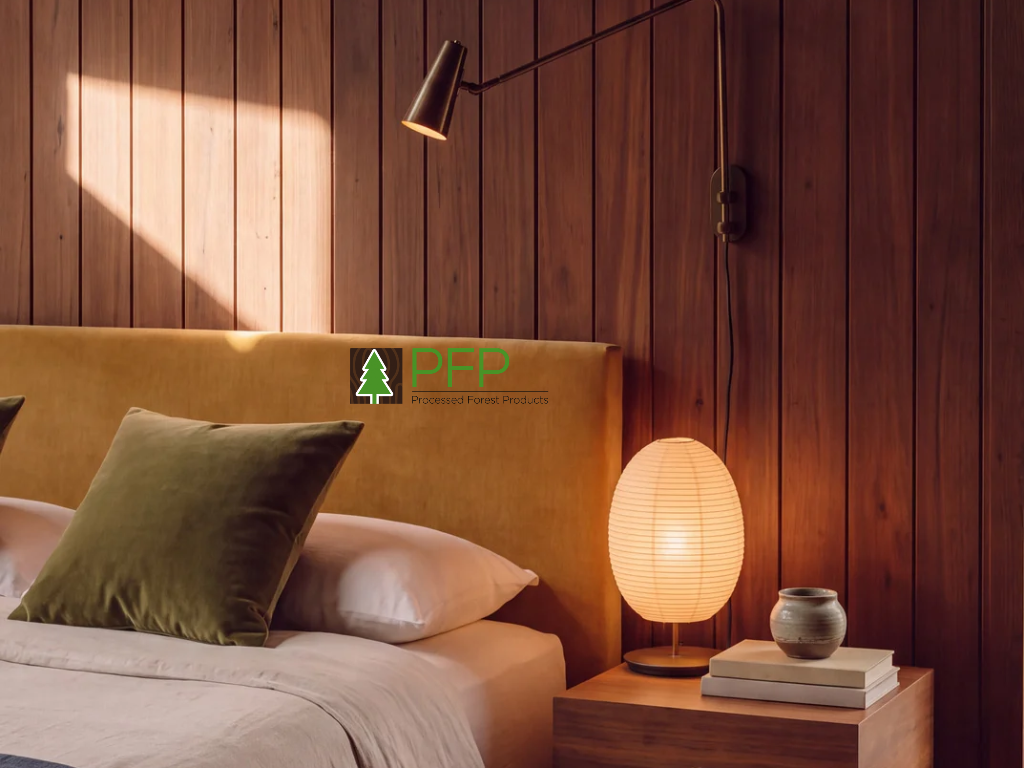
Comparing American Oak With Other Decorative Veneers
The timber species selected for a project strongly influences the appearance of the completed interior.
American oak veneer is one option for commercial joinery where a distinctive natural grain is desired.
Depending on the chosen finish, oak can be used to achieve lighter timber tones or a deeper stained appearance.
Walnut, ash, European oak and various Australian timbers offer other grain patterns and colour characteristics.
However, the appearance of a sample may not be identical to every sheet supplied.
Natural timber can vary between individual leaves, batches and sections of the same log.
Designers should therefore inspect physical samples and discuss matching requirements before approving large quantities.
For sustainable veneers, species selection should also be considered alongside availability and sourcing documentation.
Planning Wood Veneer Design Across Multiple Surfaces
Consistent wood veneer design requires attention to the arrangement of individual timber leaves.
Book matching places adjacent veneer leaves in alternating orientations to produce a mirrored grain effect.
Slip matching arranges consecutive leaves in the same orientation, creating a different visual rhythm.
The appropriate technique depends on the timber characteristics and desired appearance.
A large reception counter might benefit from a planned grain arrangement, while office cabinetry may use a simpler pattern.
Panel direction, joints and edge details can also affect the finished result.
Before fabrication, architects and joiners should agree on approved samples, veneer orientation and any critical matching details.
Early coordination helps sustainable veneers achieve a more consistent appearance throughout the interior.
What Should Commercial Veneer Specifications Include?
Understanding Panel Construction and Indoor Emissions
The visible timber surface is only one component of a veneered panel.
Common backing materials include MDF, particleboard and plywood, each with different manufacturing and performance characteristics.
The appropriate substrate depends on the intended application, panel dimensions, fabrication methods and exposure conditions.
Adhesives and coatings also influence the final product.
For commercial interiors, architects may need to review formaldehyde emissions information relating to engineered wood boards.
Terms such as E0 and E1 may appear in product specifications, but they must be interpreted according to the relevant standard and testing method.
Sustainable veneers should not automatically be described as low-emission simply because they contain natural timber.
Where indoor emissions are a project requirement, request evidence for the actual product or panel system being supplied.
Confirming Fire Performance for Commercial Applications
Fire performance requirements must be considered when decorative timber panels are intended for commercial wall or ceiling linings.
Under the National Construction Code, relevant fire hazard property requirements depend on the building and proposed application.
The finished lining system may need appropriate group classification and smoke performance evidence.
A decorative veneer, substrate, adhesive and coating can form part of that system.
Consequently, a test report for a different construction may not establish compliance for the proposed installation.
Sustainable veneers suitable for joinery should not be assumed suitable for regulated wall and ceiling applications.
Architects and project managers should obtain relevant evidence and confirm requirements with suitably qualified building professionals before finalising specifications.
How Can Veneered Surfaces Handle Daily Workplace Use?
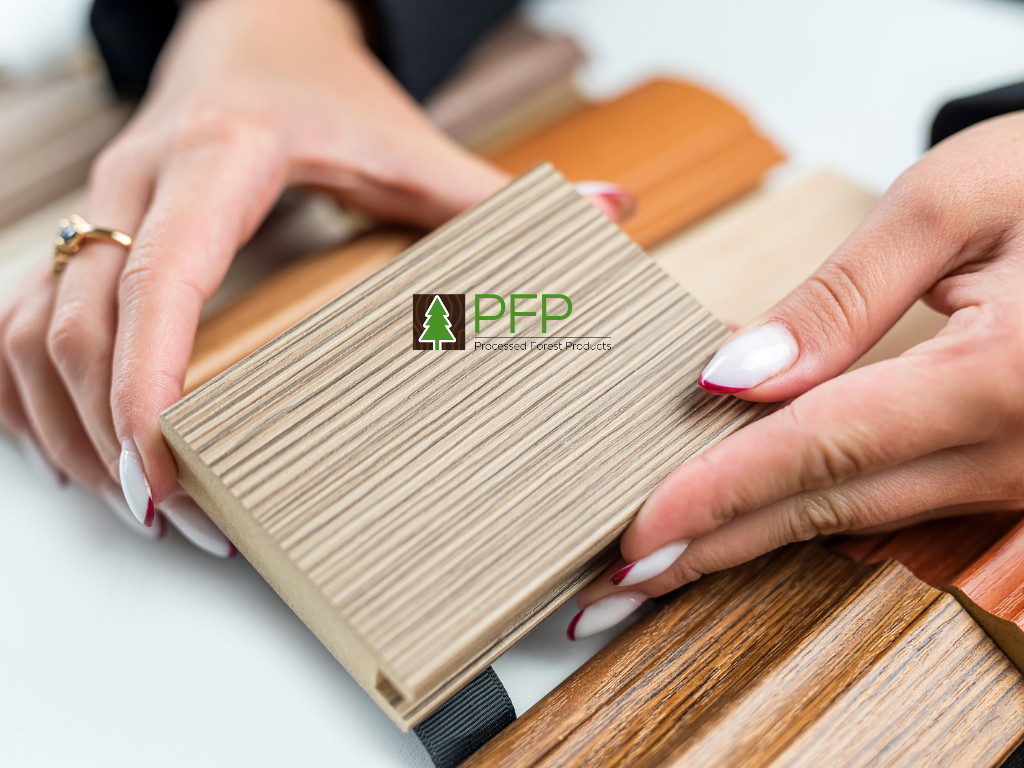
Choosing Surface Finishes for Different Applications
A suitable surface finish helps protect timber veneer and influences its final appearance.
The finish required for a meeting table may differ from one used on a decorative reception wall.
Frequently handled surfaces may need particular attention to scratch resistance, staining and cleaning requirements.
Areas exposed to moisture or strong sunlight may introduce additional considerations.
Designers should compare the stated properties of available finishing systems rather than assuming every coating performs equally.
For sustainable veneers used in commercial environments, the finish should complement the design while meeting the practical requirements of the space.
Manufacturer guidance can help determine whether the selected system is appropriate.
Maintaining Sustainable Veneers Over Time
Even well-finished timber surfaces require appropriate care.
Regular dusting and gentle cleaning can help preserve the appearance of veneered joinery.
Cleaning products should be compatible with the specified coating.
Abrasive materials, harsh chemicals and prolonged moisture exposure may damage some finishes.
Particular attention should be given to panel edges and joints where moisture could affect the underlying board.
Minor surface damage may sometimes be repaired, depending on veneer thickness and the type of coating.
More extensive damage can require professional restoration or replacement.
Understanding maintenance needs before specifying sustainable veneers helps facility managers plan suitable long-term care.
What Should You Look for When Choosing a Veneer Supplier?
Comparing Sustainable Veneers Against Project Requirements
The most suitable veneer product depends on its intended use, available specifications and design requirements.
Before approaching a supplier, identify the preferred timber species, panel dimensions, substrate and surface finish.
For visible architectural joinery, grain matching and colour consistency may be important.
Other projects may require specific emissions information, responsible sourcing evidence or fire-performance documentation.
Physical samples can help designers compare appearance, while technical sheets provide information about product construction.
Processed Forest Products supplies natural and reconstituted timber veneers, board materials and related manufacturing services.
Architects, designers and joiners can enquire about available materials and options suitable for their proposed joinery applications.
Comparing sustainable veneers should involve documented product characteristics rather than appearance or purchase price alone.
Questions to Clarify Before Placing an Order
A detailed enquiry can help avoid misunderstandings between suppliers, designers and fabricators.
Confirm the timber species, sheet dimensions, panel quantities and any required veneer matching.
Ask whether samples and technical specifications are available.
Where responsible sourcing is specified, request current certification details and confirm that the proposed product and transaction support the relevant claim.
For wall or ceiling applications, establish whether suitable fire-performance evidence exists for the intended panel construction.
Delivery arrangements and material lead times should also be considered, particularly when fabrication depends on coordinated veneer sequences.
Clear supplier discussions help project teams understand what will be supplied and whether the product meets the design brief.
How Can Veneer Selection Be Integrated Into a Fit-Out Project?
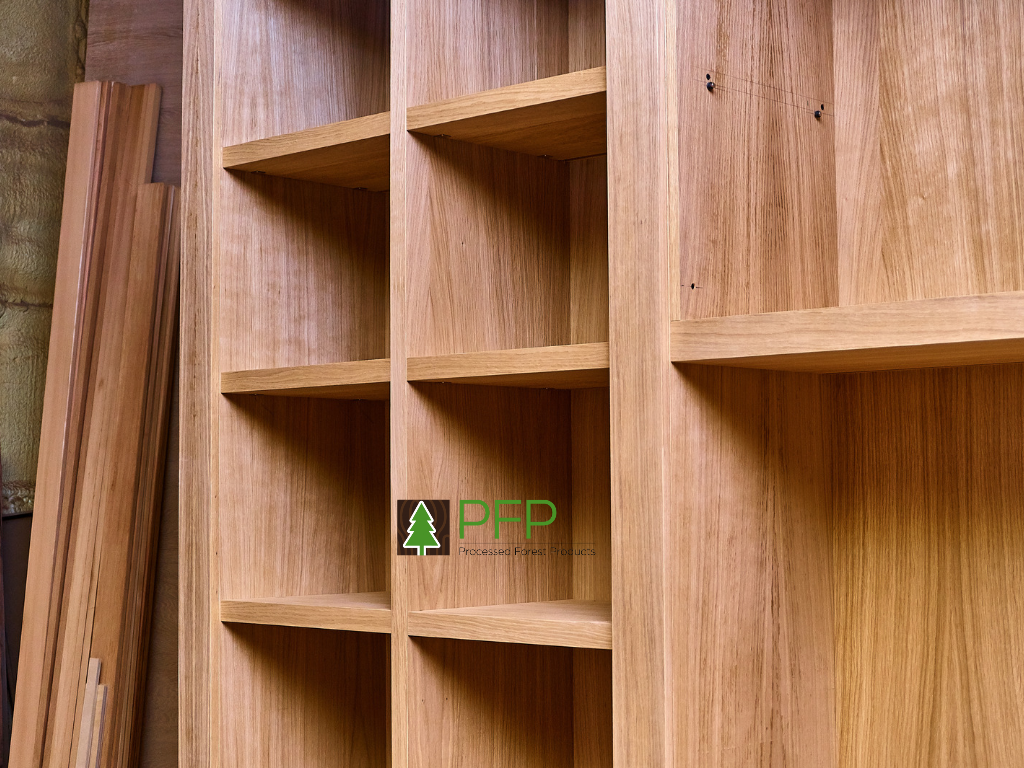
Planning Sustainable Veneers Before Fabrication Begins
Material decisions are easier to manage when they are made early in the design process.
Architects, joiners and suppliers should coordinate the veneer species, substrate, matching arrangement and panel dimensions before fabrication.
This is particularly important when timber grain must continue across adjoining surfaces.
Edge treatments, joints and fixing details should also be resolved during technical planning.
Panels need to be stored, handled and installed according to the relevant manufacturer’s instructions.
Moisture, temperature changes and site conditions can affect some timber-based products.
For commercial projects in Sydney or Western Sydney, confirming material availability and delivery requirements can help coordinate procurement with installation schedules.
Planning sustainable veneers early reduces uncertainty about the intended finish and construction details.
Documenting Materials for a Consistent Finished Result
A clear material specification helps everyone involved in the project work towards the same outcome.
The documentation should identify the approved timber species, veneer appearance, substrate, dimensions and finishing requirements.
Where necessary, it should also include veneer matching details, sourcing documentation and applicable technical evidence.
For regulated applications, fire-performance requirements must be addressed through suitable product or system documentation.
Approved samples and fabrication drawings can help communicate expectations before manufacturing begins.
Architects and joiners considering sustainable veneers can contact Processed Forest Products to discuss available timber species, board options and relevant manufacturing requirements.
By combining appropriate product selection with documented sourcing information, careful fabrication planning and suitable installation practices, commercial fit-out teams can make better-informed decisions about timber finishes.
The result is a more considered approach to commercial interiors, where visual appeal is supported by practical performance and verifiable material information.
