

Choosing the right roofing service matters because roof problems can affect much more than the roof surface. A small leak, loose flashing, cracked tile, rusted sheet, or blocked gutter may not look serious at first, but water can travel through the roof space and cause damage in areas that are not immediately visible.
Once water enters the building, it can affect ceilings, insulation, timber framing, internal walls, paint, plaster, and sometimes electrical areas. A ceiling stain may appear in one part of the home even when the actual leak begins somewhere else, because water can move along roof timbers, insulation, or internal surfaces before it becomes visible.
This is why homeowners searching for roofing Sydney services often need more than a quick patch. They need a proper inspection, clear explanation, and the right roofing solution for the condition of the roof. A good roofer should help identify the cause of the issue, not only cover the visible symptom.
Sydney Homes Face Different Roofing Conditions
Sydney homes face a mix of roofing conditions. Heavy rain can expose leaks around flashing, valleys, gutters, roof penetrations, and damaged tiles. Strong wind can loosen roof materials or move debris into drainage points. Hail can damage roof tiles, metal sheets, skylights, vents, and roof accessories. The 1999 Sydney hailstorm caused widespread roof damage across affected suburbs, including water entry through damaged roofs, which shows how severe storm events can create urgent roofing needs.
Coastal areas may also expose roofing materials to salt air, which can contribute to corrosion on some metal components over time. Tree-lined suburbs may deal with leaves blocking gutters and valleys. Older Sydney homes may have ageing tiles, worn sealants, deteriorated bedding, or previous repairs that no longer perform properly.
Because every home is different, the right roofing solution depends on roof type, age, material, condition, access, and the cause of the problem.
Common Roofing Services Homeowners Compare
Repairs, Maintenance, and Leak Detection
Many homeowners first contact a roofer sydney service because they notice a leak, ceiling stain, broken tile, rust patch, or storm-related damage. In these cases, targeted repair may be suitable if the issue is localised and the rest of the roof is in reasonable condition.
Roof repairs may involve replacing damaged tiles, fixing flashing, sealing roof penetrations, repairing ridge capping, replacing rusted sections, clearing blocked valleys, or resolving gutter and downpipe issues. Leak detection can also be important because the visible water mark inside the home may not sit directly under the leak source.
Maintenance is another practical service. A roof may not need major work, but it may need gutter cleaning, minor repairs, sealant checks, flashing adjustments, or a general inspection. Regular maintenance can help identify small problems before they become larger and more expensive.
Restoration and Replacement Options
Roof restoration in Sydney may be considered when a roof is generally sound but needs surface improvement, repair, cleaning, repointing, resealing, repainting, or protective coating. It is often discussed for older tiled roofs, but suitability depends on the actual condition of the roof. Restoration should not be used to hide structural problems or serious roof failure.
Roof replacement in sydney may be needed when the roof is too damaged, too old, repeatedly leaking, structurally compromised, or no longer worth repairing in sections. Replacement may also be considered during major renovations, energy-efficiency upgrades, or when the homeowner wants to change roofing materials.
The right choice should be based on inspection, not guesswork. A roof that looks old may still be repairable, while a roof that looks acceptable from the ground may have hidden problems. A reliable roofer in sydney should explain whether repair, restoration, or replacement is the most practical option.
Signs Your Roof May Need Professional Attention

Interior Warning Signs Should Not Be Ignored
Interior signs can often be the first clue that roofing work is needed. These may include ceiling stains, damp patches, mould, musty smells, bubbling paint, peeling plaster, or dripping during rain. These signs should not be ignored, especially if they appear after storms or become worse during heavy rain.
Ceiling water stains can be caused by roof problems, leaking pipes, moisture, damaged waterproofing, or other issues. However, roof leaks are one possible cause, and the source should be investigated before cosmetic repairs are made. Painting over a stain without fixing the cause may only hide the problem temporarily.
If water is near electrical fittings, ceiling fans, lights, or power points, the situation should be treated carefully. Homeowners should avoid touching affected electrical areas and should arrange professional support where needed.
Exterior Signs May Show Roof Damage
Some exterior warning signs may be visible from the ground. These can include cracked tiles, missing tiles, loose ridge capping, rust marks, lifted flashing, sagging gutters, overflowing downpipes, roof sheet movement, or debris build-up in valleys.
After strong wind or hail, homeowners may also notice broken tile pieces, fallen branches, dislodged flashing, damaged skylights, or loose roof accessories. These signs should be checked by a professional rather than ignored.
Homeowners should not climb onto a wet, steep, or damaged roof. Roof surfaces can be slippery and unsafe, especially after rain or storms. A professional roofer has the equipment and experience needed to inspect the roof more safely.
How Sydney Weather Affects Roofing Decisions
Heavy Rain and Storms Can Expose Weak Points
Heavy rain often reveals roofing weaknesses that may not be obvious in dry weather. Water can enter through damaged flashing, blocked gutters, cracked tiles, roof penetrations, valleys, poorly sealed fixings, or old repair areas. Wind can also drive rain under roof materials where gaps already exist.
Blocked gutters and damaged flashing are common roof issues that can lead to water entry and structural problems if not addressed. Roof maintenance guidance commonly highlights clogged or damaged gutters, loose flashing, and exposed fasteners as issues that should be checked because they can create leak pathways.
When storms expose a roof problem, the immediate concern may be stopping water entry. However, the long-term repair should still address the cause. A temporary patch may help in an emergency, but it may not solve the underlying issue if the roof has damaged materials, poor drainage, or failed flashing.
Coastal and Urban Conditions Can Affect Materials
Sydney has a wide range of environments, and roofing conditions can vary by location. Coastal homes may need more attention to corrosion risks, especially around metal fixings, gutters, flashings, and roof sheets. Homes near trees may need more frequent gutter and valley maintenance because leaves and debris can block water flow.
Urban homes may face heat exposure, stormwater management issues, limited roof access, and roof penetrations from solar panels, antennas, vents, skylights, or air conditioning systems. Each penetration needs to be sealed and maintained correctly to reduce the risk of leaks.
The roof material also matters. Metal roofs, tiled roofs, flat or low-slope roofs, and older roofs all have different maintenance needs. Flat and low-slope roofs can be more sensitive to drainage issues because ponding water can increase the risk of leaks and material deterioration if not managed properly.
How to Choose the Right Product or Service

Match the Service to the Roof Condition
Choosing between repair, restoration, replacement, or maintenance starts with understanding the roof condition. If the issue is small and localised, a repair may be enough. If the roof surface is worn but structurally sound, restoration may be considered. If the roof is repeatedly leaking, badly damaged, or near the end of its useful life, replacement may be more practical.
The roof type should also guide the decision. A tiled roof may need cracked tiles replaced, ridge capping repaired, and pointing renewed. A metal roof may need rust treatment, sheet replacement, fastener checks, or flashing repairs. A low-slope roof may need drainage checks and waterproofing assessment.
Budget matters, but the cheapest option is not always the best value. A low-cost repair that does not fix the source of the issue may lead to repeated leaks. A good roofing assessment should explain the cause, the recommended work, and any risks if the issue is left untreated.
Compare Roofers by Process, Detail, and Trust Signals
When comparing Roofers in Sydney, homeowners should look beyond price. A reliable roofing contractor should provide a clear inspection process, written quote, practical explanation, and suitable repair or replacement options.
Important trust signals include relevant licensing where required, insurance, roofing experience, clear communication, product knowledge, and transparent quote details. If a roofer makes broad promises without inspecting the roof, those claims should be treated as [VERIFY].
Homeowners should ask what materials will be used, whether the repair is temporary or long-term, how access will be managed, whether there are safety concerns, and what is included in the quote. This makes it easier to compare roofing solutions fairly.
When to Contact APT Roofing
Contact a Roofer When the Problem Is Unclear
It is a good idea to contact a roofer when the roof problem is unclear, recurring, or difficult to inspect safely. This is especially important when leaks appear after heavy rain, ceiling stains keep returning, gutters overflow, flashing looks damaged, or roof materials appear loose after storms.
APT Roofing may be useful to contact when Sydney homeowners need help assessing roof leaks, ageing roof materials, storm damage, restoration options, or roof replacement needs. A professional inspection can help identify whether the issue is caused by roof materials, drainage, flashing, penetrations, previous repairs, or general roof wear.
This kind of guidance is helpful because different problems require different roofing solutions. A leak around a skylight is different from a blocked valley. A rusted metal roof section is different from cracked tile damage. A full roof replacement is different from a targeted repair.
Prepare Helpful Details Before Requesting a Quote
Before contacting APT Roofing or another roofing contractor, homeowners should prepare useful information about the roof and the issue. This may include the roof type, approximate age of the home, when the problem started, whether it appears during heavy rain, and whether storm or hail damage occurred recently.
Photos can also be useful if they can be taken safely from the ground or inside the home. Homeowners may photograph ceiling stains, damp areas, visible gutter overflow, broken tile pieces on the ground, or external roof damage that can be seen without climbing.
Providing clear information helps the roofer understand the issue before inspection. It can also lead to more practical advice and a more accurate discussion about repair, restoration, or replacement options.
Long-Term Roofing Tips for Sydney Homes
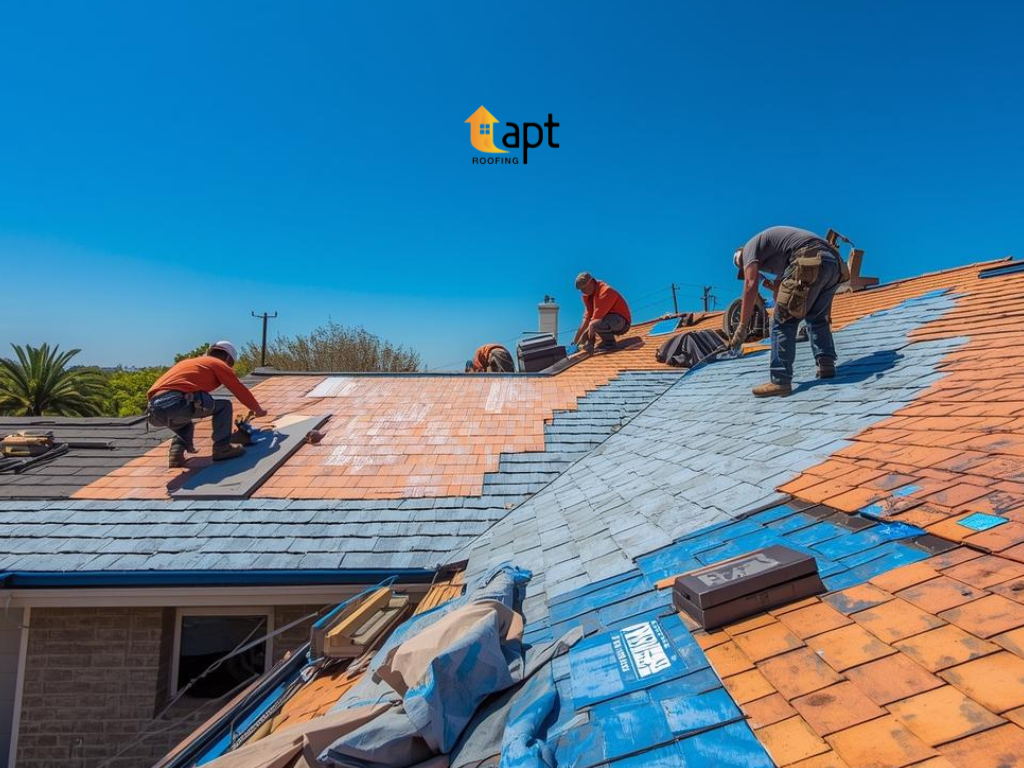
Keep Gutters, Flashing, and Roof Surfaces Maintained
Long-term roof care starts with practical maintenance. Gutters and downpipes should be kept clear so water can drain properly. Roof valleys should be checked for debris. Flashing should be reviewed for lifting, rust, cracks, or movement. Sealants around penetrations should be monitored because they can break down over time.
Roof surfaces should also be checked for cracked tiles, loose sheets, exposed fasteners, corrosion, and damaged ridge capping. These issues may appear small at first, but they can allow water to enter during heavy rain.
A roof is designed to protect the building from weather and shed water away from the structure. If drainage or roof materials stop performing properly, the risk of internal damage can increase.
Schedule Checks After Storms and Before Wet Weather
Sydney homeowners should consider roof checks after major storms, hail, strong wind, or long periods of heavy rain. It may also be useful to arrange inspections before wetter seasons or before major home renovations.
This does not mean every roof needs major work every year. It simply means early inspection can help identify minor issues before they become more serious. A loose flashing, small rust patch, blocked gutter, or cracked tile may be easier to repair before it causes internal water damage.
Good roofing care is about making informed decisions. Whether the home needs maintenance, repairs, roof restoration in Sydney, or roof replacement in sydney, the best starting point is a proper inspection and clear advice from a roofer who understands local conditions.
