

Commercial electrical services are important because almost every business depends on safe and reliable power. Lighting, switchboards, power points, safety switches, data cabling coordination, emergency lighting, equipment connections, and building services all affect how a workplace operates.
For an office, this may mean reliable power for computers, printers, meeting rooms, air conditioning controls, and lighting. For a retail store, it may include display lighting, point-of-sale systems, signage, security systems, and customer areas. For a café, warehouse, school, medical suite, or managed commercial property, the electrical needs may be even more specific.
When electrical systems are planned and maintained properly, the business can operate with fewer interruptions. When they are not, issues such as tripping circuits, poor lighting, unreliable outlets, overloaded boards, or unsafe cable runs can affect staff, customers, equipment, and productivity.
Commercial Sites Need Properly Planned Electrical Work
Commercial sites are different from standard home electrical jobs. They often have more equipment, longer operating hours, higher usage, public access areas, staff safety needs, and stricter site requirements.
In Australia, electrical work involving fixed wiring is regulated and should generally be handled by licensed electricians or electrical contractors. This matters because electrical work can create serious safety risks when it is done incorrectly. Australian and New Zealand electrical installations are also guided by AS/NZS 3000, commonly known as the Wiring Rules.
This is why businesses should choose commercial electricians who understand commercial buildings, worksite coordination, safety procedures, documentation, and the practical needs of business operations.
Common Commercial Electrical Services Businesses Compare
Maintenance, Repairs, and Fault Finding
Many businesses contact commercial electricians when something is not working properly. This may include lights flickering, circuits tripping, outlets failing, switchboards making noise, equipment losing power, or emergency lighting showing faults.
Commercial electrician services may include fault finding, switchboard checks, lighting repairs, outlet replacement, cable repairs, safety switch checks, equipment connection review, and general electrical maintenance. The goal is not only to fix the immediate issue but also to understand what caused it.
For example, a circuit that keeps tripping may be caused by overloaded equipment, damaged wiring, a faulty appliance, poor circuit design, or another issue. Resetting the breaker may not solve the real problem. A proper inspection helps the business decide whether it needs a repair, upgrade, or a broader electrical review.
Fit-Outs, Upgrades, and New Installations
Commercial electrical solutions are also needed when a business moves into a new site, renovates a tenancy, adds workstations, changes its layout, installs new equipment, or upgrades lighting.
A commercial fit-out may include power points, lighting, switchboard work, data cabling coordination, signage power, security system wiring, emergency lighting, appliance circuits, and access control support. These details should be planned early, before walls, ceilings, counters, equipment, and furniture are finalised.
Electrical upgrades may also be needed when the existing system no longer supports the business. This can happen when a business adds more staff, increases trading hours, installs new equipment, changes from office use to hospitality use, or expands into a larger workspace.
Warning Signs Your Business May Need an Electrician
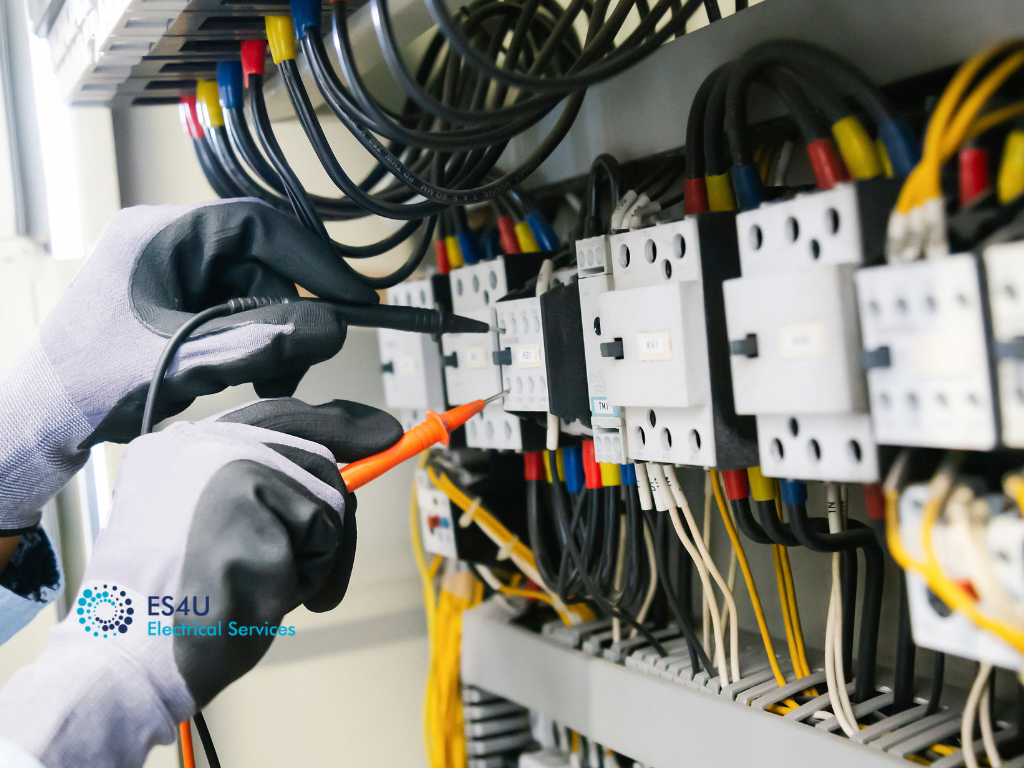
Power and Lighting Issues Should Be Checked Early
Businesses should not ignore electrical warning signs. These may include frequent circuit trips, flickering lights, buzzing switchboards, hot outlets, burning smells, damaged cables, power loss, unreliable equipment, or lights that fail repeatedly.
These issues may point to overloaded circuits, loose connections, ageing electrical components, faulty fittings, damaged wiring, or equipment problems. Some issues may seem small at first, but they can become more disruptive if they are not checked.
If there is a burning smell, visible smoke, sparking, exposed wiring, or signs of electrical heat damage, the business should treat the situation as urgent and follow safe shutdown procedures where appropriate. If there is immediate danger, contact emergency services or the relevant authority.
Workplace Changes Can Create New Electrical Needs
Electrical problems do not only happen because something breaks. They can also happen when a workplace changes.
For example, a business may add more computers, install display fridges, upgrade kitchen equipment, add warehouse machinery, install new lighting, create more workstations, or extend operating hours. These changes can increase electrical demand.
Before adding new equipment or changing the layout, it is wise to check whether the current electrical system can support the new load. This can help reduce the risk of overloaded circuits, unsafe temporary leads, poor outlet placement, and expensive rework later.
Commercial vs Commercial-Industrial Electrical Work
Commercial Sites Often Focus on Business Operation and Customer Areas
Commercial electrical work often supports workplaces where staff, customers, tenants, or visitors use the building every day. This may include offices, retail shops, restaurants, cafés, medical suites, schools, gyms, showrooms, strata buildings, and managed commercial properties.
In these spaces, electrical work may need to consider customer comfort, staff workflow, lighting quality, access, safety, presentation, and business continuity. For example, a retail store may need display lighting that supports products, while an office may need practical lighting and enough outlets for workstations.
Commercial electrical services may also need to be scheduled around business hours to reduce disruption. In some cases, work may need to be staged so the business can continue operating.
Industrial-Style Sites May Need Heavier-Duty Support
Some sites sit between commercial and industrial use. These may include warehouses, workshops, logistics spaces, production areas, storage facilities, trade units, and mixed-use business sites.
In these cases, a commercial and industrial electrician or commercial industrial electrician may be needed. These sites may require stronger power planning, equipment circuits, warehouse lighting, machinery connections, loading area power, switchboard upgrades, or maintenance programs.
The main difference is complexity. A small office may need standard commercial electrical support, while a warehouse with equipment and high power demand may need a contractor with both commercial and industrial experience.
How to Choose the Right Product or Service

Match the Service to the Site’s Needs
Choosing the right commercial electrician service starts with understanding what the business needs. A business with a recurring fault may need fault finding and repairs. A new tenancy may need fit-out electrical planning. An older building may need maintenance and safety checks. A growing business may need extra circuits, switchboard upgrades, or better lighting.
The best option depends on the site, equipment, operating hours, budget, and future plans. A small repair may be enough for a localised issue. However, repeated faults may suggest a larger electrical problem.
Before approving work, ask what the issue is, what the proposed service includes, what materials may be used, how long the work may take, and whether there are any limitations. If the electrician cannot confirm the full scope until inspection, that should be explained clearly.
Compare Electricians by Trust Signals and Documentation
When comparing commercial electricians near me, price should not be the only factor. Businesses should also consider licensing, insurance, commercial experience, safety procedures, written quotes, clear communication, and documentation.
A reliable contractor should explain the work in plain English. They should also provide a clear scope, note any site access requirements, and explain whether the work may affect business operations.
Documentation is also important for commercial properties. Businesses should keep records of electrical work, service reports, test results where relevant, maintenance recommendations, and completed repairs. These records can help with future maintenance, landlord communication, insurance discussions, and site planning.
When to Contact ES4U
Contact an Electrician When the Issue Affects Safety or Operations
A business should contact an electrician when electrical issues are recurring, when power problems affect operations, when lighting is poor, when new equipment is being installed, or when a site is being fitted out.
ES4U may be useful to contact when businesses are comparing commercial electrical services, commercial electrical solutions, commercial electrician services, or support from a commercial and industrial electrician. This may include help with maintenance, fault finding, upgrades, fit-outs, or general electrical planning.
It is often better to ask for advice early rather than wait until a fault becomes urgent. Electrical work can affect business operations, other trades, equipment suppliers, landlords, and staff access, so early planning can help reduce delays.
Prepare Key Business Details Before Requesting a Quote
Before contacting ES4U or another commercial electrician, prepare key site details. These may include the site address, business type, operating hours, current issue, electrical equipment used, switchboard location, photos of visible issues, access requirements, and any previous electrical reports.
For a fit-out, it is helpful to provide floor plans, equipment lists, workstation layouts, lighting preferences, signage needs, data requirements, and future growth plans. For maintenance work, provide details of recurring faults, areas affected, and when the problem happens.
Clear information helps the electrician understand the site faster. It also helps the business receive more practical advice and a clearer quote.
Long-Term Electrical Tips for Business Sites

Keep Records and Maintenance Schedules Updated
Commercial sites should keep electrical records organised. These may include service reports, repair history, equipment changes, switchboard details, testing records where relevant, and recommendations from previous inspections.
Good records make future decisions easier. They can help the business identify recurring problems, plan upgrades, communicate with landlords, and avoid repeating the same repairs.
A maintenance schedule is also useful for businesses with high electrical use. This may include regular checks of lighting, switchboards, outlets, safety systems, emergency lighting, and equipment connections.
Review Electrical Systems as the Business Grows
Electrical systems should be reviewed when the business grows or changes. New equipment, extra staff, longer operating hours, more workstations, upgraded lighting, signage, security systems, or commercial appliances can all increase electrical demand.
A review can help identify whether the existing system can support the change or whether upgrades are needed. This may reduce the risk of overloaded circuits, poor outlet placement, unsafe temporary power use, and unexpected downtime.
The best commercial electrical services are practical, safe, well-planned, and matched to the business site. Whether a company needs maintenance, repairs, fit-out planning, commercial electrical solutions, or support from a commercial industrial electrician, the right starting point is a clear understanding of the site and its future needs.
