

Emergency roof repair Sydney becomes an important consideration when severe weather leaves a home with damaged roofing materials, active leaks or signs of possible structural deterioration. Heavy rainfall, hail, strong winds and falling branches can affect different parts of a roofing system, and the full extent of the damage may not be immediately visible.
For Sydney homeowners, identifying warning signs early can help determine whether immediate emergency assistance or a professional roof inspection is needed.
Some problems are obvious, such as missing tiles or water dripping through the ceiling. Others are more difficult to recognise, particularly when water enters around flashing, roof penetrations or concealed roofing components.
Storm damage should never be assessed by appearance alone. A roof may seem largely intact from the ground while still having defects that affect its ability to keep water out.
Understanding the signs of damage can help homeowners take appropriate precautions, communicate clearly with roofing professionals and avoid unnecessary risks while arranging repairs.
How to Recognise When Emergency Roof Repair Sydney Is Needed
One of the clearest warning signs is active water entering the home during or after a storm.
Water dripping from a ceiling, running down an internal wall or appearing around a light fitting may indicate a roofing or drainage problem requiring urgent attention.
Visible damage outside the property can also be significant.
Missing roof tiles, displaced metal sheets, damaged ridge capping and loose flashing may expose parts of the roof to further weather.
Fallen branches resting on a roof can create additional hazards, even when the extent of the damage cannot be seen.
Homeowners should also pay attention to changes inside the property.
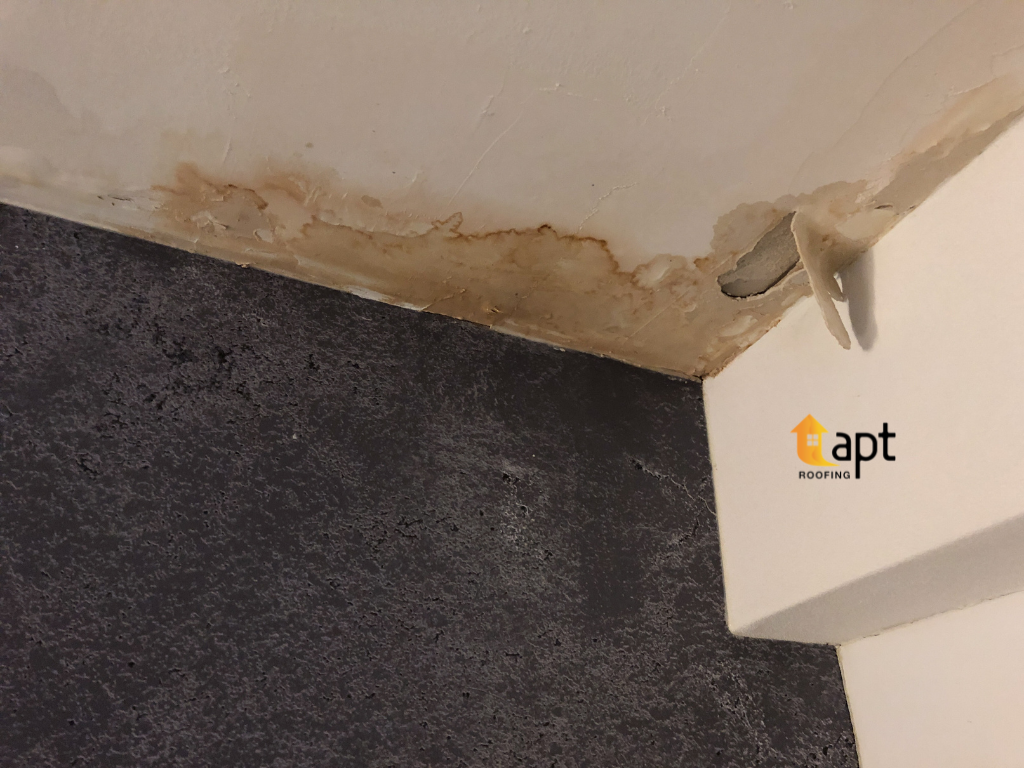
A ceiling that begins to sag, bulge or develop rapidly spreading stains may indicate accumulated water or damaged materials.
These situations should not be treated as routine cosmetic problems.
If roof damage is creating an immediate danger, move away from the affected area and seek appropriate emergency assistance.
In NSW, the State Emergency Service can be contacted on 132 500 for storm-related assistance, including damaged or leaking roofs.
If someone is trapped, seriously injured or facing an immediate life-threatening emergency, call Triple Zero (000).
Why Roof Damage Is Not Always Visible After a Storm
Storms can affect components that are difficult to inspect without appropriate equipment and professional knowledge.
A strong wind event may loosen flashing or fixings without removing an entire roof sheet.
Hail can damage roofing materials in ways that are not easily recognised from ground level.
Heavy rainfall may also expose existing weaknesses around roof junctions, valleys, skylights and other penetrations.
Water does not necessarily enter directly above the place where an internal stain appears.
It may travel along roof framing, insulation or other materials before becoming visible on a ceiling or wall.
This means that a stain in one room does not automatically identify the exact location of the roofing defect.
Similarly, a roof may have experienced damage even when there are no visible signs inside the property immediately after the storm.
For homeowners, the safest approach is to observe what can be seen from inside the building or another secure location.
Do not climb onto a wet or damaged roof to investigate.
When warning signs suggest that the roofing system may have been affected, an appropriate professional inspection can help establish what has happened and whether repairs are needed.
Identifying Roof Leaks and Internal Water Damage
Roof leaks are among the most concerning consequences of severe weather because water may affect areas beyond the visible roof covering.
Homeowners researching emergency roof repair Sydney should understand that the location and appearance of a leak do not always reveal its cause.
An appropriate response depends on whether water is actively entering, whether electrical or structural hazards are present and what a professional assessment identifies.
Warning Signs That a Roof Leak Needs Urgent Attention
Water dripping through the ceiling during heavy rain is an obvious warning sign.
However, other changes can also indicate water entry.
New ceiling stains, damp patches on upper walls, peeling paint and moisture around skylights may suggest that water has reached the building interior.
An old, unchanged stain does not necessarily indicate an active leak, but a stain that grows after rainfall deserves investigation.
Recurring dampness is another reason to seek advice.
A roof may appear to stop leaking once the rain passes, even though the underlying defect remains.
The next storm could expose the same problem again.
Homeowners should also be cautious if several areas begin showing moisture at the same time.
This may indicate multiple points of water entry or a more extensive problem that requires assessment.
The cost of a roof leak repair cannot be determined reliably from the appearance of an indoor stain.
A localised flashing defect and widespread damage to roofing components may produce similar visible symptoms but require different work.
Where water is entering, the immediate priority is to keep people away from hazards and obtain suitable assistance before investigating permanent repair options.
When Emergency Ceiling Leak Repair Becomes a Safety Concern
A leaking ceiling requires particular caution when water is accumulating or entering areas containing electrical installations.
Water around light fittings, switches, ceiling fans or other electrical equipment can create a serious hazard.
Do not touch wet electrical fittings or attempt to investigate wiring.
If water has affected electrical equipment, keep clear and arrange assessment by a licensed electrician when it is safe to do so.
A ceiling that is visibly sagging or bulging may also be unsafe.
Waterlogged ceiling materials can fail, potentially causing sections to fall.
Homeowners should keep people away from the affected area rather than attempting to release trapped water by puncturing the ceiling.
Accessing the roof cavity or attempting emergency ceiling leak repair without understanding the hazards can make the situation more dangerous.
If the building appears structurally unsafe, leave the affected area and follow emergency service advice.
Ceiling repairs should also be considered separately from repairs to the roof itself.
Replacing stained plasterboard or repainting a ceiling does not resolve the problem if rainwater can still enter through damaged roofing.
The underlying cause of the leak needs to be identified and addressed before interior finishes are restored.
Recognising Storm Damage to Tile and Metal Roofs
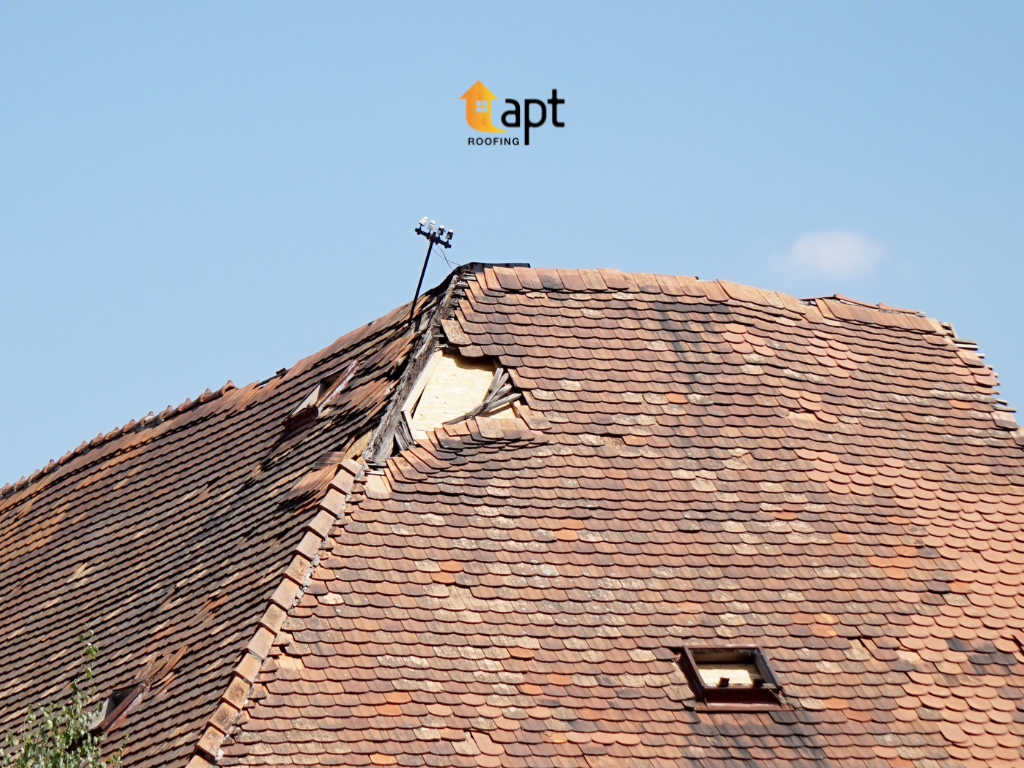
Strong winds, hail and heavy rain can damage residential roofing materials. Recognising visible warning signs can help homeowners determine when urgent professional attention is needed.Sydney homes use different roofing materials, and storm damage can affect each system in different ways.
Tiled roofs may experience cracking, displacement or damage to ridge components, while metal roofs can be affected by wind, hail, loose fixings or damaged flashing.
Understanding these differences helps homeowners describe potential problems when arranging emergency roof repair Sydney assessments.
Common Tile Roof Damage After Sydney Storms
Concrete and terracotta tiled roofs can be affected by falling branches, hail and strong winds.
A damaged tile may crack or break, while severe wind may displace components or expose sections of the roof beneath them.
Visible fragments on the ground after a storm may indicate damage above, although they do not establish the complete condition of the roof.
Ridge capping can also be affected.
Depending on the roofing system, deterioration or displacement involving ridge tiles, bedding or pointing may require attention.
Flashing around chimneys, roof junctions and other penetrations should also be considered when investigating leaks.
For homeowners comparing tile roof repair Sydney services, the important question is whether the damage is localised or affects a wider section of the roofing system.
Replacing a small number of compatible tiles may be suitable in some circumstances.
However, if several components have deteriorated or the roof has experienced repeated water entry, the assessment may identify additional work.
Replacement tiles should be compatible with the existing roof system.
Homeowners should not attempt to walk across a tiled roof, particularly after heavy rain or storm damage.
Tiles may be slippery or fragile, and damaged areas may not safely support foot traffic.
How Metal Roofing Can Be Affected by Wind and Hail
Metal roofing systems may experience damage to sheets, fixings, joints, flashings and associated components during severe weather.
Strong winds can place pressure on roof sheets and connections.
Hail may leave visible marks, although not every mark necessarily indicates that the roof has lost its ability to perform.
The distinction between cosmetic damage and functional damage requires suitable assessment.
Warning signs that deserve attention include visibly lifted sheets, displaced flashing, damaged penetrations and sections that appear loose or deformed.
Existing corrosion or deterioration may also influence the condition of the roof after a storm.
Repairs must account for the roofing profile, coating and compatibility of replacement components.
The metal roof repair cost will depend on the actual damage, required materials, safe access arrangements and extent of the work.
A small repair to an accessible flashing may differ substantially from replacing damaged sheets across a larger area.
It is not accurate to assume that metal roofing is always cheaper or more expensive to repair than tiled roofing.
For Sydney homeowners, the priority is to have the specific defect identified and the proposed repair method clearly explained.
Knowing What to Do Immediately After Roof Damage
The first response to storm damage should focus on safety rather than attempting to repair the roof.
Strong winds, damaged structures, fallen branches and electrical hazards can remain dangerous even after rainfall has eased.
People searching for emergency roof repair Sydney may be dealing with an urgent situation, so it is important to distinguish immediate emergency assistance from roofing work that can be arranged once conditions are safe.
Safe First Steps Before Emergency Roof Repair Sydney Work Begins
If a storm has damaged your property, begin by making sure everyone is away from obvious hazards.
Stay clear of fallen powerlines, damaged trees and roof sections that appear unstable.
Do not approach roofing materials hanging from a building or attempt to remove branches resting on the roof.
If water is entering near electrical fittings, avoid the affected area and seek appropriate professional assistance.
A damaged building may not be safe to enter, particularly where there are signs of structural movement or falling materials.
Follow any directions issued by emergency services.
For storm-related emergency assistance in NSW, contact the NSW SES on 132 500.
The SES can assist with qualifying storm and flood emergencies, including damaged or leaking roofs, and prioritises requests according to urgency.
Call Triple Zero (000) if the situation is immediately life-threatening.
Once it is safe, homeowners can document visible damage using photographs taken from the ground or inside the property.
These records may help when speaking with an insurer or roofing contractor.
Avoid climbing onto the roof to obtain better photographs.
If the property is rented, notify the landlord or managing agent. In a strata property, contact the relevant strata manager where appropriate.
Where insurance may apply, notify the insurer and ask about its requirements before authorising building work.
Taking these steps can help protect occupants and establish a clearer process for arranging the necessary repairs.
Temporary Roof Protection Versus Permanent Storm Repairs
Temporary roof protection is intended to reduce immediate exposure to weather while a more permanent solution is arranged.
Depending on the damage and site conditions, trained personnel may use appropriate temporary coverings or other measures to help protect affected areas.
However, temporary work should only be undertaken when the necessary safety conditions can be met.
A roof that is wet, unstable or exposed to strong winds may not be safe to access.
Homeowners should not attempt to install tarpaulins or secure damaged roofing themselves.
NSW SES assistance generally focuses on temporary emergency protection rather than completing permanent roofing repairs.
Once the immediate hazard has been managed, the underlying damage still requires consideration.
Permanent storm damage roof repair may involve replacing broken tiles, addressing damaged flashing, repairing metal roofing components or completing other work identified during inspection.
A temporary covering does not establish that the roof is permanently repaired.
Likewise, stopping an active drip does not necessarily mean the source of water entry has been resolved.
The permanent repair should address the relevant defect and restore the affected roofing system to an appropriate condition.
Understanding Roof Repair Costs After a Storm
After immediate safety concerns have been addressed, homeowners often want to know how much the repairs will cost.
This is understandable, particularly when storm damage is unexpected and the condition of the roof is uncertain.
However, emergency roof repair Sydney costs cannot be reduced to one standard price because the work required differs between properties.
The most useful starting point is understanding what the quotation needs to cover.
What Influences Roof Leak Repair Cost in Sydney?
The roof leak repair cost depends primarily on the cause and extent of the water entry.
A repair involving one damaged flashing may require a different scope of work from a roof with multiple broken tiles, damaged drainage components or extensive storm deterioration.
The roofing material also affects the repair method.
Tiled and metal roofs have different components, installation requirements and material compatibility considerations.
Labour and access requirements are important as well.
A steep roof or a multi-storey building may require additional arrangements for safe access.
Depending on the property and proposed work, this could involve scaffolding, edge protection or other suitable equipment.
Repair costs may also include the removal of damaged materials, replacement components and associated finishing work.
Some defects may only become apparent during a professional inspection or after authorised work begins.
If additional damage is identified, the contractor should explain how this affects the proposed repair scope and quotation.
Homeowners should ask whether a written quote includes applicable taxes, materials, labour, access equipment and any relevant exclusions.
It is also sensible to clarify how unexpected work will be discussed and approved.
A quotation based on the actual roofing condition is more useful than an unsupported general price estimate.
When Roof Repairs or Refurbishment May Be Considered
Storm damage does not automatically mean that a roof needs complete replacement.
Targeted repairs may be suitable where damage is confined to particular components and the remaining roofing system is serviceable.
For example, replacing compatible damaged tiles or repairing an isolated flashing defect may be appropriate following assessment.
However, more extensive deterioration can change the recommendation.
If several areas have been affected, previous repairs have failed or the roofing materials are no longer suitable, the contractor may need to assess broader options.
Roof refurbishment or restoration differs from repairing one specific defect.
Depending on the type and condition of the roof, restoration may involve a more extensive scope intended to address multiple components.
Homeowners researching roof refurbishing Sydney services should understand that restoration is not automatically suitable for every damaged roof.
A roof with significant structural concerns or roofing materials that cannot reasonably be restored may require a different solution.
Likewise, a roof with isolated storm damage should not be recommended for complete replacement without a sound explanation.
The appropriate decision depends on the actual condition of the roof, the cause of the damage and the work necessary to provide a suitable result.
Arranging Inspections, Insurance and Professional Repairs
Once a property is safe, the next step is to understand the damage and arrange suitable repairs.
For Sydney homeowners, this may involve communication with a roofing contractor, insurer, property manager or strata representative.
Choosing professional services carefully is particularly important after a storm, when time pressure can make decisions more difficult.
What to Check Before Booking Roofing Contractors in Sydney
Before engaging a roofing contractor, establish whether the business is appropriately licensed for the proposed work.
NSW has specific requirements for residential building and trade work, and the relevant licensing category depends on the type of work involved.
Homeowners can review the NSW Government’s guidance on checking contractor qualifications before making a decision.
Relevant experience with tiled or metal roofing is also worth discussing.
Ask how the contractor intends to investigate the damage and whether the proposed work addresses the likely source of the problem.
A roof inspection may consider the covering, flashing, drainage, penetrations and other components affected by the storm.
A written quotation should explain the work proposed, materials to be used and relevant access requirements.
If a contractor recommends extensive restoration or replacement, homeowners can ask why the additional work is necessary.
It is also important to understand the contractor’s inspection arrangements and realistic availability.
Not every roofing company provides immediate attendance during an active storm, and unsafe weather may prevent roof access.
Choosing professional roof repairs Sydney services should involve clear communication, appropriate credentials and a repair recommendation based on the property’s condition.
How Insurance Claims May Affect Storm Damage Roof Repair
Home or strata insurance may provide cover for certain storm-related damage, depending on the policy and circumstances.
However, storm damage is not automatically covered in every situation.
Policy wording, exclusions, the cause of damage and the condition of the roof may affect an insurer’s assessment.
For example, sudden damage associated with a storm may be considered differently from gradual deterioration or unresolved maintenance problems.
Homeowners should contact their insurer promptly and explain what has happened.
Where it is safe, photographs and notes about the damage may support the claim.
It is also useful to retain relevant quotations, receipts and correspondence.
The Insurance Council of Australia advises property owners to speak with their insurer before authorising building work, including emergency repairs, and to seek written approval where required.
Unauthorised work may affect coverage under some policies.
This advice should not prevent anyone from seeking immediate help when personal safety is at risk.
Emergency services remain the appropriate first contact for immediate danger.
An insurance claim may involve assessments by the insurer, its appointed representatives or other relevant professionals.
A roofing contractor can provide information about the roof’s condition and proposed work, but cannot guarantee that an insurer will approve a claim.
Understanding the claim process and obtaining clear documentation can help homeowners make more informed decisions about permanent repairs.
Planning Repairs and Protecting Your Roof After a Storm
Once the immediate damage has been assessed and the necessary work arranged, homeowners can also consider how to maintain the roof in the future.
Storms cannot always be prevented from damaging a property, but maintaining roofing and drainage components can help identify concerns before another severe weather event.
For homeowners seeking emergency roof repair Sydney services, this also provides an opportunity to better understand the condition of their existing roof.
How Regular Roof Maintenance May Reduce Future Problems
Regular professional roof maintenance can help identify damaged or deteriorating components that may otherwise go unnoticed.
This may include reviewing the condition of roof coverings, flashings, gutters, downpipes and other relevant parts of the roofing system.
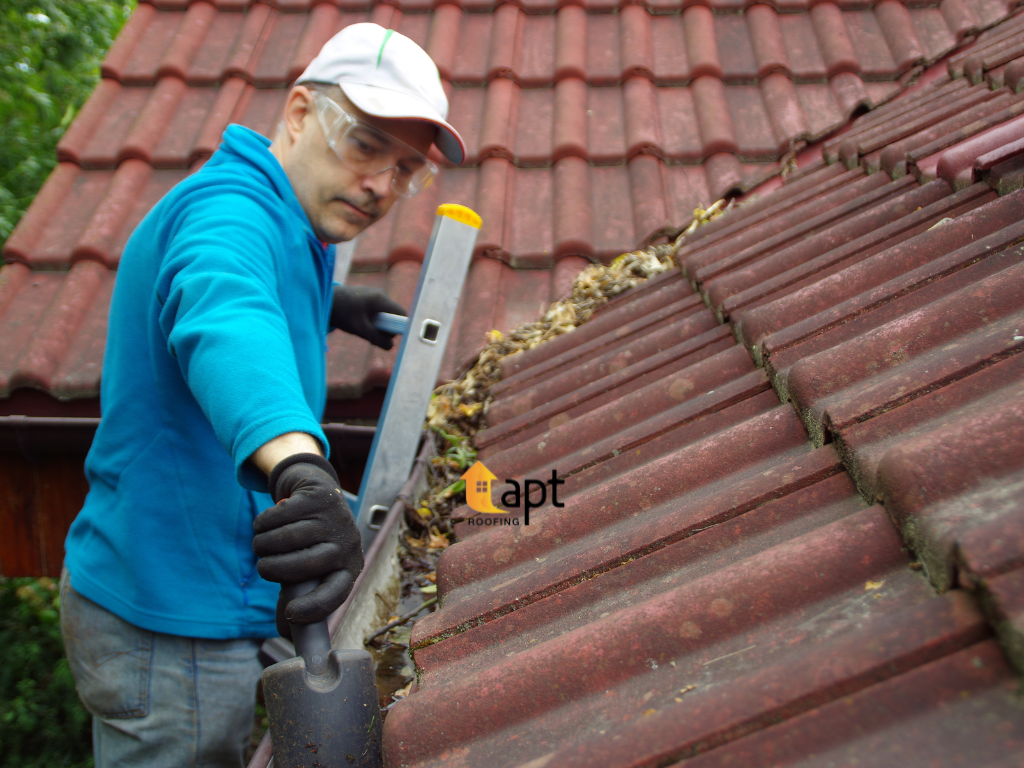
Drainage is particularly important because blocked or damaged components can interfere with the intended movement of rainwater away from a building.
Properties surrounded by trees may require attention to leaves and debris accumulating in gutters.
Coastal properties may have additional material considerations because exposure to salt-laden air can affect certain roofing components.
However, these conditions do not affect every Sydney property in the same way.
Maintenance requirements depend on the roofing material, roof design, surrounding environment and property condition.
After significant wind, hail or heavy rainfall, it may be appropriate to arrange a professional assessment if there are signs of damage.
Homeowners should also keep records of previous repairs and maintenance where possible.
These records can provide useful context when a contractor investigates future roofing concerns.
Maintenance cannot guarantee that a roof will withstand every storm.
Its purpose is to help identify and address relevant defects, support drainage performance and inform future repair decisions.
Discussing Emergency Roof Repair Sydney With APT Roofing
For Sydney homeowners considering professional roofing services after severe weather, APT Roofing provides roof repairs, restorations, re-roofing and related roofing services.
The company operates from Sydney’s Eastern Suburbs and works across residential, strata, real estate and insurance-related roofing projects.
APT Roofing’s published information includes services involving tiled and metal roofing, guttering and downpipes.
These services are relevant to homeowners dealing with roof leaks, damaged roof coverings and other concerns identified after storms.
When making an enquiry, explain what happened during the storm and which problems have appeared since.
Details about water entering the property, visible roofing damage, previous leaks and known repairs may assist the initial discussion.
Homeowners can also ask about inspection availability, the proposed assessment process and how quotations are prepared.
The actual repair recommendation should depend on the roof’s condition and the work required.
For a localised defect, targeted repair may be suitable. More extensive damage may require a broader assessment of restoration or replacement options.
If the damage creates an immediate emergency, contact the appropriate emergency service first rather than waiting for a routine contractor appointment.
For permanent repairs, homeowners can visit APT Roofing to review its roofing services and discuss suitable assessment arrangements.
Storm damage can be stressful, especially when water enters the home or roofing materials become unstable.
Recognising warning signs, avoiding unsafe roof access and arranging an appropriate professional assessment can help homeowners respond more confidently.
Emergency roof repair Sydney is ultimately about more than restoring damaged materials. It is about understanding the cause, prioritising safety and selecting repair work appropriate to the property’s actual condition.
