

A tradesman trailer should do more than carry tools between jobs.
It should help you load equipment, find what you need and pack up without wasting time. It should also protect valuable tools and remain suitable for the towing vehicle.
Custom tradesman trailers allow businesses to plan storage around their own work. A builder, electrician and landscaper may all need different layouts.
One trade may need ladder racks and long-material storage. Another may need drawers, shelves and secure spaces for testing equipment.
The right design begins with your working routine. It should not begin with a long list of accessories.
This guide explains how to plan a practical trailer before requesting a quote.
Begin with the tools and equipment you use.
Do not choose the trailer size from appearance alone. A large trailer may still have the wrong doors, shelf depths or load capacity.
A clear list of equipment gives the builder a better starting point.
List the Tools, Machines and Materials You Carry
Write down the main items that travel with you.
Include power tools, hand tools, ladders, machines and consumables. Also include safety equipment and spare parts.
Record the size and weight of larger items.
A compressor may take up little floor space but add significant weight. Ladders and long materials create a different problem because they need enough length and support.
Think about the value of each item as well.
High-value tools may need secure internal storage. Frequently used items should remain easy to reach.
Do not forget smaller supplies. Fasteners, fittings, electrical parts and protective equipment can quickly fill drawers and shelves.
Your list should also include equipment you may add later. This can help prevent the new trailer from becoming too small within a short time.
Map a Normal Working Day
Think about how you use your tools from morning to afternoon.
Start with loading at your workshop or home. Then consider travel, site arrival and the order in which you remove equipment.
A tool used at every job should not sit behind a large machine. Placing it near a side door may provide faster access.
The same principle applies when packing up.
Wet, dirty or fuel-powered equipment may need a separate area. Clean tools and paperwork may need better protection.
Consider where you normally park.
Some job sites provide plenty of space. Others have narrow streets, limited turning room or restricted access.
Tailored trailers should make the working day easier. The layout should support real tasks rather than simply look impressive when empty.
Choose the Right Trailer Type and Size
The trailer body affects access, security and weather protection.
Custom enclosed trailers may suit businesses that carry valuable tools. A custom flat top trailer may provide more flexible loading for large or unusual items.
Neither option is right for every trade.
Compare Enclosed, Flat Top and Open Designs
An enclosed trailer protects tools from rain, dust and public view.
It can include shelves, drawers and several access doors. The enclosed body may also provide space for business signage.
However, walls, doors and storage systems add weight.
An open or flat top design may suit machinery, pallets or bulky materials. Workers can often load these trailers from several sides.
The load may need more weather protection and restraint. Tools can also remain more visible when the trailer is parked.
Some businesses combine both ideas.
A trailer may include enclosed front storage and an open rear deck. This can separate valuable tools from machines or building materials.
Ask which layout will support most of your jobs. Avoid designing the trailer around one rare task if that choice makes everyday work harder.
Measure the Load and Available Storage Space
Measure your largest equipment.
Record its width, height and length. Include handles, guards and attachments.
Then allow enough clearance for loading.
A machine that fits tightly may become difficult to secure. It may also damage walls, doors or nearby tools.
Internal and external measurements are not the same.
Framing, walls and shelves reduce the available space inside custom made trailers. Ask the builder to show usable dimensions.
Measure your parking area too.
Include the drawbar, spare wheel and open doors. Check the height of garages, awnings and gates.
A longer trailer provides more storage. However, it may require more turning space and a larger towing area.
Plan Storage Around Everyday Access
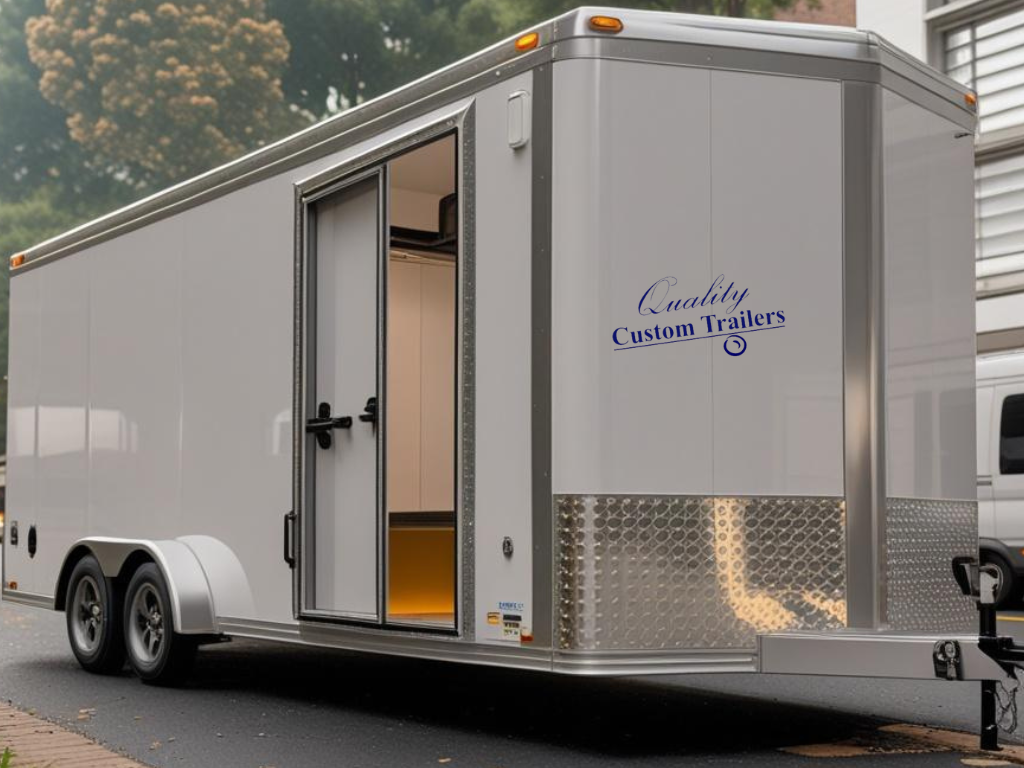
A practical trailer should reduce unnecessary lifting and searching.
Tools should have clear locations. Larger items should remain stable during travel.
Good storage also makes it easier to notice when something is missing.
Place Frequently Used Tools Within Easy Reach
Put everyday tools near the main access point.
Side doors can provide direct access to shelves and drawers. This allows workers to reach small tools without opening the full rear area.
Drawer depth should match the stored items.
Very deep drawers may become heavy or difficult to organise. Shallow drawers can work better for fasteners and hand tools.
Shelves should also suit the containers used by the business.
Measure tool cases and storage bins before finalising the spacing. Adjustable shelves may provide more flexibility as equipment changes.
Lighting can improve access in enclosed spaces.
Quality Custom Trailers lists shelves, LED lighting, locks and several door options for its tradesman and enclosed trailer range. Buyers should confirm which features suit the proposed design.
Create Safe Spaces for Larger Equipment
Large equipment needs more than an empty floor area.
Plan how each item enters the trailer. Then decide how it will remain secure during travel.
Tie-down points should sit in useful positions.
The restraint system should match the equipment weight and shape. Do not assume that one tie-down location will work for every machine.
Compressors and generators may need dedicated areas. Ventilation may also matter when equipment produces fumes or heat during use.
Ladders need suitable support.
A ladder rack may keep long equipment outside the main storage area. Internal channels may provide better security but use valuable space.
Heavy items should sit low where practical. The layout should also support balanced weight distribution across the trailer.
Check Payload, Towing and Running Gear
Every shelf, door and toolbox adds weight.
The completed trailer must remain suitable for its approved capacity and towing vehicle.
Weight planning should happen before production, not after the trailer has been loaded.
Match the Complete Trailer Weight to the Tow Vehicle
Understand the main weight terms.
Tare mass is the trailer’s empty weight. Payload is the amount of load it can carry.
Aggregate Trailer Mass is the maximum permitted total mass when loaded. This includes tools, materials and accessories.
Check the towing capacity of the vehicle.
The trailer must also remain within the towbar and coupling ratings. Gross Combination Mass may limit the combined weight of the loaded vehicle and trailer.
Do not estimate payload from trailer size.
Shelves, ramps, batteries, water tanks and spare wheels reduce the remaining capacity. Ask the builder for an estimated tare mass and planned ATM.
You should also allow for changing loads.
Tools and materials carried on one job may differ from the next. The trailer should have enough legal capacity for the heaviest normal working day.
Select Axles, Brakes and Suspension for the Task
Axle choice depends on trailer weight, size and use.
A single-axle trailer may suit lighter equipment and compact layouts. It can also be easier to move in limited spaces.
Tandem axles may suit larger loads and longer trailers. However, they add weight and maintenance requirements.
Braking requirements depend on the trailer’s approved mass and current vehicle standards.
Discuss the expected road conditions with the builder.
A trailer used mainly on sealed Sydney roads may need a different setup from one that regularly travels on rough work sites.
Tyres must have suitable load ratings.
The axle, springs, wheels and tyres should work as one system. Avoid choosing running gear only because it looks heavy-duty.
Review Security, Safety and Compliance
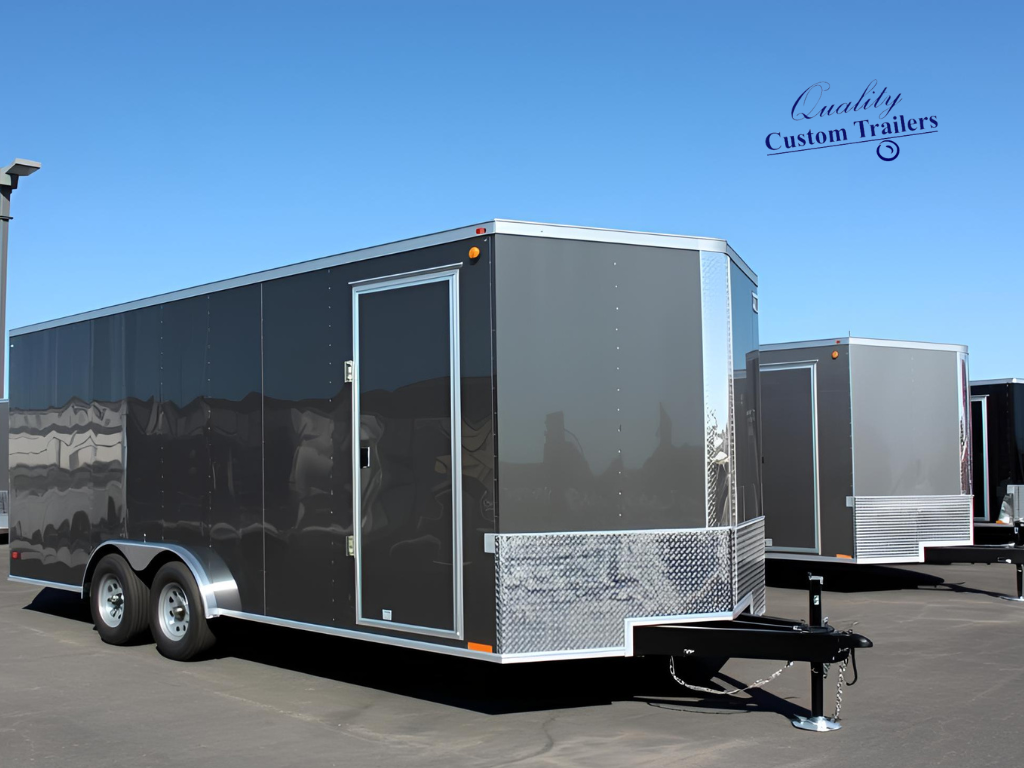
Tradespeople may carry equipment worth a significant amount.
A secure trailer can reduce easy access to those tools. However, no lock can remove every risk.
The trailer must also meet current road and registration requirements.
Protect Tools Without Making Access Difficult
Review the complete door structure.
A strong lock provides limited protection if the door frame or hinge area is weak. Ask how the builder reinforces access points.
Consider where the trailer will stay overnight.
Parking it in a locked area may provide more protection than relying only on trailer locks. Wheel clamps and coupling locks may also support security.
Internal barriers can separate valuable tools from the main loading area.
This can help when workers need to open one section on a public site.
Avoid creating a layout with too many keys or awkward locks. Staff may leave a door unsecured when access becomes frustrating.
The design should balance security with practical daily use.
Confirm Identification and Registration Requirements
Custom trailers used on NSW roads must meet the applicable vehicle standards.
Trailers manufactured from 1 July 2023 must comply with VSB1 Revision 6. Low-ATM trailers also require the applicable approval and Register of Approved Vehicles entry before supply to the Australian market.
The trailer should carry a compliant vehicle plate.
Its VIN must appear on the plate and in the RAV before registration in NSW.
NSW registration may also require an inspection report.
A Heavy Vehicle Authorised Inspection Scheme report applies when a trailer has an ATM above two tonnes. Other trailers may require a blue slip. A weighbridge ticket or compliance certificate may apply in some cases.
Ask the builder which documents will come with the finished trailer.
Know When to Contact a Trailer Builder
You do not need a finished technical drawing before making contact.
Early advice can help you avoid an unsuitable size or layout. It can also reveal weight and towing issues before the quote is final.
Ask for Advice Before Fixing the Layout
Contact a builder when you carry unusual equipment.
Early advice also helps when the load changes from one job to another. The builder can discuss flexible storage or removable features.
Speak with a specialist when the trailer needs several doors.
Door placement can affect framing, shelf space and weight. The same applies to large ramps and lifting doors.
Custom truck trailers fall into a different vehicle class from most light tradesman trailers. Discuss the required vehicle category and applicable standards before planning that type of build.
Quality Custom Trailers manufactures tradesman, enclosed and other trailer types from its Minto workshop. Its published options include custom layouts, colour choices, doors, shelves, ramps and repairs.
Prepare Complete Information for a Quote
Explain your trade and normal work.
Provide a list of large tools, machinery and materials. Include dimensions and weights where possible.
Share the towing vehicle details.
The builder may need the make, model, towing limit and towbar rating.
Describe the access points you prefer.
These may include side doors, rear doors, ramps or removable panels. Add any needs for shelves, drawers, ladder racks and toolboxes.
State where you will store the trailer.
Photos, sketches and equipment lists can support the discussion. Quality Custom Trailers also provides an enquiry option for customers who need to share project files.
Compare Builders and Approve the Design
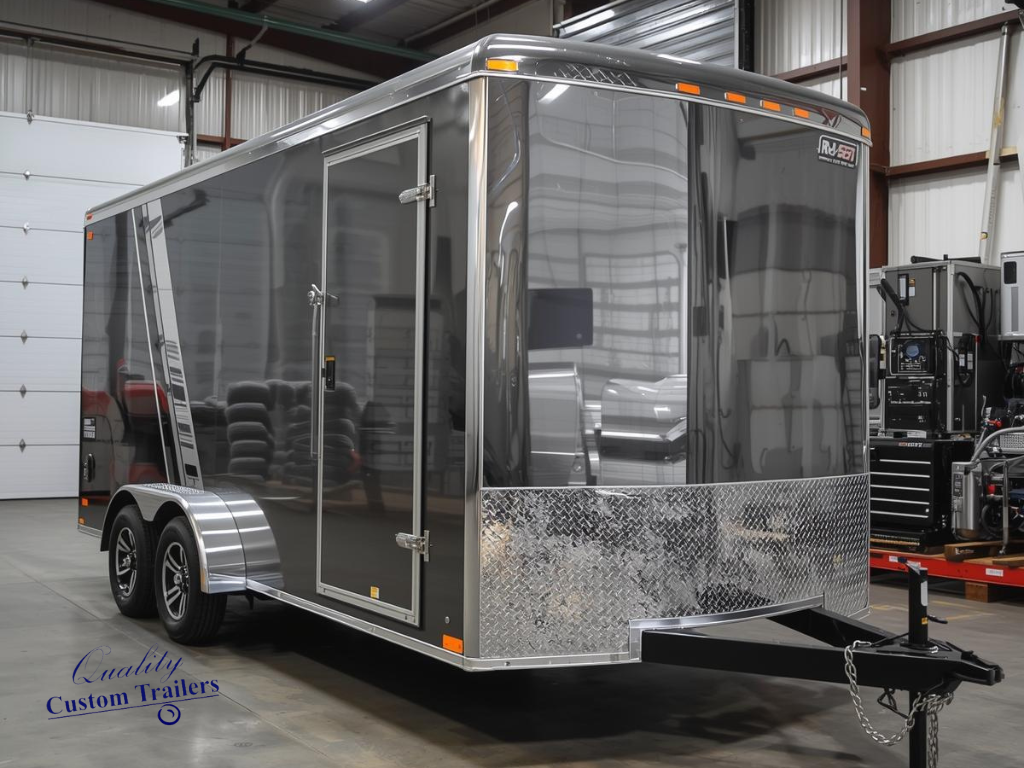
The lowest price may not include the same materials or features.
Compare each quotation against one clear specification.
The final design should show what the business will receive.
Assess More Than the Quoted Price
Ask for a written quote.
It should state the dimensions, axle setup, brakes, suspension, floor and body construction.
The quotation should also list doors, shelves, ramps and other accessories.
Check whether it includes compliance documents and registration preparation.
Ask about repairs and after-sales support.
Quality Custom Trailers advertises custom and stock tradesman trailers, colour choices and repair services. The business operates from Minto in south-western Sydney. Confirm current availability, specifications and completion times during the enquiry.
People searching for custom built trailers near me should still compare the written build details. Distance alone does not show whether a builder suits the project.
Check the Final Drawing Before Production
Review all measurements before approving the build.
Check the trailer’s external size and usable internal space.
Confirm the proposed tare mass, payload and ATM. Make sure the tow vehicle remains suitable.
Look at every door and ramp.
Check that shelves do not block large tools. Ensure frequently used items remain easy to reach.
Confirm the location of tie-down points, locks and the spare wheel.
The approved document should also show the colour and finish.
Record every agreed change in writing. Do not rely only on a phone conversation.
Businesses planning custom tradesman trailers can contact Quality Custom Trailers with their equipment list, towing details and preferred layout. A complete enquiry gives the builder a stronger basis for discussing a suitable design.
Internal linking opportunities include pages about tradesman trailers, enclosed trailers, flat top trailers, box trailers, repairs and quote requests.
