

A commercial electrical project can include many moving parts. It may involve power planning, lighting design, switchboard work, data cabling, emergency lighting, security wiring, equipment connections, testing, and final handover documents.
The exact scope depends on the site. A small office upgrade may only need extra power points, better lighting, and data cabling. A retail fitout may need display lighting, point-of-sale power, security systems, signage power, and after-hours access planning. A warehouse, workshop, or mixed-use site may need heavier electrical capacity, machinery connections, loading area lighting, and safer cable management.
This is why the first step should be a proper review of the site and the business needs. A good contractor should ask how the space will be used, what equipment will run each day, where staff and customers move, and whether future changes are likely.
A clear scope helps everyone understand what needs to happen before work starts.
Why a clear scope helps avoid delays
Many delays happen because the project scope is unclear. For example, a quote may include basic power and lighting, but not emergency lighting, data cabling, testing, or switchboard upgrades. This can lead to extra costs and confusion later.
A clear scope should explain:
- What areas of the building are included
- What systems will be installed or upgraded
- What materials and fittings are allowed for
- Whether testing and documentation are included
- What work may need approval from the landlord, builder, or site manager
- Whether any shutdowns or after-hours work are required
For business owners and project managers, this makes it easier to compare quotes. It also helps avoid paying for work twice because something was missed early. Before approving a commercial electrical project, ask for the scope in writing. It should be specific enough that you can understand what is included without needing to guess.
Planning Power, Lighting, and Site Requirements
Matching the electrical layout to daily operations
The best electrical layout is one that supports how the business actually works. It should not only meet basic requirements. It should make the space safer, easier to use, and better prepared for daily operations.
For example, an office may need power and data placed around desks, meeting rooms, reception areas, printers, and kitchen zones. A shop may need lighting that supports customer flow, product displays, point-of-sale areas, storage rooms, and security systems. A workshop may need dedicated circuits for equipment, safe cable routes, and power where staff can reach it without relying on extension leads.
Lighting also needs careful planning. Brightness, placement, glare, emergency lighting, task lighting, and energy use can all affect the final result. In commercial spaces, poor lighting can make work harder and may create safety concerns.
The electrical plan should also consider access. Switchboards, outlets, data points, and key equipment should be placed where they can be used and maintained safely.
Thinking ahead for future upgrades
A commercial site may change over time. New staff, extra equipment, changed layouts, EV chargers, upgraded security systems, or new technology can all increase electrical demand.
Planning ahead does not mean overbuilding everything. It means making smart decisions now so future upgrades are easier where possible.
This may include allowing space in the switchboard, planning cable routes, placing extra data points, considering energy-efficient lighting, or discussing whether the site may need more power later.
If your building may need EV charging, heavier equipment, or major technology upgrades in the future, raise this early. Some changes are easier and cheaper to allow for during the fitout stage than after walls, ceilings, and work zones are finished.
Any claim about available electrical capacity should be confirmed through a qualified site assessment.
Compliance, Safety, and Documentation

What businesses should check before work begins
Commercial electrical work should be completed by appropriately licensed electricians. Before the project starts, ask the contractor to confirm licence details, insurance, site safety processes, and the type of commercial work they are experienced in. These details should be checked directly before work begins. [VERIFY]
Depending on the site, there may also be requirements from the landlord, building manager, builder, insurer, or local authority. Some buildings may have rules around working hours, switchboard access, ceiling access, fire systems, penetrations, and final documentation.
If the project involves a leased space, ask for the building requirements early. This can help avoid delays once the job is underway.
Safety should also be planned before the work starts. The contractor should consider staff access, customer areas, temporary hazards, electrical isolation, working at heights, and coordination with other trades.
For larger sites, this planning becomes even more important because multiple teams may be working in the same area at the same time.
Why testing and handover records matter
Testing and handover records are not just paperwork. They help confirm that the work has been checked and that the business has useful information for future maintenance.
Depending on the project, records may include compliance certificates, testing results, switchboard schedules, emergency lighting information, equipment connection details, and maintenance recommendations.
The exact documentation required may vary based on location, project type, and the work completed. This should be confirmed with the contractor before the project starts.
A proper handover should also be easy to understand. The contractor should explain any major changes, show key switchboard updates, point out important safety information, and provide guidance on future servicing.
This is helpful for business owners, facility managers, and site supervisors who may need to manage the building after the work is done.
Choosing the Right Electrical Service for Your Site
Fitout, upgrade, repair, or maintenance?
Not every site needs the same service. The right choice depends on the condition of the building, the type of business, the equipment used, and the goal of the work.
A full fitout may be suitable when you are moving into a new tenancy, setting up a shop, preparing an office, or converting a space for a new business use.
An upgrade may be enough if the existing system works but needs better lighting, extra circuits, switchboard improvements, data cabling, or safety updates.
Repairs may be needed when there are faults, damaged outlets, tripping circuits, flickering lights, failed lighting, or equipment power issues.
Commercial electrical maintenance may be best when the site is already operating and needs regular checks, planned servicing, fault prevention, and support for future upgrades.
Choosing the right service matters because a quick repair may not solve a bigger capacity issue. At the same time, a full upgrade may not be needed if the problem is small and isolated.
When to choose a commercial industrial electrician
Some sites need more than standard commercial electrical work. A warehouse, workshop, production area, loading facility, manufacturing space, or mixed-use building may need a contractor with commercial and industrial experience.
A commercial industrial electrician can help when the project includes heavier equipment, machinery, three-phase power, larger switchboards, plant rooms, warehouse lighting, loading dock power, or shutdown planning.
This is where it can be useful to speak with ES4U, especially if you need help understanding whether your site needs a fitout, upgrade, repair, or ongoing maintenance plan. The goal should be to choose a service that fits the building, the equipment, and the way the business operates.
Some people may search for electrical for u when looking for this type of support. What matters most is choosing a provider that can explain the options clearly, assess the site properly, and give a written scope before work begins.
Managing Downtime and Shutdown Maintenance
When shutdown work may be needed
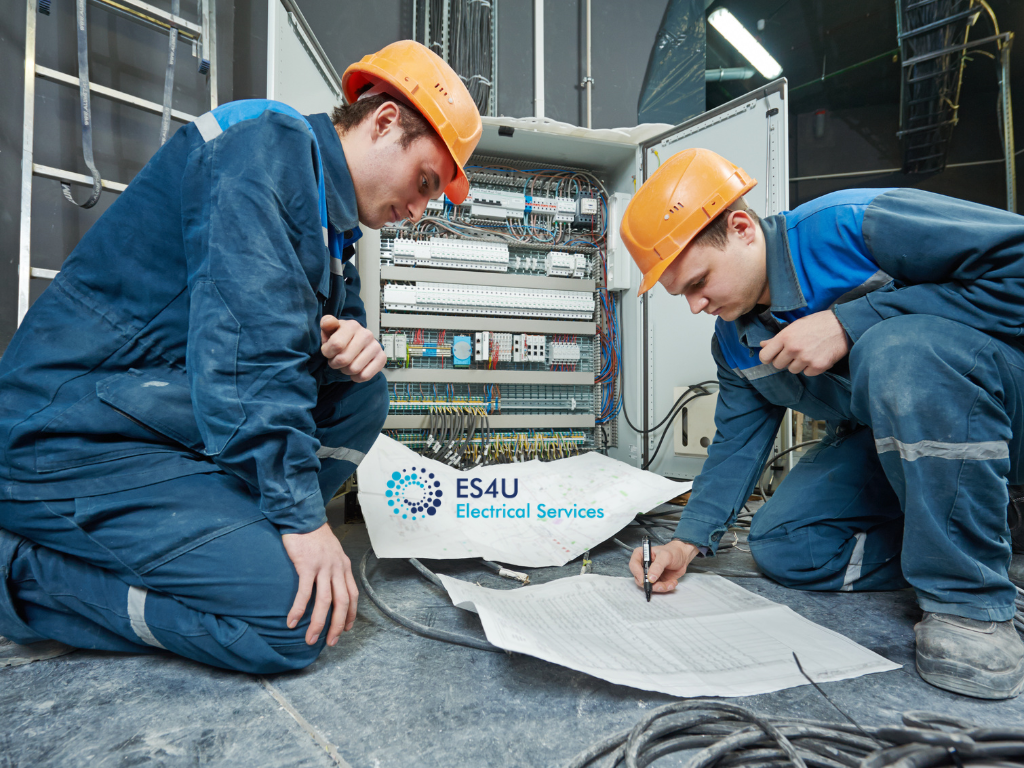
Some electrical work can be done with limited disruption. Other work may require a planned shutdown, especially if the project involves switchboards, main power supply, major equipment connections, safety upgrades, or testing that cannot be completed while systems are live.
Shutdowns are common in commercial and industrial environments because the work needs to be done safely. However, they should be planned carefully so the business knows what to expect.
A shutdown may affect lighting, production equipment, computers, refrigeration, security systems, access control, or point-of-sale systems. This is why clear communication is important before any work starts.
For businesses, the key question is not just “How long will the work take?” It is also “Which parts of the site will be affected, and how can we prepare?”
How shutdown maintenance sydney services can reduce disruption
For Sydney businesses, shutdown maintenance sydney services can be useful when electrical work needs to happen outside standard operating hours or during planned low-traffic periods.
A good shutdown plan may include staged work, after-hours scheduling, temporary power, clear isolation procedures, equipment checks, and a return-to-service plan. This helps reduce disruption and gives staff a clearer idea of what will happen.
Before shutdown work begins, ask for a plan that explains:
- The expected shutdown time
- Which systems will be affected
- What needs to be turned off beforehand
- Whether temporary power is needed
- Who will be on site
- What checks will be completed before power is restored
- Who will confirm the work is finished
This is especially important for restaurants, warehouses, medical rooms, offices, retail stores, and industrial sites where downtime can affect customers, stock, staff, or production.
Comparing Electrical Contractors Before You Commit
Questions to ask before accepting a quote
Choosing an electrical contractor should be based on more than price. The right contractor should understand your site, communicate clearly, and provide a scope that matches your needs.
Before accepting a quote, ask:
- Are you licensed and insured for this type of work? [VERIFY]
- Have you completed similar commercial projects?
- What is included in the quote?
- What is excluded?
- Will testing and documentation be provided?
- Can the work be staged to reduce downtime?
- Do you offer commercial electrical maintenance after completion?
- Who will manage communication during the project?
- What happens if hidden issues are found?
These questions help you compare commercial electrical services australia providers more fairly. They also reduce the risk of choosing a quote that looks cheaper but leaves out important work.
A strong quote should be clear, practical, and easy to understand.
Why the cheapest quote may not be the best option
It is normal to compare prices. A commercial electrical project can be a major business cost, so value matters.
However, the cheapest quote may not always be the best choice. A low price may leave out testing, documentation, safety planning, quality materials, access equipment, after-hours work, or future maintenance support.
This does not mean the most expensive quote is always better. The goal is to choose the quote that gives the clearest scope and best fit for the job.
Look for details such as:
- Clear work stages
- Specific inclusions and exclusions
- Product or fitting details where relevant
- Safety planning
- Timeline expectations
- Handover documentation
- Warranty information where applicable
- Maintenance options
Good communication is also a trust signal. If a contractor explains the work in plain English before the job starts, it is usually easier to manage the project once work begins.
When to Contact a Commercial Electrical Company

Warning signs your site needs professional attention
You should contact a commercial electrical company if your site has frequent circuit trips, flickering lights, warm switchboard areas, damaged outlets, burning smells, poor lighting, overloaded power boards, or equipment that does not run reliably.
You should also seek advice before moving into a new site, changing the layout, adding equipment, upgrading lighting, installing new systems, or planning a tenancy fitout.
Electrical issues should not be ignored in a business setting. Even small faults can affect staff safety, customer experience, equipment performance, and daily operations.
If the site feels unsafe, do not attempt electrical repairs yourself. Arrange an inspection with a qualified electrician.
What to prepare before requesting commercial electrical services australia
Before contacting a provider, gather a few basic details. This helps the electrician understand your needs faster and gives you a more useful response.
Try to prepare:
- Site address and building type
- Current electrical concerns
- Photos of visible issues, if safe to take
- Floor plans or fitout drawings
- Equipment list
- Operating hours
- Access restrictions
- Preferred timing
- Landlord or building manager requirements
- Any known shutdown limits
If you are comparing providers for commercial electrical services australia, ask for a site review and a written scope. This helps you make a decision based on the real condition of the building and the actual needs of the business.
The next step is simple. Book an inspection, explain your goals clearly, and request practical advice on the best path forward. This may be a fitout, upgrade, repair, maintenance plan, or staged project depending on your site.
