

Choosing between sustainable veneer and solid timber is not simply a question of which material looks better. Both can bring the warmth, grain and natural character of wood into an interior, but they use timber differently.
That difference matters for cabinetry, furniture, wall panels, reception counters, retail interiors and commercial fit-outs.
Real timber veneer is made from thin slices of timber applied to a substrate such as MDF, particleboard or plywood. In Australia and New Zealand, decorative veneer is commonly around 0.5 to 0.85 mm thick.
Solid timber, by comparison, uses timber through the full thickness of the component.
Neither choice should automatically be described as the more sustainable answer for every project. A useful comparison needs to consider how much timber is used, where it came from, how the product is constructed, how long it should remain in service and whether credible sourcing information is available.
Look beyond the word “sustainable”
The word sustainable is useful only when you know what supports the claim.
For timber products, responsible sourcing is one part of the picture. Material efficiency, substrates, manufacturing, finishes, durability and expected service life can also affect the decision.
This means sustainable veneer should not be treated as a single standardised product category.
One veneer may have certified sourcing and a carefully selected substrate. Another may come with little supporting information. The same difference can exist between two solid timber products.
A better question is therefore not simply, “Is veneer sustainable?”
Ask where the timber came from, how much timber the product uses, what sits beneath the decorative face and what documentation supports the environmental claim.
Certification can help with the sourcing question. FSC Chain of Custody, for example, is designed to verify certified forest-based material as it moves through processing and distribution.
This gives specifiers something more useful to assess than broad environmental marketing.
Understand how veneer and solid timber are constructed
Veneer is real timber.
The Timber Veneer Association of Australia describes decorative veneer as thin slices of timber applied to wooden board, particleboard or fibreboard.
This allows a relatively small volume of decorative timber to create a much larger visible timber surface.
The substrate then becomes an important part of the finished panel.
Particleboard, MDF and plywood are all commonly used for veneered products. Each has different characteristics, so the substrate should be selected around the intended application rather than treated as an invisible detail.
Solid timber has a different construction because the visible material continues through the component.
That may be important when the design requires exposed thick edges, carved details or other features where the material itself forms the full section.
Understanding this basic construction difference makes the rest of the comparison much easier.
Compare How Efficiently Each Option Uses Timber
Material efficiency is one of the clearest reasons veneer is considered for sustainable interiors.
Because the decorative layer is thin, one log can provide a much larger finished surface than if the same timber were sawn into thick solid sections.
The Timber Veneer Association of Australia states that veneer can provide about 40 times the surface coverage of 25 mm timber. It also estimates that one cubic metre of log can produce around 1,000 square metres of veneer.
That efficiency can be particularly useful when a designer wants a natural timber appearance across large surfaces.
Think about a long reception counter, full-height wall panelling or a large bank of cabinetry. Producing those visible surfaces in veneer can use much less of the decorative species than producing comparable surfaces from thick solid boards.
However, that does not mean the veneer face is the entire product.
The substrate still matters.
Consider the complete veneered panel, not just the face
A fair sustainability comparison should consider the complete panel construction.
Veneer is commonly pressed onto MDF, particleboard or plywood. The correct substrate depends on the intended use and requirements of the project.
For example, MDF may be useful where smooth machining or moulded edges are required. Plywood has a layered construction and may suit applications with different fixing or structural requirements. Particleboard is another widely used substrate for decorative veneered panels.
Therefore, do not compare a thin piece of veneer with a complete piece of solid timber and stop there.
Ask what the full veneered panel contains.
This becomes especially important when a project has requirements around certified sourcing, moisture resistance, fire performance or another technical specification.
The face veneer may satisfy the appearance requirement, while the substrate determines other aspects of panel performance.
Check Where the Timber Comes From
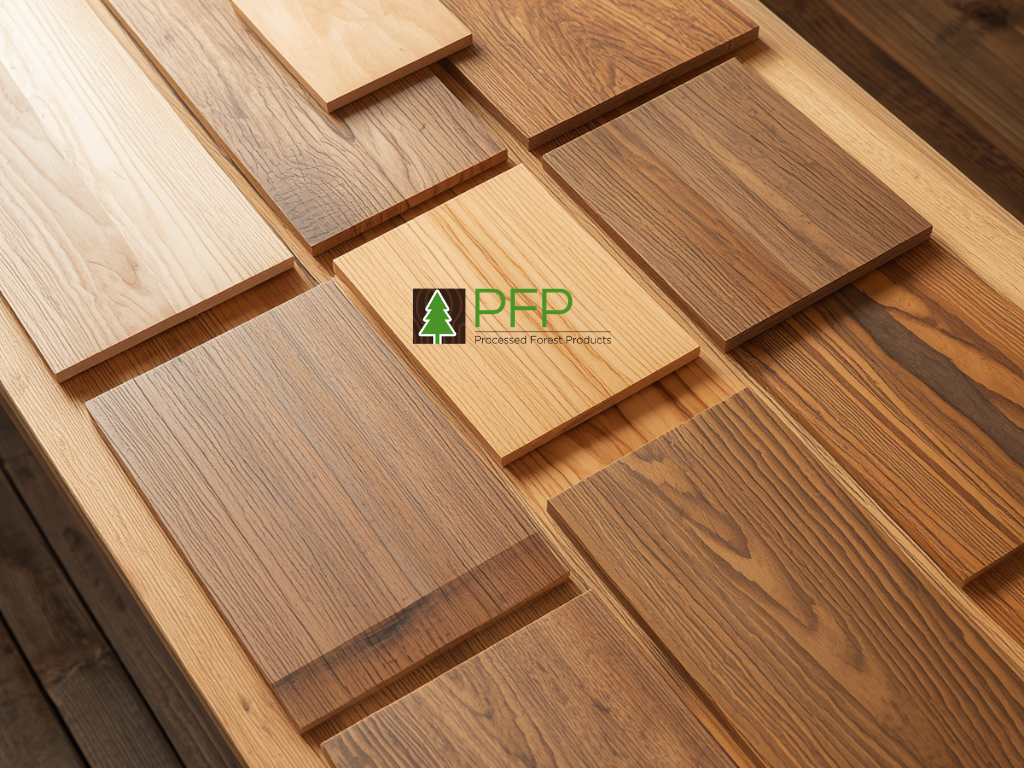
Understand what fsc certified veneer tells you
Responsible sourcing is relevant whether you choose veneer or solid timber.
If a project specifies fsc certified veneer, ask the supplier to confirm that the actual product being supplied can carry the required FSC claim.
FSC Chain of Custody certification covers the sourcing, processing, labelling and sale of forest-based products represented as FSC certified. FSC explains that its Chain of Custody system tracks certified forest-based material through the supply chain.
However, a supplier holding certification does not mean every timber item in its warehouse automatically carries the same claim.
The specific product and transaction still matter.
For architects, builders and commercial buyers, this distinction is important when certification is part of a project specification.
Ask for the product information and supporting documentation before approving the order.
Ask for sourcing evidence for both veneer and solid timber
Solid timber should face the same sourcing questions.
Do not assume that solid timber is automatically sustainable because it is natural. Likewise, do not assume all sustainable veneers have identical environmental credentials.
Start with the species and source.
Then ask whether FSC, PEFC or another relevant certification is required by the project.
Chain of Custody documentation can give buyers a clearer way to trace certified forest products through manufacturing and supply. Responsible Wood currently lists Processed Forest Products with current PEFC Chain of Custody certification covering products including veneer, panels, plywood and engineered wood products.
Certification is not the only consideration in a sustainability assessment, but it provides useful evidence for responsible sourcing.
That is more reliable than choosing a product solely because its marketing description contains the word “eco” or “sustainable”.
Compare Appearance, Consistency and Design Flexibility
Appearance is where veneer offers a wide range of specification choices.
Natural wood veneers preserve the natural variation of the original log. Reconstructed veneers are produced differently and can offer greater consistency in grain and colour across larger quantities.
The way a log is cut also changes its appearance.
Common options include crown cut, quarter cut and rotary cut. Each produces a different grain pattern.
Matching is another design decision.
For large cabinetry or wall areas, consecutive veneer leaves can be arranged in different ways to control how grain flows across the surface.
A good wood veneer design therefore considers more than species.
It should also address cut, colour range, grain direction, matching method, panel size and natural variation.
These details are especially important across large areas because the grain becomes part of the architecture rather than simply a small furniture detail.
Decide when solid timber characteristics are important
Solid timber may make more sense when the design depends on the material being visible through the full thickness.
For example, some furniture edges, shaped sections or exposed profiles may be intended to show solid wood rather than a veneered face over a panel.
The decision should follow the design.
A large flat cabinet door may not need solid timber through its entire thickness simply to achieve a real-wood appearance. Decorative veneer can provide a genuine timber surface while using the selected species more efficiently. WoodSolutions describes decorative veneer as an economical way to use timber resources while achieving the visual benefits of the chosen species.
On the other hand, a component designed around thick exposed timber may justify a solid material.
The key is to avoid specifying solid timber merely because it sounds more premium.
Ask what the component needs to do and what parts will actually be visible.
Consider Durability, Wear and Future Maintenance
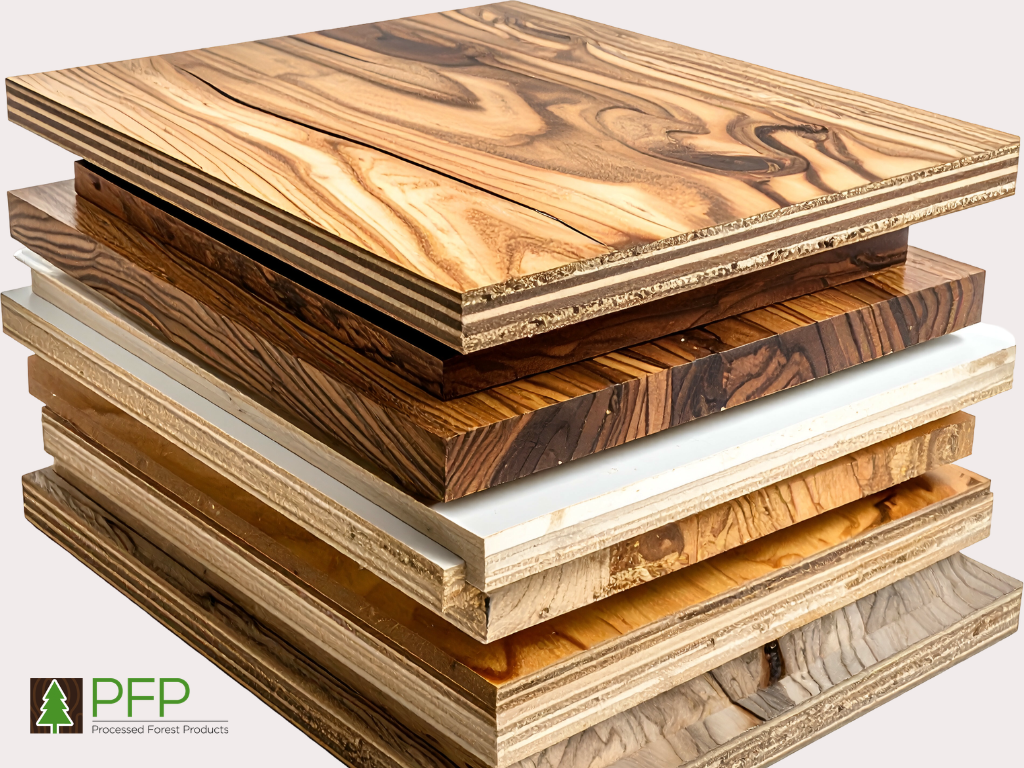
Match veneered panels to the intended location
Durability depends on more than whether a product is veneer or solid timber.
For veneered panels, the substrate and finish need to suit the location.
A decorative wall panel experiences different wear from a desktop. A kitchen cabinet door faces different conditions from a reception-wall feature.
The Timber Veneer Association of Australia identifies different coating systems with varying characteristics for wear, heat, water resistance and yellowing. It recommends considering the intended application when selecting a veneer finish.
This is why a sample should represent more than the raw wood colour.
Where possible, review the proposed veneer with the intended finish.
Also consider edges.
A visible edge may use matching veneer edging, another timber treatment or a specifically designed solid edge depending on the project.
These details affect the finished appearance and should be decided before manufacturing.
Think about the full service life
Initial material cost is only part of the decision.
A product that remains useful for a long time may be preferable to one that needs early replacement because it was unsuitable for the location.
Consider likely wear, cleaning, sunlight, moisture and impact.
Then ask what maintenance the finish requires.
The answer may change between a residential cabinet, hotel wall panel, retail counter and office desk.
Also consider whether the design is likely to change.
A highly specialised panel produced for a short-lived fit-out creates a different material decision from joinery expected to remain in place for many years.
Neither veneer nor solid timber wins this comparison automatically.
The better product is the one that combines responsible sourcing, suitable construction and realistic durability for the intended interior.
Choose the Right Material and Supplier for the Project
Veneer can be particularly useful when the design needs a broad natural timber surface.
Cabinet fronts, wall panels, furniture, reception areas and commercial joinery are common examples of applications where the decorative timber face can be used efficiently. WoodSolutions notes that veneered sheet products are widely used for interior panelling and architectural applications.
Solid timber may be preferred where thick exposed edges, profiles or other solid sections are central to the design.
Some projects may use both.
For example, cabinetry could use veneered panels for large faces and solid timber for selected edges or details.
This is often a more useful way to think about the comparison than forcing the whole project into one material category.
Choose each material where its construction suits the job.
Compare wood veneer suppliers using real specifications
When comparing wood veneer suppliers, give each supplier the same information.
Specify the species or visual direction, substrate, panel dimensions, thickness, quantity and grain direction.
If certification matters, state that requirement clearly.
The Timber Veneer Association of Australia recommends specifying species, substrate, dimensions, grain direction and other visual details before ordering. It also recommends discussing matching and cost options with the supplier.
Ask for samples where appearance is important.
When comparing wood veneer supplies, also clarify what is included. One quote may be for raw veneer while another may refer to veneer already pressed onto a substrate.
Terminology can create confusion too.
If you see the phrase veneer laminate, ask exactly what the supplier means. Pre-finished real timber veneer products can be supplied in laminate-type formats, but decorative synthetic laminates that imitate timber are a different material. TVAA describes pre-finished veneer as real veneer supplied in a ready-to-use laminate-type form.
Getting that distinction clear before comparing prices can prevent misunderstandings.
Know When to Contact Forest Products
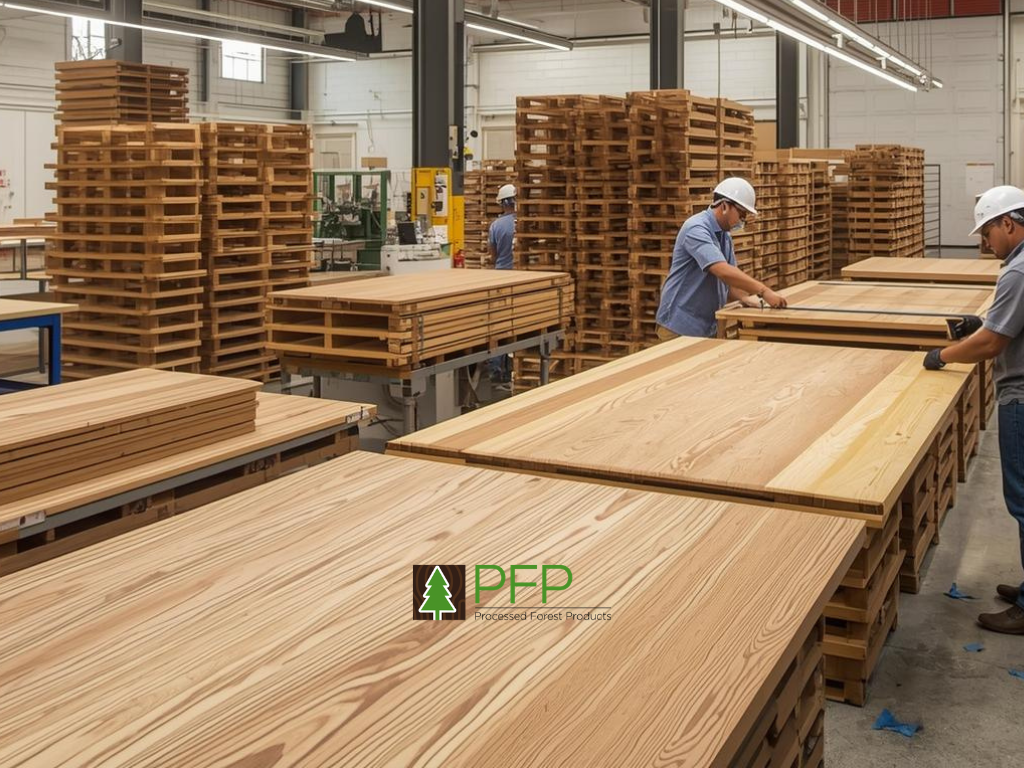
Speak to the supplier before the specification is locked
Contacting the supplier early is useful when the species, substrate or panel layout has not been finalised.
Forest Products, formally Processed Forest Products, is based in Milperra, NSW. Its current product information includes natural and reconstituted timber veneer as well as MDF, particleboard and plywood board products.
For a Sydney interior project, prepare the basic specification before making contact.
Explain whether the veneer is intended for cabinetry, wall panelling, furniture or another interior application.
Provide approximate quantities and panel dimensions if available.
Also discuss the desired species, grain direction and level of visual consistency.
Natural wood veneers can vary significantly, while reconstructed options may provide more consistent colour and grain across larger quantities.
Early discussion gives the supplier an opportunity to identify available options before the design becomes difficult to change.
Confirm certification and product details for the exact order
Certification should be checked at product level when it forms part of the specification.
Forest Products states that it is FSC and PEFC certified and that many of its products may be available as FSC or PEFC Certified. Its published certificates identify FSC-C007737 and PEFC-21-31-147.
Responsible Wood currently lists Processed Forest Products with current PEFC Chain of Custody certification, with an expiry date of 1 September 2030. Its listed scope includes veneer, panels, plywood and engineered wood products.
Still, do not assume every wood species or panel configuration is available with every certification claim.
Ask Forest Products to confirm the certification status, species, substrate, panel dimensions and availability for the actual order.
This is especially important when sustainable veneer forms part of an architectural specification or responsible-sourcing requirement.
The choice between sustainable veneer and solid timber is ultimately not about declaring one product universally better.
Veneer can make highly efficient use of valuable decorative timber and provide broad design flexibility. Solid timber can be appropriate where the component genuinely benefits from full-thickness timber.
The better decision comes from matching the material to the application, checking responsible sourcing and selecting construction that should perform well over the intended life of the interior.
