

A cnc punching service can be a practical way to manufacture perforated sheet metal when a project requires repeated holes, slots, vents or other regularly spaced features. The process is commonly considered for components such as screens, guards, panels, cabinets and enclosures where the pattern needs to be produced consistently across one or many sheets.
Choosing the right fabrication method involves more than deciding whether a hole can be punched. Material type, sheet thickness, hole size, spacing, quantities, tolerances and any later bending or finishing operations can all influence the result. Understanding these factors before requesting a quote can make it easier to prepare a component that suits cnc sheet metal fabrication and avoids unnecessary changes once production begins.
A cnc punching service creates features in flat sheet metal by positioning the material and using suitable tooling to punch programmed shapes. This makes the process particularly relevant where the design contains repeated features rather than only complex free-form profiles.
Perforated sheet does not have one standard purpose. Its function depends on the material, pattern, dimensions and finished component.
How a CNC Punching Service Creates Perforated Sheet Metal
A cnc punching service follows programmed coordinates to position sheet metal beneath the required punch tooling.
The punch and die create an opening in the material at the programmed location. The sheet can then be repositioned so the process repeats according to the component design.
This approach can produce round holes, slots and other shapes supported by the available tooling.
The value of CNC control is consistency. When a component includes many repeated openings, the machine can follow the programmed pattern across the sheet rather than requiring each feature to be marked and produced manually.
Metal punching services can therefore suit projects where the pattern itself is an important part of the component’s function or appearance.
The exact result still depends on appropriate tooling, material properties, sheet thickness and component design.
Where a CNC Punching Service Fits Into Fabrication Projects
A cnc punching service can form one stage of a broader fabrication process.
Perforated sections may be required for ventilation, airflow, screening, drainage, guarding or visual design. These applications can appear in electrical enclosures, machinery guards, cabinets, architectural panels, equipment housings and other fabricated products.
The punched sheet may remain relatively flat, or it may proceed to further operations.
For example, a flat panel could later be folded into an enclosure or formed into part of a cabinet. Other components may require welding, assembly or surface finishing after punching.
For this reason, the perforation pattern should be designed with the complete finished component in mind rather than treating the holes as an isolated part of the drawing.
Choose the Right Hole Pattern for the Application
A cnc punching service should reproduce a pattern that supports the purpose of the finished component.
Hole shape, size and spacing can affect airflow, strength, appearance and the amount of material remaining between openings.
The best pattern is therefore not necessarily the one with the greatest number of holes.
How a CNC Punching Service Handles Repeated Hole Patterns
A cnc punching service is well suited to designs containing repeated features where compatible tooling can be used efficiently.
Round holes are common, but slots and other standard punch shapes may also be suitable depending on the available tooling and design.
Spacing should be considered carefully.
If holes are positioned very close together, there may be less material remaining between them. This can influence the behaviour of the sheet during fabrication and the strength or appearance of the final panel.
If the purpose is ventilation, the designer may need to balance open area with the structural requirements of the component.
For guarding or screening, the dimensions of the openings may be influenced by what the panel needs to prevent from passing through it.
The pattern should always follow the functional requirements of the actual project rather than being selected for appearance alone.
Why a CNC Punching Service Needs a Clear Pattern Design
A cnc punching service relies on clear information about where each feature should be positioned.
Drawings should identify the hole or slot dimensions, spacing and overall pattern arrangement. Where symmetry or alignment with another component matters, those requirements should also be evident.
Ambiguous drawings can make quoting and manufacturing more difficult.
For Metal punching services, providing a clear CAD file or manufacturing drawing can help the fabricator understand the intended pattern without having to infer important dimensions.
It is also useful to distinguish between dimensions that are genuinely critical and those where a more practical manufacturing tolerance may be acceptable.
This becomes increasingly important when the punched pattern must align with fixings, internal components or another fabricated part.
Match the Material to the Finished Product
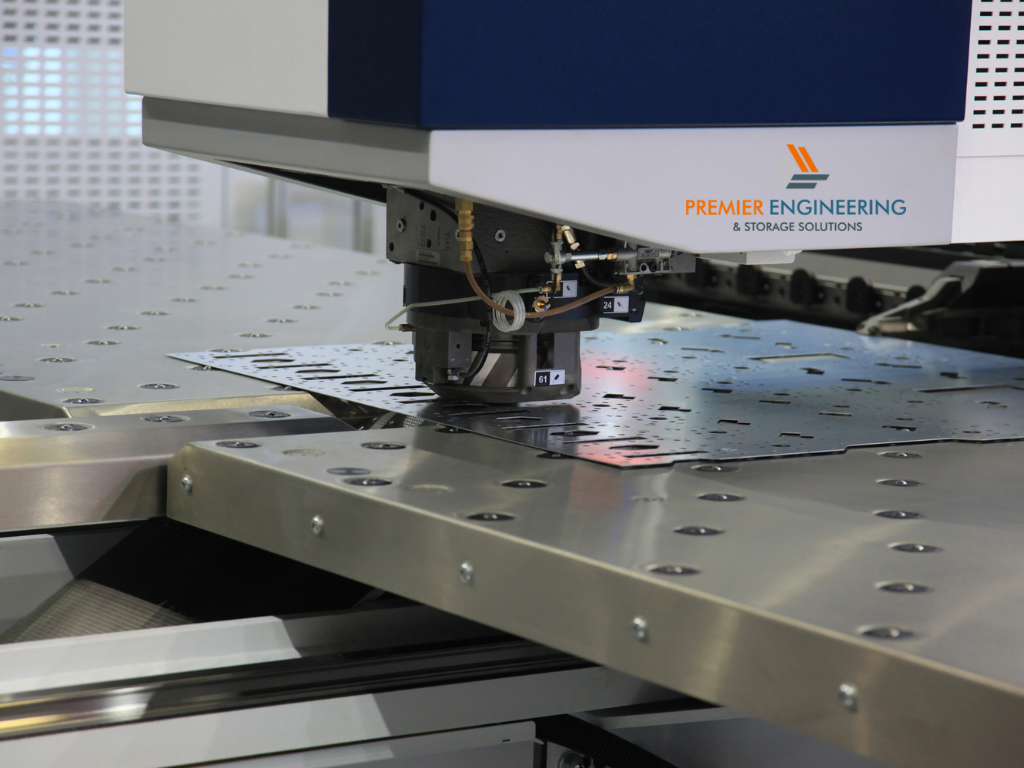
A cnc punching service can be considered for different types of sheet metal, but the material should be chosen according to the finished component rather than the punching process alone.
Strength, weight, appearance, environmental exposure, corrosion resistance and later fabrication processes can all influence material selection.
How a CNC Punching Service Works With Different Metals
A cnc punching service may be used with materials such as mild steel, stainless steel or aluminium where the grade, thickness and component design are suitable for the available machine and tooling.
Each material behaves differently during fabrication.
A material selected for an indoor cabinet may have very different performance requirements from a panel that will be exposed to moisture or outdoor conditions.
Sheet thickness also matters.
The relationship between material thickness and feature size can affect whether a particular hole or slot is practical to punch.
Rather than selecting a material purely because it can be processed by a CNC machine, consider what the finished part needs to achieve.
If the project requires later bending, welding or finishing, those requirements should also be considered before the material specification is finalised.
When a CNC Punching Service May Use CNC Stainless Steel
A cnc punching service may involve cnc stainless steel fabrication where the finished product requires properties associated with an appropriate stainless steel grade.
Stainless steel is frequently considered where corrosion resistance, durability or appearance is important, but different grades can have different characteristics.
The correct grade should therefore be selected according to the environment and application.
Thickness must also be considered alongside the perforation design.
If a stainless sheet contains a large number of holes or closely spaced features, the fabricator may need to assess whether the pattern is suitable for punching and for any operations that follow.
Cnc stainless steel work should therefore be planned as part of the complete component rather than simply replacing one material with another in an existing drawing.
Design Sheet Metal for Accurate and Repeatable Results
A cnc punching service can support repeatable production, but the drawing still needs to be designed with fabrication in mind.
CNC equipment follows programmed instructions accurately, yet the finished component is also influenced by tooling, material behaviour, tolerances and later manufacturing operations.
Good design helps these factors work together.
How a CNC Punching Service Supports High-Precision Sheet Metal Parts
A cnc punching service can support the production of high-precision sheet metal parts where the required tolerances are appropriate for the material, tooling and process.
Programmed positioning helps maintain consistency across repeated components.
This can be particularly useful where panels contain multiple openings that need to align with other parts during assembly.
However, “high precision” should not be interpreted as unlimited accuracy.
Material can move or distort during fabrication, particularly when components contain extensive perforation or undergo additional forming operations.
Designers should identify which dimensions are genuinely critical to the function of the part.
A sensible tolerance on a non-critical feature can make a component easier to manufacture than unnecessarily tight tolerances applied across the entire drawing.
Discussing important dimensions before production can help establish whether punching is suitable for the required result.
What a CNC Punching Service Needs From Your Drawings
A cnc punching service can be quoted more effectively when the drawing contains the information needed to understand the finished component.
The fabricator generally needs to know the material, grade where relevant, sheet thickness, overall dimensions and required hole or feature pattern.
Any important tolerances should be identified clearly.
The drawing should also show whether the component will require folding or another secondary process.
If several versions of the same part exist, revision information should be clear so outdated drawings are not confused with the current design.
For cnc sheet metal fabrication, supplying clean CAD information can also help reduce uncertainty when the component includes many repeated features.
A drawing that clearly communicates the final intent makes it easier to evaluate the complete manufacturing process.
Combine Punching With Other Sheet Metal Processes
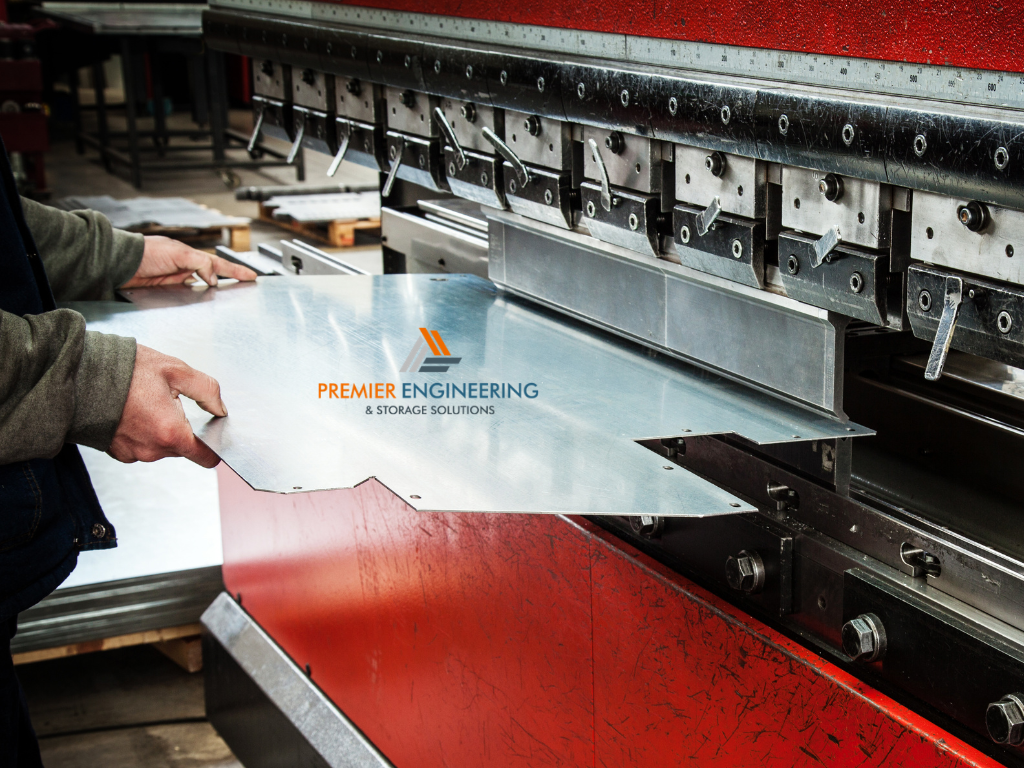
A cnc punching service is often only one stage in the production of a finished metal component.
After punching, the sheet may need to be cut to its final profile, folded, welded, assembled or finished depending on the design.
Planning those stages together can improve manufacturability.
How a CNC Punching Service Fits Into CNC Sheet Metal Fabrication
A cnc punching service can form part of cnc sheet metal fabrication where several processes are required to produce the final component.
A flat sheet might first receive its required holes, vents or cut-outs before proceeding to forming.
The manufacturing sequence matters because one operation can affect another.
For example, perforations located too close to a bend may respond differently when the sheet is formed. Features that need to line up after bending should also be positioned with the final geometry in mind.
This is why drawings should show the complete component rather than only the perforated area.
Looking at punching, cutting and bending as one fabrication workflow gives the fabricator a clearer understanding of how the part needs to function when completed.
When a CNC Punching Service Is Followed by a Metal Bending Press
A cnc punching service may be followed by forming on a metal bending press when the flat sheet needs to become a three-dimensional component.
This is common for products such as cabinets, enclosures, brackets, equipment panels and housings.
Bend locations need to be considered before the punching program is finalised.
If a hole, slot or perforated pattern is positioned very close to a fold, the feature may be affected during bending.
The required bend radius, material and sheet thickness can also influence the final geometry.
Designing the punched pattern with the later metal bending press operation in mind can reduce the need to modify the component after the first production stage.
A coordinated fabrication approach is therefore particularly useful when the finished part involves both perforation and forming.
Compare CNC Punching With Other Cutting Methods
A cnc punching service is not automatically the best manufacturing method for every sheet metal component.
Some designs are well suited to punching, while others may be better handled using cnc cutting services.
Understanding the difference can help buyers avoid specifying a process before the component has been assessed.
When a CNC Punching Service Makes Sense for Repeated Features
A cnc punching service can be particularly practical when a design contains many repeated holes, slots or other features compatible with established tooling.
The process can combine programmed positioning with repeated punching operations, making it a natural option for perforated panels and similar components.
Production quantity can also influence the decision.
Where the same pattern is required across a batch of parts, repeatable tooling and programming may suit the production requirement.
The geometry still matters.
If the component contains a combination of repeated punched features and other fabrication requirements, the manufacturer may use more than one process.
The goal should be to choose the process according to the drawing rather than forcing the drawing to fit a preferred machine.
How a CNC Punching Service Differs From CNC Cutting Services
A cnc punching service physically produces features using punch tooling, while other cnc cutting services may create profiles without relying on a dedicated punch shape.
A cnc cutting machine can therefore be useful for geometries that are difficult or inefficient to reproduce using conventional punch tooling.
Complex contours, irregular profiles and low-volume custom shapes may lead a fabricator to consider another cutting method.
Punching, however, can offer advantages where a large number of repeated standard features are required.
The two approaches should not be viewed as competing technologies where one is always superior.
They are different manufacturing tools.
A knowledgeable fabricator can review the geometry, material, quantity and secondary operations before deciding whether punching, another CNC cutting process or a combination of methods provides the most practical production pathway.
Prepare the Job Before Requesting a Quote
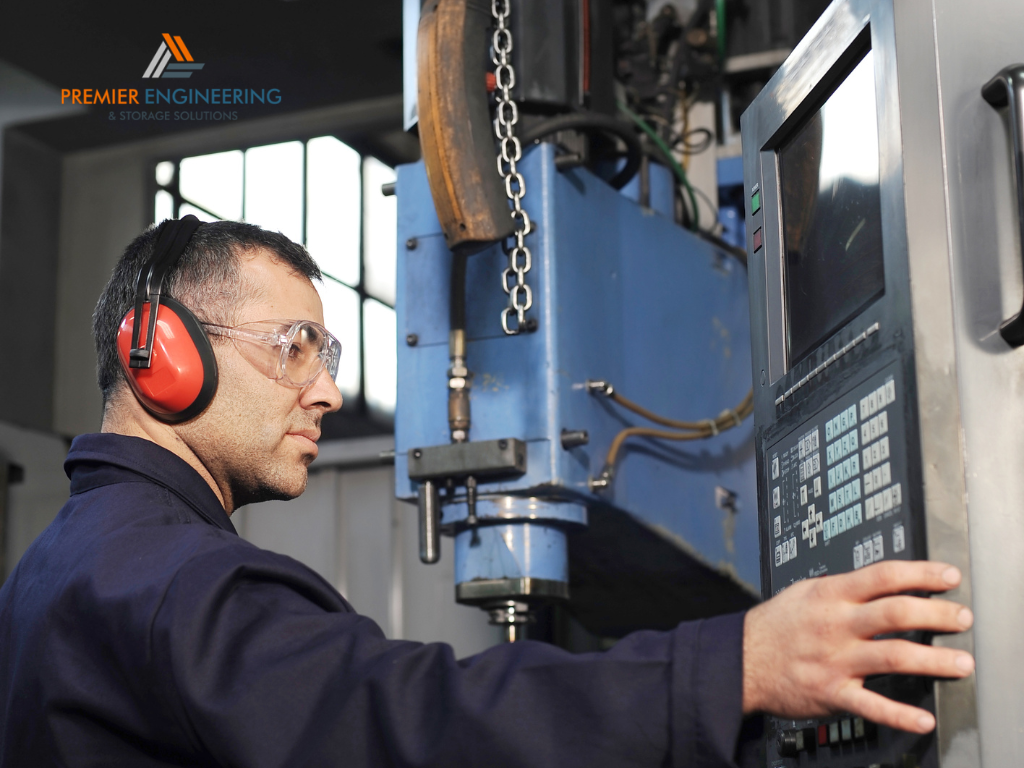
A cnc punching service can be quoted more accurately when the supplier receives complete information at the beginning.
Material, dimensions, pattern design, quantities and secondary fabrication requirements all influence the work involved.
Providing those details also makes comparisons between fabrication suppliers more meaningful.
What to Confirm Before Booking a CNC Punching Service
Before requesting a cnc punching service, confirm the material and thickness required for the component.
Check the drawing to make sure hole sizes, slots, spacing and important dimensions are clearly shown.
If the part requires bends, welding or other secondary operations, include those requirements rather than requesting punching in isolation.
The required quantity should also be stated.
One prototype and a repeat production batch may need to be approached differently when programming, tooling and production planning are considered.
Where surface finish matters, explain the finished appearance or environmental requirements so the fabricator can understand the complete project.
The aim is to give the supplier enough information to assess how the component should be made rather than simply asking for a price per punched sheet.
How a CNC Punching Service Can Be Quoted More Accurately
A cnc punching service quote is easier to prepare when the fabricator does not have to guess what the drawing means.
Clear CAD files, current revisions, material specifications, quantities and realistic tolerances can all reduce uncertainty.
If you are unsure whether the component is suitable for punching, it can be useful to provide the complete drawing and allow the fabricator to consider the manufacturing method.
Premier Engineering can be considered when discussing cnc punching service requirements alongside broader cnc sheet metal fabrication, cutting and forming needs, particularly where the component requires more than one fabrication process.
The final process should still be selected according to the actual part.
A perforated panel with repeated standard features may be well suited to Metal punching services, while complex profiles may benefit from cnc cutting services or another manufacturing method.
The best results usually begin before the machine starts.
A well-prepared component considers material choice, feature spacing, tolerances, bends and the final application together. This gives the fabricator a stronger basis for deciding how punching, a cnc cutting machine, a metal bending press and other production processes should be combined.
For anyone sourcing a cnc punching service, the most useful approach is to provide a clear drawing, explain how the component will be used and identify the dimensions or features that genuinely matter.
That preparation can make it easier to manufacture consistent perforated sheet metal and high-precision sheet metal parts while keeping the fabrication process aligned with the requirements of the finished product.
