

Cured meats can bring savoury flavour, texture and depth to simple meals, but each product behaves differently. A spicy salami that crisps well on pizza may be too firm for a soft sandwich, while delicate prosciutto can lose its texture if it spends too long in a hot oven.
When searching for cured meats near me, start with the dish you want to prepare. Consider whether the meat will be cooked, warmed briefly or served cold. You should also think about its saltiness, fat content, texture and slicing thickness.
Understanding these differences will help you choose products that complement the meal, order a suitable quantity and avoid buying several meats that taste or perform too similarly.
Understand salumi and charcuterie
The terms salumi and charcuterie are related, but they have different origins and meanings. Salumi generally refers to Italian cured, cooked or preserved meat products, while charcuterie is a broader French term associated with prepared and preserved meats.
The different types of Italian salumi include salami, prosciutto, mortadella, pancetta, capocollo and bresaola. Some are made from whole cuts of meat, while others are minced, seasoned and placed into casings. They may be dry-cured, air-dried, smoked, fermented or cooked.
In everyday Australian use, charcuterie may also describe a serving board containing cured meats, cheeses and accompaniments. A salumi plate focuses more specifically on Italian-style meat products.
Understanding salumi vs charcuterie can help when reading menus or speaking with a butcher. However, the most useful questions concern the product’s flavour, texture, ingredients and intended use.
Decide whether the meat will be cooked or served cold
Firm salami, pepperoni, pancetta and guanciale generally perform well in cooked dishes. Their fat and seasoning can contribute flavour as they heat, although the result will depend on the product, cooking time and slicing thickness.
Prosciutto, mortadella and capocollo are commonly enjoyed without further cooking when sold as ready-to-eat products. They can be layered into sandwiches, folded onto a platter or added to a finished pizza.
Heating delicate meats is possible, but prolonged cooking may dry them out or make their saltiness more noticeable. Adding them near the end can help protect their texture.
Always check whether the particular product is ready to eat or requires cooking. Follow the packaging, supplier’s advice and preparation instructions rather than assuming all cured meats can be handled in the same way.
Choose Cured Meats That Work Well on Pizza
Salami works well on pizza because it contributes seasoning, richness and texture. Mild varieties suit simple combinations, while chilli salami and pepperoni provide more heat.
Sopressa can offer a coarser texture and fuller flavour. Recipes differ between producers, so ask whether the available variety is mild, peppery or spicy before ordering.
Slicing thickness affects how the meat cooks. Thin slices heat quickly and may develop crisp edges. Thicker slices remain firmer and can release more fat onto the pizza.
Consider the other toppings before deciding how much to add. Cured meat, olives, anchovies and strongly flavoured cheese can all contribute salt. Using several heavily seasoned ingredients together may overwhelm the sauce and crust.
For a balanced result, allow the chosen meat to provide most of the intensity. Pair it with a simple tomato base, mozzarella, mushrooms, capsicum or other ingredients that support rather than compete with it.
Add prosciutto and delicate meats after baking
Prosciutto can become dry and noticeably salty when exposed to high heat for too long. It is often better placed on the pizza after baking or during the final stage of cooking.
Adding it at the end preserves its soft texture. It can pair with mozzarella, rocket, mushrooms, pear, figs or a simple tomato base, depending on the flavour you prefer.
Mortadella can also be added after baking. Its mild flavour and smooth texture work well with soft cheese, pistachio and vegetables. Capocollo can tolerate gentle warming, but thin slices may still dry out during extended cooking.
Use these products in moderation. A few well-positioned slices can flavour the entire pizza without covering every other ingredient.
Match Italian Salumi with Different Pasta Dishes
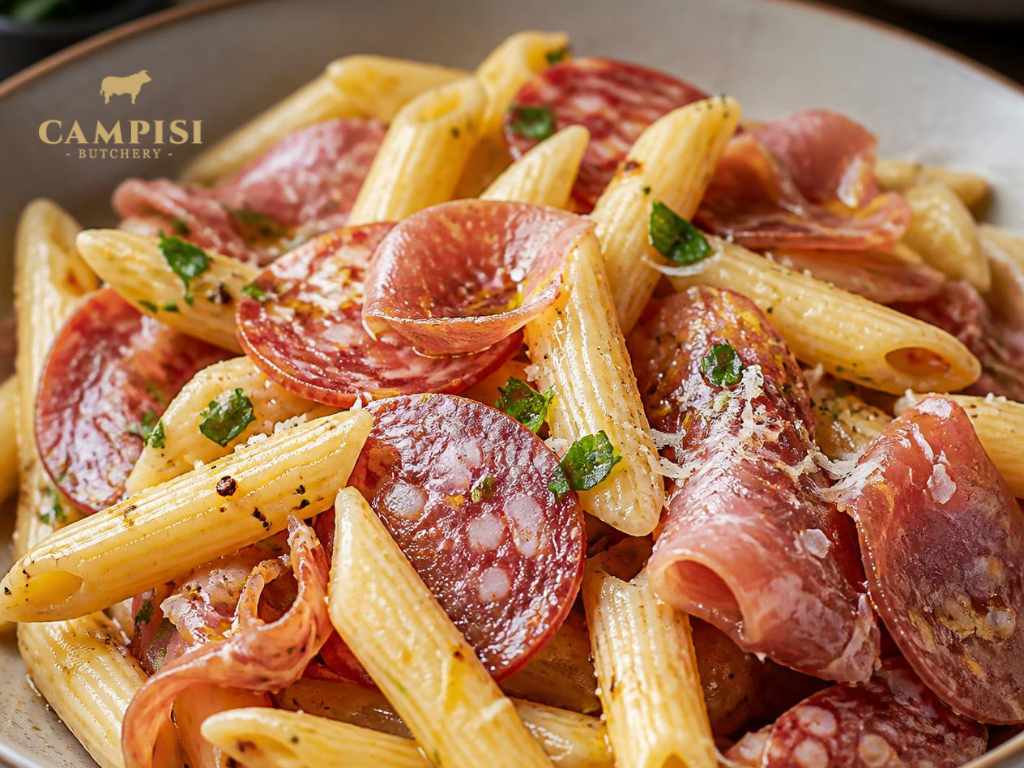
Build the sauce with pancetta or guanciale
Pancetta and guanciale are commonly used to create a savoury base for pasta sauces. Their fat renders during cooking and carries flavour through the dish.
Pancetta is made from pork belly and may be sold flat, rolled, sliced or diced. It can work in tomato sauces, cream-based pasta, vegetable dishes and fillings.
Guanciale is made from pork cheek or jowl. It has a rich texture and is traditionally associated with dishes such as carbonara and amatriciana.
Cook these products according to the recipe and supplier’s directions. Beginning over moderate heat can allow the fat to render without immediately burning the meat.
Taste the sauce before adding extra salt. Cured pork, cheese and pasta water may already provide enough seasoning.
Use salami and prosciutto in measured quantities
Salami can add flavour and texture to pasta when used in small amounts. It works particularly well with tomato, capsicum, chilli, leafy vegetables and legumes.
Firm salami can be cut into strips, thin rounds or small pieces. Cooking it briefly may release flavour while preserving some texture. Extended cooking can make certain varieties tough.
Prosciutto can be torn into pieces and folded through the pasta shortly before serving. It can also be placed over the finished dish, allowing the residual heat to warm it gently.
Keep the sauce simple when using a strongly seasoned salami. Garlic, chilli, hard cheese and cured meat can compete if each is used heavily.
The finished dish should still allow the pasta, sauce and vegetables to contribute their own character.
Select the Right Meat for Sandwiches and Rolls
Mortadella has a smooth texture and mild flavour that suits soft rolls, focaccia and layered sandwiches. It can be paired with cheese, pickled vegetables or a simple condiment.
Prosciutto is delicate, thin and savoury. It works well with fresh cheese, tomato, leafy greens or grilled vegetables. Because its flavour can be salty, it generally needs fewer strongly seasoned additions.
Arranged salami bologna boiled ham and prosciutto provides a firmer bite and more pronounced seasoning. Mild salami suits everyday sandwiches, while spicy varieties work with robust cheese, roasted vegetables and tangy condiments.
Ham remains a familiar option for fresh and toasted sandwiches. Its flavour and moisture can vary according to the cut and preparation method, so ask which style will suit your intended meal.
A selection of arranged salami bologna ham and prosciutto may look appealing in a deli display, but appearance should not be the only consideration. Choose meats with flavours and textures that work with the bread and other fillings.
Request the right slicing thickness
Thin slicing distributes flavour evenly and makes rich cured meats easier to layer. It can also prevent the entire filling from pulling out when someone takes a bite.
Prosciutto is generally sliced very finely. Mortadella can also be thinly sliced and folded to create a lighter texture. Salami may be cut thin for layering or slightly thicker when a firmer bite is preferred.
Tell the butcher whether the meat is intended for a fresh sandwich, crusty roll or toasted meal. Heat can change the texture, so the ideal thickness may differ.
The bread should also guide the choice. Soft bread works well with tender, finely sliced fillings, while a crusty roll can support firmer meats and stronger textures.
Balance Flavour, Texture and Saltiness
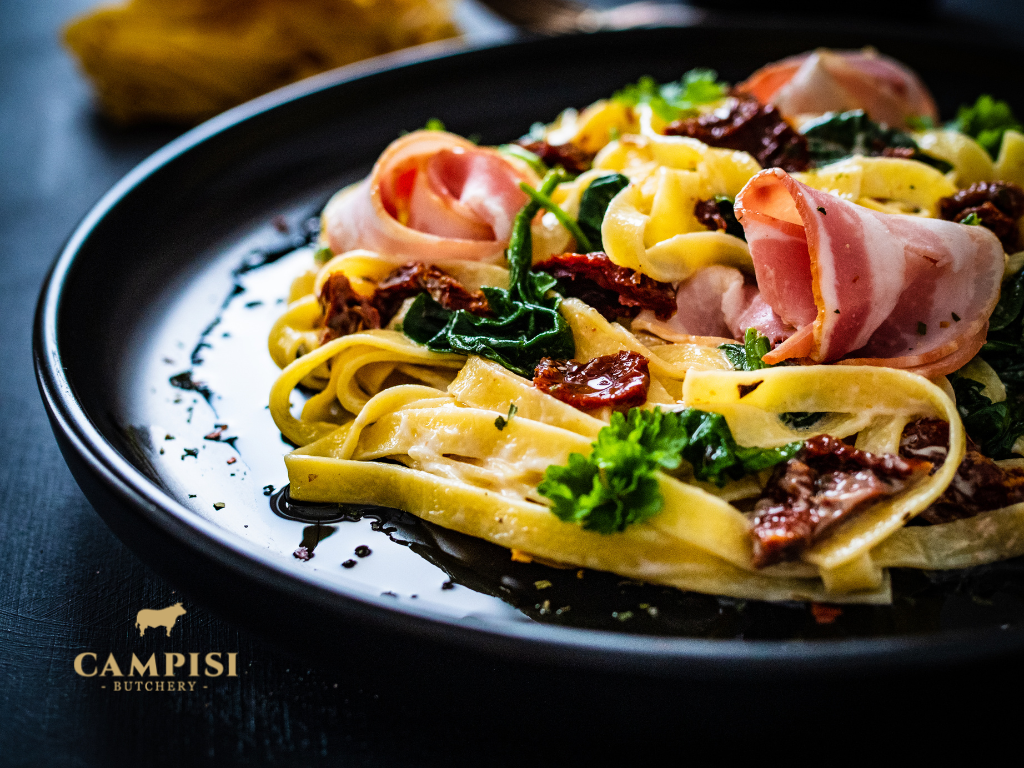
Pair stronger meats with simple ingredients
Bold cured meats usually work best with uncomplicated accompaniments. Mild cheese, fresh vegetables and plain bread can soften their intensity without hiding their flavour.
Spicy salami can be balanced with mozzarella or ricotta. A smoky product may work with tomato, leafy greens or a mild sauce. Richer meats can benefit from crisp vegetables or pickles that add freshness and acidity.
Avoid combining too many salty components. Cured meat, cheese, olives, stock and prepared sauces can all add seasoning to the same dish.
Taste the food as it develops. Seasoning added early cannot always be corrected once the cured meat and cheese have released their flavour.
Allow delicate products to remain noticeable
Prosciutto, bresaola and lightly seasoned capocollo can be overwhelmed by hot sauces, strong condiments and heavily smoked cheese.
When one of these products is intended to be the main flavour, use fewer accompaniments. Fresh bread, mild cheese, seasonal fruit or lightly dressed greens may be enough.
Texture also contributes to balance. A sandwich containing soft bread, mortadella and creamy cheese can benefit from a crisp vegetable. A pizza topped with firm salami may work better with softer cheese and vegetables.
The goal is contrast rather than complexity. A meal does not need many ingredients when each one has a clear purpose.
Buy and Store a Practical Quantity
A simple salumi set can support several meals without filling the refrigerator with products that taste too similar.
You might select pancetta for pasta, firm salami for pizza and mortadella or prosciutto for sandwiches. If some products will also be served on a salumi plate, ask whether the combination offers enough contrast.
Tell the butcher how many people you are serving and how each product will be used. The required quantity changes depending on whether cured meat is the main sandwich filling, a pizza topping or one ingredient in a pasta sauce.
Smaller quantities of freshly sliced products can provide variety without creating unnecessary leftovers. Whole products or larger packs may offer better value when they will be used regularly and can be stored correctly.
Plan to use products according to their storage instructions and date information. Freshly sliced meat may need to be eaten sooner than an unopened packaged product, but the specific guidance should always come from the label or supplier.
Follow the product’s storage instructions
Storage requirements vary between products. Keep the original label and follow any instructions concerning refrigeration, opening and consumption.
Products requiring refrigeration should be kept at 5°C or colder. Store them in suitable sealed packaging and separate them from raw meat or other possible sources of contamination.
Return cured meats to the refrigerator promptly after cooking or serving. Time spent between 5°C and 60°C is cumulative, so avoid repeatedly leaving the same food at room temperature.
Never consume a product past its use-by date. A best-before date has a different meaning, but the product must still have been stored as directed and show no signs of spoilage.
Do not rely only on appearance or smell when the storage history is uncertain. If the packaging is damaged, the product has been left unrefrigerated for too long or you are unsure whether it remains safe, discard it.
Freezing can change the texture and may not be suitable for every cured meat. Check the manufacturer’s instructions or ask the butcher before freezing it.
Ask a Local Butcher for Meal-Specific Advice
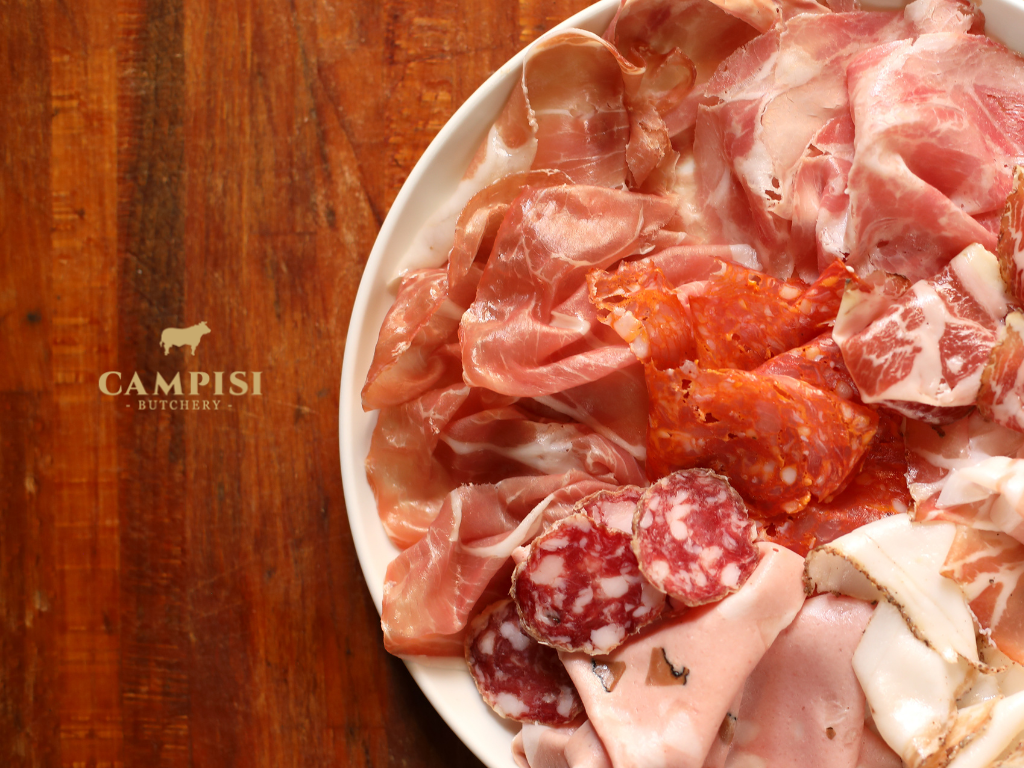
Look beyond a basic local search
Distance and opening hours are helpful, but they do not show whether a supplier has the right product for your recipe. Product knowledge, fresh slicing, ingredient information and storage guidance also matter.
A helpful butcher should be able to explain whether a cured meat is mild, spicy, smoky or aromatic. They should also help you compare whole-muscle products with salami-style meats and suggest a suitable slicing thickness.
Ask whether the product is ready to eat or needs cooking. If allergies or dietary requirements are involved, request accurate ingredient and allergen information before purchasing.
When looking for cured meats in Sydney, contact the butcher before travelling if you require a particular product or a larger quantity. Availability can change, especially around weekends and major holidays.
Describe what you plan to cook
You do not need to know the exact product name before visiting Campisi Butchery. Describe the meal and the result you want.
For pizza, explain whether you prefer a mild topping, chilli heat or crisp edges. For pasta, describe the sauce and whether the meat will form the flavour base or be added near the end. For sandwiches, mention the bread, cheese and other fillings.
Share the number of people you are serving and when the food will be prepared. Ask how the product should be cut, transported, stored and used after opening.
This makes a search for cured meats near me more productive. Instead of buying several similar products and deciding what to do with them later, you can select meats with a clear purpose.
Contact Campisi Butchery to discuss suitable cured meats for your next pizza, pasta or sandwich and arrange a quantity matched to the dishes you plan to prepare.
