

Your vehicle’s braking system is essential for safe driving, yet some brake problems develop gradually and can be difficult to recognise. For motorists looking for reliable car care Sydney services, understanding the warning signs of brake wear and mechanical faults can help them decide when a professional inspection is necessary.
Brakes experience wear during everyday driving. Every time you slow down or stop, the braking system works to control the vehicle’s speed. Over time, brake pads, discs and other components may need attention.
However, not every brake problem begins with an obvious warning light or loud noise.
Changes in pedal feel, unusual vibrations, grinding sounds or reduced braking performance can indicate that something needs checking.
Sydney motorists regularly encounter stop-start traffic, busy intersections and changing road conditions. These situations make dependable braking particularly important.
The key is to recognise when a change is unusual and avoid waiting for the next scheduled service if the vehicle is showing signs of a possible fault.
Why Brake Inspections Matter for Car Care Sydney
Brake inspections help identify worn components, fluid problems and other conditions that may affect braking performance.
A vehicle’s braking system contains several connected parts. In a typical disc brake arrangement, brake pads press against a rotating disc to slow the wheel. Hydraulic components transfer the driver’s braking input through the system.
These components must work together correctly.
As brake pads wear, their friction material becomes thinner. Brake discs can also experience wear, surface damage or other problems that require assessment.
Hydraulic components, brake hoses and brake fluid may need attention according to their condition and the manufacturer’s recommendations.
Regular car maintenance provides opportunities to inspect these systems, but scheduled servicing should not replace prompt investigation of unusual symptoms.
A brake inspection can help determine whether the vehicle needs routine maintenance, replacement components or further fault diagnosis.
How to Recognise Early Changes in Braking Performance
Drivers become familiar with how their vehicles normally feel.
A change in braking behaviour may therefore be one of the first indications that something needs attention.
For example, the brake pedal may feel different when pressed, the vehicle may vibrate during braking or stopping may require more effort than usual.
Some drivers notice a new squealing sound when approaching traffic lights, while others experience a vehicle pulling to one side as they slow down.
These symptoms can have several possible causes.
They do not necessarily mean that a particular component needs replacing, but they provide a reason to arrange a professional assessment.
If braking performance is seriously reduced, the pedal sinks unusually far, or the vehicle cannot be controlled safely, stop in a safe location as soon as possible and arrange roadside assistance.
Do not continue driving an unsafe vehicle simply to reach a workshop.
Understanding Unusual Brake Noises
Brake noises are among the most common reasons drivers seek mechanical advice.
Although some sounds may occur temporarily under particular conditions, persistent or changing noises should not be ignored.
When researching car care Sydney services, it helps to understand what different sounds may indicate without assuming that the noise identifies the exact problem.
What Squealing, Squeaking and Grinding May Indicate
A squealing or squeaking sound during braking can occur for several reasons.
Some brake pads contain wear indicators designed to produce a noise when the friction material reaches a particular level.
Other possible causes include surface moisture, dust, glazing or vibration between brake components.
For example, a brief squeak after a vehicle has been parked in damp conditions may be related to light surface corrosion or moisture on the brake discs.
However, a sound that continues, becomes louder or occurs alongside changes in braking performance should be inspected.
Grinding noises can be more concerning.
They may indicate substantial brake pad wear, contact between metal components or debris affecting the braking assembly.
Continued operation under these conditions can damage components and may reduce braking effectiveness.
A mechanic needs to inspect the braking system to establish the actual cause.
Replacing brake pads without diagnosing the source of a noise may not resolve every problem.
When Brake Noises Need Urgent Mechanical Attention
The urgency of a brake noise depends on the symptoms accompanying it.
A brief, occasional squeak with otherwise normal braking may require a different response from persistent grinding combined with reduced stopping power.
If the brakes begin making loud grinding noises, the pedal feels abnormal or the vehicle takes noticeably longer to stop, the system should be assessed promptly.
A sudden scraping noise may also indicate a component problem that needs investigation.
Motorists should avoid attempting to diagnose brake faults solely by listening to the sound.
Different problems can produce similar noises, and some serious faults may develop without an obvious sound.
If there is any doubt about the vehicle’s braking safety, avoid driving until a qualified mechanic has assessed the situation.
Early investigation can also help identify whether the issue involves worn pads, damaged discs, seized components or another problem requiring repair.
Changes in Brake Pedal Feel and Stopping Performance
Not every braking problem produces a noticeable noise.
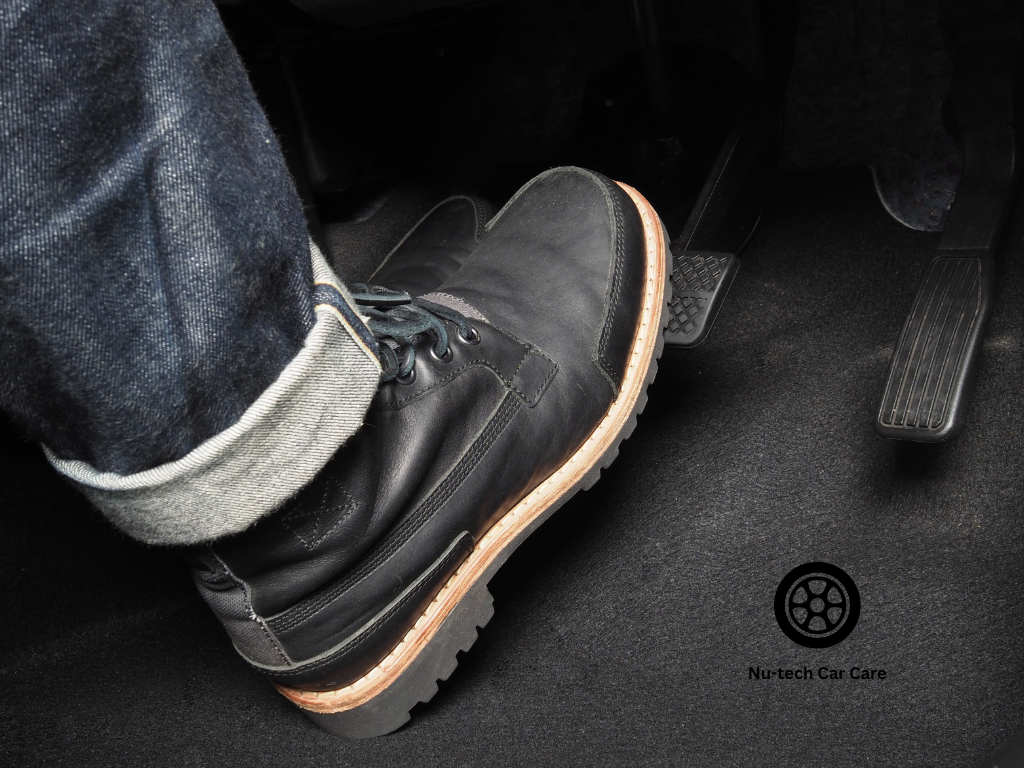
Sometimes the clearest indication is a change in how the brake pedal responds or how the vehicle slows down.
For drivers comparing car care Sydney options, understanding these symptoms can help distinguish routine maintenance concerns from potentially serious safety issues.
Why a Soft, Spongy or Sinking Brake Pedal Is Concerning
A brake pedal should respond in a manner consistent with the vehicle’s design.
If it suddenly feels unusually soft or spongy, this may indicate a problem within the hydraulic braking system.
Possible causes include air in the hydraulic lines, fluid leakage or other component faults.
A brake pedal that gradually sinks towards the floor while pressure is maintained can also indicate a hydraulic problem.
These symptoms should not be treated as normal wear.
Low brake fluid may be associated with worn components or leakage, and the underlying cause needs to be identified.
Simply adding fluid without investigating why the level changed may leave a serious problem unresolved.
If the pedal becomes unusually soft, sinks excessively or braking effectiveness is reduced, do not continue driving.
Arrange qualified inspection and appropriate vehicle recovery if necessary.
Braking systems are safety-critical, and hydraulic faults should not be diagnosed through trial-and-error repairs.
What Causes Brake Vibration, Pulling and Longer Stops?
Vibration during braking may be felt through the brake pedal, steering wheel or vehicle body.
Possible causes include brake disc thickness variation, irregular contact between components or other mechanical issues.
However, vibration can also be influenced by tyres, wheel assemblies and suspension components.
A professional inspection is needed to identify the source.
A vehicle pulling to one side when braking can indicate uneven braking forces, a sticking component or another problem affecting vehicle handling.
Tyre condition, alignment and road conditions may also contribute to this behaviour.
Longer stopping distances are another concern.
If a driver notices that the vehicle requires substantially more distance or effort to stop under comparable conditions, the braking system should be assessed.
Stopping distance is also affected by vehicle speed, tyre grip, road conditions and driver reaction time.
For example, wet roads can reduce available traction even when the brakes are functioning correctly.
A brake inspection should therefore consider both the braking components and any related conditions that may affect stopping performance.
Dashboard Warnings and Other Brake System Clues
Modern vehicles use dashboard indicators to alert drivers to certain braking system conditions.
Understanding these warnings is an important part of car care Sydney, particularly when a warning appears alongside unusual braking behaviour.
The meaning of an indicator can vary between makes and models, so the owner’s manual remains an important reference.
Understanding Brake and ABS Warning Lights
A brake system warning light may indicate that the parking brake is engaged or that the vehicle has detected another condition requiring attention.
Depending on the vehicle, possible concerns include low brake fluid or a fault within the braking system.
If a red brake warning remains illuminated after the parking brake has been released, follow the manufacturer’s instructions.
Where a hydraulic or service brake fault is suspected, stop safely and do not continue driving until the vehicle has been assessed.
An anti-lock braking system, or ABS, warning light usually relates to the system designed to reduce wheel lock-up during braking.
On some vehicles, the conventional braking system may still operate when an ABS fault is present, but the anti-lock function may be unavailable.
The exact implications depend on the vehicle and the fault.
If the ABS and brake system warning lights appear together, or braking behaviour changes, the situation may be more serious.
Drivers should not assume that an illuminated warning can safely be ignored because the vehicle still appears to stop.
A qualified mechanic can assess the warning and use suitable diagnostic equipment where required.
Recognising Fluid Leaks, Burning Smells and Uneven Wear
Visible fluid leakage can provide another indication of a braking problem.
Brake fluid is part of the hydraulic system, which relies on maintaining appropriate pressure.
A leak may affect the operation of the brakes and requires prompt investigation.
Burning smells near a wheel may sometimes be associated with overheated or dragging brake components.
However, similar smells can have other sources, so the cause should not be assumed without inspection.
An unusually hot wheel area may also indicate a sticking brake component, although motorists should not touch hot brake parts to check their temperature.
Uneven brake pad wear can develop for several reasons, including problems with caliper movement or related components.
This condition may not be visible without removing the wheel or inspecting the assembly.
For that reason, drivers should not rely only on what they can see from outside the vehicle.
A professional brake inspection helps establish whether wear is occurring normally or whether another fault is affecting the system.
What Happens During a Professional Brake Inspection?
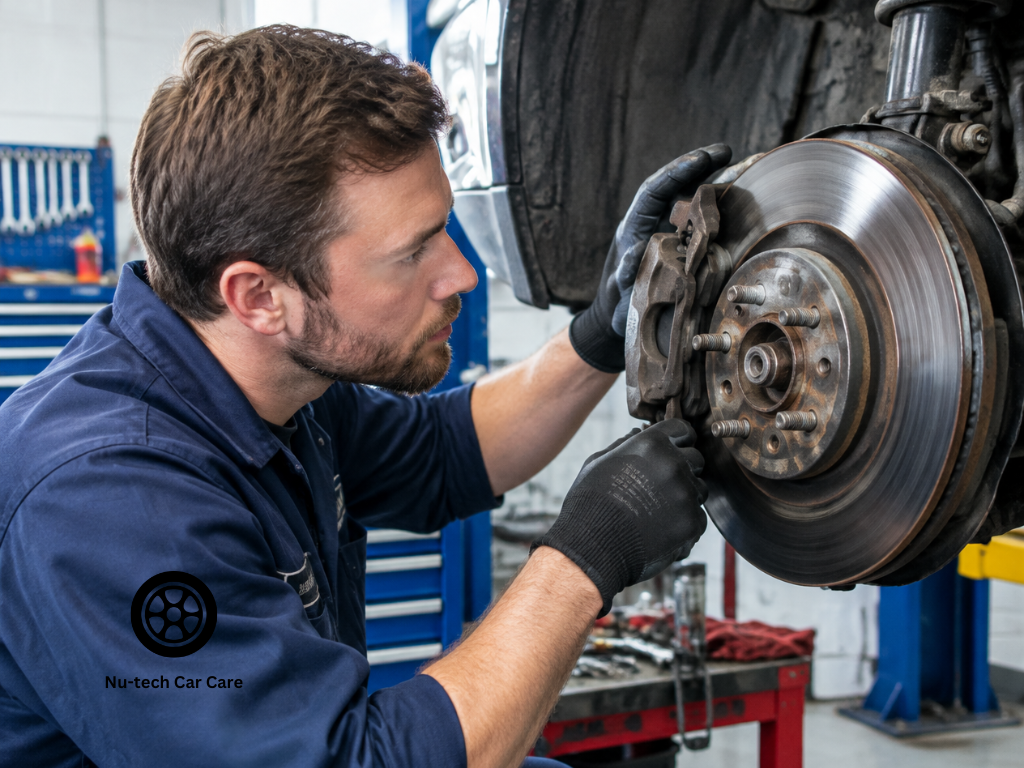
A professional brake inspection is intended to identify the condition of relevant components and investigate any symptoms reported by the driver.
When booking car care Sydney services, it is useful to understand that an inspection may involve several checks rather than a simple visual assessment of the brake pads.
The exact process depends on the vehicle, its braking system and the reason for the inspection.
Checking Brake Pads, Rotors, Fluid and Hydraulic Components
A mechanic may begin by discussing the symptoms with the driver.
Information about when a noise occurs, whether the pedal feels different and how long the problem has been present can help guide the inspection.
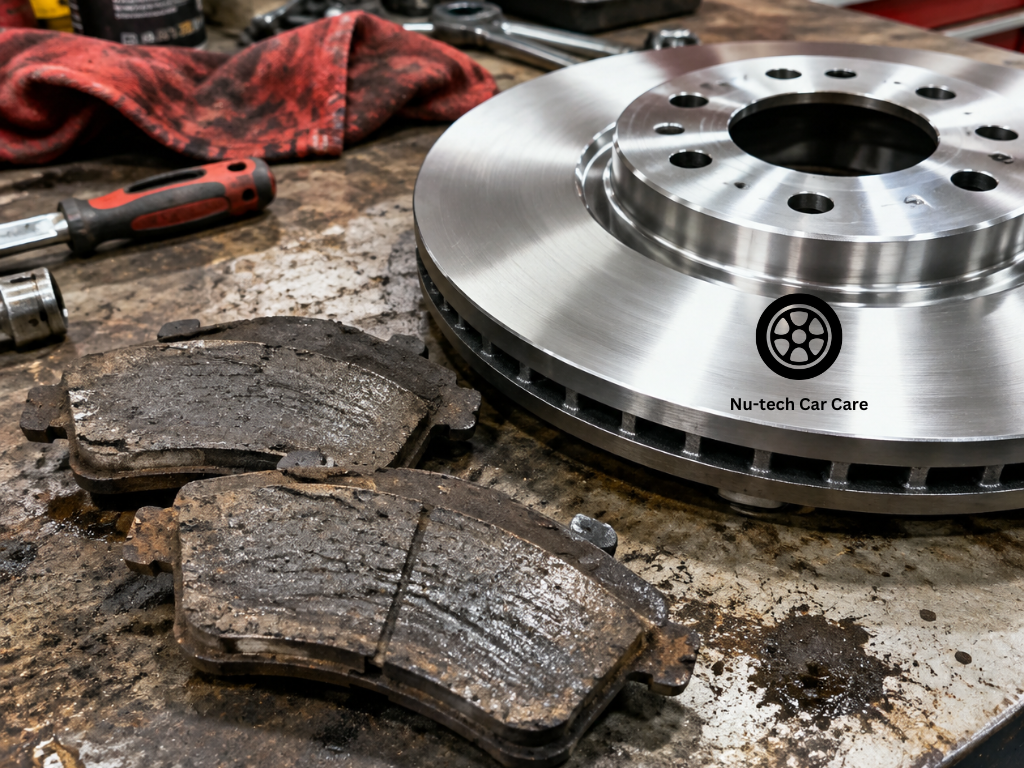
Brake pads are commonly checked for remaining friction material and signs of uneven wear.
Brake discs, also known as rotors, may be examined for wear, damage and other conditions affecting their suitability for continued use.
The mechanic may also inspect brake calipers, relevant hardware, hoses and visible hydraulic components.
Brake fluid condition and service requirements may be reviewed according to the manufacturer’s recommendations.
If a fluid leak is suspected, further investigation is necessary to identify the source.
Electronic warning systems may also require diagnostic testing.
Some problems cannot be fully assessed through a basic visual inspection, so additional diagnostic work may be recommended.
The mechanic should explain any identified faults and the reasons for the proposed repairs.
This helps customers understand whether components require replacement, further testing or another form of maintenance.
How Brake Repairs Fit Into Routine Car Maintenance
Routine car battery repair near me diagnosis serve different purposes.
A scheduled car service generally follows the manufacturer’s maintenance requirements for the vehicle’s age, time interval and distance travelled.
Brake inspections may form part of that schedule.
However, a driver experiencing grinding noises, a sinking pedal or reduced braking performance should not wait for the next routine service.
Those symptoms require separate attention.
Similarly, a scheduled service may identify worn components that need repair or replacement, even when the driver has not noticed a problem.
Brake repair costs depend on the actual fault, vehicle design and parts required.
For example, replacing worn brake pads is a different task from addressing a hydraulic leak or repairing a seized brake caliper.
Some repairs may involve additional labour or related components.
Before authorising non-emergency repair work, customers should ask for an explanation of the diagnosis and an itemised quotation.
This helps distinguish necessary repairs from optional recommendations and makes it easier to understand the proposed work.
Choosing a Local Mechanic for Brake Problems
Finding a suitable workshop is important when a vehicle has developed unusual braking symptoms.
Drivers looking for car care Sydney services should consider the mechanic’s relevant experience, ability to diagnose brake faults and approach to explaining repairs.
Convenience matters, but vehicle safety and clear communication should remain priorities.
What to Check When Comparing Car Services Nearby
When searching for car services nearby, look for a workshop that can assess the type of problem your vehicle is experiencing.
A general automotive workshop may provide brake inspections, brake pad replacement and related maintenance.
More complicated faults may require additional diagnostic equipment or specialist procedures.
In NSW, customers can also check relevant motor vehicle repairer licensing information when evaluating a workshop.
Ask whether the mechanic can explain the inspection findings and provide a quotation before completing additional repairs.
It is helpful to clarify whether diagnostic work is charged separately from the repair.
A workshop should be able to explain why a component requires replacement rather than simply recommending a general brake service without identifying the issue.
Nu-Tech Car Care provides clutch and brake services, including brake inspections, maintenance and replacement of relevant components where required.
The business also offers other automotive services, such as logbook servicing, battery services, suspension work and cooling system services.
For motorists in South-West Sydney, its workshop locations include Liverpool, Narellan, Camden, Minto and Hoxton Park.
Customers can review the available car services before contacting a suitable workshop.
If the vehicle is unsafe to drive, arrange recovery rather than attempting to reach a mechanic under its own power.
Finding Suitable Workshop Hours and Repair Support
Brake problems do not always develop during convenient business hours.
A driver may notice an issue during a weekend journey, while travelling home from work or before an important appointment.
People searching for mechanics open on Sundays should confirm current opening hours directly rather than assume a workshop is available.
Nu-Tech Car Care’s published location information lists Monday to Friday trading hours, with Sunday closures. Customers should check the latest information before planning a visit.
If a potentially serious braking fault occurs outside workshop hours, the priority is to keep the vehicle in a safe location.
Roadside assistance or towing may be necessary.
Drivers should not continue operating a vehicle with significantly reduced braking performance simply because the nearest mechanic is closed.
For less urgent concerns, customers can contact the workshop during its published operating hours to discuss symptoms and arrange an inspection.
It is also useful to explain whether the vehicle is showing a dashboard warning, making unusual noises or experiencing changes in pedal feel.
Providing clear information helps the workshop understand the concern before the appointment.
Keeping Your Brakes Safe Between Services
Brake maintenance is an ongoing part of vehicle ownership.
Even when the braking system appears to be operating normally, scheduled inspections remain important for identifying wear and maintaining the vehicle according to its manufacturer’s recommendations.
For motorists planning car care Sydney maintenance, a combination of regular servicing and prompt attention to unusual symptoms provides a practical approach.
Preventative Brake Maintenance for Car Care Sydney
Brake components wear at different rates depending on vehicle design, driving conditions and usage.
Frequent braking, heavy loads and demanding driving conditions can influence wear, although no single replacement interval applies to every vehicle.
Following the manufacturer’s maintenance schedule helps ensure inspections are completed at the appropriate times.
Drivers should also remain aware of changes in how the vehicle behaves.
New noises, unusual vibrations, warning lights or changes in pedal response should be investigated rather than dismissed.
Tyre condition is another important consideration.
Braking performance depends partly on the grip available between the tyres and the road.
Correct tyre pressure, suitable tread depth and tyres in good condition all contribute to overall vehicle safety.
Motorists should also avoid overloading their vehicles and remain aware that wet roads can increase stopping distances.
Preventative maintenance cannot eliminate every mechanical problem.
However, regular inspections and appropriate repairs can help identify deterioration before it becomes more serious.
When to Book a Brake Inspection or Car Service
If your brakes are operating normally, follow the manufacturer’s recommended maintenance schedule and any additional advice based on your vehicle’s condition.
If you notice a new squealing sound, persistent vibration or another unusual symptom, arrange a professional assessment.
More serious symptoms require a different response.
A sinking brake pedal, substantial loss of braking power, suspected hydraulic failure or another condition affecting safe control should not be left until a routine service appointment.
Stop safely and arrange appropriate assistance.
For motorists in Liverpool, Narellan, Camden, Minto and Hoxton Park, Nu-Tech Car Care offers local automotive servicing and brake maintenance options.
You can visit the Nu-Tech Car Care website to review its services or find contact information for a nearby workshop.
If you are unsure whether your vehicle needs a routine brake inspection or specific fault diagnosis, explain the symptoms when making your enquiry.
A qualified mechanic can assess the condition of the braking system and advise which work, if any, is required.
Reliable brakes are essential in everyday driving, whether you are travelling through busy Sydney traffic, transporting family members or taking longer journeys.
Recognising changes early, following recommended maintenance schedules and seeking professional advice when problems appear can help you make informed decisions about vehicle safety.
If your brakes are making unusual noises, the pedal feels different or stopping performance has changed, arrange an appropriate inspection rather than waiting for the problem to worsen.
