

Burl veneer is a decorative timber veneer known for its rich figure and unusual grain. It often has a swirling, rounded, or clustered pattern. This gives each surface a strong visual character.
Many buyers choose burl veneer when they want a feature finish. It can suit joinery, wall panels, furniture, doors, reception counters, and high-end interiors. It is not usually chosen for a plain background look. Instead, it works best when the timber surface should become part of the design.
A veneer surface uses a thin slice of real wood over a stable core panel. This lets designers and makers create a real timber look without using solid timber across the whole piece. Wood veneer is widely used for doors, cabinet panels, furniture, and decorative surfaces.
What makes burl veneer different
Burl veneer stands out because the grain does not follow a simple straight line. It often shows knots, waves, eyes, and rich movement. This can create a premium and artistic look.
Because burl is highly decorative, it needs careful selection. Two sheets may not look the same. The grain can vary in colour, pattern, and intensity. This natural variation is part of its appeal, but it also means layout planning matters.
Before choosing burl, look at the full design area. A small cabinet door may benefit from a bold figure. A large wall panel may need more balanced matching. A veneer door may need the grain placed carefully so the final surface looks intentional.
Why buyers choose burl for feature interiors
Burl veneer can add warmth, depth, and luxury to a room. It suits projects where the timber finish needs to feel special. Designers may use it for statement cabinetry, boardroom joinery, hotel interiors, custom furniture, or feature wall panels.
Current interior trends continue to favour natural texture, character, and more personal spaces. Recent design commentary also points to a move away from plain minimal interiors and toward warmer, layered, and more crafted finishes.
For this reason, burl veneer can suit both commercial and residential projects. It works especially well when used with restraint. Too much bold figure can feel busy, while a controlled feature area can feel refined.
Where Burl Veneer Works Best
Burl veneer works best in areas where the surface can be seen and appreciated. It is often chosen for feature pieces rather than hidden joinery.
The right use depends on the room, lighting, panel size, and level of wear. It also depends on how much visual movement the designer wants in the space.
Decorative joinery and feature panels
Burl veneer can suit cabinet fronts, shelving, sideboards, wardrobes, reception counters, and boardroom joinery. It can also work well on wall panels and furniture pieces.
In a home, it may appear on a feature cabinet, bedroom joinery, bar unit, or custom furniture. In a commercial space, it may suit a reception desk, hotel lobby, restaurant feature wall, or executive meeting room.
The key is balance. Burl has a strong look, so it often works best beside calmer materials. These may include stone, soft paint colours, plain timber, metal accents, or simple upholstery.
Veneer door and interior door applications
A veneer door can use decorative veneer to create a premium interior feature. Burl veneer may suit private residences, hotel rooms, office suites, boardrooms, or hospitality spaces where the door forms part of the design.
Door projects need careful planning. The door core, veneer face, edge detail, finish, hardware, and use area should all suit the project. If the door needs a fire rating, the design must also meet the required fire door system.
For feature doors, ask how the veneer will be matched across the face. Also check whether both sides need the same finish. This can affect cost, production, and appearance.
Comparing Burl with Other Veneer Options
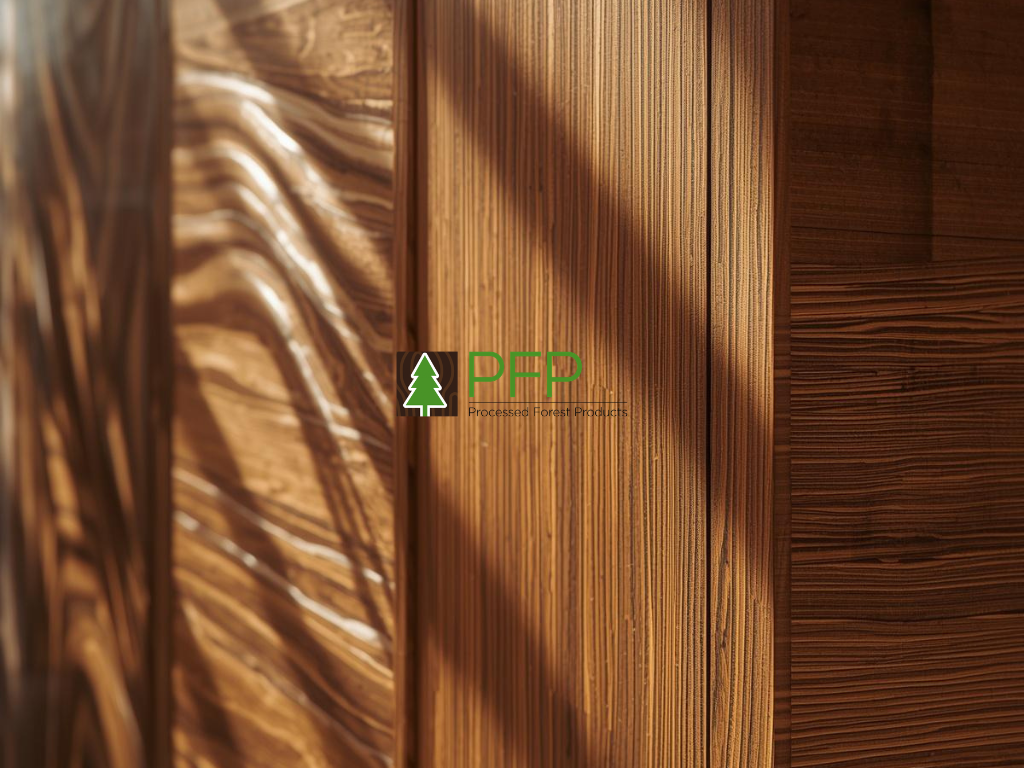
Burl veneer is only one decorative choice. Many projects also compare american oak veneer, wenge veneer, anegre timber, walnut, maple, ash, and other timber finishes.
A good choice depends on the style of the space. It also depends on whether the surface should look bold, calm, dark, light, classic, or modern.
Burl veneer vs american oak veneer
American oak veneer gives a more familiar and often calmer timber look. It can suit kitchens, wardrobes, wall panels, doors, and furniture where the design needs warmth without a strong figure.
Burl veneer creates a more decorative effect. It draws more attention and can become a feature. This makes it suitable for statement joinery, furniture, panels, and selected doors.
Choose american oak veneer when the project needs a flexible and natural timber finish. Choose burl when the surface needs more movement, luxury, and visual impact.
Burl veneer vs wenge veneer and anegre timber
Wenge veneer has a dark and dramatic look. It can suit interiors that need contrast, depth, or a strong architectural feel. It may work well with lighter walls, stone, brass, or simple furniture lines.
Anegre timber is usually lighter and more subtle. It is often used for cabinetry, furniture, plywood, and decorative architectural applications. Anigre, also known as anegre, is commonly sliced and sold as veneer for furniture, cabinetry, and high-end millwork.
Burl veneer sits in a different design space. It is more about figure and pattern. It can suit projects that need a crafted, feature-style surface rather than a plain timber tone.
Choosing the Right Board, Substrate, and Finish
The final result depends on more than the veneer face. The board, backing, adhesive, pressing, finish, and installation all affect performance.
This is why buyers should not choose based on appearance alone. A beautiful veneer still needs the right core and finish for the job.
Match the veneer to the core board
A veneer surface is often pressed onto a board such as MDF, particleboard, plywood, or another suitable substrate. The right choice depends on the project. A cabinet door may need one type of board. A wall panel may need another. A door leaf may need a specific construction.
For larger panels, stability matters. The core should suit the panel size, fixing method, and use area. If the panel may face heat, moisture, or heavy use, ask for technical advice before ordering. Also check whether the project needs raw veneer, pressed panels, or a finished timber panel. Each option changes the work required by the joiner, builder, or manufacturer.
Think about coating, wear, and maintenance
The coating protects the veneer and changes the final look. A clear finish can highlight the grain. A stain can adjust the colour. A matte finish can create a softer look. A glossier finish may feel more formal, but it can show marks more easily.
High-touch areas need more care. Doors, counters, cabinet fronts, and commercial joinery may need a stronger finish than a low-touch wall panel.
Before choosing a coating, think about cleaning, sunlight, fingerprints, dents, and daily use. For commercial projects, also ask about maintenance expectations. The finish should suit how people will use the surface.
Fire Rated Board and Veneer Door Considerations
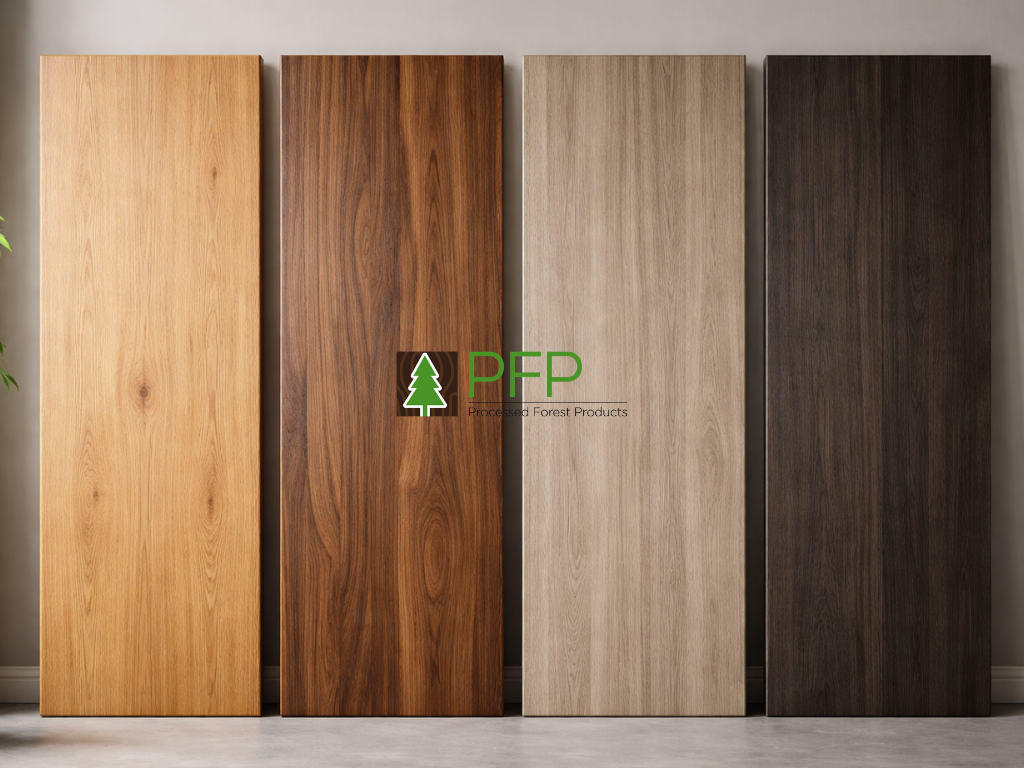
Some projects need more than a decorative finish. They may need fire rated board, approved fire door materials, or a door system that meets a required rating.
This is common in some commercial projects. It can also apply to certain residential projects, depending on the building type and location. Always confirm the requirement with the project certifier, builder, architect, or relevant authority.
When fire rated board may be required
Fire rated board may be required when the design forms part of a fire-rated wall, door, ceiling, or building system. The exact need depends on the project and the approved construction details.
Do not assume that adding veneer to a board makes it suitable for a fire-rated area. The full system matters. This may include the board, adhesive, veneer, coating, frame, seals, hardware, fixing method, and installation.
Fire door assemblies can include several materials and components. These can include timber, steel, gypsum, vermiculite board, glass sections, seals, hardware, and frames. Fire doors also need to meet the listing or testing requirements for the complete assembly.
Choosing fire door materials carefully
commercial and residential fire doors need careful material selection. A veneer door that forms part of a fire-rated system must follow the approved door specification.
This means the decorative veneer should not be chosen on its own. The door core, facing material, edge detail, frame, seals, hinges, closer, latch, and hardware may all affect compliance.
If the project needs a decorative veneer door and a fire rating, speak with the supplier early. Also involve the builder, door manufacturer, or certifier before finalising materials. This helps reduce the risk of choosing a finish that cannot be used in the required system.
How to Choose the Right Product or Supplier
Choosing the right supplier can make the veneer process easier. A good supplier can help you compare species, sheet sizes, panel options, backing, matching, lead times, and finish needs.
This matters even more with burl veneer. Since the grain can vary so much, buyers often need guidance before placing an order.
Ask about availability, matching, and lead times
Start by asking what burl options are available. Then ask about sheet size, backing, matching style, quantity, substrate options, and lead times.
If you need several panels, ask whether the veneer can be selected for a consistent look. For doors or wall panels, matching can affect the whole design. Poor matching may make the final surface look uneven or accidental.
Also ask how the veneer should be handled before pressing or installation. Decorative veneer can need careful storage and handling. This helps protect the face surface and reduce waste.
Get product advice before ordering
For Australian projects, Forest Products can be a useful company to contact when comparing burl veneer and other decorative veneer options. This may include wenge veneer, american oak veneer, anegre timber, veneer door materials, and panel products.
Supplier advice can help you match the veneer to the project. It can also help you understand whether the material suits joinery, doors, wall panels, furniture, or fire-related requirements.
The goal is not just to choose an attractive timber surface. The goal is to select a product that fits the design, build method, finish, budget, and timeline.
When to Contact a Veneer Supplier
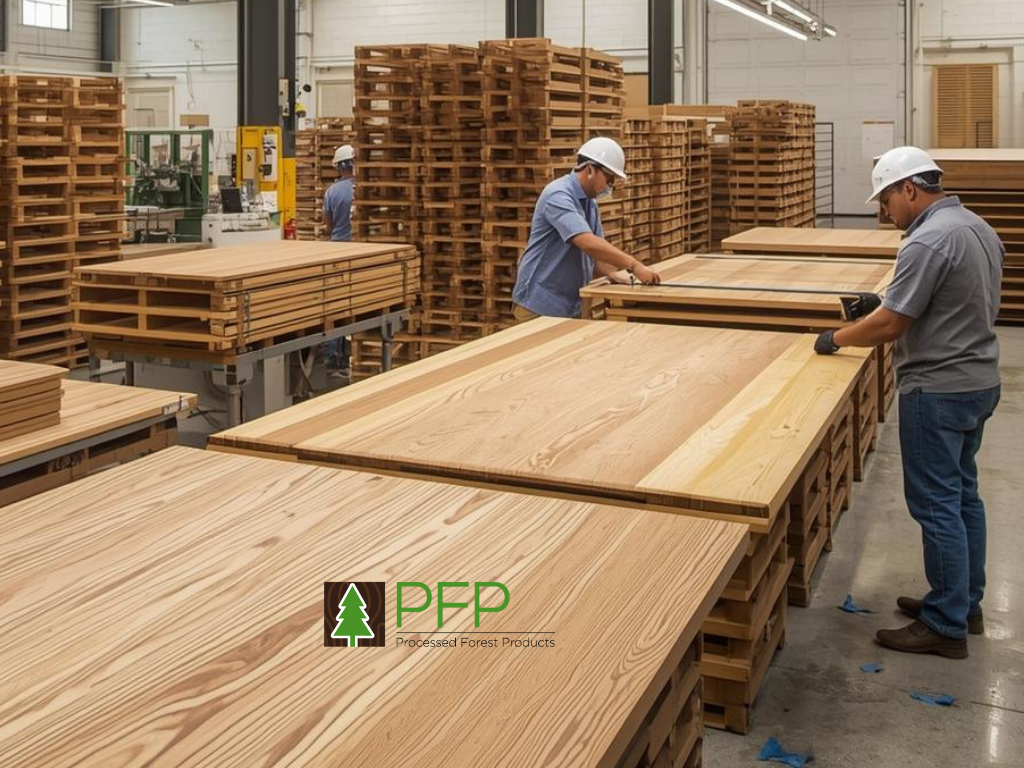
Contact a veneer supplier before the design is fully locked in. Early advice can help with species choice, veneer matching, panel format, lead time, and finish planning.
This is especially important for burl veneer. Its pattern can vary more than simpler straight-grain veneers.
Contact a supplier before finalising design details
Speak with a supplier once you know the basic project details. These may include the project type, surface size, preferred look, number of panels, door requirements, finish type, and timing.
If you work with a designer, builder, cabinet maker, or door manufacturer, include them in the discussion. This helps align the design with the build process.
Early input can also help with budget planning. It allows the team to understand material cost, waste allowance, pressing needs, finishing, and installation steps.
Contact a supplier for door, fire-rated, or custom requirements
You should contact a supplier early if the project involves veneer doors, fire door materials, or commercial and residential fire doors. These projects may need more checks than standard decorative joinery.
Before asking for advice, prepare your key details. Include panel sizes, preferred veneer, quantity, substrate needs, fire-rating requirements, finish goal, and project location.
This helps the supplier give clearer guidance. It also helps you avoid choosing a product that looks right but does not suit the build requirements.
Burl veneer can create a strong and refined finish for interiors, doors, panels, and furniture. It works best when buyers plan the grain, board, finish, and supplier advice together. With the right guidance, it can add real character to both residential and commercial projects.
