

Salumi is a broad term used for Italian cured meats, and it covers far more than salami alone. From prosciutto and mortadella to coppa, pancetta and other regional specialities, salumi offers a wide range of flavours, textures and serving styles. For Australian shoppers, understanding the different types can make it easier to choose the right cured meats for antipasto boards, sandwiches, entertaining or everyday meals.
The variety can seem confusing at first, especially when similar products are labelled differently or when people compare salumi vs charcuterie. The simplest way to understand it is to look at how each product is prepared, what part of the animal is used, and how it is commonly served.
Salumi is an umbrella term for Italian meat products that are preserved through techniques such as curing, salting, drying or cooking. The category includes both whole cuts of meat and products made from minced or ground meat.
Because of this, salumi should not be treated as another word for salami. Salami is one type within the wider category.
How salumi refers to a wide range of Italian cured meats
Traditional salumi can include products made from pork and, in some cases, other meats. The preparation method, seasoning and ageing process can differ significantly between regions and producers.
Some salumi is dry-cured and sliced thinly, while other products are cooked or prepared for a softer texture.
This variety is one of the reasons italian salumi works well across many different meals. Some products are mild and delicate, while others are stronger, saltier or more heavily spiced.
Why salumi is more than just traditional salami
Salami is made from seasoned meat that is typically minced, filled into a casing and cured. Salumi, however, also includes whole-muscle products such as prosciutto and coppa, along with cooked products such as mortadella.
Understanding this distinction makes it easier to recognise why salumi meat can vary so much in appearance and texture.
For shoppers comparing different salumis, the important thing is to look beyond the name and consider how each product is made and how you plan to serve it.
Explore the Most Popular Types of Salumi
There are many types of salumi, but a small number appear regularly in Australian delis, butcher shops and antipasto platters.
Learning the basic differences between them can make choosing easier and help you build a more balanced selection.
How salumi includes prosciutto, mortadella, coppa and more
Prosciutto is usually made from the hind leg of pork and is commonly served in very thin slices.
Mortadella is a cooked product with a softer texture and mild flavour, while coppa is made from pork neck or shoulder and generally has a richer, more concentrated taste.
Pancetta is cured pork belly and may be served sliced or used as an ingredient in cooked dishes.
Salami is another familiar part of salumi and can vary widely in flavour depending on the seasoning, grind and curing process.
Which types of salumi offer different flavours and textures
Different types of salumi italian can range from delicate and mild to bold, spicy and intensely savoury.
Prosciutto is often soft and slightly sweet, while coppa tends to be firmer and more robust. Mortadella has a smooth texture, while dry salami usually has more chew and a stronger cured flavour.
The best salumi selection for a platter often includes contrast. Combining a mild product with something richer or more strongly seasoned can create a more interesting eating experience.
Understand the Difference Between Salumi and Salami
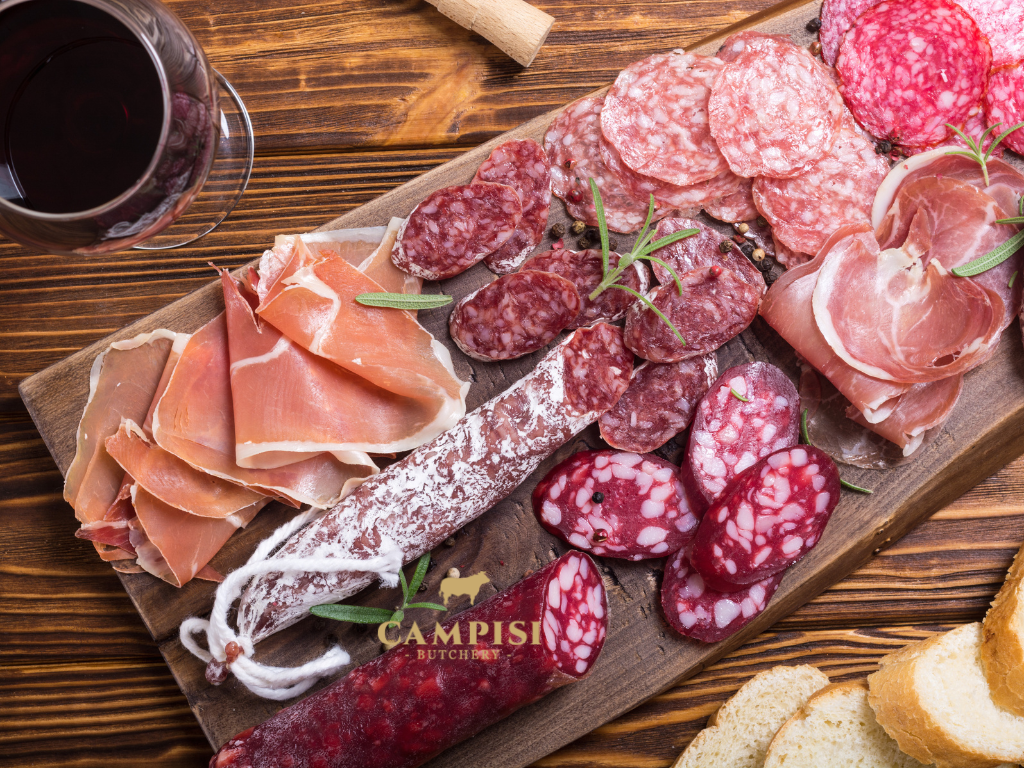
The terms are often confused because they sound similar, but they do not mean the same thing.
Salumi is the broader category, while salami is one specific type of cured meat within it.
How salumi describes the broader category of cured meats
When people talk about salumi, they may be referring to prosciutto, mortadella, pancetta, coppa, salami and other Italian-style meat products.
This broader definition is useful when shopping because it helps explain why a deli counter may group many different products together under one category.
Salumi can include whole cuts, minced products, cooked meats and dry-cured products.
Why salumi meat can include whole-muscle and ground products
Some salumi meat begins as a whole cut, such as a pork leg used for prosciutto or neck meat used for coppa.
Other products are made from minced or ground meat that is seasoned before curing.
This difference affects texture, slicing and flavour.
Whole-muscle products often show visible grain and marbling, while ground products such as salami usually have a more uniform structure.
Understanding this distinction can make it easier to choose salumi for different uses.
Compare Salumi vs Charcuterie
The comparison between salumi vs charcuterie comes up often because both terms are associated with cured and preserved meats.
They overlap in many ways, but they come from different culinary traditions.
How salumi vs charcuterie differs by tradition and preparation
Salumi is rooted in Italian food culture, while charcuterie is associated with French culinary tradition.
Both can include cured, cooked or preserved meat products, but the terminology and individual products differ.
Italian salumi may include prosciutto, mortadella and coppa, while charcuterie may include pâtés, terrines, sausages and cured meats.
The exact preparation varies depending on the product, so the distinction is more about culinary tradition than a strict difference in preservation method.
Where salumi and French-style charcuterie can overlap
In modern Australian entertaining, the categories often appear together on shared platters.
A board may include salumi alongside cheese, pâté, pickles, bread and condiments, even if those elements come from different culinary traditions.
For most home cooks, the practical difference is less important than choosing products that work well together.
Salumi can easily form the centre of a broader charcuterie-style board if the flavours are balanced.
Learn How Italian Salumi Is Commonly Served
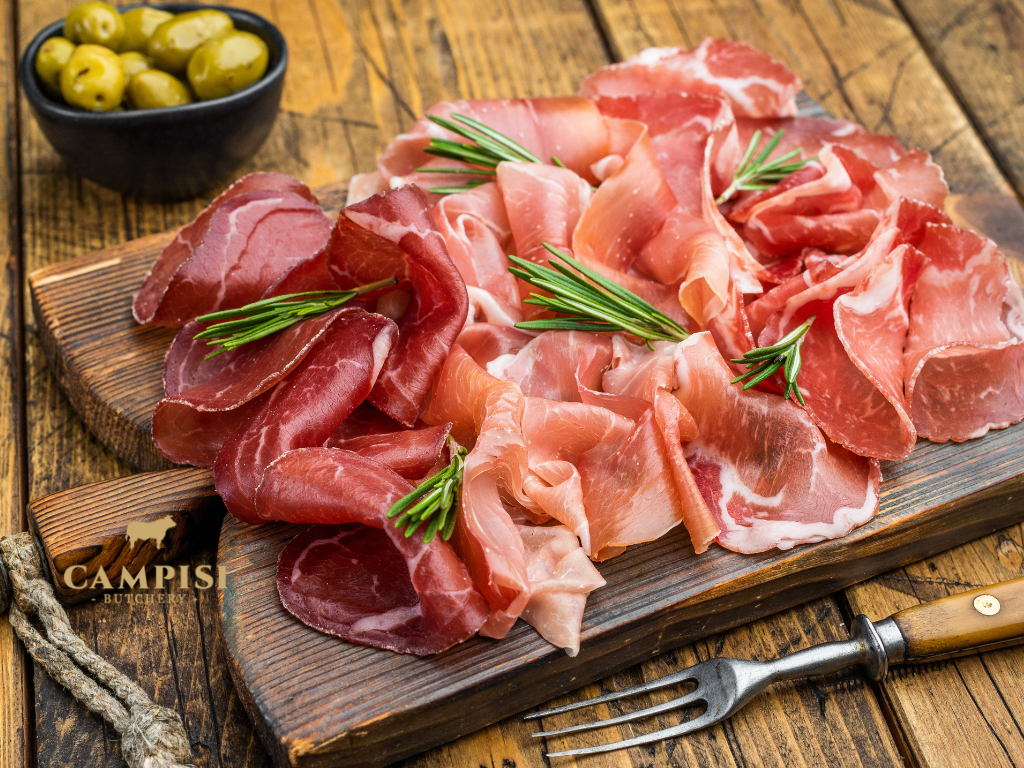
Salumi is versatile and does not need complicated preparation.
Many products are designed to be sliced and served as they are, making them suitable for quick meals, antipasto platters and entertaining.
How salumi works on antipasto boards and grazing platters
An antipasto board often combines salumi with cheese, olives, bread, crackers, pickled vegetables and spreads.
The aim is to create contrast rather than fill the board with too many similar products.
A lighter prosciutto can work well beside a stronger salami, while mortadella can add a softer and milder element.
Salumi is also easier to enjoy when it is sliced appropriately. Thin slicing works well for many whole-muscle cured meats because it makes the texture more delicate and easier to eat.
Why italian salumi pairs well with cheese, bread and olives
Italian salumi naturally pairs with foods that balance saltiness and richness.
Fresh bread, focaccia and crisp crackers provide texture, while cheese can add creaminess or sharpness depending on the variety.
Olives, pickled vegetables and fresh fruit can help cut through richer flavours.
When building a platter, it is useful to think about balance rather than trying to include every available product.
Choose Salumi for Different Occasions
The right salumi depends on how you plan to serve it.
A casual lunch may only need one or two products, while entertaining may call for a wider selection.
How salumi can suit casual meals, entertaining and special events
For everyday meals, salumi can be added to sandwiches, panini, focaccia or simple platters.
For entertaining, a larger selection can create variety without requiring additional cooking.
Salumi also works well as a starter before a main meal because it can be prepared in advance and served at room temperature.
This makes it useful for family gatherings and special occasions where timing matters.
What to consider when choosing the best salumi for your menu
The best salumi for a meal depends on flavour, texture and what else is being served.
If the rest of the menu is rich, a lighter product may work better. If the platter contains mostly mild ingredients, a more strongly flavoured salami or coppa can add contrast.
It is also worth considering how much salumi you actually need. A butcher or deli can help with quantities based on whether the cured meats are being served as a starter, part of a platter or a larger part of the meal.
Buy and Store Salumi With Confidence
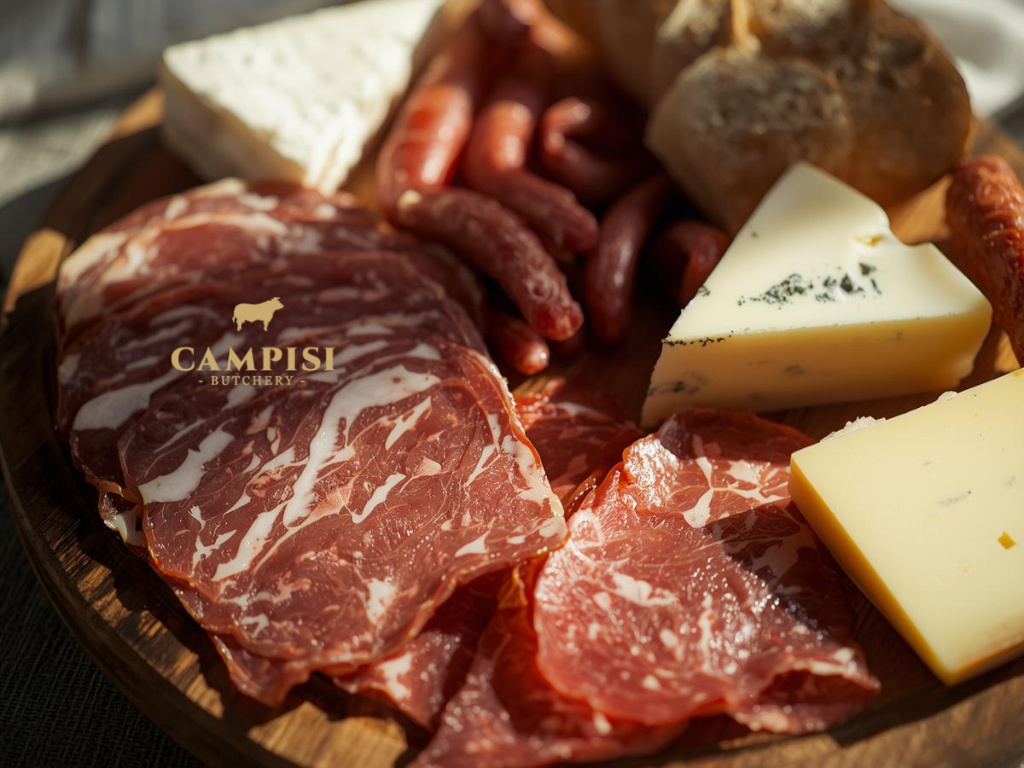
Quality, slicing and storage all affect how salumi tastes once it reaches the table.
Buying from a retailer that can explain the product can be useful, especially if you are unfamiliar with the range.
How salumi should be selected for flavour, freshness and slicing
When buying salumi, ask about flavour intensity, texture and how the product is usually served.
Freshly sliced salumi can be particularly useful when you want the thickness adjusted for a specific purpose.
For example, prosciutto is usually best very thin, while some salamis can be served slightly thicker.
Campisi Butchery can assist Sydney customers looking for italian salumi, salumi meat and cured meats for antipasto, sandwiches or entertaining.
Why understanding salumis and storage helps maintain quality
Different salumis can have different storage needs depending on whether they are whole, sliced or packaged.
Once sliced, cured meats generally benefit from proper refrigeration and careful wrapping to reduce drying.
It is also useful to buy an amount that you are likely to use within a reasonable period rather than leaving sliced products stored for too long.
If you are unsure how to store a particular product, ask the retailer for guidance based on how it has been prepared and packaged.
Salumi can be simple to enjoy once you understand the main categories. Whether you are choosing prosciutto, mortadella, coppa, pancetta or salami, knowing the differences can make it easier to build an antipasto platter, prepare a quick meal or select cured meats for entertaining.
