Bathroom equipment can solve very different problems.
Some people simply want a softer toilet surface. In that situation, a soft toilet seat cushion may be enough. Others find it hard to lower themselves onto the toilet, stand again, keep their balance or move safely through the bathroom.
Those problems need a different approach.
An occupational therapist can look at how a person completes everyday tasks. This can include toileting, showering and moving around the bathroom. Occupational Therapy Australia recognises assistive technology and home modifications as established areas of occupational therapy practice.
Australian aged care guidance also takes a needs-based approach. Under the Support at Home Assistive Technology and Home Modifications scheme, equipment should meet the person’s assessed needs and be safe and fit for purpose. A prescription from a suitably qualified health professional may also be required for some items.
The important question is therefore not simply, “Which bathroom product should I buy?”
A better question is, “What problem am I trying to solve?”
Separate seat comfort from mobility problems
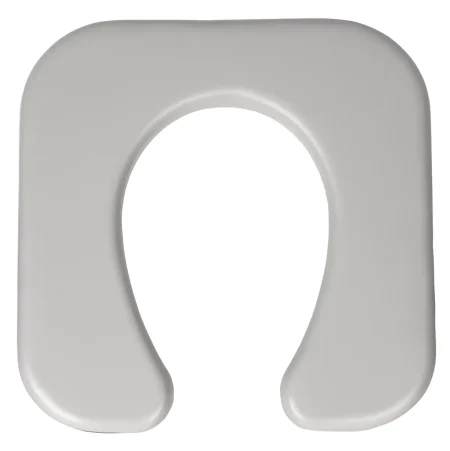
A soft toilet seat cushion is mainly a comfort product.
It may suit someone who can already use the toilet safely but finds a firm seat uncomfortable. Similar products may also be described as a toilet seat pillow, soft toilet seat, cushioned toilet seat or cushion toilet seat.
Australian Health Care, for example, currently sells a padded toilet seat cushion within its bathroom equipment range. It also sells a separate soft toilet seat riser designed to add height. These are different products for different needs.
That distinction matters.
Padding changes the sitting surface. A raised toilet product changes the height of the toilet. Grab rails and support frames serve another purpose again.
If the person mainly wants more comfort, a cushion may be worth considering.
However, extra padding does not necessarily solve difficulty standing up. It also does not correct poor balance, limited strength or an unsafe bathroom layout.
If those are the real concerns, buying a thicker cushion without assessing the wider problem may not provide the support the person needs.
Look for changes in everyday bathroom use
Pay attention to how the person uses the bathroom.
Someone who previously used the toilet independently may begin pushing heavily on a vanity or wall when standing. They may need another person to help them lower onto the seat. They might also become nervous about using the shower.
These changes can be more important than the product itself.
Healthdirect recommends measures such as suitable handrails and shower seating as part of reducing fall risks around the home. It also notes that bathrooms and showers can present slipping risks.
A change in confidence deserves attention as well.
People sometimes reduce their activity after becoming worried about falling. This can affect independence and daily routines.
An occupational therapist may be useful when you cannot clearly separate a comfort problem from a mobility or safety problem.
What Can an Occupational Therapist Assess in the Bathroom
An occupational therapist does more than recommend a product from a catalogue.
The assessment can consider the person, the task and the environment together.
For example, the therapist may look at how the person approaches the toilet. They can consider whether sitting and standing are difficult and whether the person needs support from nearby surfaces.
The bathroom layout matters too.
A narrow toilet area may limit which frames or seats can fit. A shower step can create a different issue from a toilet that feels too low.
Occupational Therapy Australia provides specific professional frameworks for therapists working with assistive technology and home modifications. It also provides training in bathroom modification assessment and design.
This person-centred approach can be useful when several issues are happening at once.
Instead of buying one product after another, the assessment can help identify which part of the routine needs support.
Match equipment to the person and the home
The same piece of bathroom medical equipment will not suit every person.
Height, strength, balance, reach and mobility can all affect product choice. Bathroom dimensions and existing fixtures can also influence what will work safely.
This is one reason professional advice becomes more valuable as equipment becomes more complex.
The NDIS currently distinguishes between lower-risk assistive technology and higher-risk equipment. Its guidance lists some simple bathing and toileting supports as lower risk, while complex bathing and toileting devices may require written advice.
For older Australians using Support at Home, assistive technology must also relate to assessed clinical needs in the support plan.
That does not mean every bathroom purchase needs an occupational therapist.
It means the level of assessment should match the level of need and risk.
When Can a soft toilet seat cushion Be a Simple Option
Use cushioning when comfort is the main concern
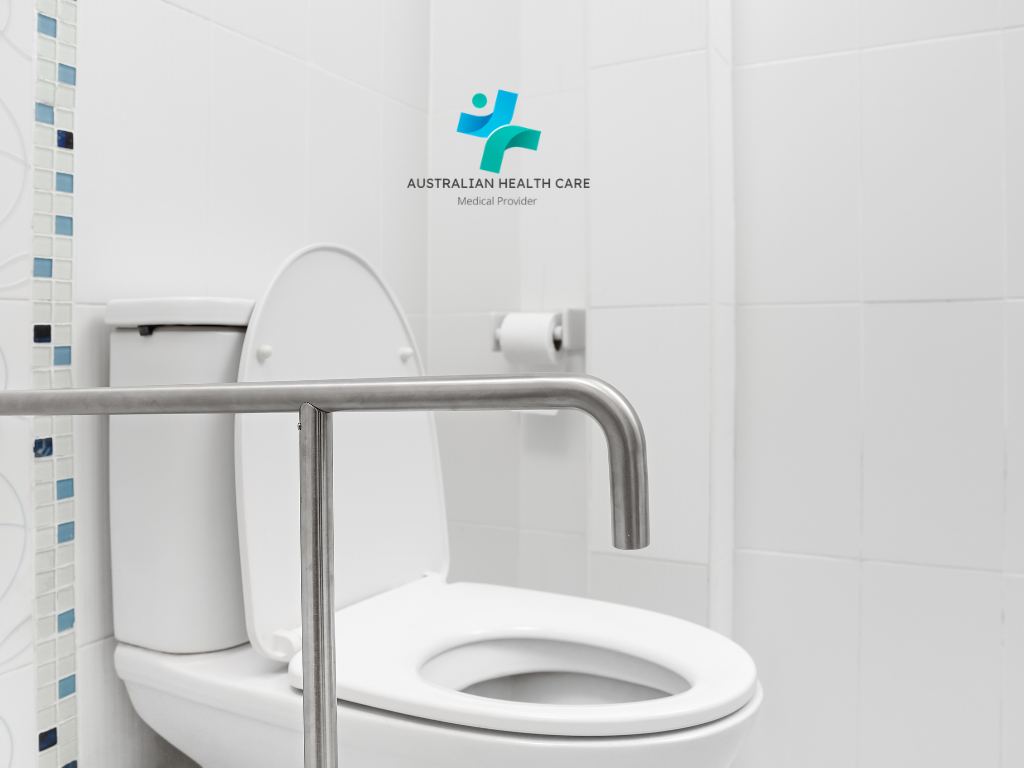
A soft toilet seat cushion can be a straightforward option when the person can already sit and stand safely.
The main goal in that case is comfort rather than mobility assistance.
Before buying, confirm what the product actually does.
A padded seat and a raised toilet seat are not interchangeable.
Australian Health Care currently lists both types separately. Its padded toilet seat cushion is marketed as a comfort product, while its soft toilet seat riser adds 10 cm of height for people who have difficulty sitting down or getting up.
That is a useful comparison to make when shopping.
If the user says, “The seat feels uncomfortable,” cushioning may address the stated problem.
If the user says, “I cannot get back up easily,” height, support or transfer assistance may need more attention.
Start with the problem rather than the product name.
Check fit stability and cleaning before buying
Even a simple comfort product should suit the toilet.
Check the dimensions and attachment method before ordering. Review whether the product is intended to fit your toilet shape and seat arrangement.
Stability also matters.
A cushion that shifts during use may be unsuitable for someone who already has balance or transfer difficulties.
Cleaning requirements should also fit the household routine.
Australian Health Care describes its current padded toilet seat cushion as having a water-resistant surface and an attachment system intended to hold the cushion in place. Buyers should still check the current product specifications and instructions before purchase.
If the person has significant mobility problems, do not rely on padding alone simply because the product fits.
That is the point where a broader assessment may be more helpful.
When Should You Consider Other Bathroom Medical Equipment
Difficulty transferring on and off the toilet may require a different product category.
Options can include raised toilet seats, toilet surrounds, commode chairs or support frames. The suitable choice depends on the individual situation.
Australian Health Care currently lists raised seats, toilet support frames, shower chairs, commodes and related bathroom medical equipment.
Australian Government aged care guidance also recognises toileting supports and bathing equipment within the Support at Home assistive technology framework. Examples include commodes and shower chairs.
However, the existence of these products does not mean the buyer should choose one without considering the person’s needs.
If standing is difficult because of weakness, balance or pain, several products may appear to solve the same problem.
An occupational therapist can help work out which option fits the transfer method and bathroom layout.
Consider medical bench seats for bathing and shower routines
Toileting may not be the only difficult bathroom activity.
Standing through an entire shower can become tiring for some people. Others may feel unsteady when stepping into a wet area.
Shower chairs, stools and medical bench seats can provide seated options, depending on the bathroom and the user’s needs.
Australian Health Care currently carries shower stools, shower chairs and bath transfer benches within its bathroom medical equipment range.
Healthdirect also identifies shower seating and handrails as possible measures for improving bathroom safety for people at risk of falls.
The correct seat depends on more than whether it physically fits inside the shower.
Consider how the person gets onto it, whether arms or back support are needed and whether another person assists with bathing.
Those questions can make professional assessment worthwhile.
When Are Grab Bars or Other Safety Supports Worth Discussing
Understand when extra support may be needed
People often create their own support points without realising it.
They may pull on a towel rail, push against the basin or hold the wall when standing.
That behaviour can be a sign that additional support needs to be assessed.
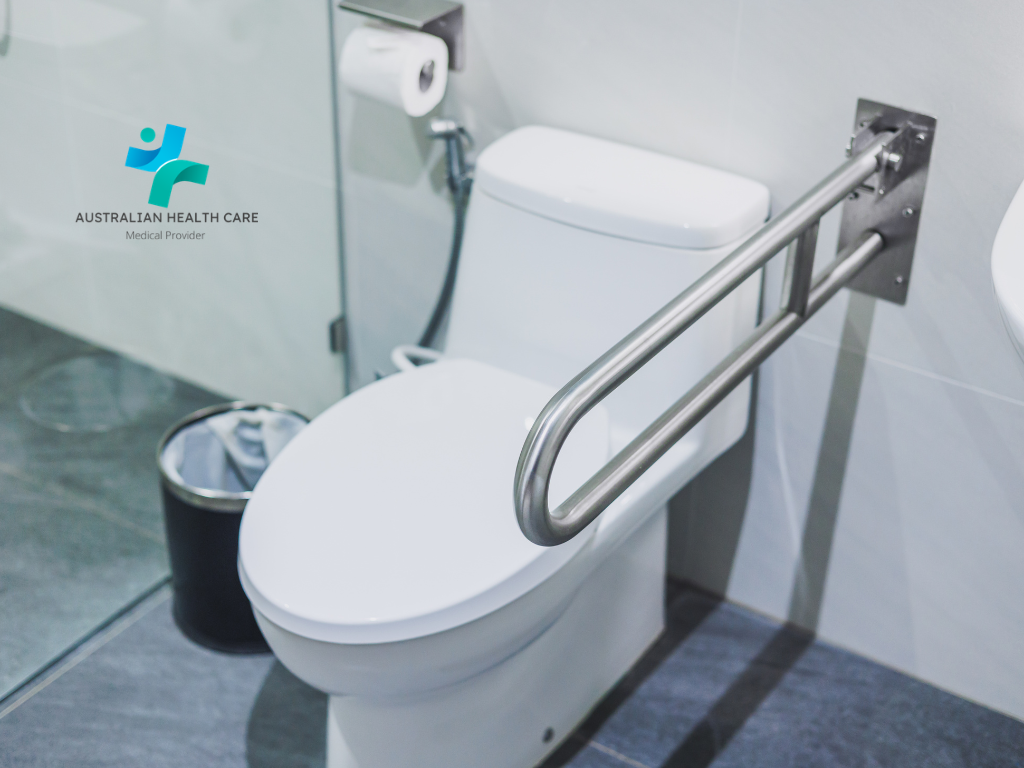
Purpose-designed grab rails are different from ordinary bathroom fittings.
Healthdirect recommends considering handrails in bathrooms and showers as part of reducing household fall risks.
However, placement matters.
A grab bar that is useful for one person may be poorly positioned for another. The person’s reach, transfer direction and bathroom layout can all affect where support is most useful.
Avoid choosing a location simply because there is an empty section of wall.
Know what to ask a handicap safety grab bar supplier
If you are searching for a handicap safety grab bar supplier, begin by asking about the product rather than assuming where it should go.
Find out how the rail mounts and what type of surface it requires.
Ask whether professional installation is recommended. If the person has significant balance or transfer problems, consider obtaining occupational therapy advice about placement before installation.
Australian Health Care currently sells fixed bathroom safety grab bars as well as other bathroom-support products.
When comparing suppliers, look beyond appearance.
The key questions are whether the product suits the intended task, whether it can be installed appropriately and whether the person can actually reach and use it safely.
Complex home modifications deserve even more care.
Occupational Therapy Australia specifically recognises bathroom modification design and environmental modification assessment as areas requiring professional skill.
How to Choose Between a Comfort Product and Professional Assessment
Not every bathroom purchase needs a clinical assessment.
If the person uses the toilet independently and only wants a softer sitting surface, a soft toilet seat cushion may be a reasonable product to compare.
Start with practical questions.
Does the cushion fit the existing toilet? Can it attach securely? Can the user clean it easily? Does the extra padding affect how comfortably they sit?
A supplier such as Australian Health Care can provide product information about its current padded toilet seat cushion, toilet risers and wider bathroom range.
The NDIS also recommends seeking advice when using assistive technology for the first time, even for some low-cost items, so the equipment is suitable for the individual.
This does not mean making a simple purchase unnecessarily complicated.
It means asking for more guidance when you are unsure whether the product fits the actual need.
Seek assessment when mobility balance or transfers are changing
Professional assessment becomes more useful when the problem is no longer just comfort.
Consider occupational therapy advice when the person has increasing trouble standing from the toilet, needs physical help from another person or regularly reaches for nearby surfaces.
Recent falls or growing fear of falling also deserve attention.
You may also benefit from assessment when you are considering several products at once.
For example, buying a toilet cushion, raised seat, grab rail and shower bench separately can become expensive. Some of those items may not work well together.
An assessment can help prioritise the equipment that addresses the most important needs first.
Current Australian Government guidance for Support at Home reflects this principle. Assistive technology should address assessed needs and be safe and fit for purpose.
When Should You Contact a Bathroom Equipment Supplier or Occupational Therapist
Contact a supplier when you need help comparing product options
A bathroom equipment supplier can help with product-specific information.
This includes dimensions, materials, cleaning instructions, available sizes and compatibility.
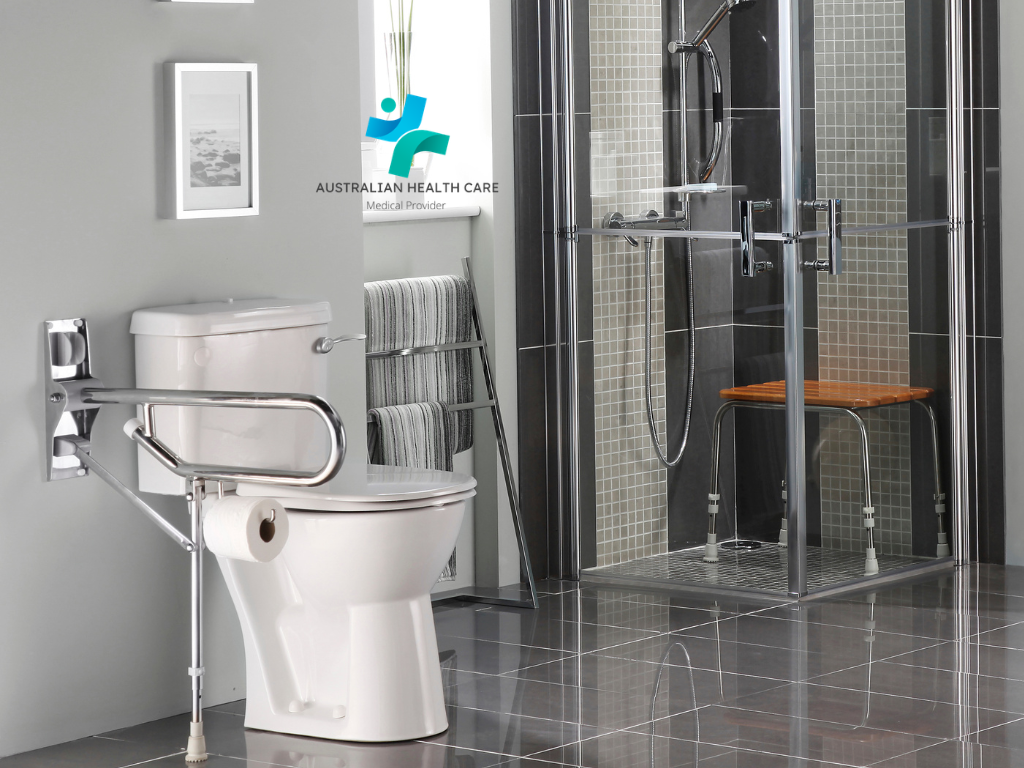
For example, Australian Health Care currently stocks a padded toilet seat cushion, soft toilet seat riser, toilet support products, grab bars and shower seating.
When contacting a supplier, describe the problem clearly.
Do not simply ask for the most comfortable or most supportive product.
Explain whether the person mainly needs cushioning, extra toilet height, help standing or support during showering.
The clearer the need, the easier it becomes to compare relevant products.
Supplier advice should also stay within the supplier’s role. If the question becomes about falls, changing mobility or the safest transfer method, clinical advice may be more appropriate.
Contact an occupational therapist when the right solution is unclear
An occupational therapist may be useful when you cannot confidently identify the cause of the bathroom difficulty.
They can consider the person’s functional needs along with the home environment and available equipment. Occupational Therapy Australia maintains professional frameworks covering both assistive technology and environmental modifications.
For older people receiving Support at Home, formal aged care assessment can also identify eligibility for assistive technology or home-modification funding.
The key distinction is simple.
A toilet seat pillow or cushioned toilet seat can address a clear comfort need. It should not automatically be treated as the solution to balance, transfer or mobility problems.
When those problems start changing how someone uses the bathroom, it makes sense to understand the cause before buying more equipment.
That approach can help families choose bathroom support based on the person’s real needs rather than trialling one product after another.