

A finished sheet metal component can look simple, but producing it may involve several carefully planned stages. A flat sheet might need to be designed, cut, punched, bent, joined, fitted with hardware and finished before it is ready for installation or assembly.
That is why cnc sheet metal fabrication should be viewed as a complete manufacturing process rather than a single machine operation. The exact production path depends on what is being made, the material being used, the required tolerances, the number of parts and how the finished component will be used.
For someone comparing fabrication services, understanding these stages makes it easier to prepare drawings, ask better questions and choose a supplier with the capabilities the project actually requires.
From a Flat Sheet to a Usable Component
Most fabrication projects begin with a design and a flat sheet of metal. The material then moves through the processes needed to turn that design into a functional component.
For a simple panel, this may involve cutting the outside profile and producing several holes. A bracket may need cutting followed by bending. A cabinet or enclosure may require cutting, punching, several folds, fastener insertion, welding and a final surface treatment.
This is why two parts made from the same material can follow very different production routes. The shape shown on the drawing, not simply the material itself, determines much of the manufacturing work.
The fabricator therefore needs to consider the whole component before production begins. Cutting a flat profile correctly is important, but the locations of bends, holes, tabs and joining points also need to work during the later stages.
Why the Order of Operations Matters
Fabrication processes usually need to happen in a logical sequence.
For example, holes and slots are often created while the sheet is still flat because they may become more difficult to produce once several bends have been formed. Bending normally takes place after the main flat profile has been produced, while welding and assembly happen after individual parts have reached the required shape.
The correct order can also reduce unnecessary handling. If a component requires cutting, bending and welding, planning these operations together is usually more practical than treating each one as a completely separate job.
This becomes particularly important for high-precision sheet metal parts. A small change early in production can affect whether holes line up, panels fit together or finished assemblies meet the dimensions shown on the drawing.
CAD Preparation Sets Up the Manufacturing Process
Before a machine begins cutting or punching, the fabricator needs accurate information about the part.
A CAD drawing helps define its dimensions, external shape, holes, slots, cut-outs and other features. Depending on the supplier and production process, files such as DXF or other CAD formats may be used to transfer that geometry into manufacturing systems.
However, a drawing needs more than an outline. The fabricator also needs to understand which dimensions are critical, where bends will occur and how the finished component is expected to function.
For example, a panel that bolts onto existing machinery may have several hole positions that must align with another part. An enclosure may need doors, fasteners or internal components to fit correctly after bending. These details should be identified before production starts rather than discovered during assembly.
Material and Thickness Must Be Confirmed Early
Material choice is another important part of production planning.
Mild steel, stainless steel and aluminium have different properties and may require different cutting, punching and bending approaches. Sheet thickness also affects the tooling, forming method and feature sizes that can be produced practically.
If a project calls for cnc stainless steel components, the supplier should know the required stainless grade where possible, along with thickness, finish and quantity. The phrase cnc stainless steel can cover many different parts, so these specifications are far more useful than the material name alone.
A clear drawing combined with accurate material details gives the fabricator a better basis for planning the job. It can also help identify potential manufacturing problems while design changes are still relatively easy to make.
Cutting and Punching Create the Flat Metal Parts
Where cnc cutting services Fit into Production
Once the design and material have been confirmed, the required components can be produced from flat sheet.
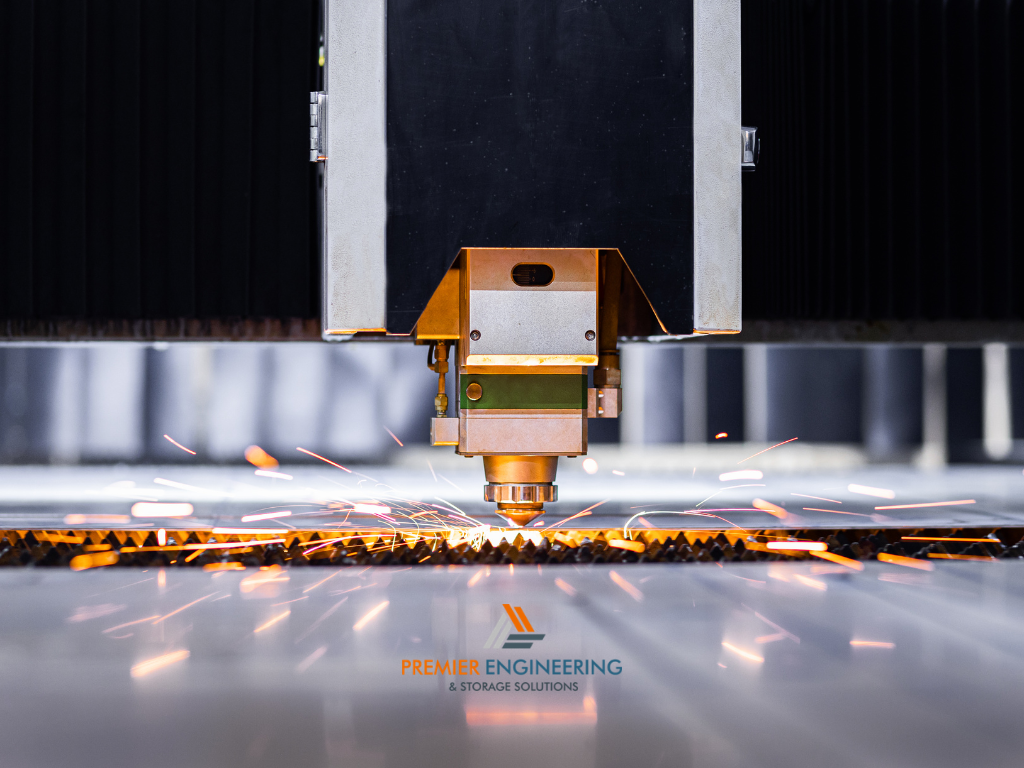
cnc cutting services use computer-controlled equipment to reproduce the programmed geometry. Depending on the fabrication business, the available processes may include laser cutting or other CNC-controlled equipment suited to the material and part design.
Cutting can create the outside shape of a component as well as internal openings and other features. It is especially useful where the design contains custom profiles rather than simple straight-edged blanks.
The choice of process should depend on the actual job. Material type, sheet thickness, quantity, feature detail, edge requirements and any later fabrication stages can all influence which method is appropriate.
This means choosing a supplier based simply on whether it owns an industrial steel cutting machine does not tell you enough. What matters is whether the available machine and production process suit the drawings you need manufactured.
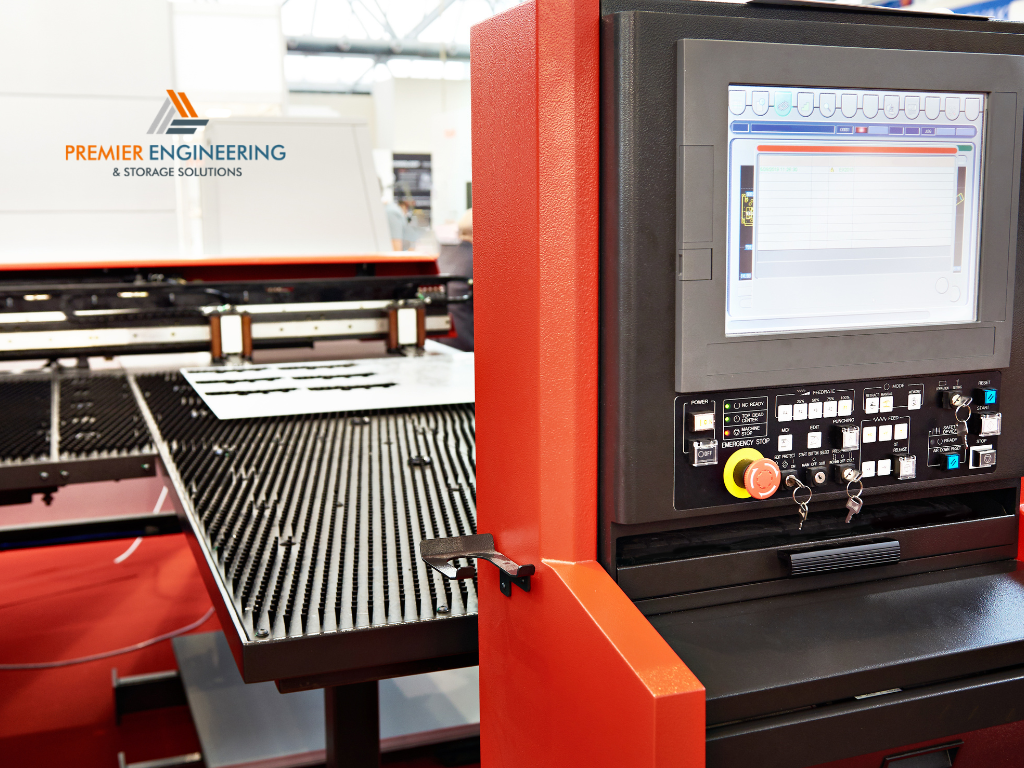
When a cnc punching service Makes Sense
Punching is another common way to process flat sheet metal.
A cnc punching service uses programmed tooling to create features in the sheet. These can include holes, slots and repeated shapes, depending on the machine, tooling and component design. Premier Engineering describes CNC punching as part of the sheet metal manufacturing process and currently offers turret punching alongside its other fabrication capabilities.
Metal punching services can be particularly relevant when a part contains many repeated features. Examples might include ventilation patterns in an enclosure, mounting holes in a panel or repeated openings across a production batch.
However, punching and laser cutting should not be treated as interchangeable for every job. The most suitable method depends on geometry, tooling requirements, quantities and the other processes needed after the flat part is produced.
A useful supplier should therefore assess the drawing before recommending one process over another.
Bending Turns Flat Sheet into Three-Dimensional Parts
After cutting or punching, many components are still completely flat. Bending gives them their three-dimensional form.
A metal bending press uses tooling to form the sheet at planned bend lines. This can create straightforward angles as well as channels, brackets, covers, boxes and more complex folded parts.
The drawing needs to account for the fact that metal does not simply fold like paper. Material thickness, bend radius, tooling and the properties of the metal all affect the finished geometry.
This is especially important when a component contains several bends. Each bend needs to work with the others so that the final dimensions remain suitable for assembly.
A fabricated enclosure, for instance, may need several sides folded while still maintaining the correct opening for a door or cover. If bend positions are wrong, even accurate cutting at the beginning of production may not produce a usable finished part.
Good Bend Design Starts Before the Press Brake
Hole and slot placement should also be considered before bending begins.
Features positioned very close to a bend may behave differently during forming, depending on the material, thickness and tooling. A fabricator may therefore review the drawing before production and suggest practical changes where necessary.
The same principle applies to very short flanges, closely spaced bends or shapes that may interfere with the available tooling.
This does not mean every design needs to be simplified. It means the component should be designed with the manufacturing method in mind.
For buyers comparing suppliers, asking whether design or production support is available can be useful when the part contains multiple folds, tight fits or unusual geometry. It is better to resolve these questions before material has been cut.
Welding, Fasteners and Finishing Complete the Part
Joining Components and Adding Permanent Hardware
Some sheet metal parts leave the bending stage ready for use. Others become part of a larger assembly.
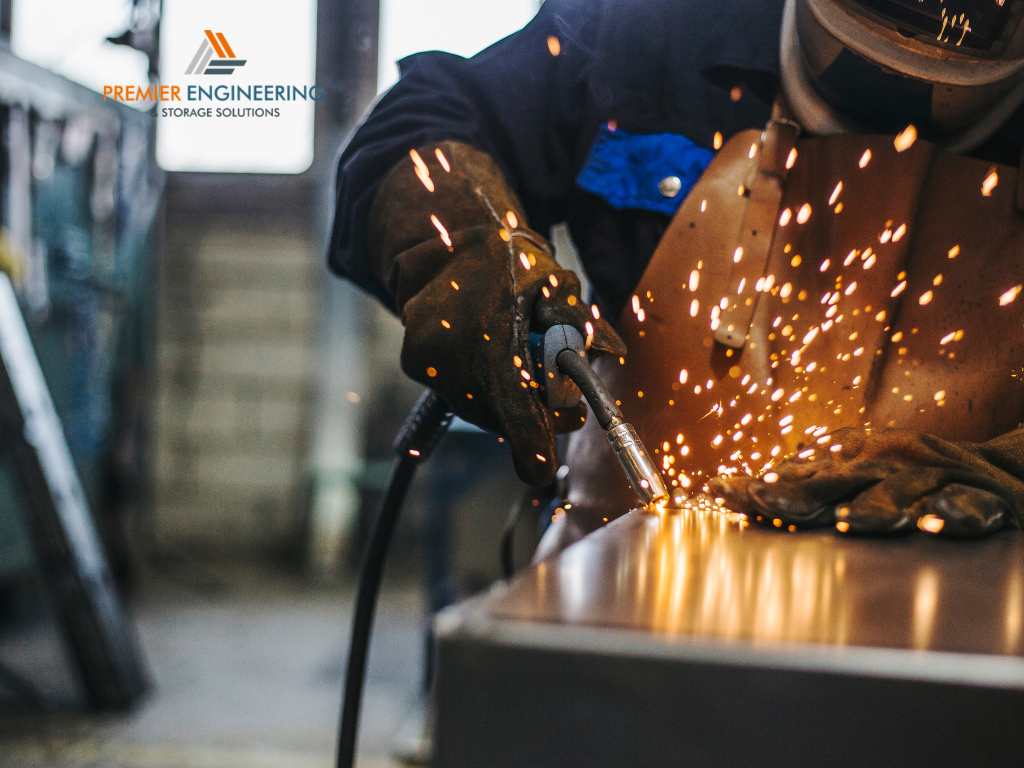
Welding can be used where separate fabricated pieces need to be joined into a finished structure. Depending on the project, this might apply to frames, cabinets, housings, brackets or other assemblies.
The design should therefore make clear which parts will be joined and where those connections need to occur. Weld locations can influence accessibility, appearance and later finishing, so they should be considered during the design stage rather than added as an afterthought.
Fastener insertion can also be part of the production sequence. Hardware may be incorporated into sheet metal so that another panel, component or fitting can be attached during later assembly.
Premier Engineering currently lists welding and fastener insertion among its sheet metal manufacturing capabilities, alongside cutting, CNC punching and bending.
Finishing Depends on Where the Part Will Be Used
The manufacturing process does not always end once the shape is complete.
A component may also require a surface finish for appearance, corrosion protection or its intended application. The appropriate option depends on the material and project specification.
For this reason, finishing requirements should ideally be discussed before fabrication begins. Areas that need electrical contact, threaded features, mating surfaces or particular cosmetic requirements may need to be considered during production planning.
Premier Engineering currently lists powder coating as well as plating, anodising and galvanising among its available manufacturing capabilities, with some finishing processes handled through subcontractors.
Knowing the final finish early helps the supplier consider the component as a finished product rather than only as a piece of cut and bent metal.
How Do You Choose the Right Fabrication Services?
The right fabrication service depends on what the finished component must do.
A flat mounting plate may require only cnc cutting services. A ventilation panel may be suitable for a cnc punching service. A bracket could require cutting and bending, while an equipment enclosure might move through cutting, punching, bending, fastener insertion, welding and finishing.
Instead of starting with a preferred machine, start with the finished part.
Look at the material and thickness first. Then consider the shapes that need to be cut, the number and type of holes, whether the part contains bends, whether several pieces must be joined and whether a final surface treatment is required.
Quantity matters as well. A prototype, small batch and recurring production order may require different production planning even when the drawing itself remains the same.
This approach gives suppliers enough freedom to recommend a suitable manufacturing route instead of forcing a project through a process simply because the buyer initially asked for it.
Look Beyond a Single Cutting Capability
When comparing sheet metal suppliers in Sydney or Western Sydney, check whether the company can support the combination of processes your component actually needs.
This can be particularly useful for jobs that move through several operations. Keeping more stages within a coordinated fabrication workflow may make communication easier because the supplier can consider how one process affects the next.
Premier Engineering is based in south-western Sydney and currently lists design, prototyping, CNC punching, laser cutting, press brake bending, fastener insertion, welding, finishing and machining among its manufacturing capabilities.
That makes the company naturally relevant to compare when a project requires more than one sheet metal operation. However, buyers should still confirm whether the company’s available equipment, material capacity, tolerances and finishing options suit their exact drawings before placing an order.
The goal is not to find the supplier with the longest list of machines. It is to find the one whose manufacturing capabilities match the part you need produced.
When Should You Contact a CNC Sheet Metal Fabrication Company?
Contact a Fabricator Early When the Design Is Complex
A straightforward flat component with a complete production drawing may be easy to quote.
Earlier contact becomes more useful when the project contains several bends, close-fitting assemblies, repeated hole patterns, unusual materials, tight tolerances or several manufacturing stages.
You should also consider speaking with a fabricator before finalising the drawing if you are uncertain about material thickness, bend design, cutting method or whether punching is suitable for the required features.
This can be especially valuable during prototyping. A prototype gives the design team an opportunity to assess fit, shape and manufacturing practicality before committing to a larger production quantity.
Premier Engineering currently identifies design and prototyping as part of its manufacturing capabilities, so it may be relevant where a Sydney project needs fabrication input before moving into regular production.
Provide Enough Information for a Useful Quote
When you are ready to contact a fabricator, provide enough information for the business to assess the whole job.
Start with a clear drawing or CAD file where available. Identify the material, grade if known, thickness and quantity. Explain which dimensions or tolerances are important and whether the component requires bending, welding, fasteners, machining or finishing after cutting.
If the part belongs to a larger assembly, explaining its purpose can also help. The fabricator then has context for features that may otherwise appear unimportant on the drawing.
Premier Engineering’s current quote form asks customers for information including quantity, material, size and uploaded project files, reflecting the type of basic project information needed before a fabrication job can be properly assessed.
Ultimately, cnc sheet metal fabrication works best when the entire production journey is considered from the beginning. CAD preparation, cutting, Metal punching services, bending, joining, fastener insertion and finishing are not isolated steps. They work together to turn a flat sheet into a part that fits its intended use.
Understanding that process also makes supplier comparison easier. Instead of asking only what machinery a company owns, you can ask whether it can take your particular design through the processes needed to produce the finished component.
