

A chainsaw can handle demanding cutting work, but its performance depends heavily on how well it is maintained. A few simple checks before and after use can help you notice worn parts, incorrect chain tension, poor lubrication or other issues before they become bigger problems.
Whether you use a chainsaw occasionally for garden clean-ups or more regularly for cutting timber and firewood, maintenance should become part of your normal routine. The exact requirements vary between models, so the manufacturer’s manual should always be your first reference.
This guide covers the main areas to inspect, how to look after your equipment between jobs, what accessories are worth considering and when a problem is better handled by an experienced outdoor power equipment technician.
Small checks can reveal problems early
Chainsaws work under considerable load. The chain moves quickly around the guide bar while cutting through timber, which makes correct tension, lubrication and component condition important.
Before using the machine, look for obvious damage, loose components and unusual wear. The chain should also be checked for correct tension according to the instructions for your particular model. A chain that continually becomes loose or comes away from the guide bar may indicate incorrect tension, guide bar wear, installation problems or another mechanical issue.
Maintenance is also easier when it is carried out regularly rather than waiting until the machine starts performing poorly. You become familiar with how your equipment normally looks and feels, making unusual wear easier to recognise.
Good maintenance supports consistent cutting
A well-maintained cutting system should move freely and receive adequate lubrication. Chain oil reduces friction between the chain and guide bar, making lubrication one of the key checks before cutting.
Pay attention to changes in performance as well. If the saw suddenly requires much more effort to cut, produces an unusual vibration, repeatedly loses chain tension or shows visible damage, stop and investigate rather than simply pushing through the job.
The aim is not to turn every owner into a repair technician. It is to understand enough about routine maintenance to identify when a simple adjustment is appropriate and when professional inspection is the safer choice.
What to Check Before Starting Your chainsaw
Start with the cutting equipment while the machine is switched off and unable to start accidentally. Follow the manufacturer’s instructions for safely isolating your particular petrol, battery or electric model before touching the chain.
Look along the chain for damaged or unusually worn cutters and check whether it requires sharpening. Then inspect the guide bar for visible damage or excessive wear. The guide bar groove also needs to remain clean enough for the chain to move correctly. Manufacturers recommend including bar condition and wear in routine maintenance.
Chain tension should be checked according to the owner’s manual. Do not assume the same adjustment method applies to every saw because tensioning systems can differ between models. New chains can also require more frequent tension checks during their initial running period.
Check power, lubrication and basic controls
For a petrol model, confirm that you have the correct fuel and oil arrangements specified by the manufacturer. For battery equipment, check that the battery is charged, undamaged and correctly fitted. Corded electric equipment should have its cable and connections inspected before use.
Check the chain oil level and follow the manufacturer’s procedure for confirming that lubrication is working correctly. Running a cutting chain without adequate lubrication increases friction and heat around the cutting system.
This is also a sensible time to check accessible controls and safety features in accordance with the owner’s manual. If a control feels damaged, unusually loose or does not operate as described by the manufacturer, do not continue using the equipment until the issue is understood.
Check Your Safety Gear Before Cutting
Protect your eyes and hearing properly
Equipment maintenance is only one part of preparation. Personal protective equipment should also be checked before the job begins.
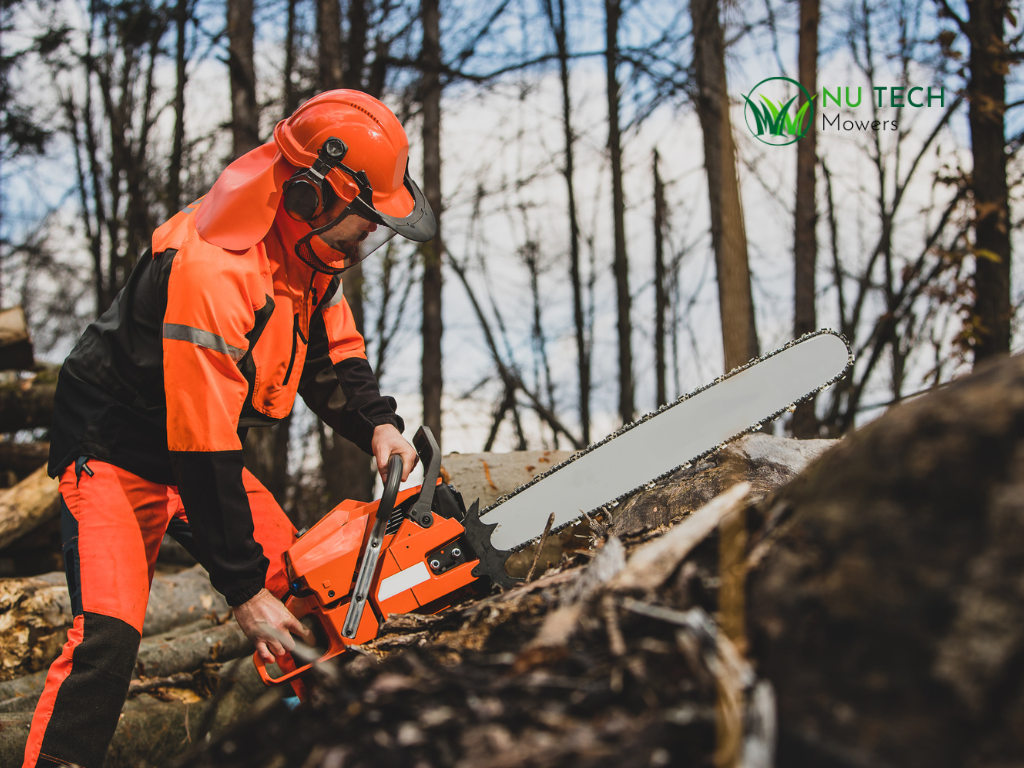
Protective glasses should fit properly and provide suitable eye protection for the task. Hearing protection is also important around noisy powered equipment. If you use an earmuff, check that it fits correctly and is compatible with any other protective equipment you are wearing.
For workplace tree work in NSW, SafeWork NSW guidance identifies hearing protection and eye or face protection among the PPE required for chainsaw operators, along with other task-appropriate protective equipment.
Protective glasses and an earmuff should therefore be viewed as part of a wider safety setup, not as the complete set of protection needed for every chainsaw task.
Match your clothing to the work environment
HI Vis Gear can be useful where visibility between workers, property occupants or other people in the work area matters. In professional forestry environments, high-visibility clothing forms part of the PPE requirements described by SafeWork NSW.
For home users, the right protective equipment depends on the work being performed and the risks involved. Always consider the manufacturer’s safety guidance and relevant workplace requirements if the saw is being used commercially.
Before starting, also check the area around you. A well-maintained saw does not remove risks created by unstable timber, people entering the work area or unsuitable cutting conditions. If the job is beyond your level of experience, professional help may be more appropriate than attempting the cut yourself.
What to Inspect After Using Your chainsaw
Once the job is finished, allow the equipment to cool and follow the manufacturer’s shutdown and isolation procedure before cleaning it.
Sawdust, wood particles and oily debris can accumulate around the cutting equipment. Cleaning these areas regularly makes it easier to inspect the saw and can help prevent a build-up of material around important components. STIHL Australia, for example, recommends routine cleaning as part of chainsaw maintenance and notes that dirt and built-up grease can affect equipment effectiveness.
Pay particular attention to areas identified in your owner’s manual, such as the guide bar groove, cutting attachment and accessible areas around the chain cover.
Avoid introducing water, solvents or cleaning products into components unless the manufacturer specifically says they are suitable.
Inspect the equipment before putting it away
After cleaning, take another look at the chain and guide bar. This is often easier than discovering a problem immediately before your next job.
Look for damaged cutters, unusual wear or a chain that will no longer maintain the correct tension. If you noticed poor cutting performance during the job, determine whether sharpening, adjustment or replacement may be required.
Also look for unexpected oil leakage. A small amount of chain oil around a saw can have different causes, but persistent or excessive leakage should be investigated, particularly if the machine is not lubricating correctly during use.
Making this post-use inspection part of your routine means the saw is less likely to be placed into storage with a problem you have already noticed but forgotten about.
Choosing the Right Maintenance Products and Accessories
Match parts to the exact saw model
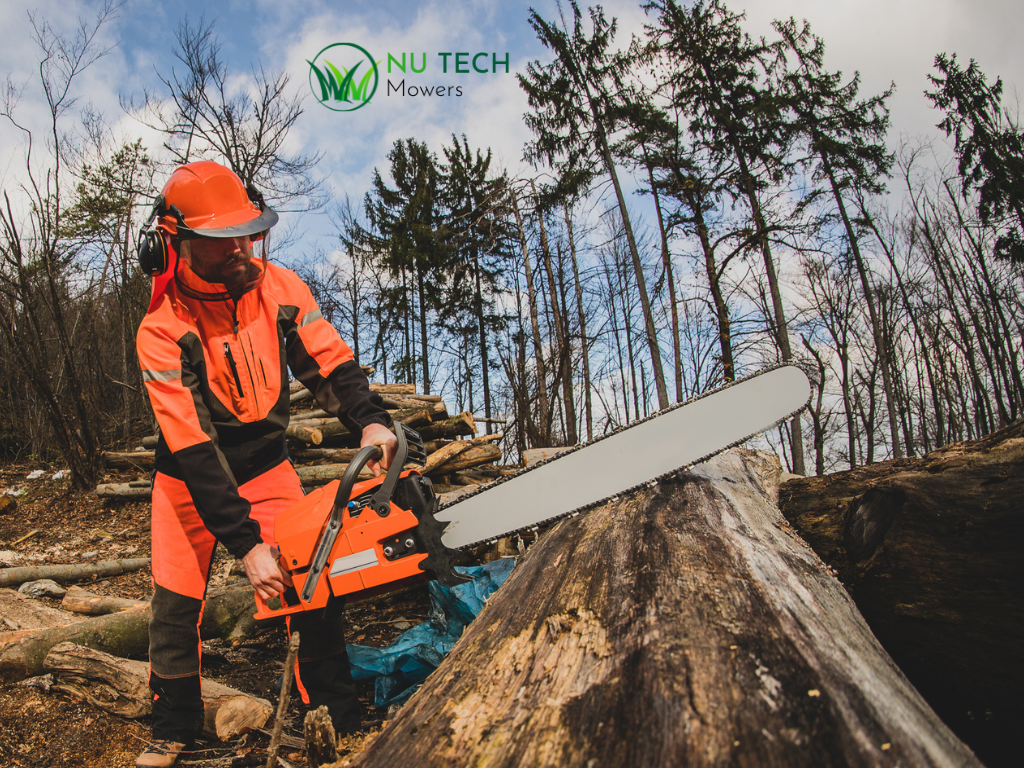
Replacement chains and guide bars should not be selected simply because they appear to be approximately the right size.
Compatibility can involve several specifications, so use the manufacturer’s manual, model information or an official compatibility guide when choosing replacement cutting equipment. If you are unsure, provide the supplier with the exact saw model and details from the existing bar and chain rather than relying on appearance alone.
The same approach applies to chain oil, sharpening equipment and replacement parts. Products designed for one model or cutting system may not necessarily be suitable for another.
A knowledgeable outdoor power equipment supplier should be able to explain why a particular chain, guide bar or maintenance accessory suits your machine rather than simply recommending the closest item on the shelf.
Consider your wider garden equipment setup
If you maintain several outdoor tools, think about the complete equipment setup rather than buying each item in isolation.
For example, someone who also uses a headge trimmer, trimmer or leaf blower may want to consider storage requirements, battery compatibility where applicable, replacement parts and the availability of local servicing before choosing new equipment.
Do not assume that every battery or accessory will fit another tool just because the products come from the same manufacturer. Check the specifications for the exact models you own.
For Sydney and Western Sydney homeowners with limited shed or garage space, organised storage can also influence purchasing decisions. Choosing equipment that you can store safely, access easily and maintain properly can be more useful than buying additional features you rarely need.
How to Store a chainsaw Between Jobs
Do not simply finish cutting and leave the saw covered in debris until the next job. Complete the basic post-use inspection first and follow your manufacturer’s storage instructions.
The ideal storage process can differ between petrol, battery and corded equipment, particularly when a machine will not be used for an extended period. Manufacturer guidance may include additional steps for fuel systems, batteries, cutting attachments or long-term storage.
Keep the saw in a secure, dry location where it is protected from unnecessary dirt and damage and cannot be accessed casually by children or other unauthorised users.
Long-term storage deserves extra attention. Check the manual rather than assuming that the same procedure you use between weekend jobs is suitable when the machine will remain unused for months.
Decide whether a chainsaw bag suits your needs
A chainsaw bag can make transport and organised storage easier, particularly when the saw regularly moves between locations.
Before buying one, check that it is designed for the dimensions of your machine and guide bar. Consider how the bag closes, whether the saw fits without forcing the chain or bar against the material, and whether it allows you to keep suitable accessories organised.
Manufacturer storage guidance also recognises carry bags and cases as options for keeping chainsaws protected from dust during storage.
A bag should not replace correct preparation, however. Clean and inspect the equipment before storing it, and deal with significant oil leakage before placing the machine inside an enclosed carrying case.
When to Contact a chainsaw Service Specialist
Know when basic maintenance is no longer enough
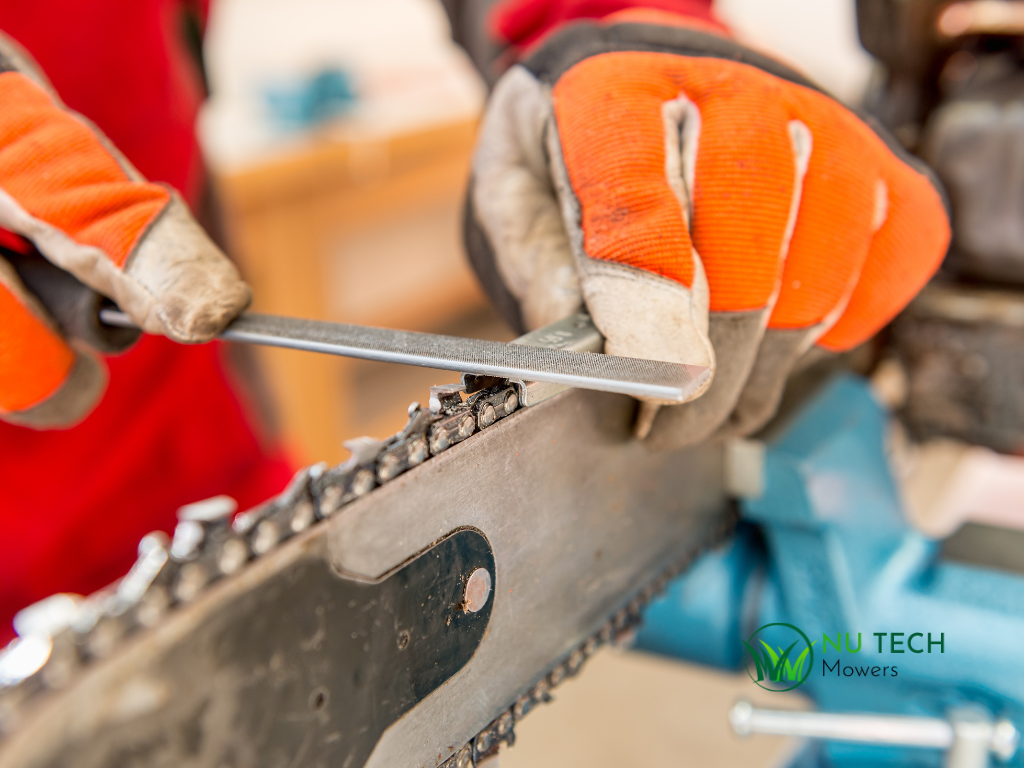
Some maintenance is straightforward. Cleaning accessible components, checking chain condition and following the manufacturer’s tensioning procedure are normal owner tasks on many models. Other problems deserve professional attention.
Consider contacting a qualified outdoor power equipment technician if the chain repeatedly loses correct tension, the guide bar or drive components appear damaged, lubrication is not working properly, the machine develops unusual vibration, or a starting or power problem continues after the basic checks described in the manufacturer’s manual.
Professional maintenance can also include work such as filter replacement, fuel-system servicing and other model-specific tasks that go beyond everyday cleaning and inspection.
If you are not confident that you can perform a maintenance task correctly, getting qualified advice is preferable to experimenting with a safety-critical cutting tool.
Ask the right questions before buying parts or booking service
When speaking with a supplier or service centre, have your equipment details ready. The exact brand, model and current chain or bar specifications can make it much easier to identify compatible parts.
Explain the problem you are experiencing rather than simply asking for a replacement component. For example, a chain that keeps coming off could involve tension, guide bar wear, installation or drive components, so replacing the chain alone may not address the cause.
If you are comparing suppliers, look for clear product compatibility information, access to appropriate replacement parts and technicians who can explain what maintenance or repair is actually required.
A good chainsaw maintenance routine is ultimately simple: inspect before cutting, pay attention while working, clean and check the machine afterwards, store it correctly and seek experienced assistance when the problem moves beyond normal owner maintenance. That routine can make equipment care easier and help you arrive at the next job knowing what condition your saw is in.
