

A standard toilet seat can feel hard or uncomfortable for some people. This may be more noticeable during recovery, with reduced sitting tolerance or when a person needs more time to use the toilet.
A soft toilet seat cushion adds padding to the existing seat. It may improve surface comfort when the product fits correctly and remains stable.
However, a cushion does not solve every bathroom difficulty. It does not automatically provide support for sitting, standing or transferring. It may also change the effective height and shape of the seat.
For this reason, buyers should consider the user, toilet, bathroom layout and cleaning needs before ordering.
This guide explains how to compare a toilet seat pillow, check product fit and decide whether other bathroom medical equipment may be more appropriate.
Separate comfort needs from mobility needs
A toilet seat cushion mainly changes the surface that the person sits on.
It may provide a softer feel than a standard hard seat. This can be useful when the main concern is comfort.
However, difficulty sitting down or standing up may have a different cause. The person may need added toilet height, stable hand support or help with transfers.
A cushioned toilet seat should not be treated as a replacement for a raised toilet seat, support frame or grab bar.
In some situations, a thick cushion may slightly change the sitting height. However, buyers should not rely on this effect as a safe substitute for purpose-made transfer equipment.
An unsuitable height can affect foot position and balance. A raised toilet seat that is too high may also create safety problems, which is why fit and individual needs matter.
Begin by identifying the main problem. If the person finds the hard surface uncomfortable but transfers safely, cushioning may be worth considering.
If the person struggles to lower themselves, rise or remain balanced, seek more detailed advice before purchasing.
Identify who will use the product
The same product may not suit every user.
Consider the person’s height, body size, balance and ability to position themselves. Also think about whether they use a walking aid or receive help from a carer.
Skin condition matters as well. A person with fragile skin, wounds or pressure-related concerns should seek advice from an appropriate health professional before choosing a cushion.
A soft toilet seat is not a treatment for pressure injuries or another medical condition unless the product has a suitable intended purpose and the user has received appropriate advice.
The person must also be able to use the seat without it moving. If they reposition themselves heavily or rely on the seat for support, the attachment method becomes especially important.
Carers should consider how the cushion affects cleaning and transfers. A product that adds comfort but creates extra movement may not suit the care routine.
Where the user’s needs are complex, an occupational therapist may help assess the bathroom, toilet height and transfer method.
Check the Toilet Shape, Size and Fit
Measure the existing toilet seat
Toilet seats vary in size and shape.
Some have a rounded front, while others have a longer or more open design. The hinge position and seat width can also differ.
Measure the existing seat rather than relying only on the toilet model name. Record the length, widest point and opening size.
Check whether the cushion sits on top of the toilet seat or replaces another part. The product instructions should explain the intended setup.
A cushion toilet seat that overhangs the edges may feel unstable. One that is too narrow may leave hard areas exposed.
The cushion should not block the toilet opening or interfere with the lid, hinges or nearby supports.
Buyers should also consider the effective seat height after installation. Even a modest increase can change how the user places their feet.
Confirm all current dimensions against the supplier or manufacturer information before ordering.
Review the attachment method
A toilet seat pillow needs to remain in the intended position during use.
Products may use straps, hook-and-loop fasteners or another attachment system. The correct method depends on the specific design.
Check whether the attachment works with the existing toilet seat. Some seat shapes may not provide enough space for straps or fasteners.
The cushion should not slide when the user sits, moves or stands.
Loose fasteners can create an unstable surface. They may also make cleaning more difficult.
Follow the manufacturer’s instructions during installation. Do not create an improvised fixing method unless the manufacturer confirms it is suitable.
Inspect the attachment before each use where movement could create a risk.
If the cushion cannot remain secure on the toilet, stop using it and contact the supplier.
Compare Cushion Materials and Comfort Features
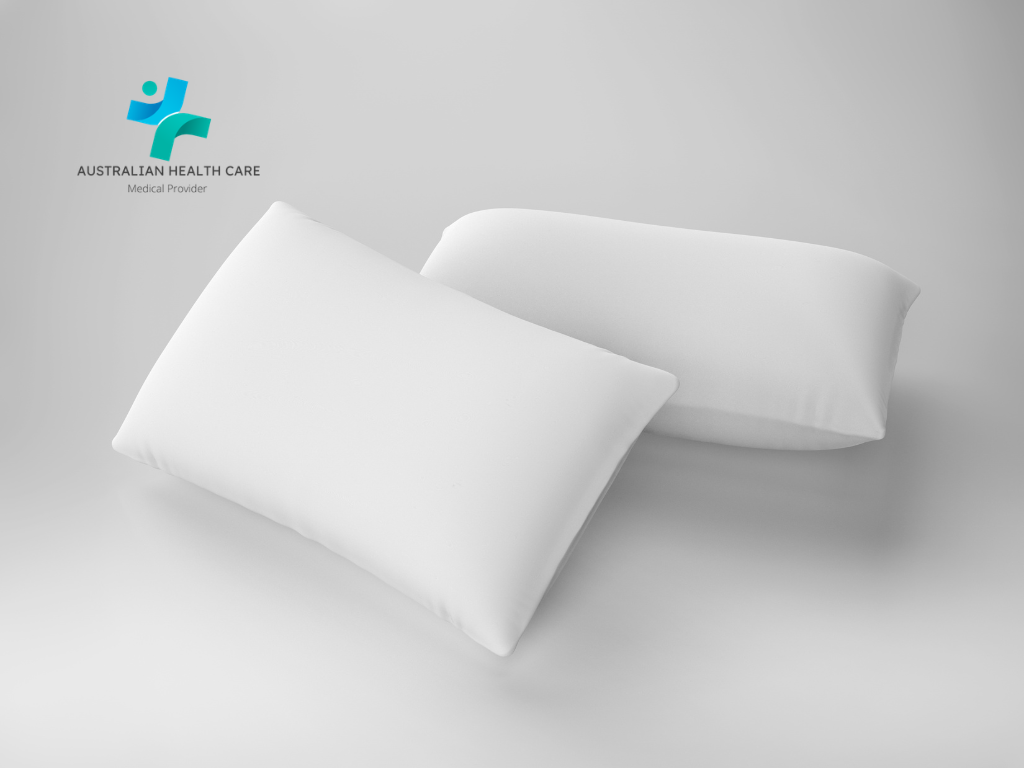
Assess softness, thickness and support
A thicker cushion is not always more comfortable.
Very soft foam may compress deeply under the user. This can make the sitting surface feel uneven or affect stability. A firmer cushion may hold its shape better. However, it may not provide the softer feel the buyer expects. The best option depends on the user’s comfort needs and the product’s intended purpose.
Ask for information about cushion thickness, material and compression. These details should come from the current product specifications. Avoid claims that a particular cushion will prevent pain, pressure injuries or other medical problems unless reliable evidence supports that use.
It may help to compare the cushion with the person’s normal sitting position. Their feet should remain supported, and they should not feel pushed forward or sideways. Where possible, seek a product demonstration or confirm the return policy before opening hygiene-sensitive packaging.
Consider covers, seams and surface feel
The cover affects both comfort and cleaning.
A smooth surface may be easier to wipe. However, it should not become slippery during use. Seams and fasteners should not create hard edges against the user. Some cushions have removable covers. Others use a sealed surface that stays on the product. A removable cover may make washing easier, but the inner cushion may still need protection from moisture.
Check whether the cover can be replaced. A damaged cover may expose foam or other absorbent material. The surface should remain intact and free from cracks, tears or peeling. Where the product includes claims about waterproofing, antimicrobial treatment or clinical performance, confirm the current manufacturer information.
Review Hygiene, Cleaning and Maintenance
Bathroom products need regular cleaning.
The correct method depends on the material. Some covers may allow machine washing, while others require surface cleaning.
Always follow the product instructions. Strong chemicals may damage the cover, foam or attachment system.
Moisture should not remain trapped between the cushion and toilet seat. Remove the product as directed so both surfaces can dry.
A cushion that absorbs liquid may become difficult to keep hygienic.
Shared bathrooms may require more frequent cleaning. Carers should also consider how easily they can remove and reinstall the product.
Do not assume that a soft toilet seat can be cleaned in the same way as a standard plastic toilet seat.
If the product develops an odour, staining or damage that cleaning does not resolve, replacement may be necessary.
Inspect the product for wear
Cushion materials can change with use.
Foam may compress, covers may stretch and attachment straps may weaken.
Check whether the cushion still returns to its intended shape. Look for cracks, tears, exposed material and uneven areas.
The cushion should not shift more than it did when new.
Inspect fasteners and straps for damage. Replace the product if the fixing system no longer works safely.
The manufacturer may provide a replacement interval or inspection advice. Follow that guidance where available.
Do not continue using a damaged cushion simply because it still feels soft.
A worn product may become harder to clean or less stable.
Consider the Wider Bathroom Safety Setup
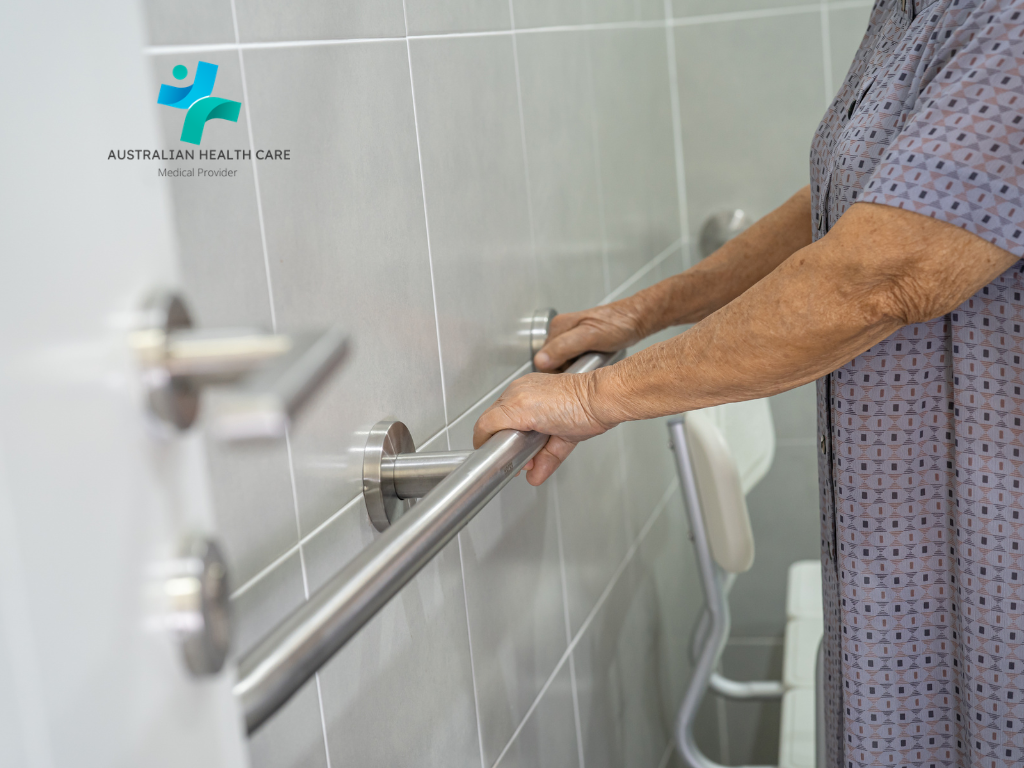
Decide whether grab bars or toilet supports are needed
A seat cushion addresses comfort. A grab bar or toilet support addresses stability and movement.
These needs should not be confused.
A person who pulls on a towel rail, basin or door handle when standing may need a safer support option.
Grab bars must suit the user and installation location. They also need secure fixing into an appropriate structure.
Portable or suction products may have different limits from permanently installed supports. Buyers should not assume every bar can safely carry the user’s weight.
When searching for a handicap safety grab bar supplier, ask about product purpose, weight limits, installation and Australian requirements.
The wording “handicap” still appears in some searches, although “accessible bathroom support” or “disability bathroom equipment” may be clearer and more respectful in published content.
Bathroom grab bars and other environmental changes may form part of a broader falls-prevention approach, especially where wet surfaces and difficult transfers create hazards.
An occupational therapist can assess whether the user needs a grab bar, support frame, raised seat or another option.
Review shower and bathing equipment
Toilet comfort may be only one part of the bathroom setup.
The person may also have difficulty standing in the shower, stepping over an edge or reaching personal care items.
Medical bench seats or shower chairs may help selected users sit during bathing. However, the product must fit the shower and suit the individual.
Measure door openings, shower width and available turning space.
Check the floor surface and drainage. The equipment should not create a new trip hazard or block safe access.
The user’s weight, balance and transfer method also affect product selection.
Bathroom layouts can be tight. Adding several products without a plan may reduce movement space.
For complex needs, arrange a home assessment before purchasing multiple items.
Choose the Right Product and Supplier
Compare product details before ordering
A useful product page should provide more than a photograph.
Check the dimensions, cushion thickness, material and attachment method. Also review the stated user limit if one applies.
The supplier should explain which toilet shapes the product may fit.
Ask whether the cushion affects the use of the toilet lid or nearby equipment.
Review cleaning instructions before buying. A difficult cleaning routine may not suit a busy household or care setting.
Return conditions deserve attention because bathroom products may have hygiene restrictions once opened.
Read the warranty and check what it covers.
If the product has a therapeutic intended use, ask the supplier about its Australian supply status. The TGA regulates medical devices supplied in Australia according to their intended purpose and risk.
Avoid suppliers that make broad medical promises without evidence.
Look for clear advice and after-sales support
A reliable supplier should ask about the user and the existing toilet.
Staff should explain the product’s function without suggesting it will solve every bathroom problem.
They should also recognise when professional assessment may be needed.
Ask about current stock, delivery, warranty and replacement covers or parts.
For customers in Sydney or Western Sydney, delivery time and access to local support may affect the decision.
A useful supplier should provide written product information. Verbal advice should match the current specifications.
Price matters, but support can be equally important when the product affects daily care.
When to Contact Australian Health Care

Ask for help when product suitability is unclear
Contact Australian Health Care when you need help comparing a soft toilet seat cushion with other bathroom products.
Explain who will use the cushion and what discomfort or practical issue it needs to address.
Provide the existing toilet measurements where possible. Photos may also help confirm the seat shape and available space.
Mention whether the user has difficulty sitting, standing or maintaining balance.
Australian Health Care can explain available product features, dimensions and current stock.
The discussion may show that a cushioned toilet seat suits the main need. It may also reveal that another product requires consideration.
The aim should be to choose equipment that fits the user, toilet and bathroom rather than selecting by softness alone.
Seek professional assessment for complex needs
Professional advice is important when the person has had recent falls, major surgery or significant changes in mobility.
It may also be needed where the person has fragile skin, pressure concerns or difficulty transferring safely.
A doctor, nurse, physiotherapist or occupational therapist can provide advice within their professional role.
An occupational therapist may assess the toilet, bathroom layout and daily care routine. This can help determine whether the user needs cushioning, added height, grab bars or other support.
Australian Health Care can help customers understand available bathroom medical equipment after the user’s needs have been identified.
Helpful internal links from this article may lead to pages about toilet aids, grab bars, medical bench seats, bathroom safety and home health supplies.
A soft toilet seat cushion may improve comfort for the right person. Careful measurement, secure fitting and regular cleaning help make the product easier to use.
