

Choosing the right heavy duty off road trailers is important if you plan to tow across rough roads, worksites, rural areas, campsites, or uneven access tracks. A trailer that works well on smooth suburban roads may not be the best choice when the ground becomes rough, steep, muddy, sandy, or corrugated.
The right trailer should match the load, the towing vehicle, the terrain, and the way you plan to use it. Some buyers need a trailer for tools and equipment. Others need one for camping gear, bikes, motorbikes, farm work, trade work, or weekend travel.
A strong trailer is useful, but strength alone is not enough. You also need good balance, safe loading, suitable tyres, practical storage, reliable access, and a towing setup that suits the job.
Match the trailer to the terrain
Start by thinking about where the trailer will travel. Will it mostly be used on sealed roads? Will it visit worksites, gravel roads, fire trails, campsites, rural properties, or beach access tracks? Will it be used for short local jobs or long-distance trips?
These details matter because off-road use places extra pressure on the trailer. Suspension, tyres, ground clearance, chassis strength, coupling, and storage design all become more important when the trailer is used outside normal road conditions.
If you are planning regular rough-road use, ask the builder what features are suitable for that type of travel.
Avoid poor balance and towing stress
A trailer that is poorly matched to the load can be hard to tow. It may feel unstable, sit too low, place too much weight on the tow vehicle, or make loading and unloading difficult.
Poor storage layout can also create problems. Heavy items may end up in the wrong place. Tie-down points may not suit the load. Ramps may be too steep. Doors or toolboxes may be hard to access when the trailer is full.
Good planning helps avoid these issues. Before choosing a trailer, write down what you carry, how heavy it is, how often it moves, and whether the load may change in the future.
What Type of Off Road Trailer Do You Need?
The best off-road trailer depends on what you need it to do. A trailer for trade tools will need a different design from a trailer for bikes, camping gear, or motorbikes.
It helps to group your needs before speaking with a builder.
Work, trade, and storage trailers
A work trailer may need toolboxes, drawers, shelves, ladder racks, enclosed storage, lighting, tie-down points, and strong doors. It may also need to handle heavy tools, equipment, parts, or materials.
An offroad box trailer can be useful when the trailer needs to carry loads across worksites, rural properties, or rougher access roads. It can also help buyers who want a stronger alternative to a basic road trailer.
Some business owners may also consider trailer ads. A trailer with clean signage panels can help display a business name, phone number, logo, or service message while the trailer is parked or on the road.
Bike, motorbike, and adventure trailers
A custom bike trailer or custom motorbike trailers should be planned around safe loading and secure transport. Important features may include ramps, low loading height, wheel chocks, tie-down points, enclosed storage, non-slip flooring, and space for riding gear.
Motorbikes need careful restraint. The trailer should make it easy to load the bike without awkward angles or poor balance. The tie-down points should be positioned where they suit the bike, not just where they are easy to install.
For adventure use, buyers may also need storage for camping gear, fuel, water, recovery boards, tools, spare tyres, and other travel items. These features should be planned around safe weight distribution.
Which Features Should You Compare First?
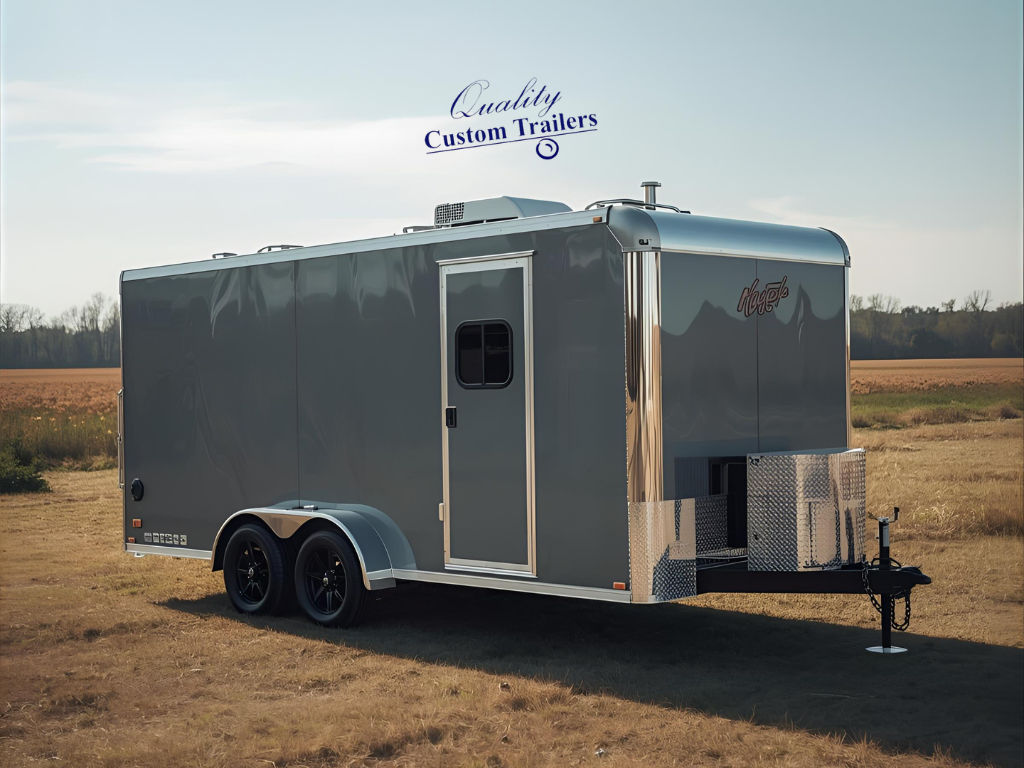
When comparing trailers, look beyond the outside appearance. A trailer may look tough, but the real value is in how well it handles the load, terrain, and daily use.
Focus on the features that affect safety, access, durability, and convenience.
Chassis, suspension, tyres, and clearance
The chassis is the foundation of the trailer. It should suit the expected load and travel conditions. Buyers should ask about chassis design, drawbar strength, axle setup, and how the trailer is built for rougher access.
Suspension and tyres also matter. Off-road use may need stronger suspension, suitable tyres, and enough ground clearance to reduce scraping over uneven ground.
Braking should also be discussed. The right braking setup depends on trailer weight, load, towing vehicle, and legal requirements. These details should always be confirmed with the builder or relevant transport authority.
Storage, access, ramps, and security
Storage should be easy to reach and suited to the load. A trailer can have plenty of space but still be frustrating if doors, ramps, shelves, or toolboxes are placed poorly.
Useful features may include:
- Lockable toolboxes
- Rear ramps
- Side doors
- Tie-down points
- Internal lighting
- Spare wheel mounts
- Water-resistant storage
- Heavy-duty hinges
- Non-slip flooring
- Enclosed compartments
Security is important if the trailer carries tools, motorbikes, bikes, or business equipment. Ask about locks, doors, enclosed panels, and how the trailer protects valuable items from weather and theft.
How Do Off Road Trailers Compare with Standard Box Trailers?
Standard box trailers can be useful for many everyday jobs. However, they are not always suitable for rougher conditions or heavier repeated use.
The right option depends on how the trailer will be used most often.
When a standard box trailer may be enough
A standard box trailer may suit simple local hauling, garden clean-ups, light loads, rubbish runs, small furniture moves, and basic weekend jobs.
For buyers looking at box trailers sydney, a standard option may be enough if the trailer will mostly stay on sealed roads and carry general household or garden loads.
However, buyers should still check trailer condition, load capacity, lights, tyres, registration, braking, and suitability for the towing vehicle.
When an offroad box trailer makes more sense
An offroad box trailer may make more sense when the trailer will be used on gravel roads, worksites, uneven access points, rural properties, campsites, or tougher travel routes.
It may also suit buyers who carry heavier tools, equipment, camping gear, motorbikes, or trade materials.
The key difference is that an off-road trailer should be planned for rougher use. This may include stronger construction, better clearance, tougher tyres, suitable suspension, practical storage, and better protection for the load.
How to Choose the Right Product or Service
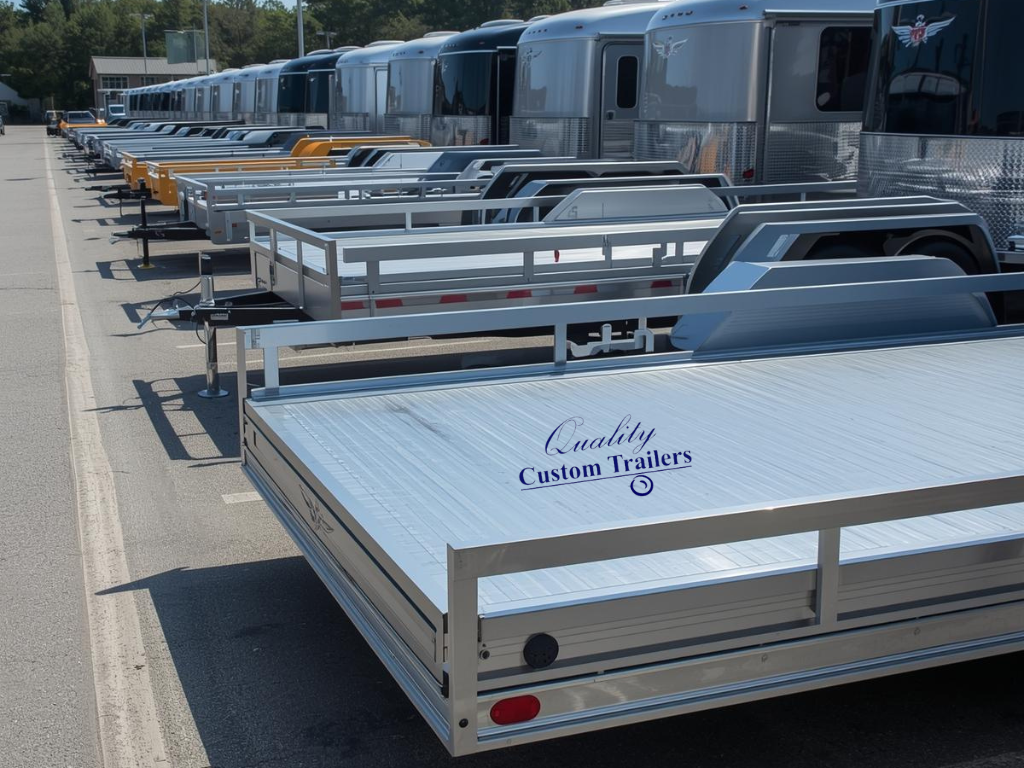
Choosing the right trailer is not only about choosing a design. It is also about choosing the right builder or supplier.
A good builder should ask useful questions, explain options clearly, and help you match the trailer to real use.
Compare build quality, advice, and fit for purpose
When comparing custom trailers for sale, look at more than price. Compare workmanship, materials, storage design, suspension options, towing setup, ramp design, security, warranty details, and after-sales support.
Useful questions include:
- What trailer size suits my load?
- What suspension is suitable for my use?
- What tyres do you recommend?
- Should I choose open or enclosed storage?
- Where should tie-down points go?
- What ramp angle is practical?
- What braking setup is needed?
- What towing vehicle details do you need?
- What is included in the quote?
- What information do I need to provide?
These questions help you compare value, not just cost.
When a local custom builder can help
Quality Custom Trailers may be useful to consider when buyers are comparing heavy duty off road trailers, an offroad box trailer, custom trailers for sale, custom bike trailer options, custom motorbike trailers, and box trailers sydney.
This can help when the trailer needs to be built around real transport needs rather than a standard layout. A local builder can review your load, towing vehicle, access needs, storage requirements, ramp needs, and preferred use before suggesting a design.
A clear brief and honest advice can help create a trailer that is safer, stronger, and easier to use.
What Mistakes Should Buyers Avoid?
Buying an off-road trailer is a practical investment, so it is worth taking time to plan. Many issues happen when buyers focus only on appearance or choose a trailer before measuring the load.
A little planning can make the trailer safer and more useful over time.
Avoid choosing only by looks or price
A trailer that looks tough may not be the right trailer for your use. Likewise, the cheapest quote may not include the features you need for towing, storage, safety, or rough-road use.
Look at the full value. This includes chassis strength, suspension, tyres, brakes, storage layout, ramp design, security, fit for purpose, and builder support.
A trailer that saves time, protects the load, and tows more confidently may be better value over the long term.
Avoid ordering before measuring the load
Before ordering, measure what the trailer will carry. Check length, width, height, weight, loading angle, and tie-down needs.
Also think about future use. Will you carry more tools later? Will you add a bike or motorbike? Will you need enclosed storage? Will the trailer need signage? Will it need to fit in a garage, shed, driveway, or worksite space?
These details can affect trailer size, weight, layout, ramp choice, suspension, and storage.
When Should You Contact the Company?

You should contact the company when your trailer needs are specific, when a standard trailer does not suit the job, or when you need help turning an idea into a practical build.
A short conversation can help clarify what is possible before you commit.
When your trailer needs are specific
Contact the company if you need a trailer for off-road use, worksites, camping, bikes, motorbikes, enclosed storage, tool transport, or business use.
You should also ask for help if you are unsure about size, ramps, doors, suspension, braking, tyres, storage, weight, or towing setup.
Be ready to explain what you need to carry, where the trailer will travel, how often it will be used, and what problems you want it to solve.
When you are ready to move from idea to quote
Contact the company when you have enough details to start a quote. Useful information may include photos, measurements, load weight, towing vehicle details, storage needs, preferred features, budget range, and timeline.
To finish, heavy duty off road trailers are best compared by purpose, not just price. By checking terrain, load, towing needs, storage, suspension, safety features, and builder support, you can choose a trailer that works better for real Australian conditions.
