

Supply chain traceability helps businesses track products, materials, batches and supplier information as they move through production, distribution, sale and after-sales processes. It is important for food safety, product quality, provenance, recalls, sustainability reporting, customer trust and future digital product passport planning.
For Australian businesses, traceability is becoming more important because supply chains are more connected, customers expect clearer product information, and regulators are placing more focus on trusted records. In agriculture and food, traceability is also linked to biosecurity, market access and food safety.
The Department of Agriculture, Fisheries and Forestry says Australia’s agricultural traceability systems help support food safety, provenance and biosecurity, with national investment aimed at strengthening connected and coordinated systems.
What supply chain traceability means
Supply chain traceability means being able to follow a product, material or batch through each important stage of its journey. This may include sourcing, manufacturing, processing, packaging, storage, transport, distribution, sale, repair, recycling or disposal.
For example, a food business may need to know which supplier provided an ingredient, which batch was produced, where it was sent and which customers received it. A product manufacturer may need to track materials, components, production dates, batch numbers and warranty records.
Traceability works best when records are accurate, consistent and easy to access. If product information is scattered across spreadsheets, emails, paper documents and disconnected systems, it may be difficult to respond quickly when a question, recall or audit occurs.
Why traceability matters for Australian businesses
Traceability matters because businesses need to know where products came from, where they went and what information supports their claims. This can help with food safety, quality control, customer communication, product recalls, sustainability reporting and supplier accountability.
GS1 Australia describes traceability standards as a way to enhance visibility and accountability across supply chains. It also notes that traceability standards can help build trust in products and businesses.
For Australian businesses, stronger traceability can also support export readiness, circular economy planning and future product digital passport requirements.
Product Data, Batch Records and Supplier Information
How trusted digital information supports better decisions
Trusted digital information means product data can be relied on by the people who need it. This may include suppliers, manufacturers, retailers, repairers, recyclers, customers, auditors and regulators.
Trusted information may include product identity, supplier details, material specifications, certificates, batch numbers, production dates, ingredient records, packaging details, repair instructions and recycling guidance.
If the data is unreliable, the traceability system may not be useful. A digital record is only helpful when the information behind it is accurate, current and maintained by the right people.
Why global batch traceability improves product records
Global batch traceability helps businesses connect product records across manufacturing, distribution and after-sales stages. This can support quality control, recalls, warranty claims, supplier reviews, sustainability reporting and product lifecycle management.
For example, if a product batch has a material issue, traceability can help identify which products may be affected and where they were distributed. If a supplier changes material inputs, batch records can help the business update product information more accurately.
GS1’s global traceability guidance says GS1-enabled traceability solutions provide a common language and can support interoperability, digitalisation, speed and data accuracy across supply chains.
Traceability in Food and Product Safety
What food businesses may need to record
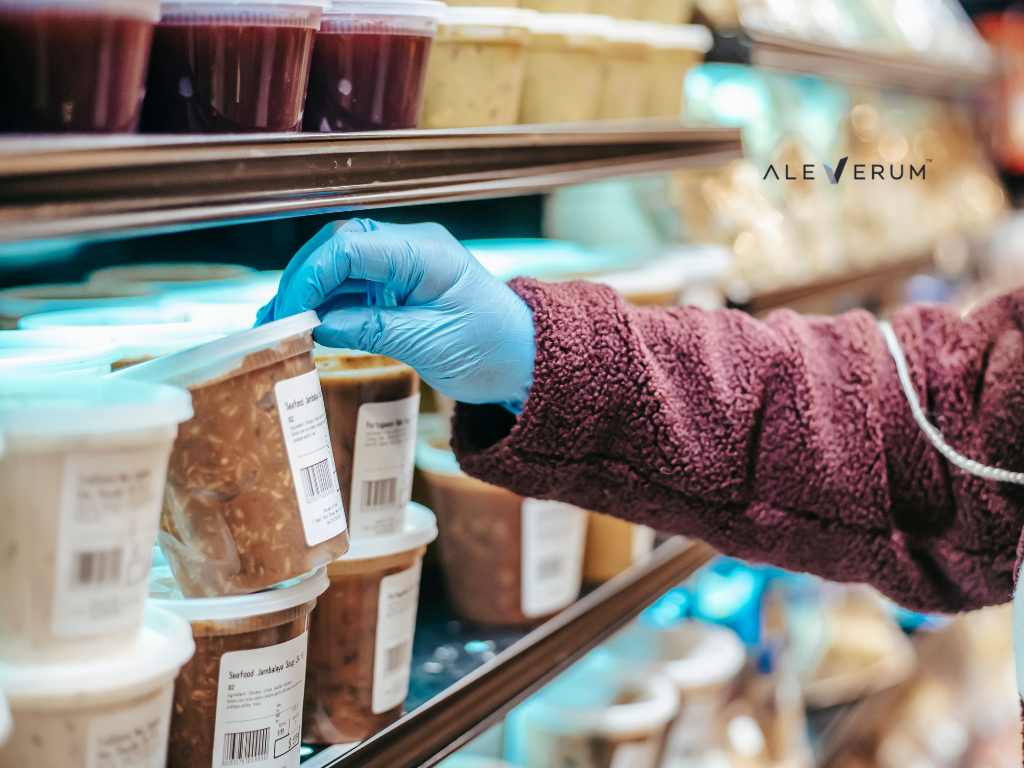
Traceability in food is especially important because it can affect food safety and recall response. Food Standards Australia New Zealand says businesses that manufacture, supply wholesale or import food must have a food recall system in place so they know exactly what product should be recalled, how much and from where.
FSANZ also explains that food labels need details such as the food name, lot identification and supplier name and address in Australia or New Zealand. This shows why accurate lot and supplier records are important for food businesses.
For produce, FSANZ says best practice traceability systems should include procedures for identifying producers, suppliers, customers and products, along with transaction dates, batch numbers or lot identifications and quantities supplied or received.
Why recall readiness depends on accurate records
Recall readiness depends on accurate and accessible records. If a business cannot identify the affected product, batch, supplier or customer group, the response may take longer and create more risk.
A strong traceability system should help a business answer important questions quickly. What product is affected? Which batch or lot is involved? Where did it come from? Where did it go? How much was supplied? Who needs to be notified?
This does not mean every business needs the same system. A small food producer, importer, manufacturer, retailer and distributor may each need different traceability processes. The right approach depends on the product, supply chain, customer requirements and regulatory obligations.
Blockchain and Digital Traceability Tools
When blockchain for traceability may be useful
Blockchain for traceability may be useful when several parties need a shared record of product movement, batch events or supply chain claims. Blockchain can help create records that are harder to alter after they are entered, which may support trust where many organisations are involved.
Research published in 2026 describes blockchain as having potential to provide secure, tamper-proof and verifiable traceability in food supply chains. However, it also notes that advanced technologies still need to support compliance and transparency across production and distribution stages.
Blockchain may be useful for some supply chains, but it is not the only option. Many businesses may first need better product data, common identifiers, clear supplier records and practical workflows before blockchain is worth considering.
Why technology still depends on reliable data
Technology cannot fix poor data by itself. If supplier records are incomplete, batch numbers are inconsistent or product claims are unsupported, the system may still produce unreliable outputs.
A traceability platform, blockchain system or digital product passport should be supported by clear data ownership, update rules, validation processes and staff training.
This is why businesses should start by reviewing their existing product and supplier information. Once the data is organised, it becomes easier to choose the right technology.
How to Choose the Right Product or Service

What to ask before choosing a traceability solution
Before choosing a supply chain traceability solution, ask what information needs to be tracked and who will use it. The business should understand whether the main goal is food safety, recall readiness, sustainability reporting, supplier accountability, export support, customer transparency or digital product passport readiness.
Ask whether the system can manage product identifiers, batch numbers, supplier records, certificates, transaction dates, quantities, product documents and version history. Also ask whether it can connect with existing systems such as inventory, ERP, e-commerce, warehouse management or product information management tools.
A useful traceability solution should make information easier to manage, not create another disconnected database.
How to compare standards, integrations and support
When comparing systems, look at standards, integrations, access controls, reporting, support and long-term flexibility. Standards matter because supply chain data often needs to move between businesses.
GS1 Australia has a National GS1 Traceability Advisory Group with more than 120 executive members from government and industry, focused on improving supply chain traceability in Australia and supporting competitiveness, sustainable economic growth and positive socio-economic outcomes.
Integration support also matters. If product information already sits across several systems, the traceability solution may need APIs, data mapping, workflow design or custom reporting.
When to Contact Aleverum
When expert guidance can help with traceability planning
Aleverum can be mentioned naturally when a business wants help reviewing supply chain traceability, trusted digital information, global batch traceability or digital product passport readiness.
This may be useful when a business is unsure where product records are stored, which supplier data is reliable, how batch traceability works or whether current systems can support future product passport requirements.
A useful discussion should begin with the product category, supply chain structure, current records, data sources, market exposure and business goals.
How a structured review can support digital product passport readiness
A structured review can help a business understand what information it already has and what needs improvement. Some businesses may need stronger supplier documentation. Others may need batch-level records, product identifiers, system integrations or clearer data governance.
The Australian Agriculture Traceability Protocol says it governs how data can be attached to a Digital Product Passport and is formally recognised as an extension of the UN Traceability Protocol. This shows how traceability, standards and product passports are becoming more connected.
Aleverum may be useful when a business needs to prepare product data before choosing a digital product passport, blockchain system or broader traceability solution.
Preparing Next Steps for Traceability Readiness
How to organise supplier, product and batch information
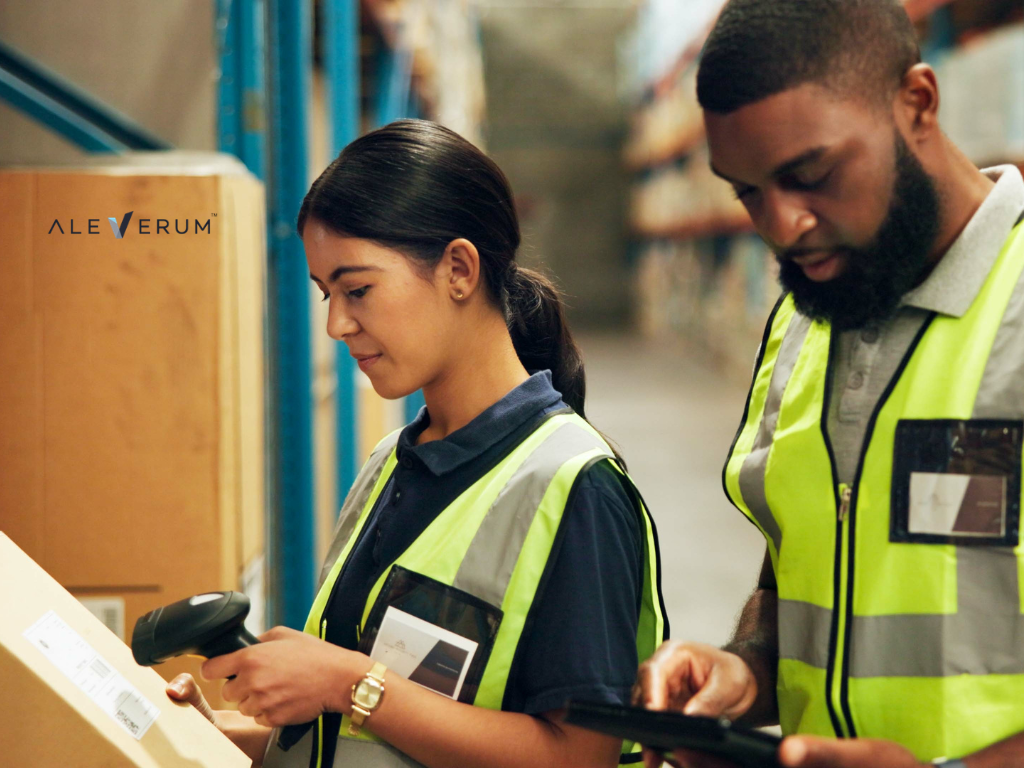
The first step is to review existing records. This may include product names, SKUs, batch numbers, supplier names, material details, certificates, production dates, shipping records, customer records, repair guidance, recycling data and sustainability claims.
The business should check which information is verified, which information is missing and which records need better ownership.
Traceability planning should also include responsibility. Someone needs to manage the data, update records, review supplier changes and keep information accurate over time.
Internal linking opportunities and next steps
This article can naturally link to related pages such as supply chain traceability, blockchain for traceability, blockchain, global batch traceability, traceability in food, trusted digital information, digital product passport and product digital passport.
The next step is to review your supplier records, product data, batch information and existing systems. Then identify which records are accurate, which records are missing and which systems may need to connect.
A good supply chain traceability process should help businesses build clearer records, stronger trust and better readiness for recalls, reporting and future product transparency requirements.
