

Perspex screens are clear plastic panels used for separation, protection, display, and design purposes. They are often chosen when a project needs a clean and lightweight screen that is easier to cut, shape, or fabricate than glass.
For people searching for perspex screens Sydney, the goal is usually practical. They may need a screen for a reception desk, shop counter, office workstation, clinic, display area, home project, or commercial fit-out. Some people only need a simple panel cut to size. Others need a shaped, drilled, polished, or fabricated screen made for a specific space.
Perspex screens are commonly used in customer-facing areas because they can create separation without blocking visibility. They can also be used in homes for DIY projects, shelving, display protection, hobby work, room dividers, or protective panels.
The best option depends on the final use. A screen for a shop counter may need different details from a screen used in a home display cabinet. Before ordering, it helps to think about where the screen will sit, how it will be supported, how often it will be touched, and whether it needs any cut-outs, holes, rounded corners, or polished edges.
Why material, size, and purpose matter
A Perspex screen should be chosen around the real conditions of the space. A panel that is too thin may flex too much. A panel that is too thick may cost more than needed or become harder to mount. A panel that is measured incorrectly may not fit the counter, desk, frame, or opening.
This is why the size, thickness, finish, and fixing method should be planned before ordering. A small desktop screen may only need a simple cut-to-size panel. A larger counter screen may need more support, careful edge finishing, and accurate openings for customer service or payment access.
The purpose of the screen also matters. If the screen is purely decorative, the focus may be on clarity, colour, and edge finish. If it will be used in a busy commercial area, stability, cleaning, durability, and mounting details may become more important.
A supplier can usually give better guidance when they understand how the screen will be used. This helps avoid choosing a product that looks right online but does not suit the finished space.
Comparing Perspex Screens and Acrylic Screens
How customers often use both terms
Many customers use the terms Perspex screens and acrylic screens in a similar way. Perspex is a recognised brand name for acrylic sheet, while acrylic is the general material type. In everyday buying conversations, people often use both terms when they are looking for clear plastic screens.
This can feel confusing at first, but the practical step is simple. Ask the supplier what material is being quoted and whether it suits your application. Different acrylic products can vary in thickness, colour, clarity, finish, grade, and fabrication suitability.
For example, a clear acrylic screen for a reception desk may have different requirements from a coloured acrylic display panel or a frosted privacy divider. A screen that needs drilling or polishing may also require a product that fabricates well.
This is why it is helpful to speak with a supplier before ordering, especially if the panel needs to be cut, drilled, shaped, polished, or installed in a visible commercial area.
When clarity, thickness, and finish affect the result
Clarity matters when a screen is used in a reception area, display case, shop counter, office, or customer-facing space. A clear sheet can keep the area open and visible while still creating a practical barrier or divider.
Thickness affects strength, stability, weight, and appearance. A thicker sheet may feel more solid, while a thinner sheet may be suitable for lighter-duty use. The right thickness depends on the screen size, how it will be supported, and how often it will be handled.
The finish also affects the final look. Edges can be left basic, polished, rounded, or shaped depending on the project. For customer-facing areas, clean edges can make the screen look more professional and better suited to the surrounding fit-out.
If the screen is part of signage, a retail display, or an interior feature, small finishing details can make a big difference. Accurate corners, neat cut-outs, polished edges, and clean surfaces can help the finished product look intentional rather than temporary.
Choosing the Right Sheet for the Job
What to check when comparing acrylic sheets
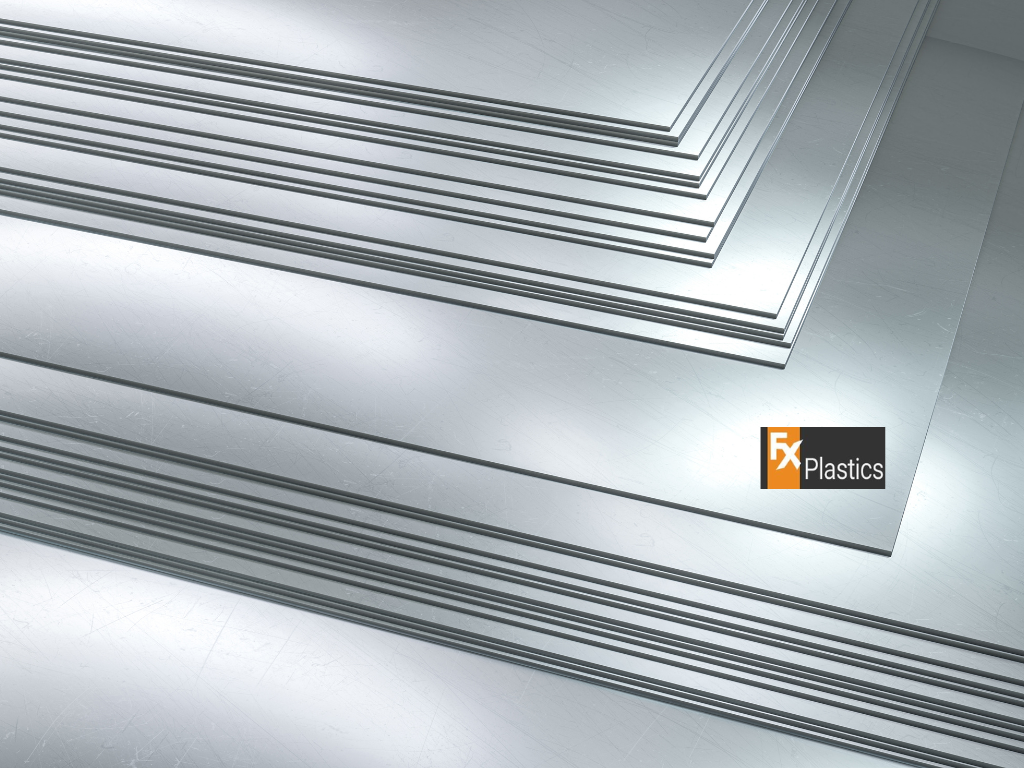
When comparing Acrylic Sheets sydney options, it is important not to choose based only on price. A lower-cost sheet may not be the right choice if the thickness, grade, colour, finish, or size does not suit the job.
Start by thinking about the sheet thickness and final screen size. Then consider how the screen will stand, attach, or sit in place. If the panel needs holes, slots, rounded corners, cut-outs, curved edges, or polished sides, these details should be discussed before the sheet is cut.
Clear acrylic is commonly used when visibility matters. However, some projects may need frosted, tinted, coloured, mirror, or opal acrylic depending on privacy, lighting, branding, or design needs.
When perspex sheet sydney supply may suit simple projects
A basic perspex sheet sydney order may be enough when the project only needs a simple flat panel. This may suit DIY jobs, display covers, desk dividers, protective panels, shelving inserts, hobby projects, or small home improvements.
Even simple projects still need careful measurements. The sheet may need to slide into a frame, sit between fixtures, rest on a counter, or align with existing joinery. Small measurement errors can lead to gaps, poor fit, or extra work during installation.
For more complex work, sheet supply alone may not be enough. You may need Perspex cutting, drilling, polishing, bending, routing, or assembly. In that case, a fabricator can help turn a sheet into a finished screen that suits the space.
A good starting point is to decide whether you need material only or a finished product. This makes it easier to compare quotes and avoid ordering the wrong service.
Custom Cutting, Edges, and Fabrication Details
Why Perspex cutting needs accurate measurements
Perspex cutting should be planned carefully because small measurement errors can affect the final fit. This is especially true for screens that need to sit on counters, attach to desks, fit inside frames, or line up with other panels.
Before requesting cutting, measure the width, height, thickness, and any gaps or openings required. If the screen needs holes for fixings, note their position clearly. If it needs a service window, cable opening, rounded corner, slot, or shaped edge, include that in the request.
It is also helpful to explain how the screen will be used. A supplier may suggest a different thickness, edge finish, or fixing method based on the size and purpose of the screen.
For larger or more detailed screens, photos, drawings, or a simple sketch can help. Even a basic marked-up image can reduce confusion and help the fabricator understand the project faster.
How Design and Fabrication can improve the final screen
Design and Fabrication support can be useful when the screen needs more than a straight cut. This may include shaped panels, curved edges, brackets, stands, folded sections, custom bases, display features, or integrated signage.
Custom fabrication can also help when the screen needs to suit an unusual counter, angled desk, retail display, reception area, or built-in joinery. Instead of trying to make a standard panel fit, the screen can be designed around the actual space.
This can improve both function and appearance. A custom screen can be made to sit more securely, work better for staff and customers, and match the look of the surrounding interior.
If the screen will be highly visible, fabrication quality matters. Clean cuts, polished edges, accurate holes, and careful finishing can make the product look much more professional.
Where Perspex Screens Work Best

Practical uses in homes, offices, shops, and clinics
Perspex screens can be used in many different settings. In offices, they may work as desk dividers, reception screens, meeting room panels, workstation separators, or privacy panels. In shops, they may be used for counters, display covers, product protection, shelving, or point-of-sale areas.
Clinics and health-related spaces may use screens at reception desks or service counters. Hospitality venues may use clear panels for displays, counters, or food service areas where suitable.
In homes, Perspex screens may be used for DIY projects, hobby areas, shelving, display cabinets, pet barriers, or protective covers. They can also be helpful where a clear and lightweight panel is preferred over glass.
The best use depends on the environment. A screen used in a busy shop needs different planning from a screen used in a home display cabinet.
What to consider for counters, desks, and partitions
Counters, desks, and partitions need careful planning because people interact with them often. A screen should be stable, practical, and easy to use.
For a counter screen, consider whether staff and customers need to pass documents, products, payment devices, or small items through an opening. For a desk divider, consider whether the screen needs to be freestanding, clamped, fixed, or movable. For a partition, consider whether the screen needs to align with other panels, joinery, or existing fixtures.
Cleaning should also be considered. Acrylic can scratch if cleaned with the wrong materials, so it is worth asking the supplier for care instructions. If the screen will be cleaned often, the surface finish and cleaning method become more important.
It is also worth thinking about the look of the space. A well-made screen should feel like part of the design, not an afterthought.
How to Choose the Right Supplier or Fabricator
Questions to ask Plastic Fabricators Sydney
When comparing Plastic Fabricators Sydney, start by asking what materials they supply and fabricate. Some suppliers only sell sheets, while others offer cutting, routing, polishing, bending, bonding, assembly, and custom fabrication.
Ask whether they work with acrylic screens, clear Perspex panels, coloured acrylic, frosted acrylic, polycarbonate, or other plastic materials. Also ask whether they can help with thickness selection, measurements, cut-outs, edge finishing, and installation planning.
It is useful to ask whether they handle small one-off jobs, commercial projects, or larger production runs. A DIY buyer may need a simple cut-to-size panel, while a builder, shopfitter, or signage business may need repeatable fabrication and tighter project coordination.
You should also ask about lead times, drawing requirements, pickup, delivery, and whether advice is available before production starts. Clear communication is important because fabricated plastic products rely on accurate measurements and agreed details.
Where FX Plastics can help with custom Perspex work
FX Plastics can be mentioned naturally when a reader needs help choosing materials, requesting cut-to-size Perspex, or getting Design and Fabrication support. This is especially useful for projects that need more than a standard sheet.
For example, a customer may need acrylic screens for a reception area, a shaped panel for a retail display, or Perspex cutting for a custom counter screen. In these situations, a fabricator can help confirm sheet type, thickness, measurements, edge finish, and fabrication method.
This guidance can also help customers compare Acrylic Sheets Western Sydney options and decide whether they need sheet supply only or a finished fabricated screen.
The aim is to choose a solution that suits the actual use of the screen. A good supplier should help make the process clearer, from material selection through to cutting and finishing.
When to Contact the Company for Advice or a Quote

Signs you need supplier guidance before ordering
It is worth contacting the company before ordering if you are unsure about the sheet type, thickness, size, edge finish, or fabrication method. This is especially important when the screen needs to fit a specific counter, desk, frame, or commercial space.
You should also ask for advice if the screen needs holes, slots, rounded corners, polished edges, stands, brackets, service openings, or special shaping. These details should be planned before cutting begins.
Guidance is also helpful if you are comparing ready-made screens with custom fabrication. A ready-made screen may suit a basic need, but a custom option may be better for unusual spaces, larger panels, or a cleaner finish.
What details to prepare before making contact
Before requesting a quote, prepare the basic project details. Start with where the screen will be used, such as a reception desk, office workstation, shop counter, clinic, home project, display area, or partition.
Next, provide the approximate size, preferred thickness if known, and whether the screen needs to be freestanding, fixed, clamped, framed, or mounted. If you are not sure, explain the space and ask for guidance.
It also helps to include photos, drawings, sketches, or measurements. If the screen needs cut-outs, holes, rounded corners, polished edges, or a service opening, include those details clearly.
Finally, mention your location and timing if they affect pickup, delivery, or scheduling. Sydney and Western Sydney details are useful when they help with logistics. With this information ready, the supplier can give clearer advice and a more accurate quote.
