

Repeat sheet metal production can look simple on paper. Once the same component needs to be produced dozens, hundreds or even thousands of times, however, small inefficiencies can quickly affect the schedule.
Every part needs to meet the required dimensions, hole positions and forming requirements. If the production method involves too much manual measuring, repositioning or repeated setup, the time spent on each component can add up.
For Australian manufacturers, fabricators and engineering businesses, this matters because production delays can affect assembly schedules, installation dates and the delivery of finished products.
Where Production Delays Usually Occur
Many delays happen before the final component is even finished. Operators may need to measure individual features, reposition sheets, change tooling or complete several separate processes.
Manual work also creates more opportunities for variation. If a hole or cut-out is positioned incorrectly, the component may need to be adjusted or remade.
A cnc punching service helps automate many of these repeated tasks. Once the machine has been programmed correctly, it can reproduce the same punching pattern across multiple sheets with less manual intervention.
This can be especially useful for components such as electrical panels, brackets, cabinets, enclosures, ventilation panels and equipment housings where the same features appear repeatedly.
Why Consistency Matters as Order Volumes Increase
Producing one accurate component is very different from producing a large batch of identical components.
Repeat manufacturing requires every part to match the approved design closely enough for the next production stage. If dimensions vary, the problem may not become obvious until parts are bent, assembled or installed.
Consistent CNC-controlled processes can reduce that variation. This makes it easier to move components through later fabrication stages without repeatedly correcting fit or alignment problems.
The result is not simply faster punching. It can also mean fewer interruptions throughout the wider production process.
How a cnc punching service Speeds Up Repetitive Manufacturing
CNC punching is particularly useful when sheet metal components contain repeated holes, slots, openings or standard shapes.
Instead of manually marking every feature, the required positions are programmed into the machine. The sheet can then be processed according to the digital instructions.
This approach can reduce the amount of hands-on work required for every individual part.
Automated Punching Reduces Repeated Manual Work
With traditional manual production, an operator may need to measure, mark and position each feature separately.
CNC punching changes that workflow. After the job has been programmed and the setup confirmed, the machine can repeat the same operations across multiple parts.
Metal punching services are therefore often considered for repeat manufacturing where the design contains predictable patterns.
For example, a metal enclosure may require rows of ventilation openings, mounting holes and cable access points. Once those features are defined in the production file, they can be reproduced consistently across the batch.
That is particularly valuable where the manufacturer needs the same component regularly rather than as a one-off item.
Faster Processing for Standard Holes and Repeated Shapes
CNC punching works well when components contain many repeated shapes that can be produced with suitable tooling.
A sheet containing dozens of similar holes can often be processed without the machine having to follow the entire perimeter of every opening in the same way as some cutting processes.
The best method still depends on the design. Punching is not automatically faster for every part.
Complex contours, unusual shapes or very small production runs may suit another method. This is why manufacturers should consider the whole component rather than choosing a process based only on speed.
From Digital Design to Faster cnc sheet metal fabrication
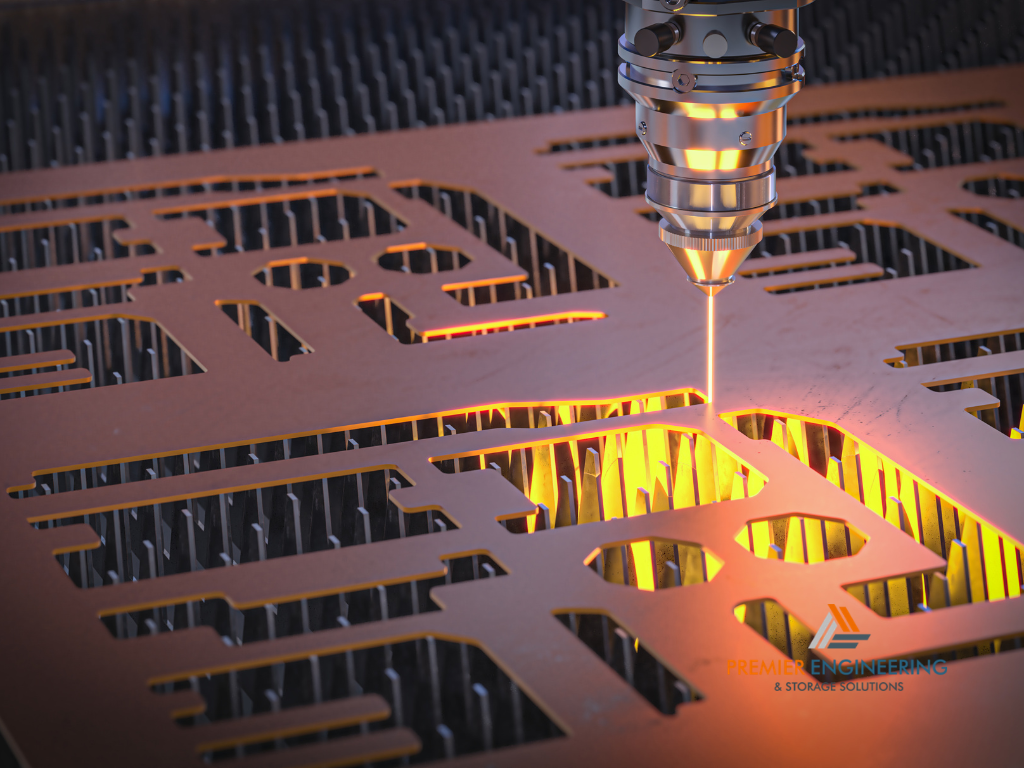
Efficient production begins before the machine starts moving.
Good drawings, suitable material specifications and clear tolerances can make a major difference to how smoothly a fabrication job progresses.
When these details are resolved early, cnc sheet metal fabrication becomes easier to plan and repeat.
Programs Can Be Reused for Repeat Orders
One advantage of CNC production is that approved machine programs can support future repeat jobs.
If a component design remains unchanged, the fabricator does not need to develop the production approach from the beginning every time the same part is ordered.
The production file can be reviewed, the material and tooling can be prepared, and the job can move back into manufacturing.
This can be useful for businesses that regularly order the same brackets, panels, covers, housings or fabricated components.
It also makes design control important. If the drawing changes, the correct revision should be clearly identified before another production run begins.
Providing current CAD drawings, dimensions and revision information can help avoid accidentally manufacturing an outdated version of a component.
Better Sheet Layouts Can Reduce Handling and Material Waste
The arrangement of parts on the sheet also affects manufacturing efficiency.
Fabricators can plan how components are positioned so that available sheet material is used effectively while still allowing enough space for the punching process.
Good planning may reduce unnecessary sheet changes, machine movements and material handling.
However, material efficiency depends on the component shape, sheet size, required grain direction, edge allowances and other production considerations.
For buyers, this means it is worth asking whether the design can be adjusted to improve material utilisation without affecting the function of the finished component.
Small design changes can sometimes simplify production and make repeat orders easier to manufacture.
Producing high-precision sheet metal parts at Higher Volumes
Speed is only useful when the finished components remain suitable for their intended purpose.
For repeat manufacturing, quality and consistency need to be considered alongside production time.
High-precision sheet metal parts may need accurate hole locations, consistent dimensions and predictable alignment with other components.
Consistent Dimensions Reduce Rework
When a batch contains multiple identical components, even a small dimensional issue can create problems later.
A hole that is slightly misplaced may prevent a fastener from fitting. An opening in an enclosure may not align with the equipment it is designed to hold. A flange may fail to line up correctly during assembly.
CNC-controlled production helps manufacturers repeat programmed positions more consistently than processes that depend heavily on manual marking.
The required tolerance should still be discussed before production begins.
Not every feature needs the same level of precision, and specifying tighter tolerances than necessary can make manufacturing more complicated.
Providing a clear drawing that identifies critical dimensions allows the fabricator to determine whether CNC punching is suitable for the job.
Material Choice Still Influences Production Efficiency
Material type and thickness affect the way a component should be manufactured.
Mild steel, aluminium and stainless steel all behave differently during punching and forming.
Projects involving cnc stainless steel may require different tooling, machine settings and production planning compared with thinner mild steel components.
Thickness is also important. A process that is efficient for one sheet thickness may not be appropriate for another.
Before requesting production, buyers should provide the exact material grade where known, along with thickness and finish requirements.
If the material has not been selected, speaking with a fabricator early can help identify practical options based on the component’s use, environment and manufacturing requirements.
Combining Metal punching services with Other Fabrication Processes
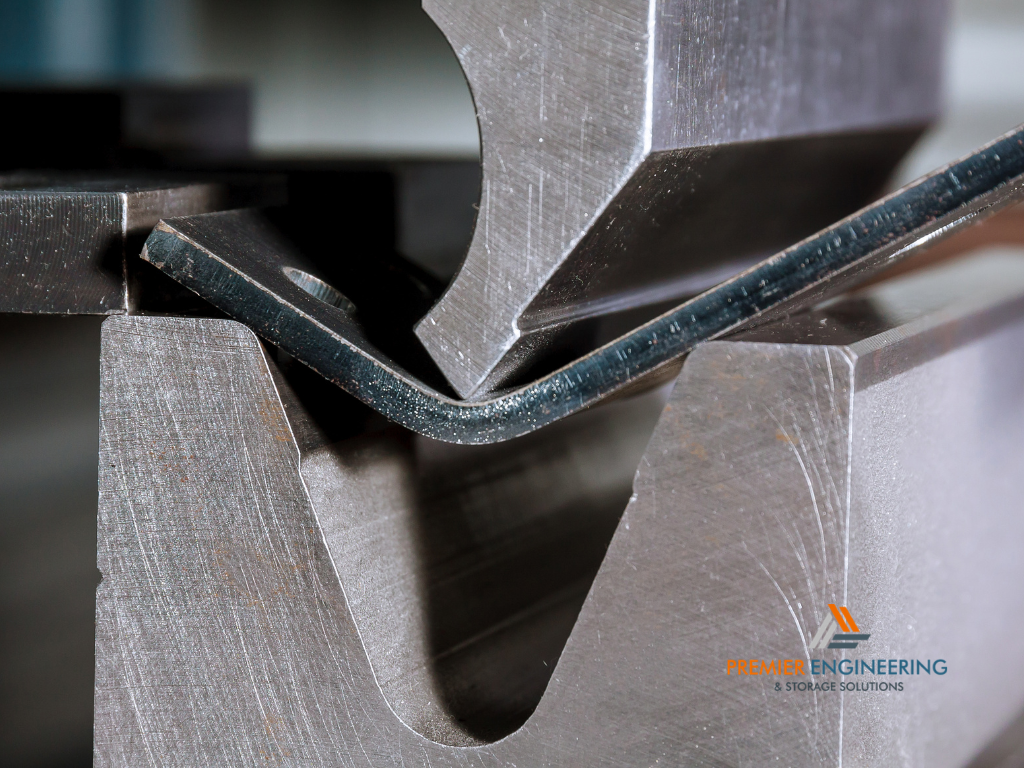
Most sheet metal components require more than one manufacturing step.
Punching may create holes and openings, but the component may still need to be cut, bent, formed, welded or finished before it is ready for use.
Understanding this wider workflow helps buyers compare suppliers more effectively.
Bending and Forming After Punching
After punching, many sheet metal parts need to be folded into their final shape.
A metal bending press can be used to create the required angles, flanges and bends once the flat sheet has been processed.
The order of operations is important.
Certain holes or features may need to be created before bending because they become difficult to access once the component has been formed.
The location of a hole relative to a bend can also affect the finished result.
This is why providing the complete component drawing is more useful than requesting punching in isolation. A fabricator can review how the part will move from the flat sheet through punching, bending and any later manufacturing stages.
When Other cnc cutting services May Be Needed
CNC punching is not the best option for every feature.
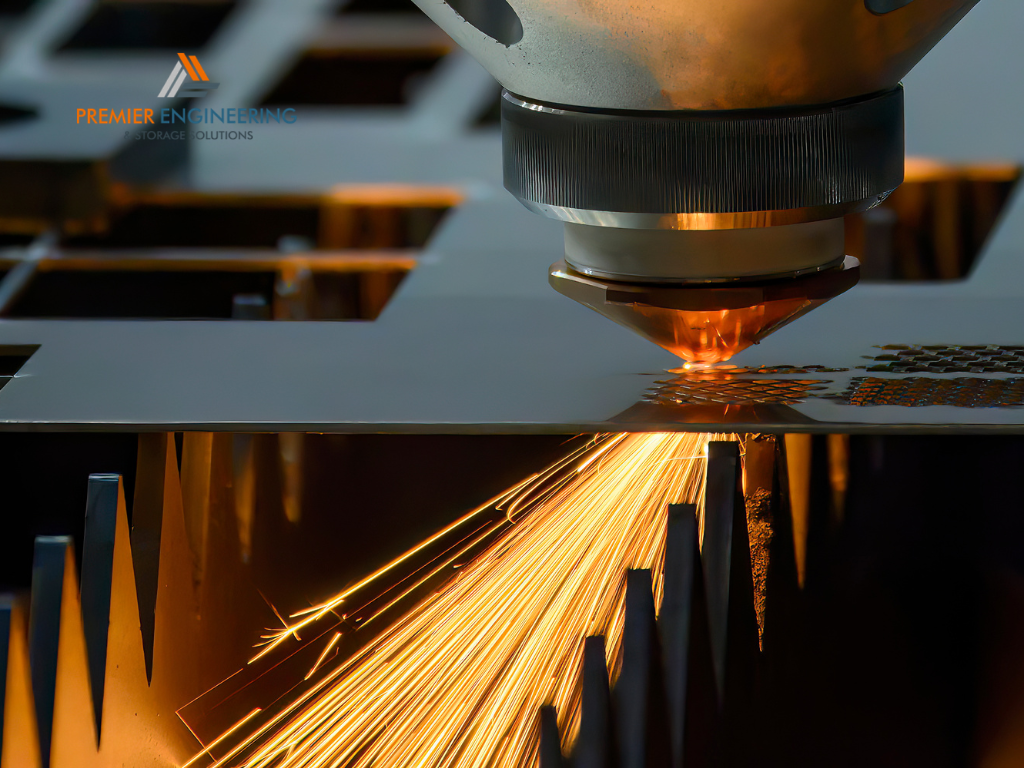
Some parts contain detailed profiles, curved shapes or other geometry that may be better handled with cnc cutting services.
Depending on the project, an industrial steel cutting machine or laser cutting equipment may be used alongside punching.
The important question is not which machine is generally better. It is which production method suits the particular component.
A combination of processes may provide the most practical result.
When comparing fabrication providers, ask whether they can review the whole part rather than simply quoting the process you initially requested. Providers such as Premier Engineering may be relevant to consider when you need punching to form part of a broader design and fabrication workflow.
How to Choose the Right Process for Your Repeat Sheet Metal Parts
Choosing the right fabrication process starts with understanding the design and the expected production volume.
Price is important, but it should not be the only consideration.
Manufacturers should also think about repeatability, material type, thickness, tooling requirements, tolerances, finishing and what happens to the part after punching.
When CNC Punching Is a Strong Option
CNC punching is worth considering when a component contains many repeated holes or standard features.
It can also suit jobs where the same part will be manufactured repeatedly over time.
Before choosing a supplier, prepare the information needed for a meaningful review.
A useful enquiry should include the drawing or CAD file, material type, sheet thickness, estimated quantity, critical tolerances and any required bends or finishing processes.
It is also worth asking how the supplier handles drawing revisions and repeat orders.
For businesses in Sydney or Western Sydney, using a fabricator within practical transport distance may also simplify communication, material movement and collection of finished components, particularly for regular production work.
When Another Fabrication Method May Be More Suitable
A professional fabricator should be willing to recommend a different process when CNC punching is not the most practical option.
Laser cutting may suit detailed external profiles or shapes that do not match standard punching tools.
Other cutting or forming methods may be needed for thicker material or specialised components.
Very small quantities can also change the economics of the job because tooling and setup time need to be considered.
Instead of asking only, “Can this be punched?”, ask, “What is the most efficient way to manufacture this part at my required quantity?”
That question gives the supplier more room to recommend the process that fits the actual production requirement.
When to Contact a CNC Punching and Fabrication Company
It is usually better to speak with a fabricator before a component reaches the final production stage.
Early advice can identify manufacturing issues while changes are still relatively easy to make.
This is especially useful when moving from a prototype into repeat production.
Before Moving from Prototype to Repeat Production
A prototype may be manufactured using a process that works well for one or two components but becomes inefficient at larger quantities.
When production volume increases, it is worth reviewing the design again.
A fabricator can look at the hole patterns, material, bends and other features and determine whether CNC punching could simplify repeat manufacturing.
You should also make contact if an existing component is taking too long to produce, requires too much manual finishing or regularly creates problems during assembly.
These issues may indicate that the production method or component design could be improved.
What to Provide When Requesting Production Advice
The clearer the information you provide, the easier it is for a fabricator to assess the job.
Start with a current technical drawing or CAD file. Include the material grade, sheet thickness, required quantity and any important dimensional tolerances.
Also explain what happens after punching.
If the component needs bending, welding, assembly or surface finishing, that information can influence how the flat part should be manufactured.
For repeat orders, mention the expected order frequency as well. A supplier may approach a regularly manufactured component differently from a one-off job.
If you are comparing a cnc punching service with other fabrication options, ask the supplier to explain why they recommend a particular process rather than simply requesting a price.
That conversation can help you understand the likely production workflow, identify potential design issues and choose a service that suits both the component and the expected manufacturing volume.
For businesses considering Premier Engineering, the most useful next step is to provide the project drawings and production requirements and request advice on the appropriate punching, cutting and fabrication approach. This gives the supplier enough information to assess the job properly instead of relying on a general estimate.
