

Sustainable veneers are becoming a popular choice for homes, offices, shops, restaurants, hotels, and commercial fit-outs. Many people want interiors that feel warm, natural, and long lasting. Timber finishes can help create that feeling without making a space look too heavy or dated.
Veneer is often used on visible surfaces such as kitchen cabinets, wardrobes, wall panels, doors, reception counters, shelving, and furniture. It gives a project the look and feel of timber while allowing designers and joiners to work with panels that are practical for modern interiors.
In Australia, natural textures and warmer timber tones continue to suit many design styles. They work well with stone, concrete, metal, painted joinery, neutral colours, and soft furnishings. This makes veneer a flexible option for both residential and commercial projects.
However, not all veneer products are the same. If sustainability is part of your project goal, it is important to look beyond colour and price. You should also consider timber source, certification, durability, supplier advice, and how well the product suits the application.
Veneer Can Make Better Use of Timber
Veneer can be a practical way to use timber more efficiently. Instead of using thick solid timber across a large surface, veneer uses a thin layer of timber over a suitable substrate. This can create a natural timber finish across wider panels, cabinetry, doors, and walls.
This does not automatically make every veneer product sustainable. The source of the timber still matters. The adhesive, substrate, finish, transport, durability, and product life also matter. However, veneer can be a smart material choice when it is responsibly sourced, properly specified, and used in a way that lasts.
For example, timber veneer panels can help create a consistent design across a kitchen, office, or retail space. They can also support more stable panel construction compared with some solid timber uses, depending on the substrate and application. Exact performance will depend on the product, finish, fabrication, and installation.
The best result comes from choosing the right veneer for the project, not just choosing the most attractive sample.
What Makes a Veneer More Sustainable?
A more sustainable veneer starts with responsible sourcing. Buyers should ask where the timber comes from, how it is managed, and whether documentation is available.
One common option is fsc certified veneer. FSC certification is designed to support responsible forest management and traceability through the supply chain. If FSC certification is important for your project, ask the supplier for current documentation and make sure the certification applies to the exact product being supplied.
This is especially important for commercial interiors, government projects, education spaces, and projects with sustainability requirements. It may also matter for architects, designers, builders, and clients who need product details for approvals or internal reporting.
When comparing products, avoid vague claims such as “eco-friendly” without details. A better approach is to ask clear questions:
- Is the veneer certified?
- What certification applies?
- Can documentation be supplied?
- Does the certification apply to this exact product?
- Are there alternative species with clearer sourcing information?
- What substrate is used?
- What finish is recommended?
Consider Durability, Waste, and Long-Term Use
Sustainability is not only about where the timber comes from. It is also about how long the product lasts and whether it suits the job.
A product that fails early, gets replaced quickly, or does not suit the application can create waste. That is why durability, finish selection, and correct installation are important. A veneer used in a high-touch area, such as a counter or cabinet face, may need a stronger finish than a decorative wall panel.
Long-term design also matters. Some timber tones are very trend-led, while others are more timeless. A well-chosen veneer can stay attractive for many years, especially when it is used in a balanced way with the rest of the interior.
Before ordering, think about cleaning, wear, sunlight, moisture exposure, and maintenance. Ask your supplier or joiner whether the veneer and finish suit the space. This can help prevent avoidable problems after installation.
Compare Veneer Species and Design Options
Light, Warm, and Dark Timber Looks
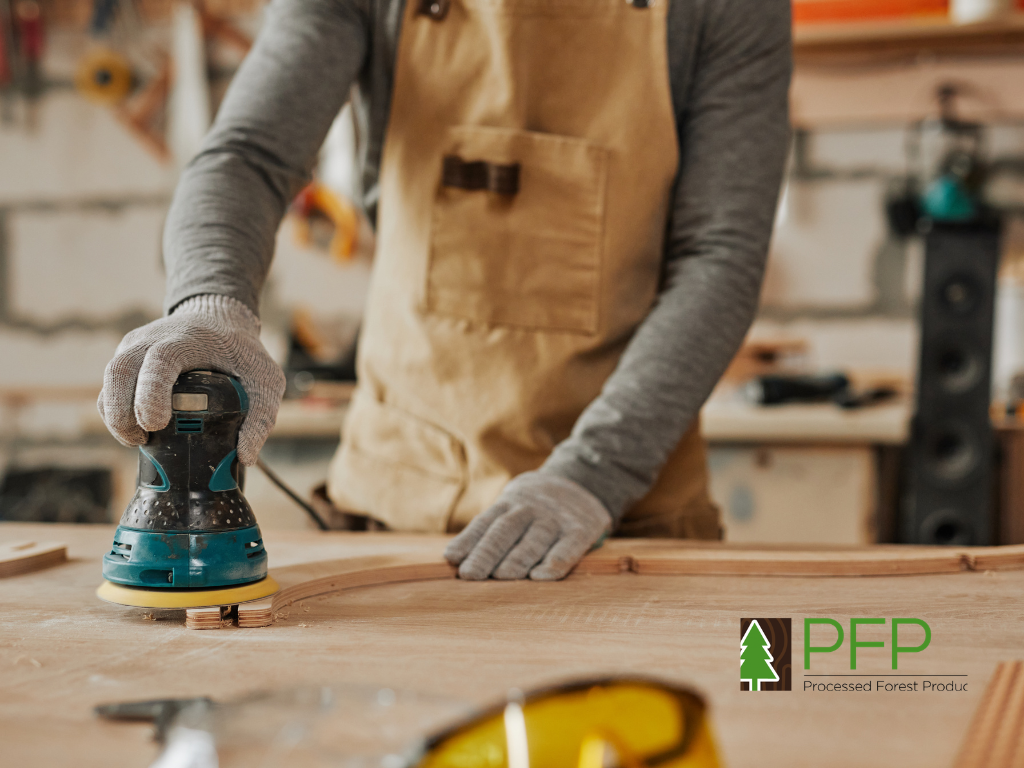
Different veneer species create very different design results. american oak veneer is often used when a project needs a light, warm, and familiar timber look. It can suit kitchens, wardrobes, wall panels, furniture, and calm modern interiors.
anegre timber can offer a pale to warm tone, depending on the cut, finish, and batch. It may suit interiors that need a softer, more subtle grain. Availability and exact appearance should always be checked with the supplier.
wenge veneer creates a much darker and stronger look. It can suit feature panels, luxury joinery, furniture, and spaces where contrast is part of the design. Because dark veneers can make a space feel heavier, they should be used carefully with lighting, flooring, wall colour, and surrounding materials.
The best species is not always the most expensive or dramatic one. It is the one that suits the project’s purpose, light conditions, style, budget, and maintenance needs.
Match the Veneer to the Room
wood veneer design should be planned around the whole room, not just the sample. A veneer can look different depending on lighting, nearby colours, and the size of the surface.
For example, a light veneer may help a small kitchen feel open and calm. A darker veneer may work well in a reception area, restaurant, or feature wall where a richer mood is wanted. A warm neutral veneer can suit offices and homes that need a natural finish without too much visual movement.
Grain direction also affects the final look. Vertical grain can make cabinets and panels feel taller. Horizontal grain can create a wider, more streamlined effect. Book matching, slip matching, and panel layout can also change the final design.
Always review samples in the project setting when possible. Natural daylight, warm artificial light, and commercial lighting can change how veneer appears.
Choose the Right Veneer Format for the Project
When timber veneer panels Work Well
timber veneer panels can work well for many interior applications. They are often used in cabinetry, wall linings, doors, shelving, furniture, reception desks, boardroom joinery, and retail fit-outs.
Panels can give joiners and designers a practical base for fabrication. They may also help create larger timber-look surfaces with better consistency than trying to use small pieces of solid timber. The right panel will depend on the substrate, veneer species, finish, size, and installation method.
For residential projects, veneer panels may suit kitchens, wardrobes, vanities, study nooks, and feature walls. For commercial projects, they may suit offices, hospitality spaces, retail counters, hotel interiors, and public-facing joinery.
Before choosing panels, ask how they will be finished and maintained. A decorative wall panel has different needs from a benchtop edge, a cupboard door, or a busy reception counter.
Check Sheet Size, Substrate, and Finish Needs
Before ordering, confirm the practical details. A veneer that looks right may still cause problems if the panel size, substrate, or finish does not suit the project.
Check details such as:
- Panel size
- Veneer species
- Cut and grain direction
- Substrate type
- Thickness
- Backing
- Matching options
- Finish compatibility
- Edge treatment
- Lead time
- Delivery method
- Storage requirements
Substrate choice can affect stability, weight, fabrication, and where the panel can be used. Finish choice can affect colour, durability, cleaning, and long-term appearance.
If the project needs a specific environmental rating, certification, or product documentation, ask before placing the order. Do not assume that every product in a supplier’s range has the same documentation.
How to Choose the Right Product or Service
Ask Practical Questions Before Ordering
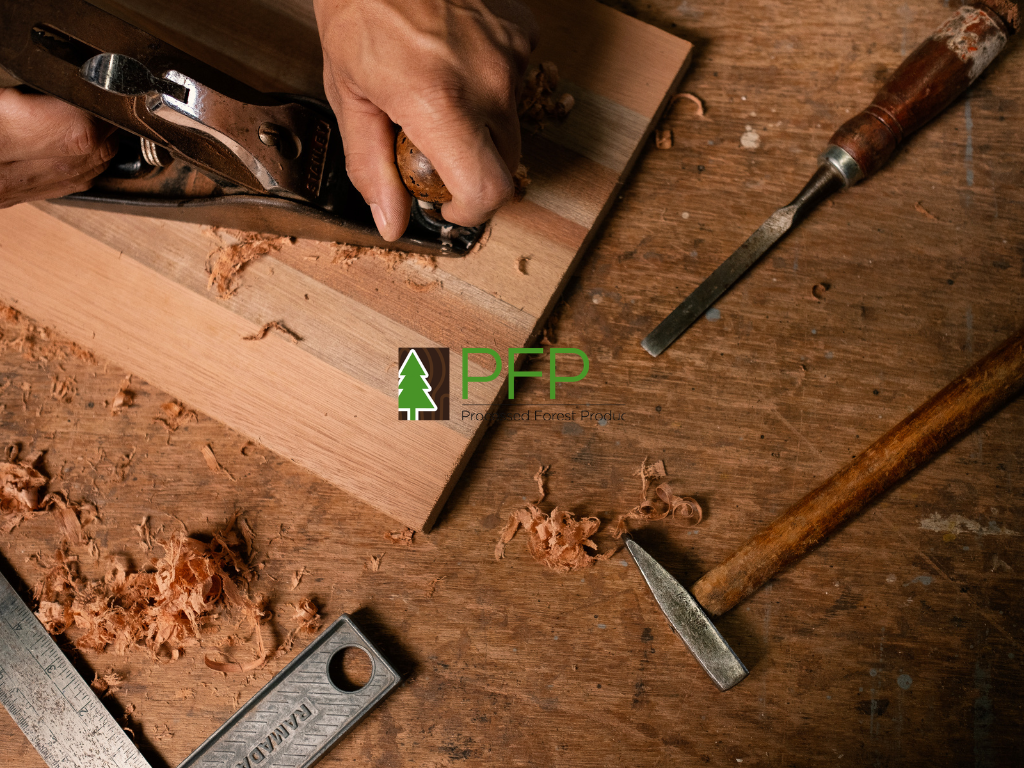
Choosing sustainable veneers becomes easier when you ask practical questions early. This helps you compare products based on suitability, not just appearance.
Useful questions include:
- Is this veneer suitable for my application?
- Is certification available?
- Can I get documentation for the exact product?
- Are current samples available?
- What panel sizes are offered?
- What substrate options are available?
- Can the panels be grain matched?
- What finish is recommended?
- What lead time should I allow?
- How should the panels be stored before use?
- Is delivery available to my project location?
These questions are useful for homeowners, architects, interior designers, builders, joiners, cabinetmakers, and shopfitters. They help reduce confusion and support better decisions.
Match Supplier Support to Your Project
Different projects need different levels of supplier support. A small furniture project may need species advice and sheet availability. A residential kitchen may need samples, finish guidance, and panel matching. A commercial fit-out may need documentation, lead time planning, repeat supply, and coordination with joiners.
If sustainability is a key goal, choose a supplier that can discuss sourcing and product details clearly. If design consistency is important, choose a supplier that understands matching, grain direction, and sample approval.
The right product should suit the design, but the right service should support the project from selection to delivery. This is why supplier communication is just as important as the veneer itself.
Choosing a Supplier in Sydney or NSW
Why Local Sample Access Can Help
When people search for timber veneer sydney, they are often looking for a supplier who can help with samples, product availability, project advice, and delivery. Local access can be useful because veneer is a visual material. Seeing samples in person can make a big difference.
For Sydney and NSW projects, local supply may help with timing, communication, and delivery planning. This can be important for joinery schedules, client approvals, and commercial fit-outs with fixed deadlines.
Local access does not always mean every species or panel is in stock. Some products may still need to be ordered. However, speaking with a supplier early can help you avoid choosing a veneer that is unavailable or unsuitable for your timeline.
When Forest Products May Be Useful to Contact
Forest Products may be useful to contact when you are comparing sustainable veneers, timber veneer panels, fsc certified veneer options, or species such as american oak veneer, wenge veneer, and anegre timber.
This may be especially helpful if you need support with product selection, sample review, panel format, current availability, or project suitability. If your project is in Sydney or NSW, you can also ask about delivery, timber veneer sydney supply options, and lead times.
The best time to speak with a supplier is before the design is fully locked in. That way, you can check whether the preferred veneer is practical, available, and suitable for the application.
When Should You Contact the Company?

Contact a Supplier Before Finalising the Design
You should contact a supplier before finalising the design if veneer is a major visual or performance feature. Early advice can help you choose the right species, panel type, certification, finish, and matching method.
This is important for kitchens, wall panels, doors, reception counters, furniture, and commercial interiors. It is also important when the project has sustainability requirements, tight deadlines, or specific documentation needs.
You should also contact a supplier if you are unsure whether a veneer is suitable for high-use areas. Some applications may need stronger finishes, careful edge detailing, or alternative materials.
Prepare Project Details for Better Advice
Before contacting a supplier, prepare a few details. This will help them recommend suitable options faster.
Useful details include:
- Project type
- Location
- Application, such as cabinetry, wall panels, doors, or furniture
- Preferred timber look or species
- Sustainability or certification requirements
- Approximate quantity
- Panel size requirements
- Finish preference
- Timeline
- Delivery needs
- Whether samples are required
You do not need to know every technical detail before asking for help. However, the more information you provide, the easier it is for the supplier to guide you.
A strong final step is to compare more than the sample colour. Look at certification, product suitability, panel format, lead time, supplier support, delivery, and long-term maintenance. This will help you choose veneer that looks good, works well, and supports a more responsible interior project.
