

Dementia aged care facilities provide residential care and support for older people living with dementia who need assistance with everyday activities, personal care or changing health requirements. For families exploring residential aged care, understanding what a typical day involves can help them assess whether a care environment suits their loved one’s needs, preferences and personality.
Living with dementia can affect memory, communication, decision-making and the ability to complete familiar tasks. However, every person experiences dementia differently. Some residents may enjoy social activities and group conversations, while others feel more comfortable with quiet routines, individual interests and familiar surroundings.
Daily life in residential aged care should involve more than receiving assistance with meals, dressing and medication. Opportunities for meaningful activities, personal choices, relationships and relaxation are also important.
When comparing care homes, families should consider how everyday routines are organised, whether activities reflect residents’ interests and how staff respond to individual needs. These details can provide useful insight into the experience of living in a particular facility.
What Daily Life Looks Like in Dementia Aged Care Facilities
Daily routines in residential aged care generally include personal care, meals, rest, social interaction and opportunities to participate in activities.
Residents may receive assistance with getting dressed, grooming, moving around the facility or attending meals. The amount of support depends on their individual abilities, preferences and care requirements.
Some people enjoy participating in activities during the morning, while others prefer a slower start to the day. An appropriate care approach should recognise these differences rather than expecting everyone to follow an identical schedule.
Throughout the day, residents may spend time in communal areas, participate in organised activities, enjoy outdoor spaces or relax in their rooms.
Nursing and personal care staff also assist with health-related needs according to each resident’s care plan.
Families should ask whether routines can be adjusted to accommodate personal preferences, including usual waking times, meals, rest periods and favourite activities.
A supportive daily routine should provide appropriate care while allowing residents meaningful opportunities to make choices about how they spend their time.
Why Familiar Routines Matter for People Living With Dementia
Familiar routines can provide comfort and predictability for people living with dementia.
Changes in surroundings, schedules or communication may sometimes create confusion or distress, particularly when a person finds it difficult to understand what is happening around them.
Maintaining recognisable activities can help make the day feel more manageable.
For example, someone who has always enjoyed reading the newspaper may appreciate continuing that activity, even if they now need assistance or prefer looking through photographs.
A person who previously enjoyed gardening might find satisfaction in watering plants or spending time outdoors.
Familiar belongings, preferred music, regular mealtimes and consistent communication can also contribute to a comfortable environment.
However, routines should remain flexible. A person may become tired, lose interest in an activity or develop different needs as dementia progresses.
Staff should recognise these changes and adjust support without removing opportunities for choice.
The aim is to preserve familiar experiences while responding respectfully to the person’s current abilities and wellbeing.
Meaningful Activities That Support Everyday Wellbeing
Activities are an important part of everyday life in dementia specific aged care facilities because they provide opportunities for enjoyment, movement, social connection and personal expression.
Meaningful engagement does not necessarily involve large organised events. Simple activities connected to a person’s interests and life experiences can be equally valuable.
The most suitable approach depends on what the individual enjoys and how they prefer to participate.
Activities Commonly Offered in Dementia Aged Care Facilities
Residential aged care homes may offer activities such as music, gentle exercise, arts and crafts, gardening, reading, games and social gatherings.
Music can be particularly meaningful when it reflects songs or cultural traditions familiar to the resident.
Some people enjoy singing, listening to favourite recordings or participating in simple musical activities.
Others may prefer creative activities such as painting, arranging flowers or looking through photographs.
Gentle movement may also be included in daily routines where it is appropriate for the person’s mobility and health.
Walking, stretching or participating in suitable seated exercises can provide opportunities for physical activity.
Familiar household tasks can also be meaningful. For example, folding towels, arranging items or helping with simple preparations may provide a sense of involvement for someone who previously enjoyed these activities.
Participation should always reflect personal choice.
Residents should not feel pressured to join activities they dislike or are unable to manage comfortably.
Families comparing care homes can ask how activities are adapted for different abilities and whether individual engagement is available for residents who prefer quieter experiences.
How Personal Interests Shape Dementia Care Activities
Personalised activities begin with understanding the individual.
A resident’s previous occupation, hobbies, family traditions, cultural background and interests can provide useful information about what they may enjoy.
For example, someone who worked as a gardener may appreciate spending time around plants, while a former musician might respond positively to familiar songs.
Another resident may enjoy looking at photographs of family gatherings, discussing past experiences or participating in activities connected to their cultural heritage.
Families can help care staff understand these preferences by sharing information about the person’s life and interests.
This knowledge can be especially helpful when communication becomes more difficult.
However, activities should not be chosen solely on the basis of what someone enjoyed in the past.
Preferences may change, and an activity that was once enjoyable may become tiring or frustrating.
Care staff should observe how the person responds and adjust the activity when necessary.
Dementia Australia encourages activities that reflect individual interests, abilities and cultural background while supporting enjoyment and meaningful engagement.
The purpose is not to measure achievement or performance. It is to create opportunities for comfort, participation and personal satisfaction.
Social Connections and Emotional Comfort
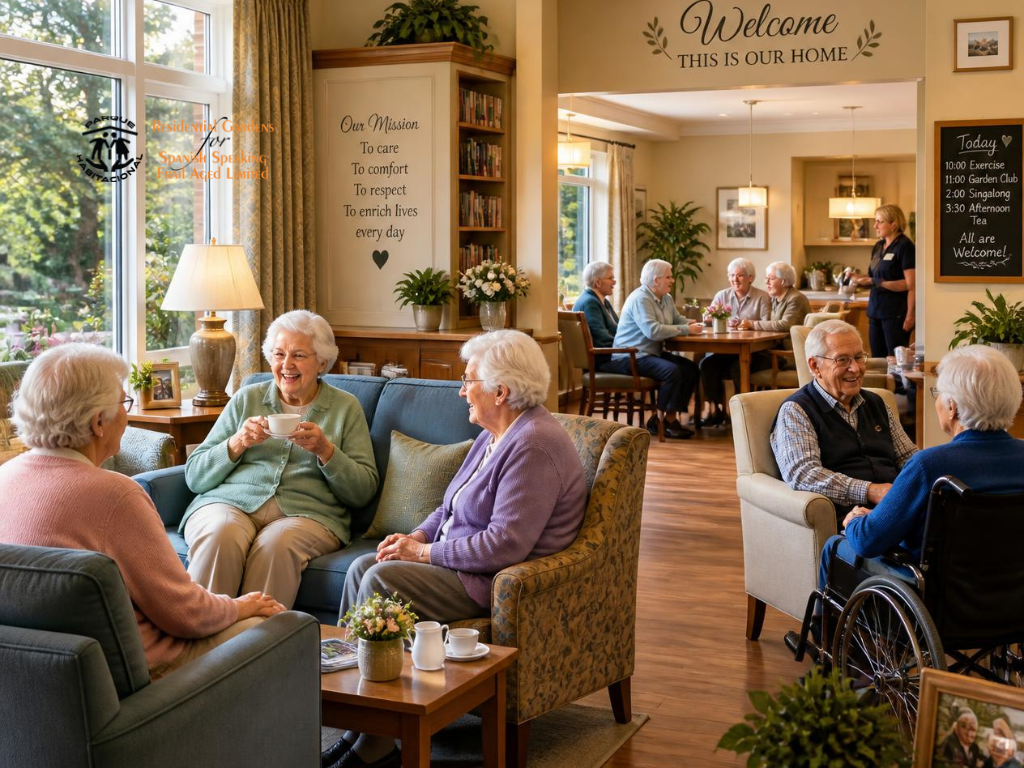
Maintaining relationships and opportunities for communication is an important consideration in dementia aged care facilities.
People living with dementia may experience changes in how they communicate, but this does not mean they no longer value companionship, affection or familiar relationships.
A supportive care environment should recognise different communication needs and provide opportunities for connection without overwhelming residents.
Supporting Social Interaction in Dementia Aged Care Facilities
Social interaction can take many forms.
Some residents enjoy shared meals, group activities and conversations with other people. Others may prefer individual visits, quieter discussions or spending time with a familiar staff member.
The most suitable arrangement depends on the person’s personality, comfort and current abilities.
For someone who previously enjoyed social gatherings, a small group activity may provide a welcome opportunity to connect with others.
For another person, a quiet conversation over a cup of tea may be more comfortable.
Staff should consider factors such as hearing difficulties, communication changes, fatigue and sensitivity to noise when encouraging participation.
Residents should also have opportunities to maintain relationships with family and friends.
Regular visits, telephone conversations and other appropriate communication arrangements can help support these connections.
When comparing dementia and memory care facilities, families can ask how staff encourage interaction for residents who find group activities difficult.
Meaningful social engagement should be inclusive without assuming that everyone enjoys the same level of activity.
Helping Residents Feel Comfortable and Included
Emotional comfort often depends on how people are treated throughout ordinary daily interactions.
Speaking calmly, allowing enough time for responses and offering reassurance can support communication with someone living with dementia.
Staff should approach residents respectfully and avoid assuming that difficulty expressing a thought means the person cannot communicate a preference.
Body language, facial expressions and changes in behaviour may provide important information about comfort or distress.
For example, a resident may become unsettled in a noisy communal area but appear more relaxed in a quieter space.
This does not necessarily mean they should stop participating in social activities. It may indicate that a smaller group, different activity or quieter environment would be more suitable.
Familiar surroundings and consistent approaches to communication may also help residents feel more comfortable.
Families should observe whether staff speak directly to residents, explain what they are doing and respond patiently when someone needs additional time.
Feeling included is not simply about being present during an activity. It involves being treated as an individual whose preferences and feelings continue to matter.
Meals, Personal Care and Daily Independence
Everyday care is a central part of life in dementia aged care for dementia patients facilities.
Meals, dressing, bathing and other personal activities can become more difficult as dementia progresses, but residents should still receive support that respects their preferences, dignity and independence.
Good care involves providing appropriate assistance without automatically taking over tasks that a person can continue to perform.
How Dementia Aged Care Facilities Support Mealtimes
Mealtimes provide opportunities for nutrition, enjoyment and social interaction.
For residents living with dementia, the dining environment and type of assistance available may influence how comfortably they eat and drink.
Some people may need reminders that a meal has been served, while others require physical assistance or additional time to finish eating.
Familiar foods and personal preferences can be particularly important.
A resident who has followed specific cultural or religious dietary practices should have those needs considered during care planning.
A calm dining environment, suitable seating and clearly presented meals may also help.
As dementia progresses, some people experience changes in appetite, food recognition, swallowing or the ability to use utensils.
These difficulties require individual assessment and appropriate care.
Where swallowing problems are suspected, advice from relevant health professionals, including speech pathologists, may be necessary.
Changes to food texture or fluid consistency should follow professional assessment rather than assumptions.
Families can ask how a home monitors nutrition, hydration and changes in eating habits, and how dietary preferences are incorporated into everyday care.
Encouraging Independence With Everyday Activities
Independence does not always mean completing an activity without assistance.
For someone living with dementia, it may involve choosing what to wear, participating in grooming or completing part of a familiar task with appropriate support.
Even small decisions can help maintain personal choice and dignity.
For example, a resident may be offered a choice between two suitable outfits rather than being dressed without consultation.
During personal care, staff can explain each step and allow the person time to participate where possible.
The level of assistance should reflect the person’s abilities, comfort and safety.
Some people may continue managing particular activities with gentle reminders, while others require more direct support.
Care arrangements should be reviewed as needs change.
The Aged Care Quality and Safety Commission provides guidance on supporting everyday decision-making for people living with dementia, emphasising person-centred care and respect for individual preferences.
Families should ask how staff encourage residents to participate in everyday activities and how care plans are adjusted when their abilities change.
Preserving independence involves recognising what a person can still do rather than focusing only on the assistance they require.
Creating Comfortable and Supportive Living Environments

The physical environment can influence how residents experience everyday life in dementia aged care facilities.
Clear layouts, comfortable spaces, appropriate lighting and accessible facilities may help people move around more confidently.
However, environmental features need to be considered alongside staffing, individual care plans and the resident’s preferences.
Safety and Comfort in Dementia Aged Care Facilities
People living with alzheimers in nursing homes may experience changes in spatial awareness, visual perception or their ability to recognise familiar locations.
A thoughtfully designed environment can help reduce unnecessary confusion and support movement throughout the home.
Clear signage, suitable lighting and recognisable landmarks may make it easier to identify bedrooms, bathrooms and communal spaces.
Furniture placement and flooring should also support safe movement, particularly for residents who use mobility aids.
Comfortable seating, quiet areas and access to suitable outdoor spaces can provide choices about where residents spend their time.
Some people enjoy walking, so appropriate opportunities for movement are important.
Safety arrangements should be proportionate to individual needs and should respect residents’ rights, freedom and dignity.
Restricting movement should not be treated as the default response to dementia.
Families should ask how a facility supports residents who walk frequently, become disoriented or need assistance finding their way around.
They should also consider whether private rooms can accommodate familiar belongings, photographs and other personal items where appropriate.
A comfortable environment should feel like a place to live, rather than simply a setting where care tasks are completed.
Understanding Dementia-Specific and General Aged Care Homes
Not every residential aged care home provides the same type of dementia support.
Some general aged care nursing homes support residents living with dementia through individual care plans, trained staff and suitable services within the broader residential community.
Other providers offer dementia-specific aged care facilities or dedicated areas designed for people with particular cognitive, behavioural or support needs.
Families researching Alzheimer’s nursing home dementia or memory care residential homes may encounter different terminology used by providers.
In Australia, these descriptions do not necessarily represent one standard type of facility or guarantee a particular level of specialist care.
It is important to understand exactly what the provider offers.
For example, a dedicated dementia area may have specific environmental features or staffing arrangements, while another home may support residents living with dementia without operating a separate unit.
Not every person living with dementia requires specialist accommodation.
The appropriate setting depends on the individual’s needs, preferences, clinical circumstances and the provider’s ability to deliver suitable care.
Before choosing a home, families should ask whether the facility can meet current care requirements and how it responds if those needs increase.
Family Involvement and Changing Care Needs
Families and friends can remain important parts of a resident’s life after moving into aged care.
For dementia aged care facilities, maintaining communication with people who know the resident well can support personalised care and continuity.
Family involvement may also provide useful insight when a person’s preferences or communication abilities change.
How Families Can Stay Involved in Dementia Aged Care Facilities
Family members often have valuable knowledge about the person’s life history, interests, routines and preferred ways of communicating.
Sharing this information with care staff can help support everyday interactions.
For example, a family member may know which music the person enjoys, which foods are familiar or which situations tend to cause discomfort.
This information can assist staff when planning activities, meals and personal care.
Families may also participate in care planning discussions and provide feedback about changes they observe.
Regular communication is particularly important when a resident’s health or support needs change.
A suitable provider should explain how care plans are reviewed, who families can contact and how concerns are addressed.
Visiting arrangements are another consideration.
Families should ask about opportunities to spend time with the resident, participate in suitable activities and maintain important relationships.
However, the resident’s preferences and consent should remain central wherever possible.
Family involvement should support the person’s wellbeing without overlooking their right to make decisions about their own life.
Adapting Activities as Dementia Progresses
Dementia is generally progressive, meaning a person’s abilities and support needs may change over time.
Activities that were previously enjoyable may become more difficult because of changes in memory, communication, mobility or concentration.
This does not mean that meaningful engagement should stop.
Instead, activities can be adapted to reflect the person’s current abilities.
For example, someone who previously enjoyed gardening may move from active planting to watering small pots or simply spending time in an outdoor garden.
A person who once enjoyed reading independently may prefer listening to familiar stories or looking through photographs.
Music, gentle conversation and sensory experiences may remain meaningful even when verbal communication becomes limited.
Care staff should pay attention to signs of enjoyment, tiredness, frustration or discomfort and adjust activities accordingly.
Rest is also important. Not every part of the day needs to be filled with organised activities.
Families comparing aged care for people living with dementia should ask how providers adapt daily routines and activities as needs change.
A flexible, person-centred approach recognises that quality of life involves comfort, relationships and choice as well as participation in structured programs.
Choosing a Home That Supports Meaningful Daily Life
Choosing between dementia aged care facilities involves understanding whether a home can meet an individual’s care needs while providing opportunities for comfort, dignity and meaningful daily experiences.
For families across Sydney and Western Sydney, location may influence how frequently relatives can visit, but the suitability of care should remain an important part of the decision.
An informed comparison should consider what actually happens throughout an ordinary day, not just how the facility appears during a scheduled tour.
What to Look for When Visiting Dementia Aged Care Facilities
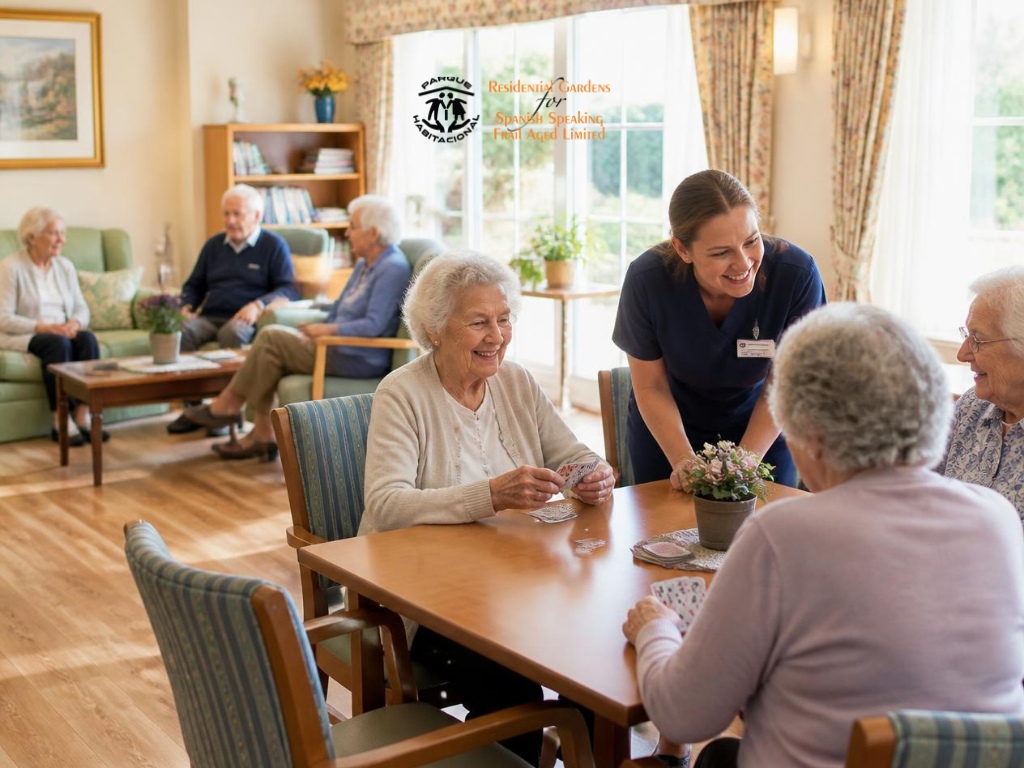
Visiting a residential aged care home provides an opportunity to observe the environment and ask how residents are supported during everyday activities.
Families should pay attention to how staff communicate with residents and whether interactions appear respectful and patient.
It is also useful to observe how activities are organised.
A facility may offer a published activity calendar, but families should ask whether residents can choose how they participate and whether individual interests are considered.
Dining arrangements, quiet spaces, outdoor access and private accommodation also deserve attention.
For someone living with dementia, a busy environment may feel overwhelming, so suitable places for rest and quieter activities can be important.
Families can ask how staff support residents who prefer individual activities or who have difficulty participating in group programs.
The Australian Government’s My Aged Care website provides information about residential aged care and allows families to compare providers.
Dementia Australia also recommends considering staff knowledge, personalised care, communication, environmental design and family involvement when choosing residential care.
The best decision is based on how the available services match the person’s individual needs rather than assuming every dementia care home provides the same experience.
Questions to Ask About Lifestyle and Dementia Support
When speaking with an aged care provider, families should explain the person’s current care requirements, interests and preferred routines.
It is useful to ask how the home learns about each resident’s background and how that information influences daily activities.
Families should also understand how staff support people who have difficulty communicating, how changes in behaviour are assessed and how health concerns are managed.
Questions about nursing care, access to relevant health professionals and the review of individual care plans can provide further insight.
For families comparing general residential aged care homes and specialist dementia accommodation, it is particularly important to confirm whether the provider offers dedicated dementia-specific services or supports residents within a broader aged care setting.
The home’s approach to family involvement, cultural preferences, meals and changing care needs should also be discussed.
In Australia, residential aged care providers are subject to applicable requirements under the strengthened Aged Care Quality Standards, which came into effect on 1 November 2025.
These standards place importance on safe care, individual rights, personal preferences and quality of life.
Families can review available provider information and Star Ratings through My Aged Care’s provider search.
If you are exploring residential care for someone living with dementia, consider arranging visits to suitable homes and discussing the person’s needs directly with each provider.
Ask how daily activities are personalised, what support is available as dementia progresses and whether the environment suits the person’s communication, mobility and care requirements.
The most appropriate dementia aged care facility is not necessarily the one with the longest activity calendar or most modern accommodation. It is one that can provide suitable care while respecting the person’s identity, relationships, comfort and right to participate in everyday life.
