

Custom enclosed trailers can provide secure storage, weather protection and a layout built around specific equipment. However, the trailer must do more than look organised.
It needs enough payload for the intended cargo. It must also suit the tow vehicle, provide safe loading access and remain practical when fully loaded.
A tradesperson may need quick access to tools and charging equipment. A motorbike owner may need wheel restraints, tie-down points and room to move safely. A mobile business may need shelving, lighting and a clear working area.
These different uses require different layouts. For that reason, planning should begin with the load rather than a standard trailer size.
This guide explains how to prepare a practical design brief and compare custom made trailers before placing an order.
Start by identifying the main purpose of the trailer.
A custom trailer for motorcycles requires a different floor plan from one carrying tools, machinery or retail stock. Even trailers with similar outer dimensions can need very different doors, ramps and internal fittings.
The builder needs accurate information before recommending a size or layout.
Measure the Main Equipment and Cargo
Measure every large item that will travel inside the trailer.
Record its length, width and height. Include handles, wheels, guards and other parts that extend beyond the main body.
Next, estimate the weight of each item. This may include motorcycles, mowers, generators, compressors, toolboxes or mobile display equipment.
Do not measure the equipment alone. Allow room for ramps, straps and safe movement around the load.
For a custom motorbike trailer, measure the motorcycle with the handlebars and mirrors in their normal position. Also allow space for wheel chocks and tie-down straps.
A custom bike trailer that carries more than one motorcycle needs clear loading paths. The bikes should not block doors, storage or each other’s restraint points.
Where tools or machinery will be loaded by hand, consider lifting height. Heavy equipment may need a lower loading angle or mechanical help.
Plan for Normal Use Rather Than Rare Situations
Many buyers plan around the largest load they might carry one day.
This can lead to a trailer that is larger and heavier than needed for normal work. It may also require a different tow vehicle or storage area.
Instead, design the trailer around regular use. Then allow sensible flexibility for likely changes.
Adjustable shelving and movable restraint points may provide useful flexibility. Removable racks can also help when cargo changes between jobs.
However, every added feature uses space and adds weight. More equipment can also make cleaning and maintenance harder.
The goal is not to fill every wall. A practical trailer needs clear access and a safe place for each important item.
Match the Trailer to the Tow Vehicle
The tow vehicle should guide the design from the beginning.
A trailer can have a strong chassis and quality fittings but still be unsuitable for the vehicle pulling it. The loaded trailer must remain within all relevant vehicle, towbar and trailer limits.
Check the exact specifications for the vehicle model rather than relying on a general towing claim.
Check Vehicle and Towbar Limits First
Review the vehicle manufacturer’s towing information.
Relevant limits may include braked towing capacity, unbraked towing capacity and maximum towball load. Gross vehicle mass and gross combination mass may also affect the final setup.
The towbar has its own rating. It should suit both the vehicle and the proposed trailer.
Do not assume that fitting a stronger towbar increases the vehicle manufacturer’s towing limit.
Passengers, tools and equipment inside the tow vehicle can also affect available capacity. A heavily loaded vehicle may leave less room within its overall limits.
Provide the exact make, model and year of the tow vehicle when speaking with a builder. Ask how the proposed trailer relates to those limits.
Estimate the Complete Loaded Weight
The trailer’s empty weight is only the starting point.
Cargo, shelves, toolboxes and spare wheels all add mass. So do batteries, water tanks, ramps and electrical equipment.
An enclosed body will generally weigh more than a basic open trailer of similar size. This reduces the amount of cargo that can fit within the final mass rating.
Estimate the weight of everything that will normally travel inside. Include smaller tools because their combined weight can become significant.
A motorcycle trailer may also carry riding gear, fuel containers, stands and spare parts. A tradesman trailer may include hundreds of individual tools and consumables.
Ask the builder for the expected empty weight and the proposed mass rating. The difference helps indicate the available payload.
The finished trailer may need to be weighed to confirm its actual tare mass and support registration requirements.
Choose the Right Body, Axles and Access
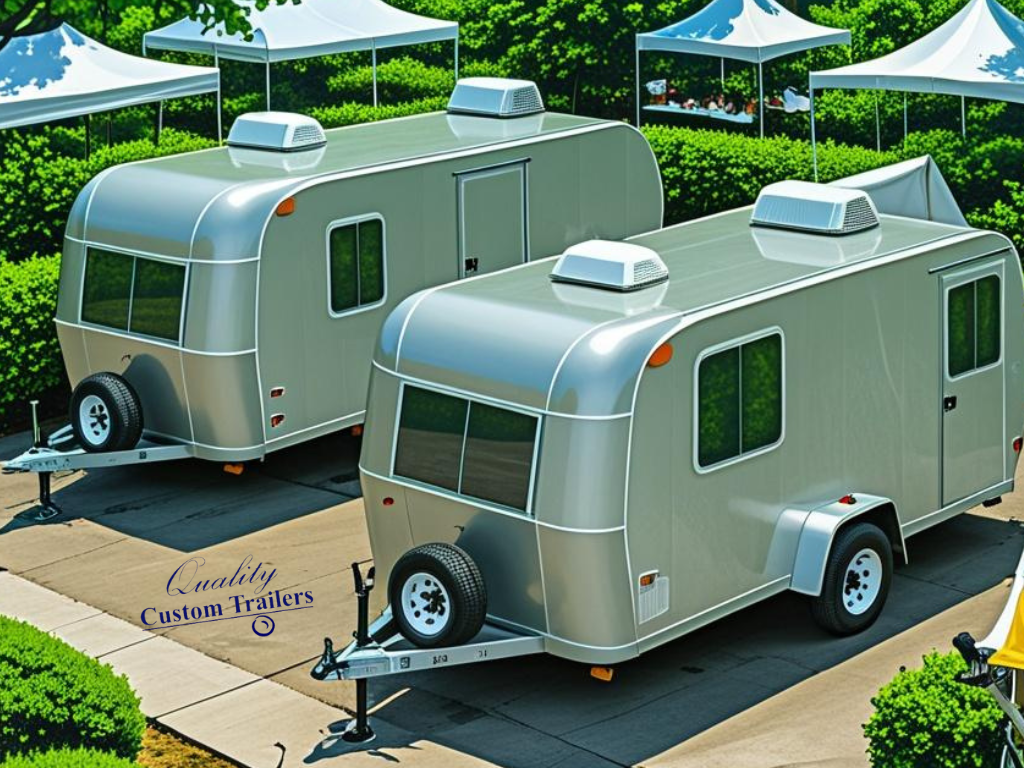
The body design should make loading and daily use simple.
A tall, wide trailer may provide more internal space. However, it can also add weight and require more storage room.
Doors and ramps must work in real parking areas, not only in an open workshop.
Compare Enclosed Body Layouts
A rear ramp can help load motorbikes and wheeled equipment.
The ramp must be wide enough for the load. It also needs a suitable angle and load rating.
Barn doors can provide full rear access without creating a long ramp behind the trailer. However, they require enough side clearance to open.
A separate side door may improve access to tools or the front of the cargo area. Its position should not interfere with shelving, wheel guards or the loaded equipment.
Internal height also matters. A taller body may help users stand upright and carry high equipment.
Extra height can add surface area and affect towing. It may also prevent the trailer from fitting under a carport or garage door.
Before approving the body, check the full outside dimensions. Include roof vents, racks and other fittings.
Select an Axle and Suspension Arrangement
Axle choice depends on the expected load, body size and intended use.
A single-axle trailer can be easier to move in a small yard. It may suit lighter loads and shorter body designs.
A tandem-axle trailer uses more tyres and components. It may suit different load and trailer-size requirements, but it adds weight and maintenance.
Neither setup is automatically best for all custom enclosed trailers.
Suspension should match the expected roads and cargo. A trailer used on sealed roads has different needs from heavy duty off road trailers used on rough access tracks.
An off-road appearance does not confirm off-road capability. Ground clearance, suspension travel, tyres, chassis design and component protection all need review.
Tell the builder where the trailer will travel. Ask why the proposed axle and suspension setup suits those conditions.
Design Safe Storage and Load Restraint
Internal storage should support the user’s normal routine.
A trailer can look impressive while empty but become difficult to use once every shelf and compartment is full.
Start with the largest cargo. Then arrange storage around it.
Position Storage Around Everyday Tasks
Place frequently used tools near an easy access point.
Items needed several times each day should not sit behind a motorbike or large machine. This would require unloading cargo for simple tasks.
Heavy tools should sit low where possible. This can make lifting easier and help avoid placing unnecessary weight high on the trailer walls.
Deep shelves can hold large equipment. However, they may waste space when used for small items.
Drawers should open fully without hitting doors or cargo. Their locks should also prevent movement during travel.
For custom truck trailers or mobile workshop layouts, allow enough standing and working space. Storage should not leave only a narrow path through the trailer.
Measure toolboxes and storage containers before finalising the design. Do not rely on estimated dimensions.
Include Suitable Tie-Down and Restraint Points
Cargo can move during braking, cornering and travel over uneven roads.
Tie-down points should match the actual load. Their number and position matter as much as their stated rating.
A motorbike may need a front wheel chock and restraint points on both sides. The straps should have a clear path and should not rub against sharp edges.
Machinery may require floor-mounted restraints placed close to its wheels or frame.
Smaller tools still need secure storage. Loose equipment can damage the trailer or other cargo.
Ask the builder how restraint points connect to the structure. A fitting attached only to thin lining may not provide the same support as one fixed into a suitable structural area.
The user remains responsible for loading and securing cargo correctly. The final restraint method should suit the load and applicable transport requirements.
Plan Lighting, Power, Ventilation and Security
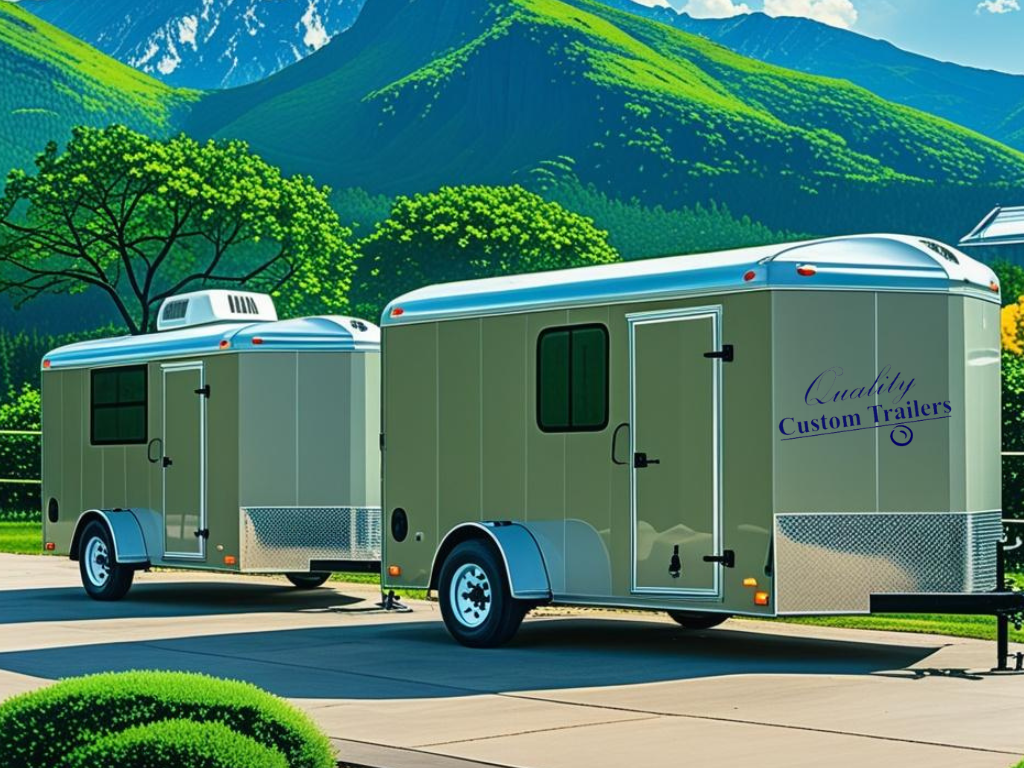
Electrical features can make an enclosed trailer easier to use.
However, a complicated system may add weight, cost and maintenance. Choose equipment that supports a real task.
Ventilation and security also need early planning because they affect the body layout.
Choose Practical Electrical and Ventilation Features
Internal LED lighting can help users find tools and secure cargo in low light.
Position the lights so shelves and tall equipment do not block them. A switch near each main door may improve convenience.
Some customised trailers include batteries, charging points or an inverter. A mobile workshop may also use external power connections.
The electrical design should account for load, cable protection, charging and safe isolation. Ask who installs the system and what documentation comes with it.
Ventilation can matter when carrying motorbikes, fuel-powered equipment or items that hold moisture or heat.
Roof vents and wall vents may improve airflow. However, their locations should reduce the chance of water and dust entering.
Do not rely on general ventilation for hazardous fumes. Fuel and chemicals require suitable storage and handling based on the product and intended use.
Add Security Without Making Access Difficult
An enclosed body can hide tools and equipment from public view. It does not remove the risk of theft.
Consider door locks, internal locking systems and secure storage compartments.
A hitch lock or wheel lock may provide another layer of protection when the trailer is parked. Tracking devices may also support recovery, but no product can guarantee security.
Think about where the trailer will stay overnight. A trailer stored in a locked yard has different needs from one parked on the street.
Security features should not slow daily work so much that users stop using them.
Ask whether the locks and doors can be serviced or replaced. This can matter after years of regular use.
Check Compliance and Compare Builders
Road compliance must form part of the design process.
The Australian Design Rules provide national technical standards for new road vehicles. Federal vehicle laws also include pathways for approving low and high ATM trailers before supply to the Australian market.
Registration and road-use requirements can then vary by state or territory.
Confirm How the Trailer Will Meet Australian Requirements
Ask which vehicle category and mass rating apply to the proposed build.
The builder should address items such as identification, lighting, reflectors, coupling equipment, tyres, guards and safety chains where required.
Braking requirements depend on the trailer’s category and mass. The builder should explain the proposed system rather than simply describe it as road legal.
Custom made trailers may also need approval information for entry on the Register of Approved Vehicles or another applicable pathway.
Any statement about registration should relate to the finished trailer. Changes in body size, axle setup or loaded rating may affect the required information.
Keep all documents provided at handover. They may help with registration, insurance, servicing and resale.
Compare Written Specifications and Support
Do not compare trailers only by photographs and outside dimensions.
Request a written specification for the chassis, floor, walls and roof. It should also cover axles, suspension, brakes, coupling, wheels and tyres.
The quote should identify doors, ramps, shelves, lighting and other accessories.
Ask whether the price includes registration-related documents, delivery and optional extras.
Design approval should happen before fabrication begins. Review dimensions, door positions and main storage areas carefully.
Any later variation should be recorded in writing. A change can affect price, weight and completion time.
Quality Custom Trailers may be considered when a buyer needs an enclosed layout designed around motorcycles, trade equipment or another specific load. Its materials, available sizes, mass ratings and build process should be confirmed for the proposed trailer.
Know When to Contact the Trailer Company
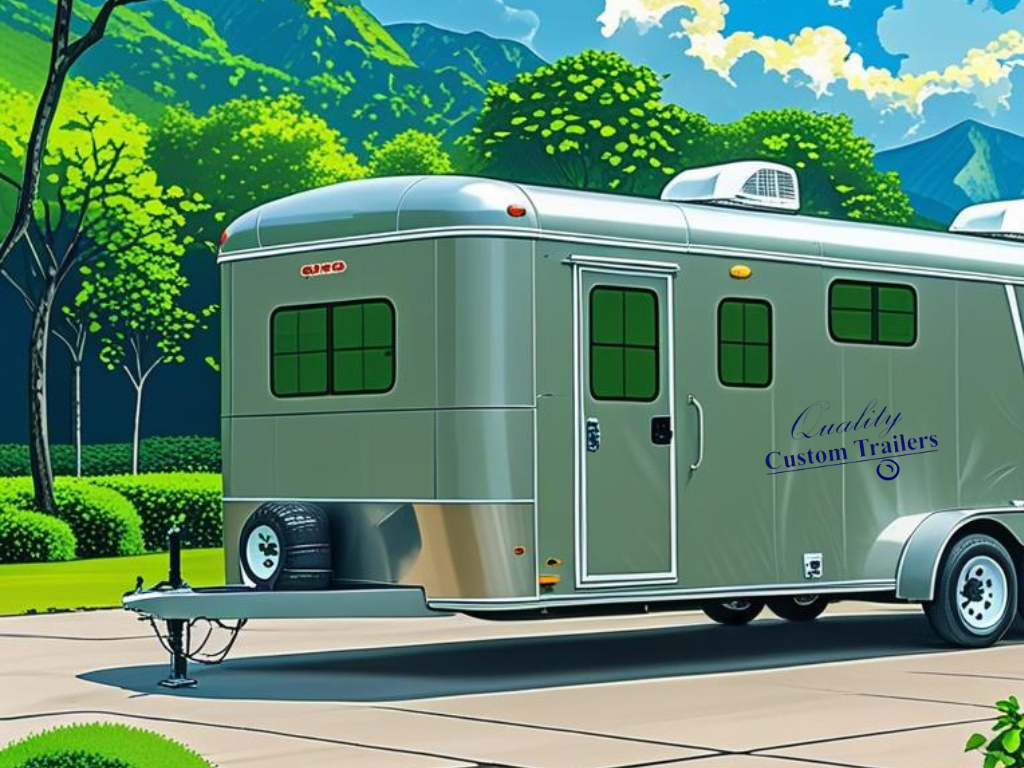
Contacting a builder early can prevent costly design changes.
You do not need to prepare a finished engineering drawing before making an enquiry. However, accurate load and vehicle details will improve the discussion.
The builder can then explain what needs further review.
Ask for Advice Before Fixing the Layout
Seek advice when you are unsure about trailer size, payload or axle arrangement.
Builder input may also help when doors and ramps must fit around large equipment.
For custom motorbike trailers, discuss the number and type of bikes. Include their weight, length and handlebar width.
People comparing bike trailers Sydney may also need to consider storage at home and access through local streets or driveways.
For trade layouts, explain which tools need daily access. Also identify any equipment that will remain permanently installed.
Ask about the expected empty weight before adding optional features. This helps you understand how each item may affect payload.
Provide Complete Information When Requesting a Quote
Tell the builder what the trailer will carry.
Provide the dimensions and estimated weight of all large items. Include the tow vehicle’s make, model and year.
State whether you need a rear ramp, barn doors or side access. Mention preferred internal height and any storage limits at home.
Describe shelving, drawers, lighting, power and security needs.
Also explain whether the trailer will stay on sealed roads or travel on rough tracks.
When contacting Quality Custom Trailers, ask for a written proposal. It should confirm the main design, included components, expected mass, compliance process, price and estimated build time.
A useful enclosed trailer should protect the cargo and make loading easier. It should also remain within the limits of the tow vehicle.
Careful planning helps prevent wasted space, poor access and unnecessary weight. Compare the complete design and written specification before ordering.
Relevant internal links could include custom motorbike trailers, custom bike trailer options, heavy duty off road trailers, box trailers Sydney, trailer accessories, design services, warranty information and the Quality Custom Trailers contact page.
