

Commercial electrical maintenance is not only about fixing faults as they appear. For businesses, warehouses and commercial properties, regular maintenance can also reveal whether the existing electrical system is still suited to the way the building is being used. Repeated circuit trips, ageing switchboards, growing equipment loads and changes to business operations can all indicate that a wider electrical assessment may be worthwhile.
This does not mean every fault requires an upgrade. In many cases, a specific repair is all that is needed. The value of ongoing maintenance is that it creates an opportunity to identify patterns, understand the condition of the electrical infrastructure and decide whether continuing with individual repairs still makes practical sense.
In Australia, businesses also have duties to ensure workplace electrical equipment is safe to use. Safe Work Australia recommends investigating why protective devices such as RCDs or circuit breakers have disconnected the electricity rather than simply resetting them without identifying the cause.
Commercial electrical maintenance gives businesses an opportunity to look beyond a single electrical fault and consider what is happening across the wider system.
A one-off circuit trip may have a straightforward explanation. If the same problem keeps returning, however, maintenance records and fault-finding can help establish whether the issue is isolated or part of a broader electrical problem.
Recurring Faults Can Point to an Underlying System Issue
Circuit breakers and RCDs are protective devices. When they repeatedly operate, the cause should be investigated rather than assuming the device itself is the problem.
Safe Work Australia specifically advises businesses to work out why an RCD, circuit breaker or other over-current protective device disconnected the electricity before it is switched back on.
Recurring faults may have many possible causes. These can include problems with particular equipment, damaged wiring, circuit loading or another defect that requires investigation. The cause cannot reliably be determined simply from the fact that a breaker has tripped.
This is where commercial electrical maintenance becomes useful. Instead of treating every occurrence separately, an electrician can consider what equipment was operating, which circuit was affected and whether the same issue has happened previously.
If a specific fault can be repaired, an upgrade may not be necessary. If the investigation shows broader limitations in the existing system, further assessment can then be considered.
Maintenance History Can Show Patterns Over Time
A maintenance record can provide useful context that is difficult to obtain from a single service visit.
If a circuit has needed repeated attention, a switchboard has required several component replacements or the same area experiences ongoing electrical problems, those records can help an electrician understand how the installation has been performing.
Commercial electrical system maintenance can therefore support longer-term planning as well as immediate fault resolution.
Businesses can keep records of completed electrical work, equipment changes, recurring faults and previous recommendations. When future work is required, this information can help explain whether the problem is new or has been developing over time.
Commercial Electrical Maintenance Can Highlight Growing Power Demand
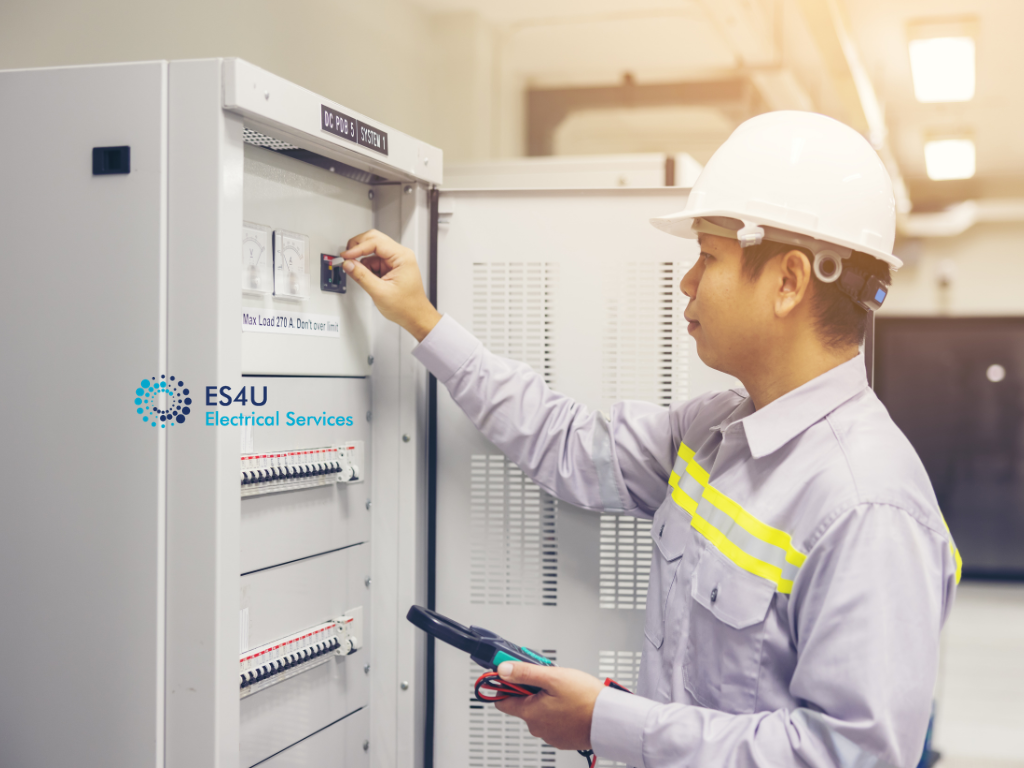
Commercial electrical maintenance can become particularly important when a business has changed significantly since the building’s electrical infrastructure was installed.
A property that once supported a relatively simple office or warehouse may later need to power additional machinery, refrigeration, air conditioning, IT equipment, charging systems or other electrical loads.
New Equipment Can Change What the Existing System Needs to Supply
Businesses rarely remain electrically static.
A company may add more workstations, upgrade machinery, expand a production area, introduce new refrigeration equipment or install additional air conditioning. Warehouses may add charging equipment, automated systems or more extensive lighting.
Each change can alter the way electricity is used throughout the building.
An individual appliance may appear to be the immediate concern, while the more important question is whether the existing circuits and distribution system have been assessed for the new operating requirements.
Commercial electrical maintenance provides an opportunity to identify these changes and determine whether further load assessment is appropriate.
This is particularly useful when planning a commercial electrical project. Reviewing the existing installation before new equipment arrives can help clarify whether the available infrastructure is suitable or whether additional electrical work should form part of the project.
Warning Signs Should Be Investigated Rather Than Normalised
Businesses sometimes become accustomed to electrical issues because they have been occurring for a long time.
Repeated breaker operation, flickering lighting, unusual switchboard sounds or recurring supply problems should not simply become accepted as part of operating the premises.
Not every symptom means that the entire electrical installation needs to be replaced, but repeated problems justify investigation.
The goal of commercial electrical maintenance is to determine why the issue is occurring.
If the cause is an isolated component or circuit fault, a targeted repair may solve the problem. If the assessment identifies limitations in the wider distribution system, a commercial electrical service upgrade may then become a more appropriate discussion.
This distinction matters because businesses should not invest in major upgrade work without understanding why it is required.
Commercial Electrical Maintenance Can Reveal Switchboard Limitations
Commercial electrical maintenance often involves looking at the switchboard because it is central to how electrical circuits are distributed and protected throughout a building.
As businesses expand and electrical requirements change, an existing switchboard may need to be assessed to determine whether it remains suitable for current and planned use.
Older Switchboards May Not Match Current Business Requirements
An older switchboard is not automatically unsuitable simply because of its age.
What matters is its condition, design, available capacity, protective equipment and whether it remains appropriate for the installation it serves.
Problems can arise when a building has changed substantially while its electrical distribution infrastructure has remained largely the same.
For example, a property may have gained additional circuits and equipment over several renovations. Available space within the switchboard may become limited, or planned expansion may require an assessment of how additional loads can be accommodated.
Commercial electrical maintenance can help identify these practical limitations before another major electrical addition is made.
That allows the business to plan rather than discovering a capacity or configuration issue after new equipment has already been purchased or installation work has begun.
Know When Another Repair May Not Address the Wider Issue
Repairs remain appropriate when there is a specific fault that can be properly corrected.
However, if a switchboard or related system repeatedly requires attention, it can be worth asking why.
Repeated component problems do not automatically prove that a switchboard replacement is necessary. They do provide a reason for a qualified electrician to assess the wider installation rather than continuing to address symptoms without understanding the underlying cause.
Commercial electrical maintenance can therefore help identify when the conversation should move from individual repairs to a potential commercial electrical service upgrade.
If an upgrade is recommended, the business should ask what specific limitation has been identified, which parts of the installation are affected and how the proposed work addresses the issue.
In NSW, electrical wiring work, including installing, repairing, altering or adding to an electrical installation, requires the appropriate electrical licence or certificate.
Commercial Electrical Maintenance Can Support Business Expansion
Commercial electrical maintenance should form part of planning when a business is renovating, adding new equipment or changing how a building is used.
Electrical requirements that suited the previous layout may not automatically suit the next stage of the property.
Renovations and New Layouts Can Change Electrical Requirements
A commercial fitout can involve much more than moving walls and furniture.
Additional workstations may require new power points and data infrastructure. A warehouse expansion may add machinery, lighting or charging equipment. A hospitality business may introduce equipment with different electrical requirements.
Even when the building itself has not changed significantly, the way power is distributed throughout it may need to change.
Using commercial electrical maintenance findings during planning can help businesses understand the condition and layout of their existing electrical system before work begins.
This creates a clearer starting point for deciding whether new circuits, switchboard modifications or other commercial electrical solutions need to be incorporated into the project.
Plan Electrical Work Before New Equipment Arrives
Electrical requirements are easier to address when they are considered before a new installation becomes urgent.
If a business is purchasing machinery or other significant electrical equipment, the equipment specifications can be reviewed alongside the existing electrical installation.
This does not mean every new machine triggers an upgrade. It means the electrical requirements should be understood before assuming the existing supply and circuits are suitable.
Commercial electrical maintenance records may help identify which parts of the system have previously required attention and whether there are known limitations that should be considered during planning.
For a larger commercial electrical project, early electrical assessment can also help coordinate work with other contractors and reduce the risk of discovering additional electrical requirements late in the project.
Commercial Electrical Maintenance Is Particularly Important on High-Use Sites

Commercial electrical maintenance requirements vary significantly between workplaces because electrical equipment is exposed to different operating conditions.
A dry, organised office is different from a warehouse, workshop, commercial kitchen or manufacturing environment where equipment may experience heavier use, dust, moisture, vibration or mechanical damage.
Safe Work Australia specifically identifies wet or dusty areas, outdoor workplaces, commercial kitchens and manufacturing environments as examples of higher-risk operating environments.
Warehouses Can Place Different Demands on Electrical Infrastructure
Warehouse operations can involve extensive lighting, powered equipment, chargers, machinery and long operating hours.
The exact electrical requirements vary greatly between facilities, so warehouse electrical maintenance Sydney services should be based on the particular site rather than a generic maintenance schedule.
A storage warehouse with limited electrical equipment will have different needs from a distribution facility operating conveyors, charging systems or other powered equipment.
Commercial electrical maintenance can help determine how equipment is actually being used and whether site changes have altered the demands placed on the installation.
The operating environment also matters. Safe Work Australia requires certain socket-supplied electrical equipment used in higher-risk workplace environments to be regularly inspected and tested by a competent person. The nature and frequency of testing depends on the equipment and how and where it is used.
Maintenance Can Reveal a Mismatch Between the Building and Its Current Use
Commercial buildings often change purpose over time.
A space that once served as basic storage may later become a workshop. An office area may gain high-demand equipment. A warehouse may introduce new machinery or automation.
Commercial electrical maintenance provides an opportunity to review whether the installation still reflects what is happening on the site today.
If equipment has been continually added without a broader review, an electrician may recommend assessing circuit loading, distribution arrangements or other aspects of the electrical system.
The objective is not to upgrade simply because a business has grown. It is to understand whether the existing installation remains appropriate for the current operation and any realistic future plans.
Commercial Electrical Maintenance Helps Separate Repairs From Upgrades
One of the most useful outcomes of commercial electrical maintenance is a clearer understanding of whether a business has an isolated fault or a broader infrastructure issue.
That distinction can prevent both under-repairing and unnecessary upgrade work.
Repairs Address Specific Electrical Defects
A repair is generally appropriate when an identifiable fault can be corrected without broader changes to the system.
For example, a defective component, damaged circuit or equipment-related issue may need specific attention.
Electrical equipment that is unsafe should not continue to be used until it has been repaired or tested by a competent person and found safe. Safe Work Australia places this responsibility on businesses managing electrical equipment in the workplace.
Commercial electrical maintenance can help identify these defects before they affect more of the operation.
The important point is that finding a fault does not automatically mean the whole building needs an electrical upgrade.
The electrician should be able to explain what has failed, what repair is proposed and whether there is evidence of a wider problem.
Upgrades Address Broader Infrastructure Requirements
An upgrade becomes a different type of project because it addresses more than one isolated defect.
It may be considered when a business is increasing electrical demand, changing the use of a building, running out of practical capacity for new circuits or dealing with broader infrastructure that no longer suits current requirements.
Commercial electrical maintenance can provide some of the information needed to make this decision, but a proper assessment should establish the actual scope.
A business considering an upgrade should understand what the existing system can support, what future loads are planned and which components need to change.
This approach allows commercial electrical solutions to be based on the building’s real requirements rather than automatically replacing equipment simply because it is older.
It also gives businesses a clearer basis for budgeting and scheduling work around operations.
Use Commercial Electrical Maintenance to Plan the Next Step
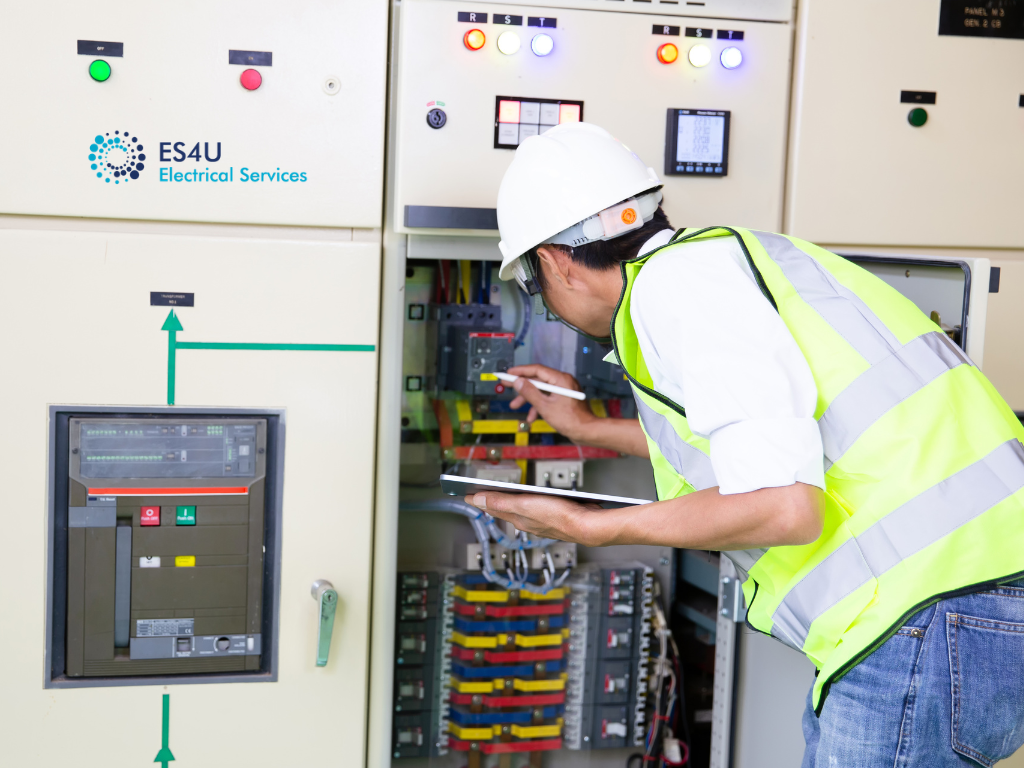
Commercial electrical maintenance is most valuable when the findings lead to clear, practical decisions.
A business owner or facility manager should be able to understand whether the electrical installation currently requires a repair, closer monitoring, additional investigation or a planned upgrade.
Ask for Electrical Findings to Be Explained Clearly
Electrical terminology can become technical quickly, but the business decision should still be understandable.
After maintenance or fault-finding work, ask which issues were identified, what has already been corrected and whether anything requires further assessment.
If an upgrade is being recommended, ask what limitation it addresses.
It can also be useful to understand whether the recommendation relates to current safety or performance issues, planned business expansion or future capacity.
For commercial electrical maintenance in Sydney, keeping previous reports and electrical work records available can help contractors understand the history of the installation.
Where electrical wiring work is completed in NSW, the relevant compliance documentation should also form part of the property’s electrical records.
Choose a Provider That Can Assess Maintenance and Upgrade Requirements
Businesses comparing commercial electrical services Sydney providers should look beyond whether a contractor can respond to an immediate fault.
It can be useful to choose a provider that can assess the existing installation, explain maintenance findings and undertake upgrade work when there is a genuine need.
ES4U can be considered when discussing commercial electrical maintenance, fault finding and electrical upgrade requirements for Sydney commercial properties. When requesting an assessment, providing details about recurring faults, planned equipment purchases, previous electrical work and future expansion can help establish what needs to be investigated.
For businesses outside Sydney, the same principle applies when comparing commercial electrical services in Australia electrical work must meet the requirements that apply in the relevant state or territory, and appropriately licensed professionals should carry out work that requires an electrical licence. Safe Work Australia also notes that electrical regulation and enforcement are handled by the relevant jurisdiction rather than by Safe Work Australia itself.
Ultimately, commercial electrical maintenance can do more than keep existing equipment operating. It can help a business understand how well its electrical infrastructure matches current operations and where future limitations may be developing.
The presence of an electrical fault does not automatically mean an upgrade is required. What matters is whether maintenance identifies an isolated defect or a broader pattern involving capacity, ageing infrastructure or changing business requirements.
By investigating recurring faults, keeping maintenance records and reviewing the electrical system before major operational changes, businesses can make more informed decisions about when to repair, when to monitor and when a planned commercial electrical service upgrade deserves further assessment.
