

CNC sheet metal fabrication is an important manufacturing process for Australian businesses requiring accurately cut, formed and assembled metal components. From custom brackets and machinery parts to industrial enclosures and equipment panels, choosing the right fabrication supplier can influence the quality, cost and delivery of a project.
For manufacturers, engineers and purchasing managers, finding a suitable local supplier involves more than comparing quotations. Different fabrication companies offer different equipment, materials, production capabilities and levels of technical support.
A supplier may specialise in CNC cutting services, while another may provide a wider range of processes, including punching, bending, welding and finishing. Understanding these differences helps businesses select a provider that can meet their manufacturing requirements.
Whether sourcing components for a new product, replacing existing parts or arranging repeat production, businesses should consider technical capabilities, communication, material suitability and the overall manufacturing process before committing to a supplier.
Why Choosing the Right CNC Sheet Metal Fabrication Supplier Matters
The quality of a fabricated component depends on several factors, including the accuracy of the design, suitability of the material, manufacturing methods and inspection procedures.
A supplier with appropriate equipment and technical knowledge can help identify potential manufacturing issues before production begins.
For example, a sheet metal component may require laser cutting followed by bending and welding. If the supplier only provides cutting services, the customer may need to arrange additional manufacturing stages with other businesses.
This is not necessarily a problem, but it can create extra coordination, handling and transport requirements.
Working with a supplier that understands the complete manufacturing process can make it easier to discuss design requirements and establish realistic production expectations.
Clear communication is equally important. Customers should understand what the quotation includes, which specifications have been agreed upon and how changes will be managed.
The right fabrication partner should be selected according to the project’s requirements rather than relying only on the lowest quoted price.
When Should Australian Businesses Work With a Local Fabricator?
Local fabrication suppliers can be particularly useful when a project requires regular communication, design discussions or coordination between several manufacturing stages.
For businesses in Sydney and Western Sydney, choosing a nearby provider may make it easier to discuss drawings, arrange collection or delivery and address technical questions during production.
Local access can also be valuable when developing prototypes or reviewing a component before approving a larger production quantity.
For example, a business designing a new equipment enclosure may want to discuss material thickness, bending requirements and assembly details directly with the fabricator.
However, location should not be the only consideration.
A nearby supplier may not have the equipment or material processing capabilities required for a specialised job. In that situation, a more suitable provider located further away may be the better choice.
Businesses should balance proximity with manufacturing expertise, available services, production capacity and the supplier’s ability to meet the required specifications.
Understanding the Fabrication Services You Need
Before contacting a supplier, it is useful to understand which manufacturing processes are required to produce the finished component.
CNC sheet metal fabrication often involves several stages, and the appropriate combination depends on the design, material and intended application.
Identifying these requirements early can help businesses compare suppliers more accurately and avoid requesting quotations for incomplete manufacturing work.
What CNC Sheet Metal Fabrication Services Should You Look For?
Common sheet metal fabrication processes include laser cutting, CNC punching, press brake forming, welding and finishing.
Laser cutting uses a focused beam to cut material into the required shapes. It is frequently used for flat sheet metal components, detailed profiles and designs that may not justify dedicated cutting tools.
CNC punching uses a computer-controlled machine and specialised tooling to create holes, slots and other features in sheet metal.
After cutting or punching, components may require bending to achieve their final shape. This is commonly performed using a press brake.
Some projects also require welding, fastener insertion, machining or protective finishes such as powder coating.
A supplier offering several compatible processes may be able to coordinate more of the manufacturing sequence.
However, businesses should confirm which services are completed directly by the supplier and whether any stages are arranged through subcontractors.
The important consideration is whether the provider can deliver the required component to the agreed specifications, rather than simply offering the greatest number of services.
CNC Cutting Services vs Metal Punching Services
CNC cutting services and metal punching services can both produce sheet metal components, but they use different manufacturing methods.
Laser cutting is often suitable for complex outlines, varying part shapes and jobs where flexibility is important.
Because laser cutting does not require dedicated punching tools for each shape, it can be practical for prototypes, custom components and production runs involving multiple designs.
A CNC punching service uses tools to create holes, slots and formed features. It may be particularly suitable for parts containing repeated patterns or standard features that match available tooling.
For example, a panel requiring numerous regularly spaced holes may be a good candidate for punching, depending on the material, thickness, design and production quantity.
Some components benefit from combining both processes.
The best manufacturing approach depends on the drawing, material properties, required accuracy, tooling availability and overall production requirements.
Rather than assuming one method is always faster or less expensive, businesses should ask their supplier to explain which process is appropriate for the proposed component.
Checking Equipment, Materials and Technical Capabilities
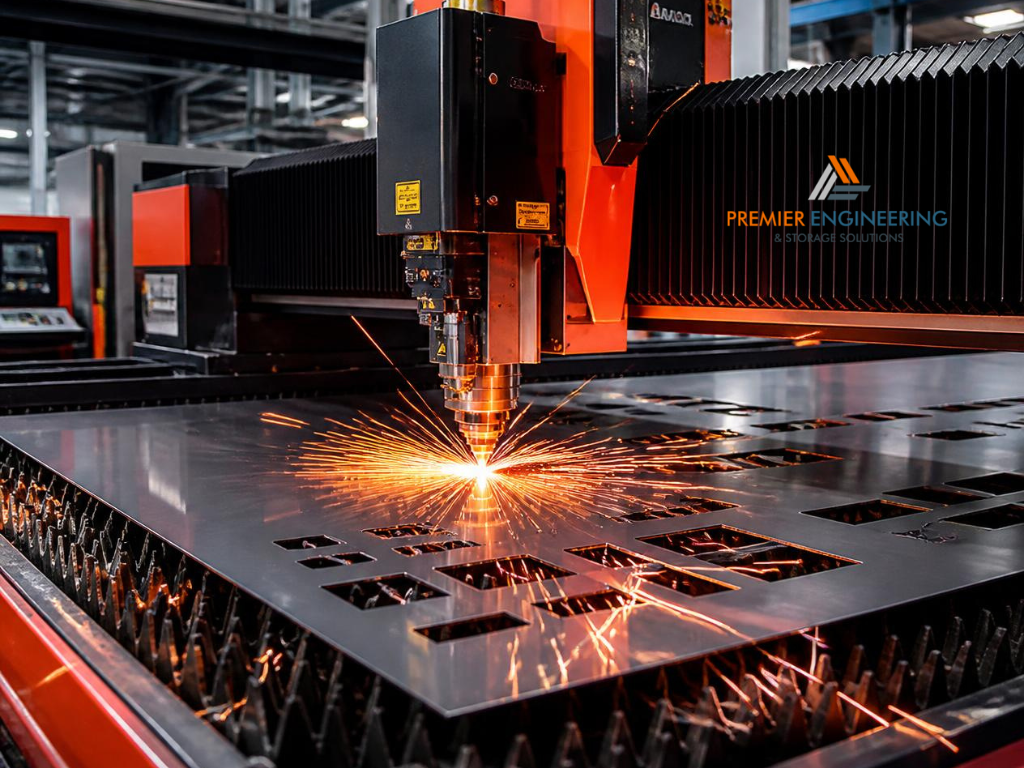
The equipment available to a supplier influences the types of components it can manufacture and the processes it can perform.
However, CNC sheet metal fabrication quality does not depend on machinery alone. Material selection, programming, tooling, operator knowledge and inspection practices also affect the finished result.
Businesses should evaluate equipment capabilities against their project requirements rather than relying only on general claims about manufacturing precision.
How CNC Machines and Metal Bending Presses Affect Production
A CNC cutting machine follows programmed instructions to process material according to a digital design.
Depending on the machine, this may involve cutting sheet metal with a laser, producing holes through punching or performing other controlled manufacturing operations.
The machine’s capabilities determine factors such as available processing dimensions, supported material thicknesses and the types of features that can be produced.
Once a component has been cut or punched, it may need to be formed into a three-dimensional shape.
A metal bending press, commonly called a press brake, uses tooling and controlled force to bend sheet metal to the required angles.
This process is used to manufacture brackets, panels, covers, enclosures and other formed components.
The finished result depends on the material, sheet thickness, bend radius, tooling and machine setup.
For example, two materials with the same thickness may behave differently during bending because their mechanical properties differ.
Businesses should confirm that the supplier’s equipment can accommodate the component dimensions, material thickness and required forming operations.
Where a project involves several manufacturing stages, it is also worth discussing how cutting, bending and assembly requirements will be coordinated.
Choosing CNC Sheet Metal Fabrication for Stainless Steel Projects
Stainless steel is used in applications where corrosion resistance, appearance or particular cleaning requirements are important.
However, not all stainless steel grades offer the same properties.
For example, grade 304 is commonly used in many general-purpose applications, while grade 316 may be considered where greater resistance to certain corrosive environments is needed.
The appropriate grade depends on operating conditions, chemical exposure, material requirements and the intended application.
Businesses researching CNC stainless steel services should confirm that the supplier can process the required material grade and thickness.
Cutting and bending characteristics can differ from those of mild steel, so suitable equipment, tooling and manufacturing knowledge are important.
Surface finish is another consideration.
A stainless steel component intended for a visible commercial installation may require different handling and finishing from a concealed industrial bracket.
Businesses should communicate requirements for surface appearance, protective film, grain direction and acceptable marks before manufacturing begins.
Where components will be welded or exposed to demanding environments, the supplier should also understand any additional finishing or corrosion resistance requirements.
Selecting a suitable material and fabrication method together can help avoid problems that may only become apparent after production.
Assessing Quality and Manufacturing Accuracy
Manufacturing accuracy is an important consideration when selecting a CNC sheet metal fabrication supplier.
A component may need to fit into an existing assembly, align with mounting holes or connect with other manufactured parts.
Even relatively small dimensional differences can become important when several components must work together.
For this reason, businesses should establish their quality requirements before approving a quotation or production order.
What Quality Standards Matter in CNC Sheet Metal Fabrication?
Quality requirements should be based on the component’s intended function and the specifications agreed upon between the customer and supplier.
Technical drawings are an important starting point because they define the dimensions, materials and manufacturing features required.
Where necessary, drawings should identify dimensional tolerances, bend angles, hole positions and critical surfaces.
Not every dimension requires the same level of precision.
For example, a mounting hole that must align with existing equipment may require closer control than the overall width of a non-critical cover.
Unnecessarily restrictive tolerances can increase manufacturing complexity and cost without improving the component’s intended function.
Inspection procedures should therefore reflect the importance of each feature.
For certain projects, customers may need dimensional inspection records, material identification or documented verification of specific requirements.
Businesses should discuss these expectations before production rather than assume they are included automatically.
If a project requires compliance with a particular standard or certification, the supplier should be asked to confirm whether it can meet that requirement.
CNC equipment can support repeatable manufacturing, but it does not guarantee that every component will meet its specifications without appropriate process control and inspection.
How to Confirm a Supplier Can Meet Your Design Requirements
Before production, a supplier should have enough information to understand the component’s intended design and manufacturing requirements.
This commonly begins with a technical drawing or CAD file showing the part’s geometry and dimensions.
For bent components, the design should also account for material thickness, bend radii, hole positioning and the relationship between formed sections.
Features positioned too close to a bend may require design changes or specialised tooling.
Likewise, a component with numerous tight tolerances may need additional manufacturing or inspection steps.
Businesses should ask whether the supplier can review the design for manufacturing practicality.
This process, often called design for manufacture, helps identify features that may be difficult, expensive or unsuitable to produce using the proposed method.
If a component is part of a larger assembly, providing information about how it fits with other parts can be particularly useful.
For new designs, producing a prototype may help confirm fit, function and assembly before proceeding with a larger order.
Clear technical communication at this stage can reduce misunderstandings and improve confidence in the manufacturing process.
Comparing Local Fabrication Suppliers and Quotes
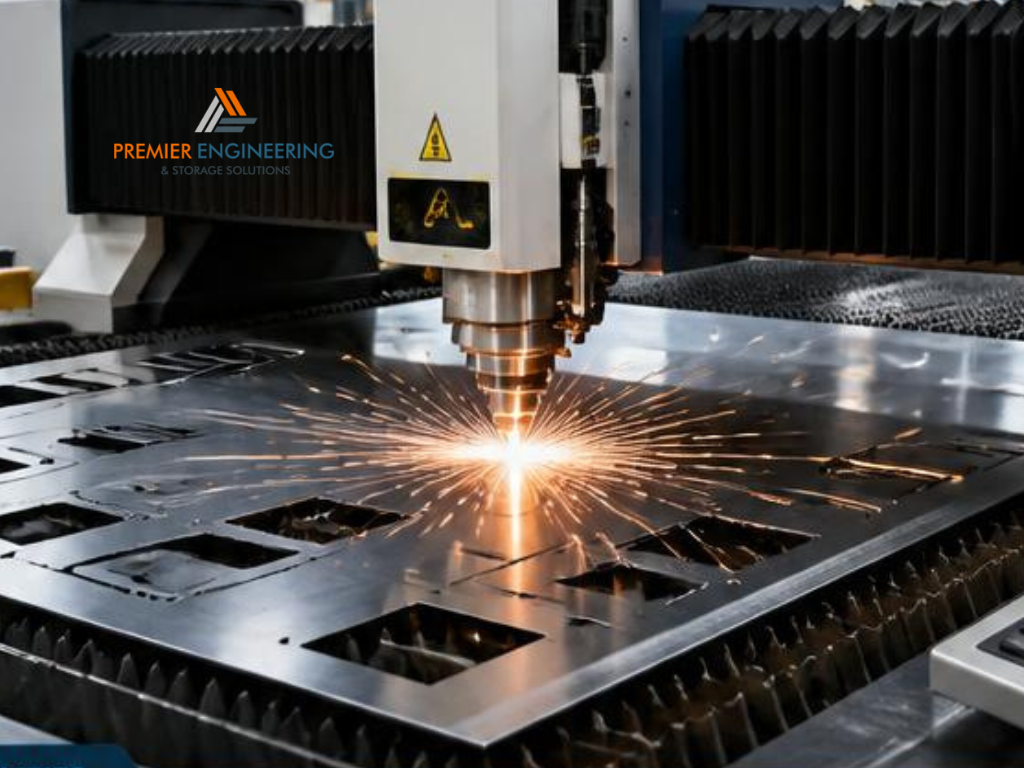
Price is an important consideration when sourcing CNC sheet metal fabrication, but quotations should be compared against the same manufacturing requirements.
Two suppliers may provide different prices because they have included different materials, production stages, finishing services or delivery arrangements.
Understanding what influences fabrication costs makes it easier to evaluate the overall value of each proposal.
What Affects CNC Sheet Metal Fabrication Costs?
Material selection is one of the main factors influencing fabrication costs.
Different metals, grades and sheet thicknesses can vary in purchase price and processing requirements.
Component complexity also matters.
A simple flat profile may require relatively little processing, while a part with multiple bends, holes, welded joints or specialised finishes can involve additional operations.
Production quantity can influence the cost per component because programming, setup and tooling preparation may be spread across a larger number of parts.
However, higher quantities do not automatically guarantee lower overall costs. Material use, manufacturing time and project complexity remain important.
Other factors include inspection requirements, finishing, packaging and delivery.
For example, a quotation for laser-cut blanks may be substantially different from one covering cutting, bending, welding and powder coating.
Businesses should also clarify whether design work, prototype development or drawing revisions are included.
For Australian projects, it is useful to confirm whether quoted prices include GST and whether transport or additional handling charges apply.
A detailed quotation helps businesses understand what they are paying for and reduces the possibility of unexpected costs later.
Questions to Ask Before Choosing a Fabrication Supplier
When comparing suppliers, businesses should begin by confirming whether each provider can manufacture the component using the specified material and required processes.
It is useful to ask how the supplier handles technical drawings, design changes and manufacturing questions.
Customers should also understand whether the proposed quotation includes all required stages or whether additional work will need to be arranged separately.
Lead times deserve particular attention.
A quoted production period may not include material ordering, design review, finishing, inspection or delivery.
Where project deadlines are important, businesses should explain the required delivery date and ask whether it is achievable.
Communication arrangements are also worth discussing.
Knowing who will manage the project and how technical issues will be raised can make the manufacturing process easier to coordinate.
For ongoing production, businesses may also want to understand how the supplier manages repeat orders and revisions.
A suitable fabrication supplier should be able to explain its capabilities, clarify quotation inclusions and discuss any limitations that could affect the project.
Finding CNC Fabrication Services in Western Sydney
Western Sydney and the surrounding Macarthur region contain a range of industrial and commercial businesses that rely on fabricated metal components.
For organisations sourcing CNC sheet metal fabrication, local access can be useful when coordinating technical discussions, deliveries and ongoing manufacturing requirements.
However, the suitability of a supplier still depends on its capabilities and the specific needs of the project.
Choosing CNC Sheet Metal Fabrication in Western Sydney
Businesses comparing fabrication suppliers in Western Sydney should consider the types of components required and the manufacturing services available.
For example, a project involving flat laser-cut parts may have different supplier requirements from one involving punching, press brake forming, welding and finishing.
Proximity can make communication and logistics more convenient, particularly when drawings need clarification or prototype components must be inspected.
Businesses operating around Ingleburn, Campbelltown, Minto, Narellan and Smeaton Grange may find it practical to compare providers within the broader south-western Sydney manufacturing area.
However, it is important to confirm whether the supplier can accommodate the required material, component dimensions and production quantity.
Companies searching for CNC cutting services Western Sydney should also consider whether additional manufacturing processes are needed.
For example, a supplier capable of cutting a metal panel may not necessarily provide the bending, welding or finishing required to produce the completed part.
Reviewing the complete project before selecting a supplier helps identify which services need to be coordinated.
When Local CNC Cutting and Punching Services Make Sense
Local CNC cutting services can be useful for businesses developing new products, ordering replacement components or managing recurring manufacturing requirements.
For prototype projects, proximity may support technical discussions and make it easier to review parts before approving further production.
For replacement components, businesses may need to provide an existing part, drawing or sample so the supplier can assess the manufacturing requirements.
A CNC punching service may be appropriate when components contain repeated holes, slots or suitable formed features.
Laser cutting may be more practical when the design contains intricate profiles or requires frequent changes.
The preferred method depends on the material, production quantity, design and available equipment.
For repeat orders, businesses should establish how the supplier manages drawings, revisions and production records to help maintain consistency between batches.
Local suppliers can provide practical logistical advantages, but customers should still compare manufacturing quality, technical suitability and total project cost.
Preparing Your Project for a Fabrication Quote
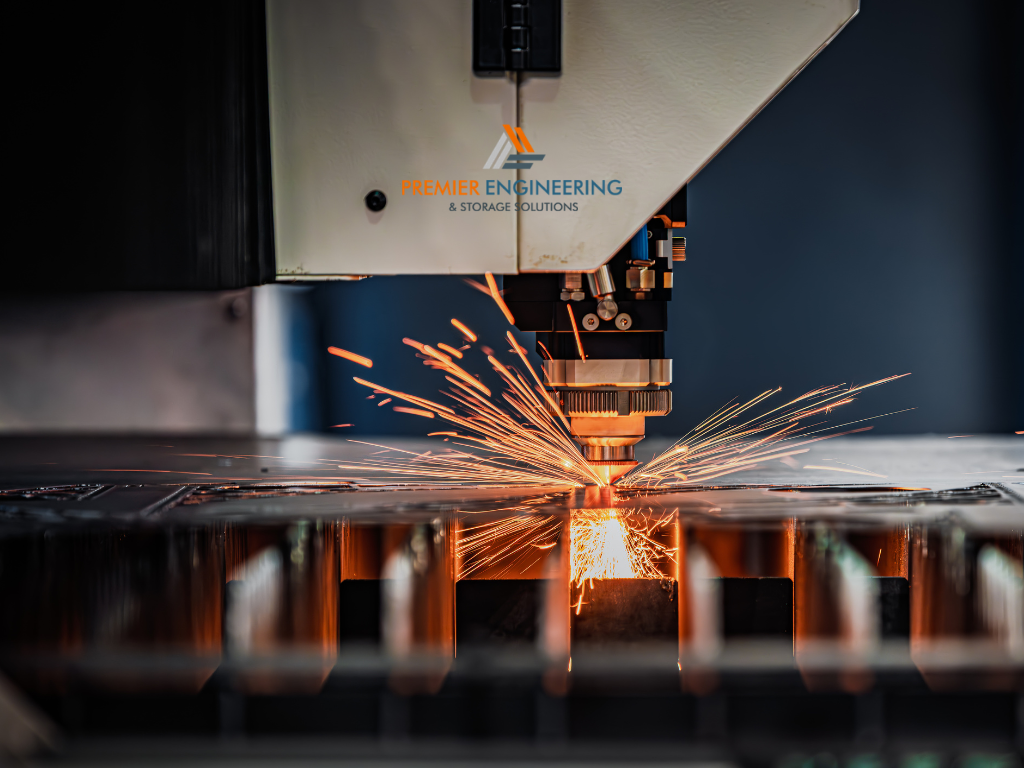
A clear quotation request helps CNC sheet metal fabrication suppliers understand the project and determine how the components should be manufactured.
Incomplete drawings or missing specifications can lead to unnecessary clarification, inaccurate assumptions or quotations that are difficult to compare.
Taking time to prepare the required information can make the supplier selection process more straightforward.
What to Provide When Requesting CNC Sheet Metal Fabrication
A useful quotation request should begin with a drawing showing the required component dimensions and features.
Where available, businesses can provide CAD files in a format accepted by the supplier, along with a PDF drawing identifying critical dimensions and notes.
The material should be specified as accurately as possible.
For example, stating only that a component requires stainless steel may not provide enough information. The supplier may also need the grade, thickness and intended surface finish.
Production quantity is another important detail.
A quotation for a single prototype can involve different considerations from one for hundreds of repeat components.
Businesses should also identify whether the project requires bending, welding, fastener insertion, machining, protective coating or other finishing processes.
If particular tolerances or inspection records are required, these should be communicated before the quotation is prepared.
Delivery expectations and any relevant installation or assembly requirements should also be explained.
Where the design is still being developed, businesses should indicate which details are confirmed and which may require technical advice.
Providing complete information helps the supplier assess the manufacturing process and prepare a quotation that reflects the actual requirements.
Discussing Your Requirements With a Local Engineering Specialist
Some projects are straightforward to manufacture from completed drawings. Others require additional discussion about material selection, cutting methods, bending requirements or assembly.
When a component involves several processes, consulting a fabrication specialist before approving production may help identify practical manufacturing options.
For businesses in Sydney and the Macarthur region, Premier Engineering provides sheet metal manufacturing services, including laser cutting, CNC punching, CNC press brake forming, welding, CAD and prototyping.
Its published manufacturing capabilities also include fastener insertion, machining, powder coating and other finishing-related services.
Having access to these capabilities can be useful when a project requires more than one manufacturing process, although customers should confirm the specific services, material capabilities and arrangements available for their job.
For businesses comparing local providers, discussing the complete project requirements can help establish whether a supplier is suitable before a quotation is finalised.
Premier Engineering’s website provides information about its manufacturing capabilities and offers a quotation request option for customers with fabrication requirements.
Whether the project involves prototype components, replacement parts or repeat production, clear drawings and agreed specifications remain essential.
If your business requires CNC sheet metal fabrication, contact Premier Engineering to discuss the materials, dimensions, quantities and manufacturing processes involved in your project.
Choosing a suitable fabrication supplier involves balancing technical capabilities, quality requirements, communication, cost and delivery expectations.
By understanding the manufacturing process and preparing accurate project information, Australian businesses can make more informed supplier decisions and establish a clearer path from initial design to finished components.
