

Wood veneer design gives Australian homeowners, interior designers and cabinetmakers an opportunity to bring natural timber character into contemporary kitchens. Whether the goal is a light oak kitchen, a dark timber island or distinctive cabinet fronts, veneer can introduce warmth and texture while supporting modern joinery designs.
Unlike printed timber-look surfaces, natural veneer displays genuine wood grain, with variations in colour and pattern that make individual panels distinctive. However, achieving a coordinated kitchen requires more than choosing a timber appearance. Panel construction, grain matching, protective coatings and the surrounding environment all influence the completed cabinetry.
This guide explores practical kitchen veneer ideas, popular decorative timber choices and the details worth checking before selecting materials for a renovation or new kitchen.
Bringing Natural Timber Into Contemporary Kitchens
Creating Warmth and Contrast With Wood Veneer Design
Contemporary kitchen interiors often combine simple cabinet profiles with stone, ceramic and neutral-coloured surfaces. Natural timber can complement these materials by introducing visible grain and a warmer appearance.
Wood veneer design can be incorporated into pantry cupboards, drawer fronts, overhead cabinets and kitchen islands. A light timber finish may soften an otherwise white kitchen, while deeper tones can create a distinctive contrast against pale benchtops.
In open-plan Australian homes, matching timber finishes across kitchen joinery and nearby furniture can also establish a more coordinated interior.
The key is deciding where timber will have the greatest visual impact. Applying veneer to selected cabinetry rather than every surface can create a balanced design without overwhelming the room.
What Makes Natural Wood Veneers Different?
Natural wood veneers are thin sheets of real timber bonded to an appropriate supporting material. Common substrates include MDF, plywood and other engineered panels.
Because the decorative layer is genuine timber, its colour and figure depend on the species and individual veneer leaves. This creates a different appearance from printed wood-look laminates, which use manufactured decorative patterns.
Veneered panels can be suitable for coordinated kitchen cabinetry when the construction and finishing methods match the intended application.
However, performance is not determined by the veneer alone. The substrate, adhesive, edge treatment and protective coating all contribute to how the finished cabinet behaves in everyday use.
Understanding these components helps homeowners make informed choices before comparing decorative species.
Exploring Timber Colours and Decorative Species
Using American Oak for Light Kitchen Cabinetry
Light timber finishes can complement modern kitchens with pale cabinetry, stone benchtops and understated fittings.
American oak is often considered for this style because its natural grain can provide visual texture without requiring a dark or heavily stained finish. Different cutting methods may produce prominent decorative patterns or straighter grain arrangements.
When choosing american oak veneer for a kitchen, consider whether the desired appearance is pale and natural or slightly warmer and more pronounced.
The final colour depends on the veneer itself and the coating system used. Samples should therefore be reviewed with the intended finish, preferably under lighting conditions similar to those in the completed kitchen.
For wood veneer design, coordinating oak grain across adjoining cabinet doors can help create a more consistent appearance.
Comparing Dark, Figured and Subtle Timber Finishes
Not every kitchen design calls for pale timber. Dark and highly decorative veneers can also be used to introduce contrast or highlight particular joinery features.
Wenge is known for its deep brown colour and pronounced grain, making it worth considering for dark feature cabinetry or island panels.
Burl veneer offers a different appearance through its irregular and highly figured grain. Rather than applying it across every cupboard, designers may use it on selected fronts where its decorative character can be appreciated.
Anegre timber veneer typically has a lighter cream to golden appearance, depending on the specific material and finish. It may suit projects seeking a softer timber tone.
These veneers differ in appearance, availability and working characteristics. Choosing between them involves reviewing physical samples and confirming suitability with the supplier and cabinetmaker.
Designing Cabinet Doors and Kitchen Features
Creating a Clean Look With Veneered Cabinet Fronts
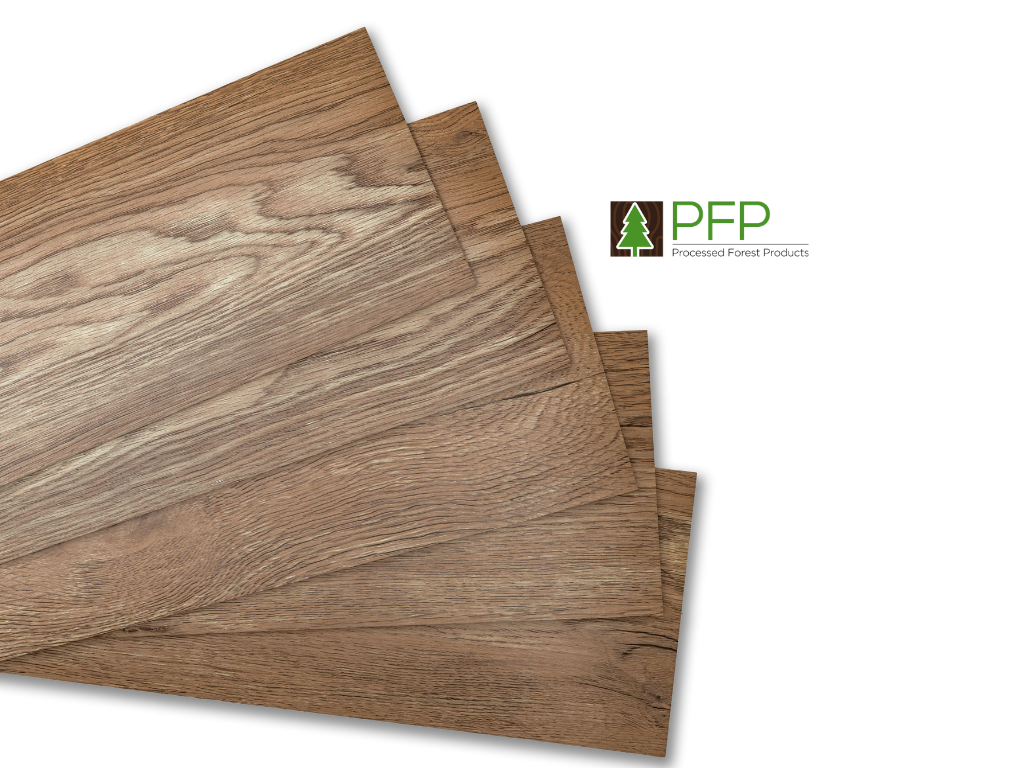
Flat-panel cabinetry provides a simple surface for displaying natural timber grain. Without complex door profiles, the veneer itself becomes an important part of the kitchen’s visual character.
Wood veneer design works particularly well when grain direction is considered across a complete run of cupboards. Full-height doors may use vertical grain to emphasise their proportions, while wider drawers can create a different effect with horizontal grain.
Integrated pantry doors and concealed storage can also benefit from coordinated timber surfaces.
For smaller kitchens, combining veneered cabinetry with plain-coloured doors may prevent the space from appearing too visually busy. Larger kitchens offer more flexibility for using timber across multiple cabinet sections.
The overall goal is to create an intentional relationship between the wood grain, cabinet layout and other materials.
Adding Timber Features to Kitchen Islands
Kitchen islands offer a practical location for decorative timber panels because their exposed sides are often highly visible from adjoining living areas.
A veneered island front can introduce contrast without requiring the same material throughout the kitchen. For example, a darker timber island may complement light surrounding cabinetry, while a pale oak finish can soften a predominantly neutral space.
More decorative wood veneers can also be considered for selected island panels or breakfast bar supports.
However, the intended surface must be appropriate for the material. Standard veneered panels are generally better suited to properly finished vertical joinery than exposed worktops subject to frequent moisture, heat and abrasion.
When planning a veneer feature, discuss edge protection, surface coating and installation details with the cabinetmaker before finalising the design.
Planning Grain Direction and Veneer Matching
Understanding Different Veneer Cutting Patterns
The appearance of timber veneer depends partly on how it has been cut from the log.
Crown-cut veneer commonly displays curved or cathedral-like grain patterns, creating a more expressive natural timber appearance. Quarter-cut veneer generally produces straighter grain lines that can suit simpler cabinetry designs.
Neither cutting method is universally better. The appropriate choice depends on the desired visual effect and the characteristics available in the selected timber.
For wood veneer design, grain pattern becomes particularly noticeable on large cabinet doors and continuous joinery surfaces.
Reviewing veneer samples before fabrication can help establish whether the grain style complements the kitchen’s proportions and surrounding materials.
Book Matching and Slip Matching for Kitchen Panels
Veneer matching determines how individual timber leaves are arranged to form a decorative panel.
Book matching alternates adjacent veneer leaves, often producing a mirrored grain effect. This can create symmetrical patterns across larger doors or feature panels.
Slip matching positions consecutive leaves in the same orientation, resulting in a different progression of grain from one leaf to the next.
For kitchen cabinetry, the chosen matching method can influence how consistent adjoining doors appear. Even when the same species is used, different arrangements may produce noticeably different results.
Cabinetmakers should establish grain direction, matching requirements and panel sequence before manufacturing.
Where visual consistency is important, samples or drawings showing the proposed arrangement can help confirm expectations.
Choosing Suitable Veneer Panels and Suppliers
Understanding Substrates and Panel Construction
Selecting suitable cabinetry materials requires attention to what sits beneath the decorative timber surface.
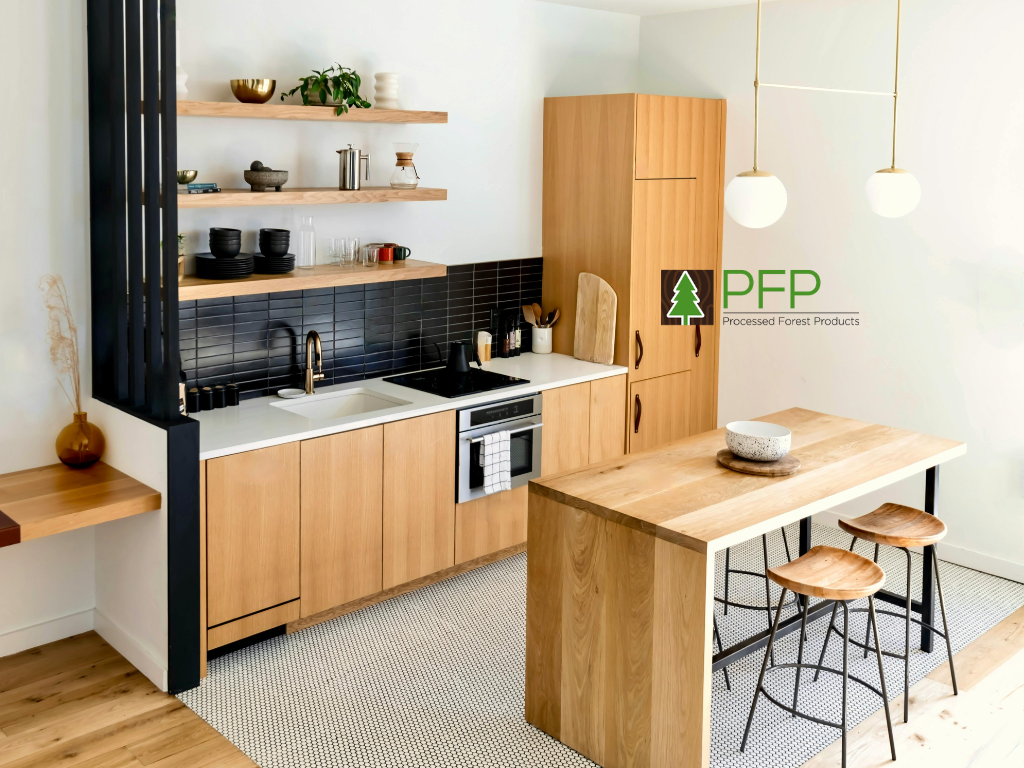
Common supporting boards include MDF, moisture-resistant MDF and plywood. These products have different characteristics and should be selected according to the cabinet design, installation environment and fabrication requirements.
Moisture-resistant boards are not automatically waterproof. Cabinets near sinks and dishwashers still need appropriate surface protection, edge sealing and construction details.
When specifying wood veneer design, confirm the panel dimensions, thickness, veneer orientation and compatibility with the intended finish.
Balanced panel construction may also be important for controlling movement and reducing the risk of distortion.
Rather than choosing solely from online images, request specifications and representative samples to help determine whether the product meets the project requirements.
Comparing Timber Veneer Products and Suppliers
A reliable supplier should provide clear information about its decorative timber range, panel specifications and relevant material options.
For projects considering wenge veneer, burl veneer or anegre timber, confirm the availability of the exact species and veneer configuration before making final design decisions.
Processed Forest Products supplies timber veneer and related board materials for furniture, cabinetry and joinery applications.
Homeowners, designers and cabinetmakers can explore its timber veneer range to compare decorative characteristics and review available product information.
Before ordering, ask about species availability, veneer matching, supporting boards and any specific fabrication considerations.
Choosing suitable materials early can help the cabinetmaker coordinate the design with the intended manufacturing process.
Maintaining Veneered Cabinets in Kitchen Environments
Choosing a Protective Coating for Everyday Use
Natural timber veneer needs an appropriate finishing system when used on kitchen cabinetry.
Protective coatings influence the appearance of the timber as well as its suitability for regular handling and cleaning.
Matte and satin finishes may suit contemporary kitchens where a softer surface appearance is preferred. Other coating systems can create a more reflective effect or change the depth of the timber colour.
Wood veneer design should consider the protective finish during material selection rather than treating it as an afterthought.
A suitable coating system should be chosen according to the expected use of the cabinetry and the manufacturer’s recommendations.
Edges, reverse faces and other relevant surfaces should also receive appropriate protection as part of the overall panel construction.
Although protective finishes can help manage everyday exposure, they do not make ordinary veneered cabinetry completely resistant to water damage.
Reducing Moisture and Surface Wear
Kitchen cabinets experience changing temperatures, occasional splashes and frequent cleaning.
Moisture can become a concern where water repeatedly reaches exposed edges or damaged coatings. Areas near sinks, dishwashers and other wet zones therefore require careful detailing.
Spills should be removed promptly, and cleaning methods should follow the advice provided for the specific surface finish.
Avoid excessive water, abrasive cleaning pads and chemicals that could damage the coating or change its appearance.
Natural timber can also change colour after prolonged exposure to sunlight, depending on the species and finishing system.
For long-term wood veneer design performance, the construction details and everyday care routine should suit the actual kitchen environment.
Finalising Your Modern Timber Veneer Kitche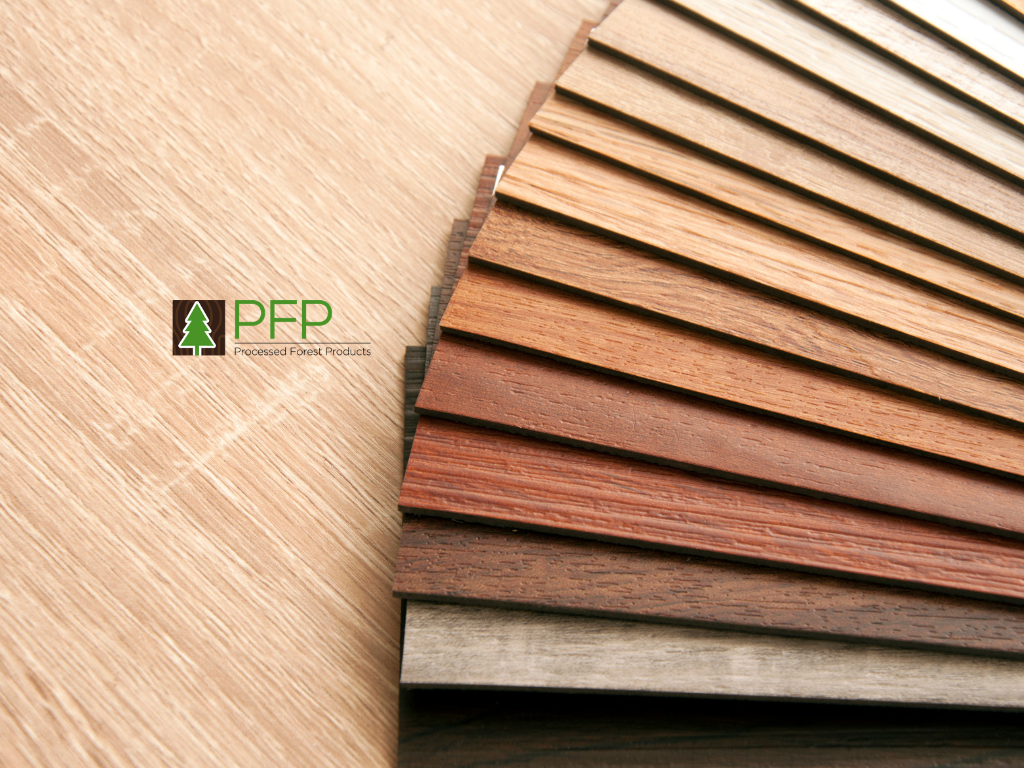
Coordinating Cabinetry With Surrounding Materials
A cohesive kitchen relies on more than attractive cabinet doors. The relationship between timber, benchtops, splashbacks, flooring and hardware also influences the overall result.
Wood veneer design can complement stone surfaces, ceramic tiles and plain-coloured cabinets when the colours and grain patterns are selected carefully.
Light timber can provide contrast against darker finishes, while deep brown veneer may introduce definition into a pale kitchen.
Grain direction is another consideration. Consistent orientation across visible joinery can create a unified look, while a contrasting direction may be useful for a deliberate feature.
Before approving the final material palette, review physical samples under both daylight and artificial lighting.
This provides a more reliable impression of how the selected veneer and coating will appear in the completed kitchen.
Preparing Your Veneer Specification Before Ordering
Before purchasing materials, confirm the timber species, grain pattern, matching method, panel dimensions, substrate and protective finish.
Discuss these requirements with the cabinetmaker to ensure the proposed panels suit the manufacturing process and expected installation conditions.
For larger kitchen projects, ask whether the required quantity can be sourced with an appropriate level of visual consistency.
Variation is a natural characteristic of timber veneer, but planning the panel arrangement can help achieve a coordinated finish.
Processed Forest Products supplies decorative timber veneer and associated board products for Australian joinery applications. You can contact Processed Forest Products to enquire about product specifications, available materials and suitable options for your project.
For further design inspiration, explore the company’s portfolio to see examples of timber and panel applications.
A successful kitchen project balances appearance with appropriate materials, construction and ongoing care. With considered planning, wood veneer design can introduce natural character into modern cabinetry while supporting the practical requirements of everyday kitchen use.
