

Using a urinary bottle can make bedside toileting more manageable for people who have difficulty walking to the bathroom or getting out of bed independently. This simple toileting aid may be useful during recovery from surgery, for people living with mobility limitations or for older adults who require additional support with everyday activities.
Although a bedside urinal can offer convenience, using one comfortably requires appropriate positioning, careful handling and regular cleaning. The design of the bottle also matters because different openings, capacities and handles can affect how easily someone can use the product.
For individuals receiving care at home, choosing suitable equipment and establishing a consistent toileting routine may help support privacy, hygiene and personal independence. This guide explains what to consider before using a bedside urinal, how to reduce spills and when additional assistance may be appropriate.
Understanding the Purpose of Bedside Urinal Bottles
Who May Benefit From Using a Urinary Bottle?
A bedside urinal provides a way to collect urine without requiring someone to use a conventional toilet. It may be suitable for people who have difficulty standing, walking or transferring safely, particularly when they need to remain in bed for extended periods.
A urinary bottle may also be helpful during temporary recovery from an illness or operation, depending on the person’s mobility restrictions and care instructions. Different designs accommodate different anatomical and positioning requirements, so suitability should be considered individually.
Unlike a bedpan, a urinal bottle is intended specifically for urine collection. It does not treat incontinence, urinary retention or other bladder conditions, and it should not replace medical advice when someone is experiencing urinary symptoms.
How Bedside Toileting Can Support Daily Comfort
For someone who needs assistance getting out of bed, repeated trips to the bathroom can be tiring or difficult. A suitably positioned bedside urinal may reduce unnecessary transfers and provide a more accessible option when the person needs to urinate.
Some individuals can manage the equipment independently, while others require help from a family member or care worker. In either situation, comfort and safety should remain the priorities.
A urinary bottle should be easy to reach and use without excessive stretching, awkward twisting or unsupported movement. If someone struggles to hold or position the container, a different product or additional assistance may be more appropriate.
Getting Ready to Use a Bedside Urinal
Finding a Safe and Supported Position
Before using a urinary bottle, the person should be positioned in a way that feels comfortable and allows them to control the container safely. A supported sitting or reclining position may work better than lying completely flat, depending on the bottle’s design and the individual’s physical abilities.
The person should not be encouraged to make movements that cause pain, strain or instability. After surgery, particular positions may be restricted, so any relevant instructions from healthcare professionals should take priority.
Pillows or adjustable bed supports may assist with positioning when appropriate. However, someone who cannot move safely without help should not attempt to reposition themselves simply to use the bottle.
Checking the manufacturer’s instructions is important because different urinal designs may require different positioning techniques.
Organising the Bedside Area Beforehand
A little preparation can make bedside toileting more comfortable and reduce the risk of spills. Start by ensuring the urinary bottle is clean, empty and free from visible damage, then place it somewhere accessible without creating a risk of knocking it over.
The surrounding area should have adequate lighting, and any equipment required for assistance should be ready beforehand. Tissues, suitable cleansing materials and an absorbent bed pad may be useful, particularly when the person is still becoming familiar with the product.
It is also important to have a stable surface where the bottle can be placed after use. If a carer is needed, arranging assistance in advance can help avoid hurried movements and unnecessary discomfort.
Using a Urinary Bottle While Resting in Bed

Positioning the Bottle for Comfortable Use
The process begins with checking that the urinary bottle is ready and that the person is comfortably supported. Clothing and bedding can then be adjusted carefully to provide access while maintaining privacy.
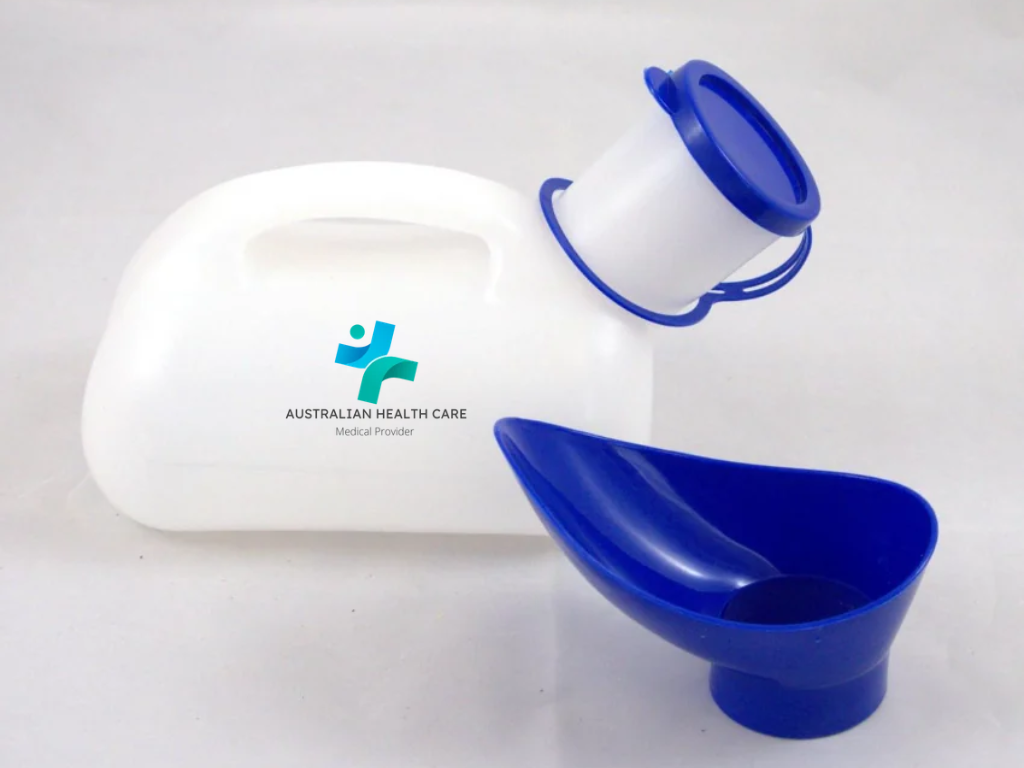
The opening should be positioned according to the product’s design so urine can enter the container without causing discomfort. Male urinal bottles commonly have an opening designed to accommodate the penis, while female models may have a contoured or wider opening that requires a different approach.
The bottle should remain steady throughout use. Someone with limited grip strength or movement may need assistance with maintaining its position, particularly if the container becomes difficult to handle.
Once urination is complete, remove the bottle gently and return it to an upright position. Check for any spills, help the person readjust their clothing and bedding, and place the container securely before emptying it.
If the product causes discomfort or cannot be positioned properly, stop and consider whether a different design or professional guidance is needed.
Reducing Spills During Handling and Emptying
Even a well-designed urinary bottle can leak or spill when handled incorrectly. Problems may occur if the opening is poorly positioned, the container becomes too full or it is tilted while being moved.
Before each use, check that the bottle has sufficient capacity and that any lid or removable component is correctly fitted. Some products have spill-resistant features, but a lid alone does not mean the container can safely be turned sideways.
After use, keep the bottle upright and carry it carefully to the toilet. Empty it slowly to minimise splashing, avoiding contact between the container and surfaces used for food preparation or other hygiene-sensitive activities.
Clean the bottle promptly, following the manufacturer’s care instructions, and wash hands thoroughly after handling the container.
Keeping Reusable Urinal Bottles Clean
Establishing a Simple Cleaning Routine
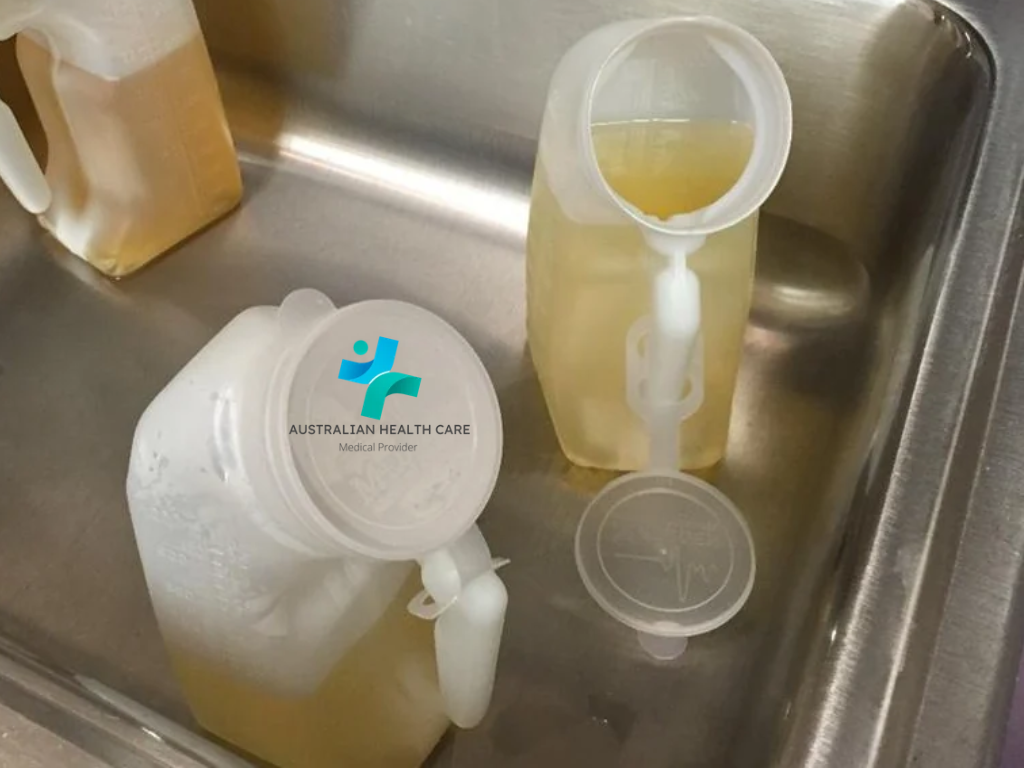
A reusable urinary bottle needs regular cleaning to prevent residue from accumulating and to maintain suitable hygiene. The most appropriate method depends on the material, opening design and any removable parts.
After emptying the bottle, follow the manufacturer’s instructions for washing, rinsing and drying. Some products can be cleaned using an approved mild cleaning solution, while others may have specific care requirements.
Particular attention may be needed around the opening, handle, lid or other areas where residue can remain. If the bottle includes a specialised spill-resistant mechanism, follow the instructions for cleaning that component.
Avoid exposing the product to boiling water, abrasive cleaners or strong chemicals unless the manufacturer specifically recommends them. Using unsuitable cleaning products can damage certain plastics and affect the container’s condition.
Recognising When a Bottle Needs Replacing
Over time, reusable toileting equipment may show signs of wear. Cracks, damaged openings, rough surfaces or poorly fitting lids can make a urinary bottle harder to use or clean effectively.
A bottle that continues to leak despite correct handling may also need closer inspection or replacement. Rather than attempting an unsuitable repair, check whether the product remains safe for continued use.
For home care, it is generally preferable for reusable urinary bottles to be allocated to individual users. Sharing equipment should only occur where the product is designed for that purpose and appropriate clinical reprocessing arrangements are available.
Once cleaned and dried, the bottle should be stored away from food-related surfaces and other personal items. Keeping equipment in good condition supports a more hygienic bedside care routine.
Selecting a Suitable Bottle and Healthcare Supplier
Comparing Designs, Capacity and Ease of Handling
Not every urinary bottle will suit every person. Differences in opening shape, capacity, handle position and overall weight can affect how comfortably the product is used.
Male and female models are designed with different anatomical requirements in mind. Certain products also have measurement markings, removable lids or specialised features intended to reduce accidental spills.
A larger container may provide more capacity, but it also becomes heavier as it fills. For someone with reduced hand strength, the ease of gripping, holding and emptying the bottle may be more important than selecting the largest available model.
Before purchasing, consider whether the person can use the bottle in their usual resting position and whether they can manage it independently or will require assistance.
What to Look for When Shopping for Home Care Equipment
When buying from a medical equipment store, compare the product’s intended use, materials, capacity and cleaning requirements. Photographs can help identify the general shape, but the specifications and manufacturer instructions are more useful for determining suitability.
People researching australian health supplies may also find related products through categories such as home care equipment, urology supplies and health care supplies. These categories can help customers compare different products used for everyday care and bedside toileting.
Australian Health Care provides an online selection of healthcare and mobility-related products. Customers can browse its home care equipment range or visit the online shop to check relevant product information and availability.
Before placing an order, confirm that the design meets the user’s needs and review any applicable cleaning and return conditions. For people with significant physical limitations, advice from an occupational therapist or continence professional may help identify appropriate equipment.
Helping Someone With Bedside Toileting
Providing Assistance While Respecting Independence
Supporting someone with a urinary bottle requires attention to both physical safety and personal dignity. Before assisting, explain what you intend to do and ask the person’s permission. Where possible, allow them to manage the parts of the task they can complete comfortably.
The level of assistance will depend on the individual’s movement, balance and ability to hold the container. Some people may only need help bringing the bottle within reach, while others may require support with positioning and handling.
Carers should follow existing care instructions and avoid unsafe lifting or repositioning techniques. If the person cannot be moved comfortably, professional advice may be necessary before attempting bedside toileting.
Appropriate hand hygiene is essential, and gloves should be used when contact with urine is anticipated. After assisting, help the person feel comfortable, check the bedding and ensure the equipment is cleaned and returned to a suitable location.
Recognising Discomfort or Changes in Urinary Health
People receiving bedside care may feel uncomfortable discussing their toileting needs. Providing privacy, using respectful language and allowing sufficient time can help make the experience less stressful.
After using a urinary bottle, check whether the person needs assistance with cleaning their skin or changing damp clothing and bedding. Keeping the skin clean and dry can help prevent avoidable discomfort.
It is also important to recognise when the problem goes beyond selecting a suitable toileting aid. Pain during urination, blood in the urine, fever or significant changes in urinary habits should be assessed by a healthcare professional.
An inability to pass urine despite feeling that the bladder is full requires urgent medical attention.
If someone repeatedly struggles with positioning or using a bottle, an alternative toileting aid or assessment by an occupational therapist or continence professional may provide a more suitable solution.
Making Bedside Toileting Easier to Manage
Developing a Consistent Daily Routine
A predictable toileting routine can help people and carers manage bedside needs with less disruption. Keeping a clean urinary bottle within safe reach, ensuring adequate lighting and preparing necessary supplies can make the process more straightforward.
Before each use, check that the container is empty and in good condition. Afterward, empty and clean it promptly, inspect the surrounding area for spills and help the person return to a comfortable resting position.
Additional home health supplies, including suitable bed protection and toileting aids, may be useful depending on the individual’s requirements.
The routine should remain flexible. If the person’s mobility, grip strength or toileting needs change, review whether the existing equipment is still suitable.
Knowing When Another Toileting Aid May Be Better
A urinary bottle can be a practical option, but it may not meet everyone’s needs. Someone who cannot maintain a suitable position, hold the container securely or use it without significant discomfort may benefit from another product.
Depending on the person’s circumstances, a bedside commode, bedpan or different continence aid may be more appropriate. The decision should consider mobility, transfer safety, personal preference and the level of caregiver assistance available.
Australian Health Care offers a range of home care equipment and related healthcare products. Readers can explore Australian Health Care to compare available options and enquire about products suited to their requirements.
Before choosing a bedside toileting aid, review the manufacturer’s instructions, product specifications and any individual care recommendations.
The right urinary bottle, combined with safe handling and consistent hygiene practices, can help make bedside toileting more comfortable and manageable while supporting the person’s independence and dignity.
