

A successful metal fabrication project starts long before the cutting machine begins operating. When arranging laser cutting Western Sydney, customers need to consider material specifications, drawing accuracy, manufacturing requirements and the capabilities of their chosen supplier.
Even a relatively simple component can become difficult to manufacture when important details are missing. Incorrect measurements, unsuitable materials and unclear drawings may result in additional work, revised quotations or components that do not fit their intended application.
These challenges can affect both one-off prototypes and larger production orders.
For businesses involved in construction, engineering, manufacturing or custom metal fabrication, understanding potential problems before production can make the ordering process more straightforward.
This guide explains the common issues that can affect laser cutting projects and offers practical advice on preparing accurate specifications, selecting suitable cutting methods and communicating with fabrication providers.
Understanding Material Requirements Before Manufacturing
Why Material Selection Should Come First
Choosing the correct material is one of the most important early decisions in a cutting project.
Mild steel, stainless steel and aluminium are commonly used for different metal fabrication applications. However, their properties, cutting requirements and suitability for particular environments vary.
For example, a metal component intended for outdoor installation may require additional corrosion protection. A decorative panel may instead place greater importance on appearance and surface finish.
When requesting laser cutting Western Sydney, customers should consider how the finished component will be used rather than selecting materials based only on price.
Material strength, durability, corrosion resistance and compatibility with subsequent fabrication processes can all influence the decision.
Discussing these requirements with the supplier before ordering helps determine whether the selected material is appropriate.
The Importance of Checking Sheet Thickness
Material thickness affects more than the physical weight of a finished component.
It can influence machine capability, cutting speed, edge quality and the production method required.
Thin metal sheets may be suitable for lightweight panels or decorative applications, while thicker materials are often selected where greater structural strength is necessary.
When requesting laser cutting Sydney services, provide the actual material thickness and grade wherever possible.
A quotation based only on overall dimensions may not reflect the full manufacturing requirements.
If your component will also require bending, welding or surface finishing, communicate those requirements early.
Accurate material information helps the fabrication provider assess the work and prepare a quotation based on the intended application.
Getting Your Digital Drawings Ready for Production
Avoiding Errors in CAD Drawings
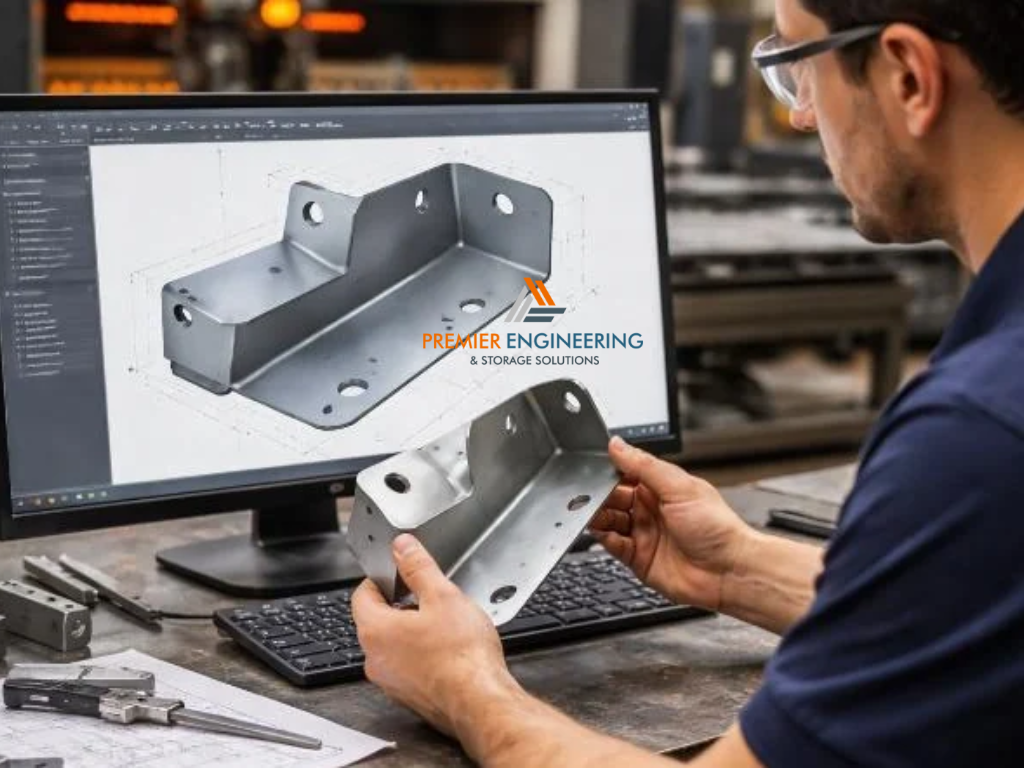
Computer-aided design files provide the information used to establish cutting paths and component geometry.
However, a drawing that looks correct on screen may still contain problems that affect manufacturing.
Duplicate lines, incomplete contours, incorrect dimensions and unnecessary construction details can create confusion during file preparation.
For laser cutting Western Sydney projects, customers should review their drawings before submitting them to a fabrication workshop.
Check that the design represents the finished component and includes all required holes, slots and external profiles.
If the part must connect with another component, the relevant assembly dimensions should also be identified.
Accurate digital drawings reduce the need for repeated clarification and help suppliers understand the intended manufacturing outcome.
Checking File Formats and Measurement Units
Different manufacturing systems may require different digital file formats.
DXF and DWG are widely used for two-dimensional cutting drawings, although individual workshops may have specific requirements.
Before submitting files for cnc cutting services, confirm which formats the provider accepts.
Measurement units are particularly important. Australian engineering drawings commonly use millimetres, but the units should still be clearly identified.
If several components are included in one project, specify the required quantities and ensure each part can be distinguished.
Where cutting forms only one stage of production, provide supporting information for any bending, welding or assembly work.
These details help the workshop interpret the drawing correctly and identify questions before manufacturing begins.
Designing Components With Practical Tolerances
Why Measurements Need More Than General Accuracy
Precision is important in metal fabrication, but not every project requires the same dimensional tolerances.
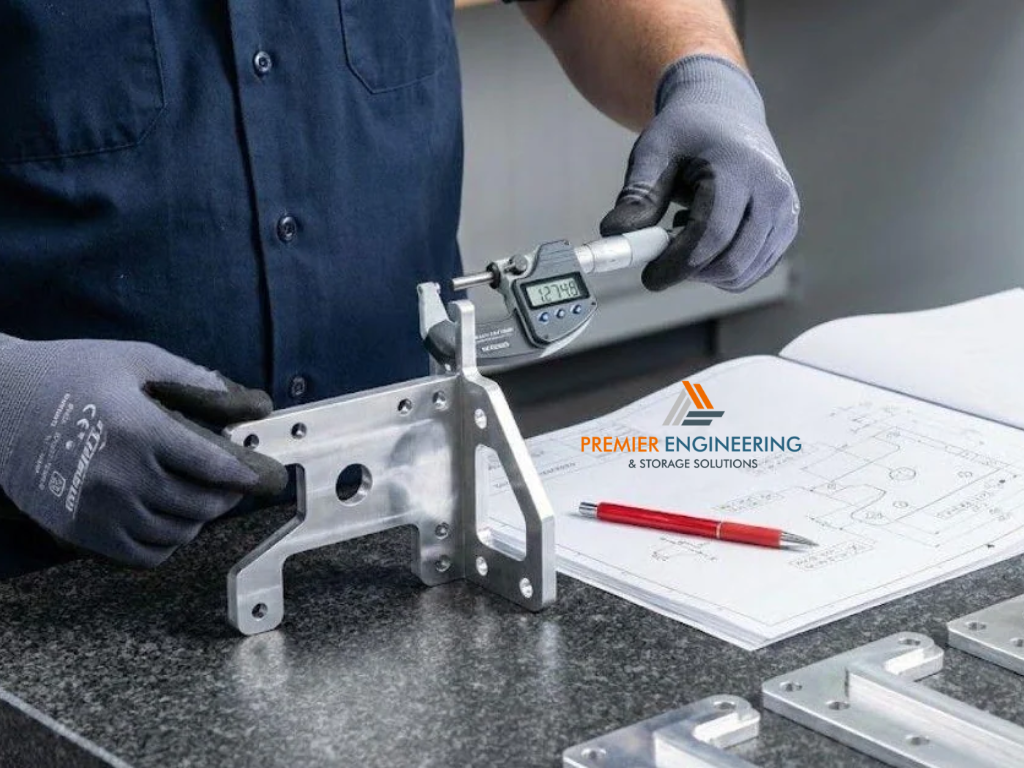
A decorative panel may allow more dimensional variation than a component designed to fit into industrial machinery.
When arranging laser cutting Western Sydney, identify which measurements are essential for the part to function correctly.
These may include mounting hole positions, external dimensions, connection points and distances between critical features.
A tolerance describes the acceptable variation from the specified dimension.
Requesting extremely tight tolerances without a practical reason may introduce unnecessary manufacturing complexity.
Instead, explain where accurate fitting is essential and discuss the achievable tolerances with your supplier.
This approach helps determine whether laser cutting alone is suitable or whether additional machining may be necessary.
Understanding Small Features and Cutting Allowances
Certain design features can be more challenging to manufacture than others.
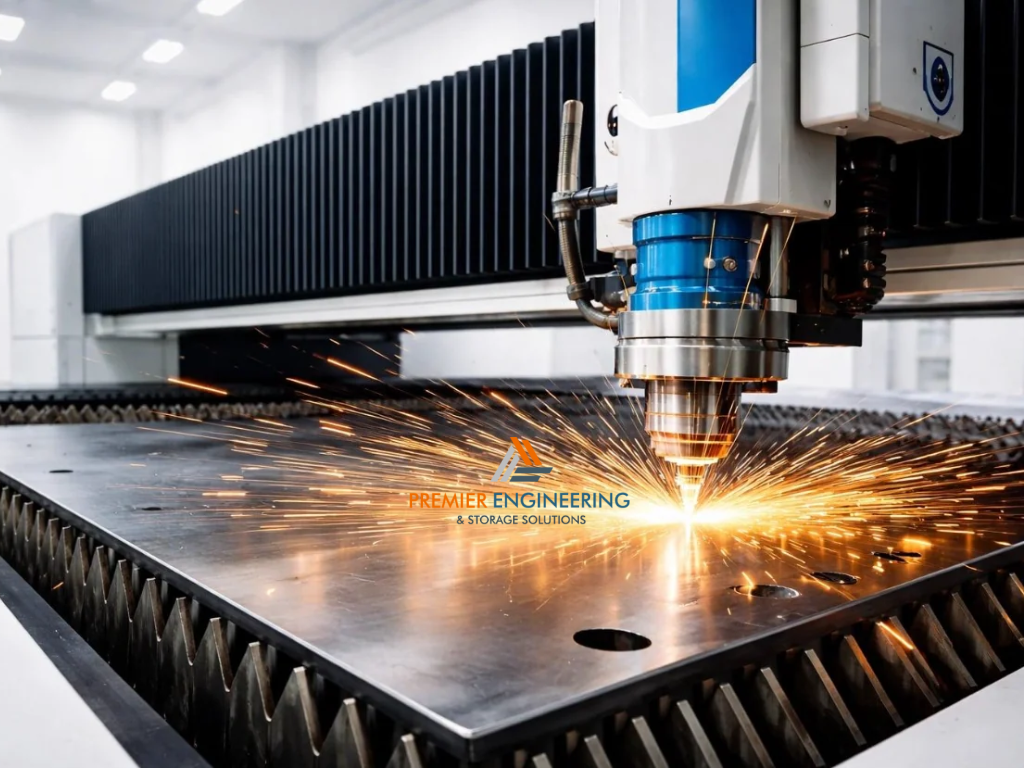
Small holes, narrow openings, closely spaced details and intricate internal shapes may create limitations depending on material thickness and machine capability.
Another consideration is the kerf, which is the material removed along the cutting path.
Although the amount removed may be relatively small, it matters when components need to fit together.
For example, interlocking metal pieces may require allowances to achieve the intended fit after cutting.
Before finalising a complicated design for laser cutting, confirm minimum feature sizes and spacing requirements with the workshop.
Making necessary adjustments during design preparation is generally more practical than discovering problems after production has started.
Matching the Cutting Process to the Material
Understanding Laser Cutting and Other CNC Methods
Different computer-controlled manufacturing processes are suitable for different applications.
Laser cutting uses a focused beam to process material along programmed paths. Other CNC-controlled processes may use rotating tools, plasma or mechanical cutting equipment.
Because laser cutting is itself commonly CNC-controlled, the distinction is not simply between laser cutting and CNC cutting.
The appropriate comparison involves the particular process, equipment and material.
Laser cutting is commonly used to create detailed sheet metal profiles, while CNC routing may be more suitable for certain non-metal materials.
When requesting laser cutting Western Sydney, explain the material and finished application rather than assuming one cutting method is suitable for every project.
A fabrication provider can then assess whether its available equipment meets your requirements.
Understanding Acrylic and Metal Cutting Differences
Acrylic is widely used for signage, display products and decorative applications.
However, cutting acrylic involves different equipment considerations from processing steel or aluminium.
Acrylic laser cutting Sydney services commonly use suitable CO2 laser systems, while industrial fibre laser machines are primarily used for metal cutting.
Not every workshop offering metal fabrication can also process acrylic.
Before submitting an acrylic project, confirm the supplier’s supported materials, thickness limits and achievable edge finishes.
Customers should also identify any additional drilling, polishing or assembly requirements.
Selecting the right processing method helps ensure the finished material is suitable for its intended purpose.
Preparing Accurate Quotations and Production Schedules
Providing Enough Information for a Reliable Quote
Incomplete project details are a common source of misunderstandings between customers and fabrication suppliers.
A request for several steel components may seem straightforward, but the supplier still needs information about material specifications, dimensions, quantities and required finishing.
Additional processes such as bending, welding or powder coating may also affect the final quotation.
When requesting laser cutting Western Sydney, provide the latest drawings and explain the full manufacturing scope.
Include any important tolerances, surface requirements and delivery expectations.
Ask whether the quotation includes material supply, cutting, additional fabrication, finishing and transport.
Understanding what is included makes it easier to compare suppliers and reduces the possibility of unexpected charges.
Understanding the Factors Behind Production Costs
The cost of a laser cutting project depends on several manufacturing factors.
Material type, sheet thickness, cutting length, design complexity and order quantity can influence the total price.
For example, a simple metal panel with a few mounting holes may require less processing than an intricate component containing numerous internal features.
Production quantities also matter.
When multiple parts are required, the supplier may be able to arrange them efficiently across a sheet of material. This process, known as nesting, can help reduce waste.
However, larger orders may still involve significant material, finishing or handling costs.
Customers comparing laser cutting Sydney providers should also ask about production lead times.
Workshop scheduling, material availability, drawing approvals and additional manufacturing processes can affect completion dates.
Confirming realistic timeframes before placing an order is particularly important when components are needed for scheduled construction or manufacturing work.
Evaluating Laser Cutting Providers in Western Sydney
Checking Equipment and Fabrication Capabilities
A fabrication workshop should be assessed according to the requirements of the actual project.
Different providers may operate different equipment and offer different manufacturing services.
Before selecting a supplier for laser cutting Western Sydney, confirm its supported materials, sheet thickness limits and available cutting processes.
Ask whether the workshop can accommodate your part dimensions and required tolerances.
If the project involves more than cutting, check whether bending, punching, welding or design assistance is available.
Combining suitable manufacturing processes can make production coordination easier when a component requires several stages.
Premier Engineering offers metal fabrication capabilities including laser cutting, CNC punching, press brake work, welding and design support.
Businesses requiring custom metal components can review Premier Engineering’s laser cutting services to explore its capabilities and discuss relevant project requirements.
Before ordering, confirm that the workshop’s current equipment and production arrangements can accommodate your specifications.
Important Questions Before Selecting a Supplier
A supplier comparison should involve more than the quoted price.
Customers should understand how their drawings will be reviewed, which materials can be processed and whether additional manufacturing requirements can be accommodated.
When comparing cnc cutting services western sydney, ask whether the provider can produce the required component dimensions and how critical tolerances are managed.
It is also useful to discuss prototype requirements, minimum order quantities and expected completion dates.
If your project contains complex features, ask whether a design review can identify potential manufacturing limitations.
Confirm how drawing revisions are handled and whether production begins only after the final specifications have been approved.
These discussions help establish clear expectations between the customer and the workshop.
Finalising Project Details Before Cutting Begins
Preventing Misunderstandings Through Clear Instructions
An accurate CAD drawing is important, but some manufacturing requirements may not be obvious from the design alone.
Material grade, surface treatment, assembly requirements and intended use should also be communicated.
For example, an equipment panel used indoors may require a different protective finish from a component exposed to outdoor conditions.
When planning laser cutting Western Sydney projects, explain any environmental or functional requirements that may influence manufacturing.
If you revise the design after receiving a quotation, supply an updated file with a clear revision identifier.
Avoid relying only on informal conversations when changes affect dimensions, material specifications or finishing requirements.
Written confirmation helps ensure the supplier and customer are working from the same approved information.
Reviewing Specifications Before Authorising Production
Before approving a fabrication order, compare the final drawing with the supplier’s quotation.
Confirm that the material grade, thickness, dimensions and quantities are correct.
Check that critical tolerances, hole positions and other important design features have been discussed.
If the project requires bending, welding or surface finishing, make sure these processes are included in the agreed scope.
Delivery arrangements and expected completion dates should also be confirmed.
Taking these precautions can help prevent avoidable manufacturing errors and reduce unnecessary project revisions.
For businesses seeking metal fabrication support in South Western Sydney, Premier Engineering provides manufacturing services that may be suitable for custom sheet metal components.
Visit Premier Engineering to explore its capabilities and enquire about a quotation based on your project drawings and specifications.
A successful laser cutting project depends on choosing suitable materials, preparing accurate files and communicating clearly with the fabrication workshop. By checking these details before production, customers can make more informed decisions and improve the likelihood of receiving components that meet their intended requirements.
